 Contact
Resetting Classroom Routines After Break Without Starting Over
Before jumping back into routines, it helps to pause and reset our own mindset. Breaks give us a natural stopping point. Whatever felt hard before time away does not need to come with us into the new stretch of learning. This is a chance to begin again with clarity, intention, and a little more grace for both ourselves and our students.
A fresh start does not mean erasing the work you have already done. It means building forward with what you now know works.
After a long break, it is common for classroom routines to feel a little dusty and forgotten. Students may struggle with stamina, attention, behavior expectations, or the quality of their work. This does not mean something is wrong. It simply means routines need a reset.
The good news is that resetting classroom routines after a break does not require starting over. A few intentional shifts can help students settle back into learning while keeping your classroom calm and productive.
In this post, we will focus on four key areas that often need the most support after a break: stamina, attention, behavior, and quality of work.
Rebuilding Learning Stamina Gradually
One of the biggest challenges after a break is stamina. Students may tire quickly or disengage when tasks feel too long or demanding.
Instead of jumping straight back into extended independent work, start with shorter, high interest activities that allow students to ease back into learning.
Helpful strategies include:
-
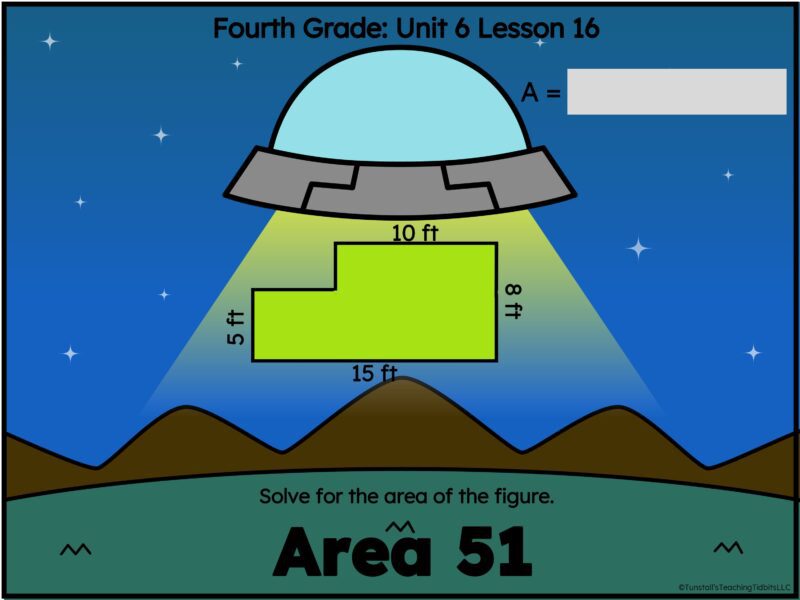
Beginning math time with brief math warm ups that activate thinking without pressure
-
Using teaching slides that encourage participation and discussion rather than long stretches of seat work (K–2 and grades 3–5)
-
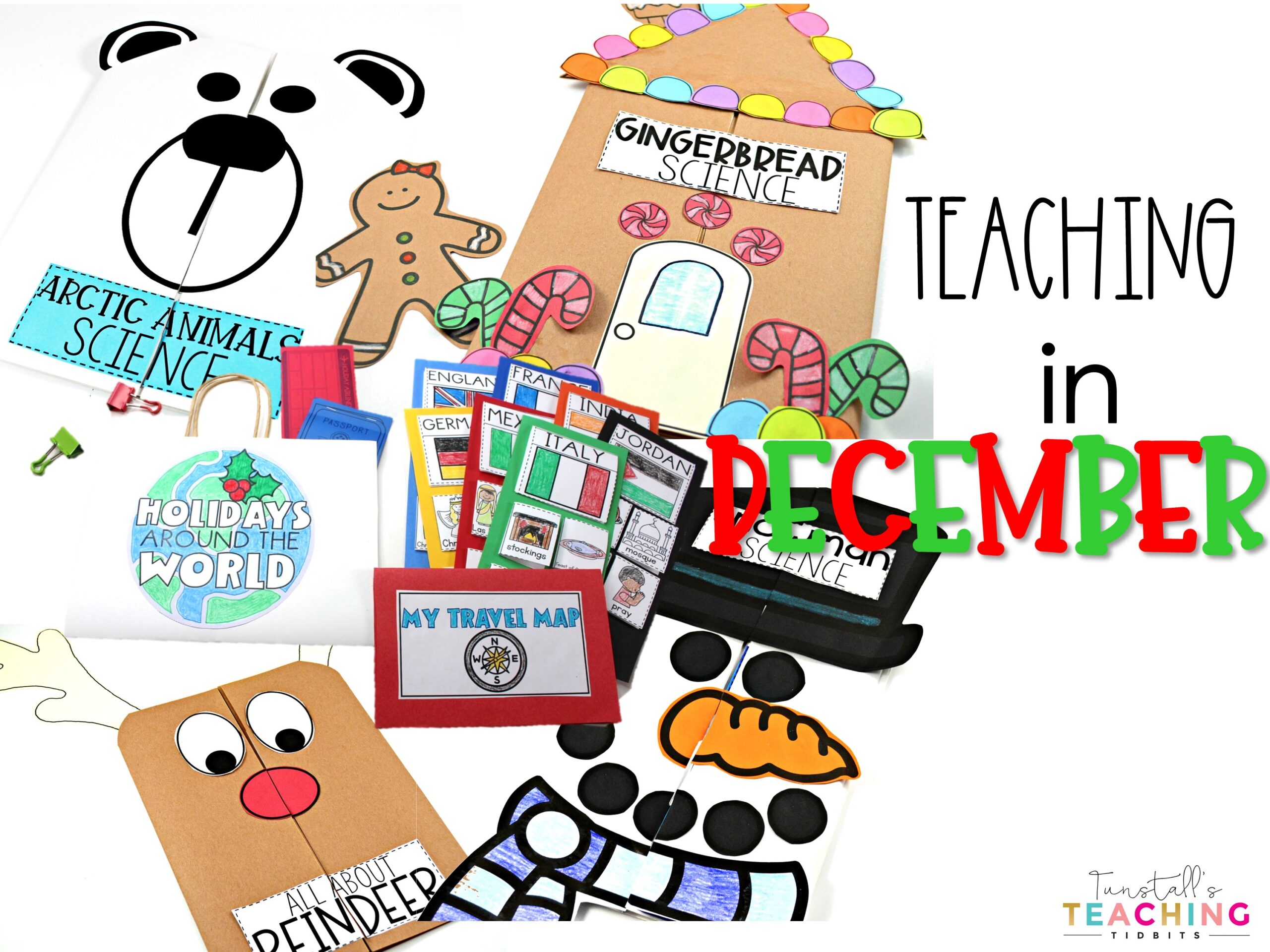
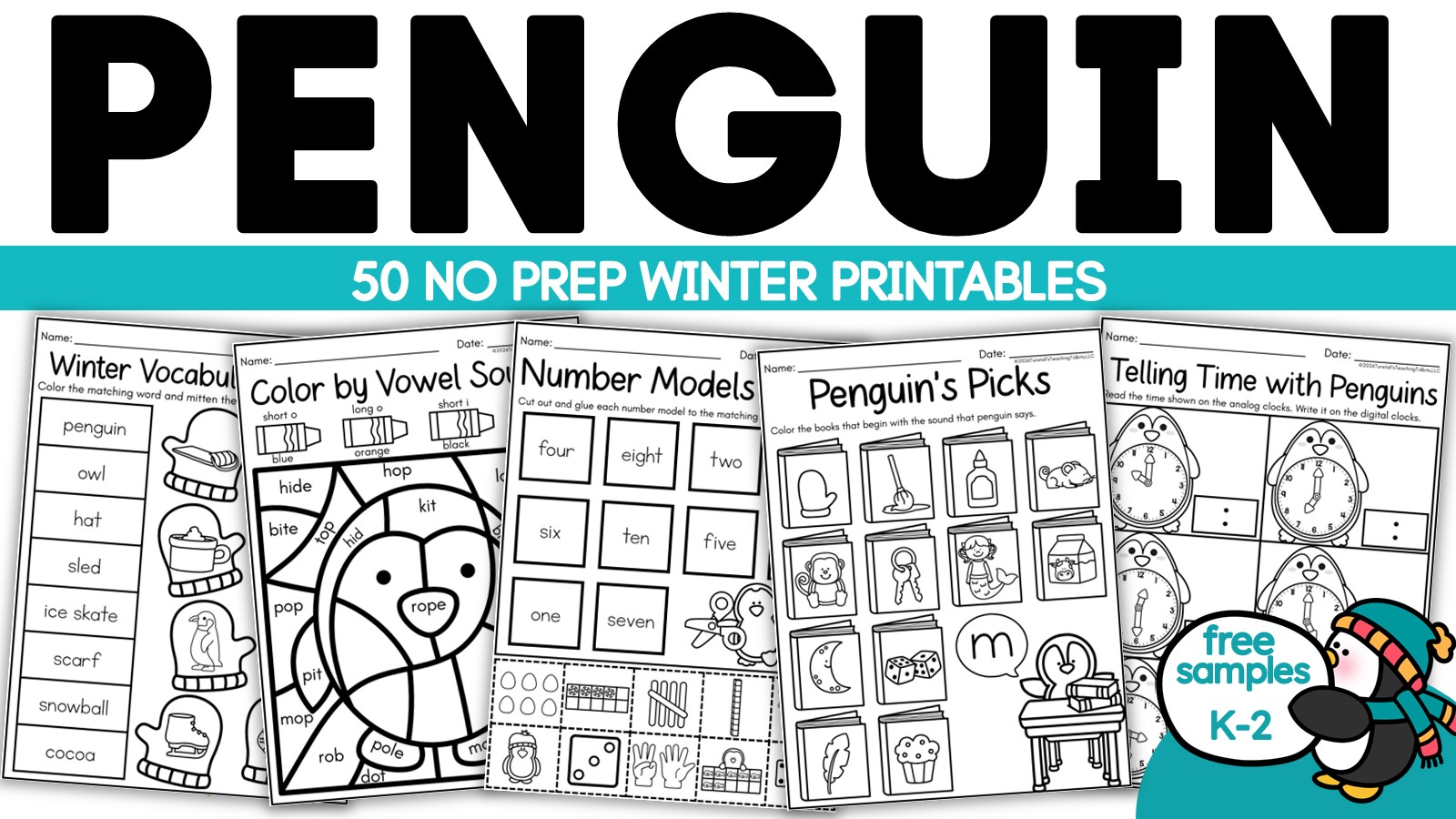
Incorporating seasonal activities such as January or winter themed pages, including New Year or even penguin activities, to keep engagement high
These types of activities help students experience success quickly. As stamina improves, you can gradually increase the length and complexity of tasks.
Refocusing Attention and Participation
Attention routines often fade after time away from school. Instead of repeatedly redirecting students, it helps to reset how attention looks and sounds in your classroom.
Clear signals and structured interaction make a big difference.
Ways to support attention include:
-
Practicing attention signals and responses as a class
-
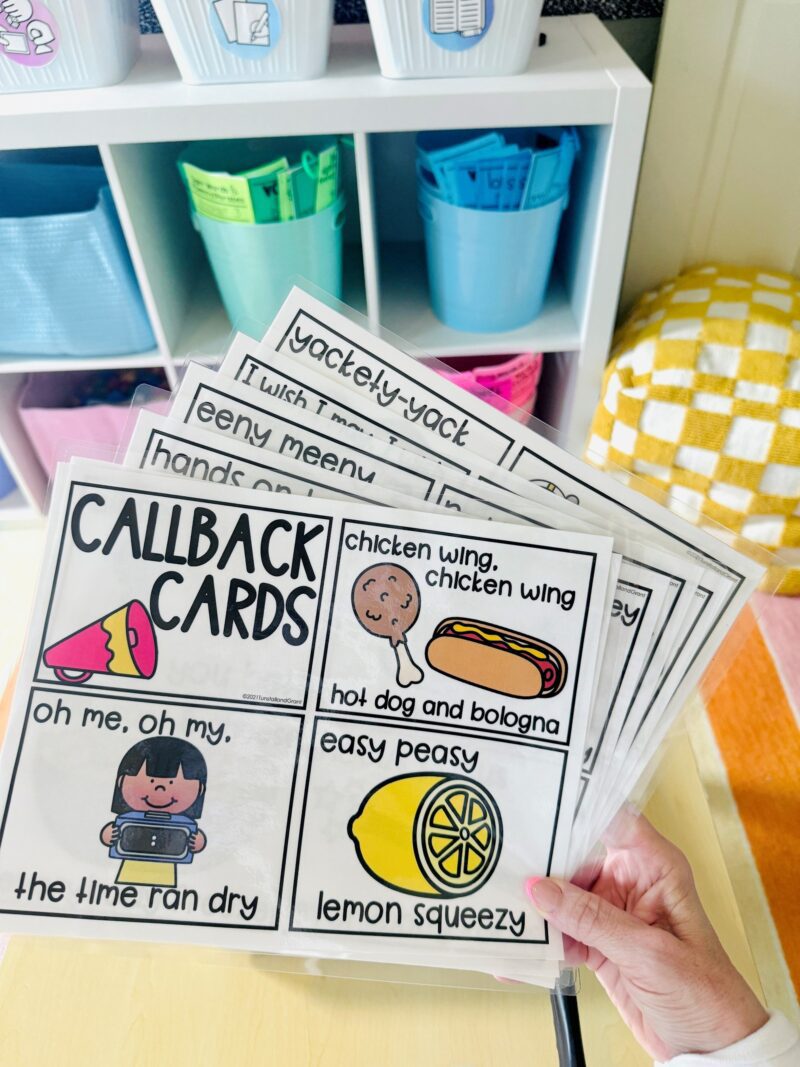
Using callback routines consistently so students know exactly how to respond
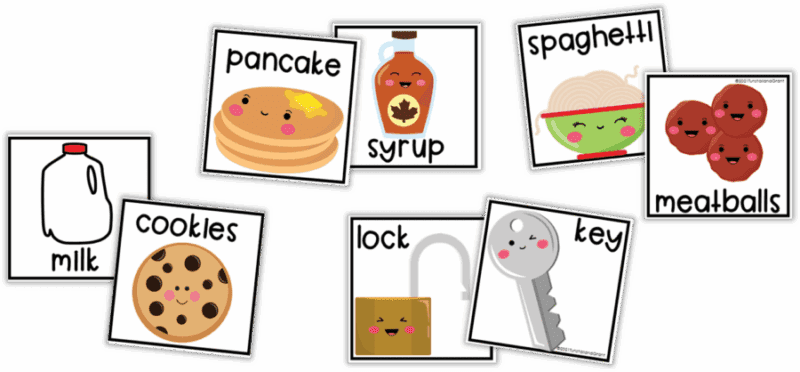
- Building connection through structured partner and collaborative work so students feel supported as they reengage in learning
Tools like callback cards can help reinforce attention expectations in a predictable way. Partner pairing and collaborative routines also support focus by giving students a clear role during learning.
Resetting Behavior Expectations With Supportive Systems
Behavior expectations often need a refresh after a break, especially during transitions, group work, and independent learning time.
A reset works best when expectations are clear, visible, and framed positively.
Helpful approaches include:
-
Reviewing what appropriate behavior looks like during lessons and transitions
-
Modeling how to handle materials and work with partners
- Using classroom slides to naturally build structure by clearly showing expectations, routines, and behavior supports throughout the day
-
Using simple incentives that reinforce positive behavior
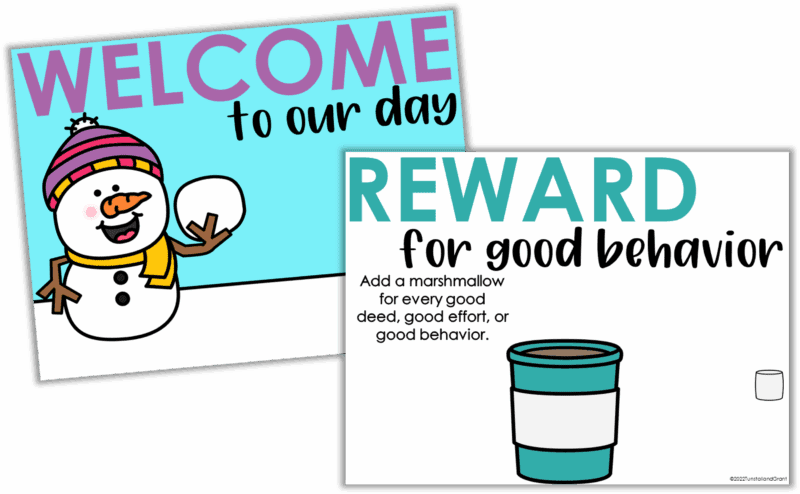
One effective strategy is a visual incentive system, such as this free hot cocoa behavior chart where students earn marshmallows for meeting expectations. Systems like this make behavior goals concrete and help students feel motivated without pressure.
This is also a good time to talk through expectations together and practice them in short bursts rather than correcting after problems occur.
Resetting Work Habits and Quality of Work
After a break, students may rush through assignments or forget expectations for showing their thinking. This is a sign that work habits need to be revisited.
Familiar routines help students refocus on quality.
Strategies that support strong work habits include:
-
Introducing or returning to calm but interactive math journals that encourage students to slow down, think deeply, and explain their reasoning (K–2 and grades 3–5)
-
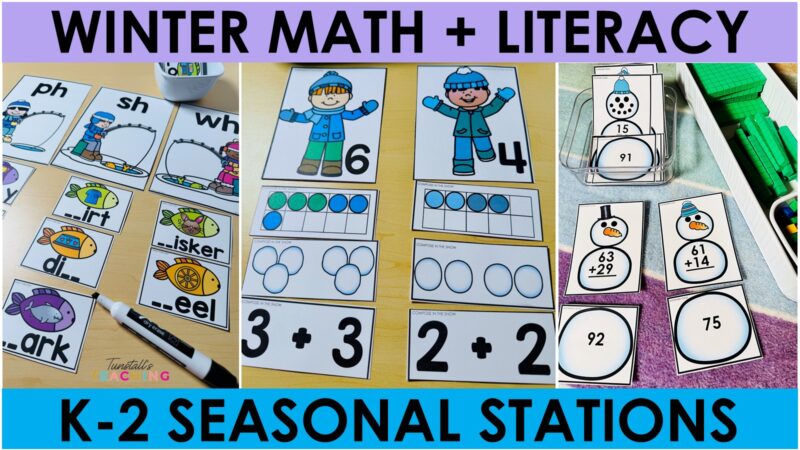
Using winter math centers or January activities that provide interest and variety paired with structure and clear expectations (both links have free samples)
-
Highlighting examples of careful work and discussing what makes them strong
Language matters here. Remind students that quality is more important than speed and that showing thinking is part of learning.
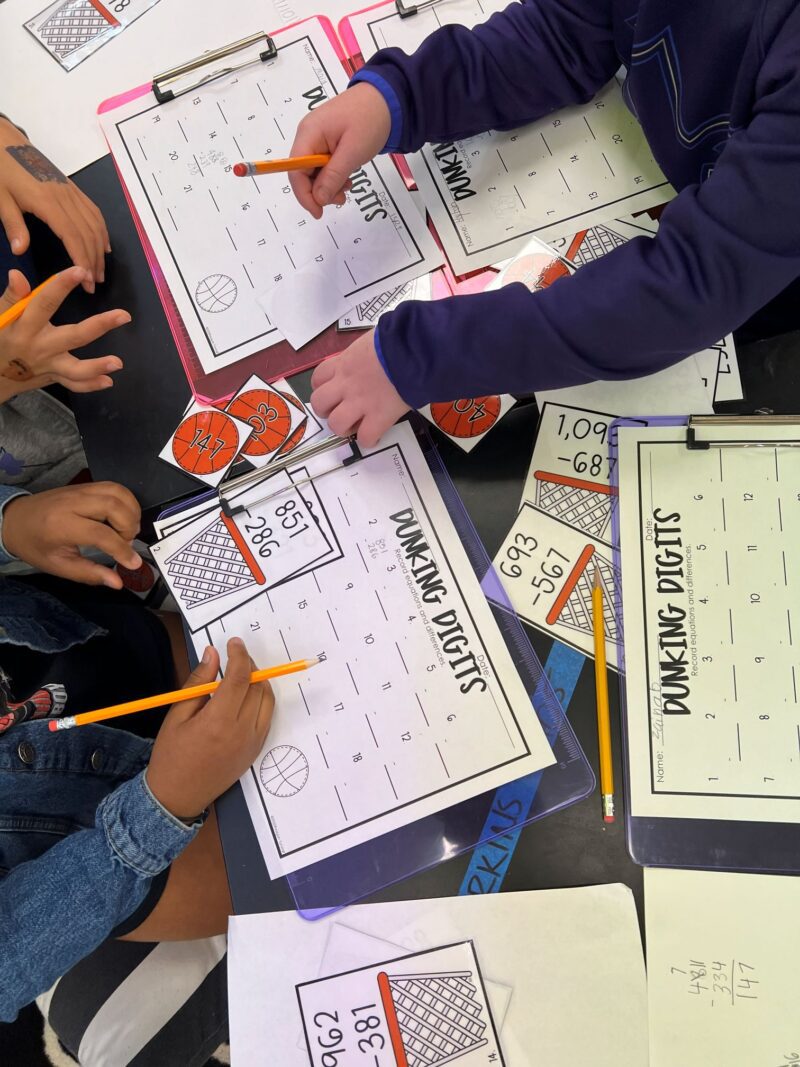
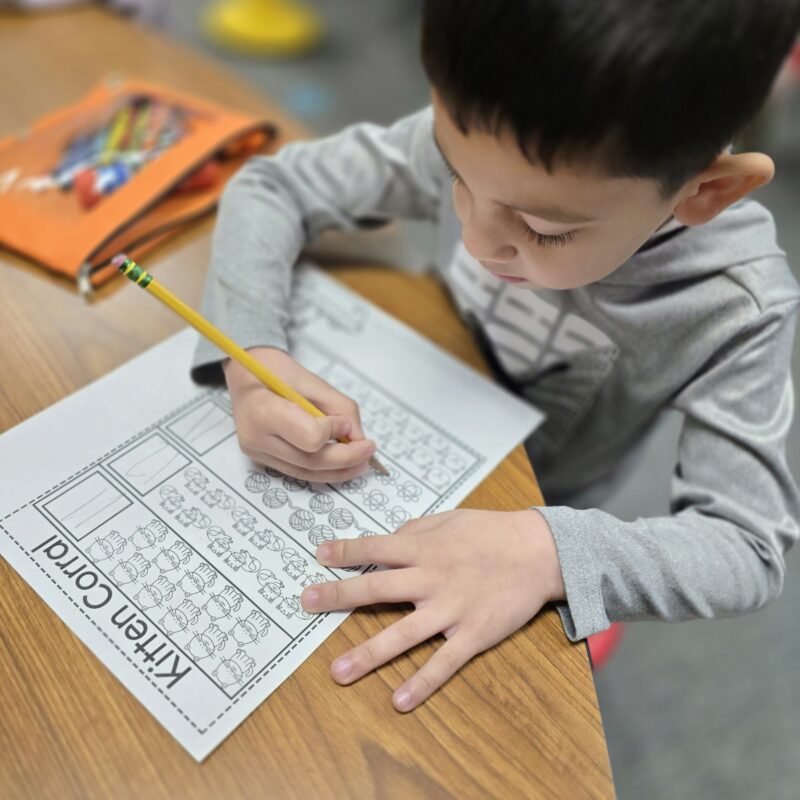
When students know what high quality work looks like, they are more likely to meet those expectations.
A Gentle Reset Goes a Long Way
Resetting classroom routines after a break does not mean starting from scratch. By focusing on stamina, attention, behavior, and work habits, you can help students transition back into learning with confidence.
As you head back into the classroom, it helps to have a few go-to ideas that support routines while keeping students engaged. If you are looking for calm, structured ways to reinforce learning, you may find these helpful as you plan the next stretch of instruction.
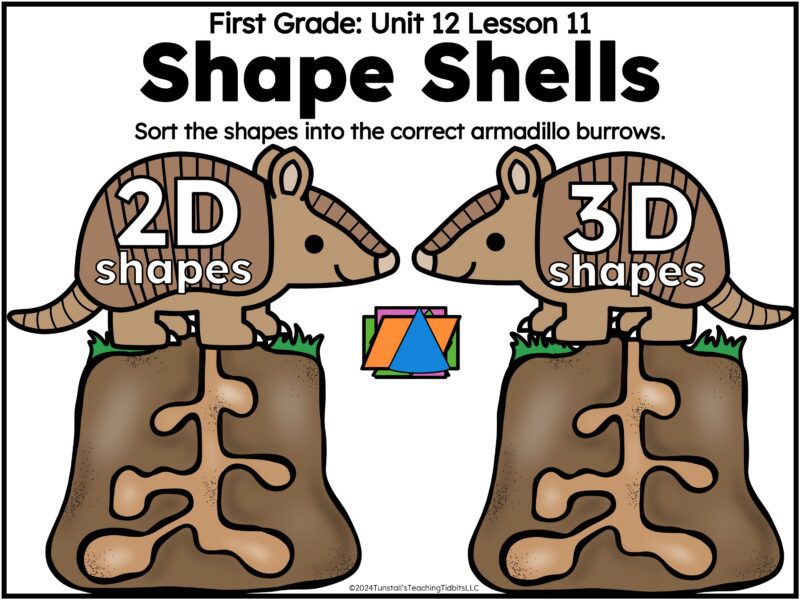
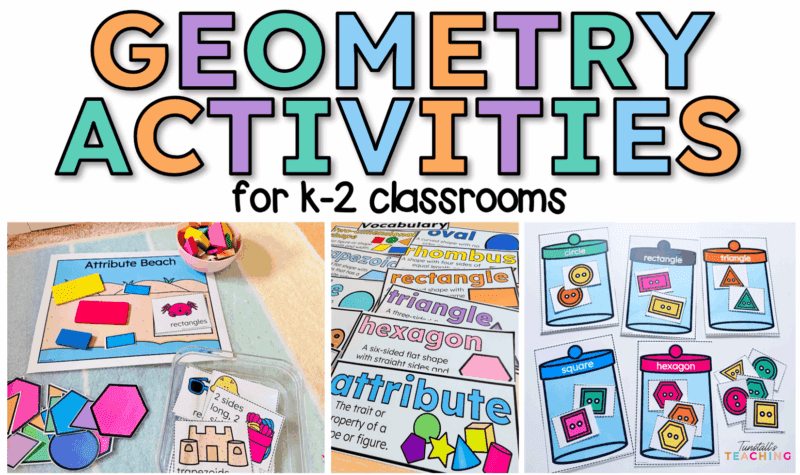
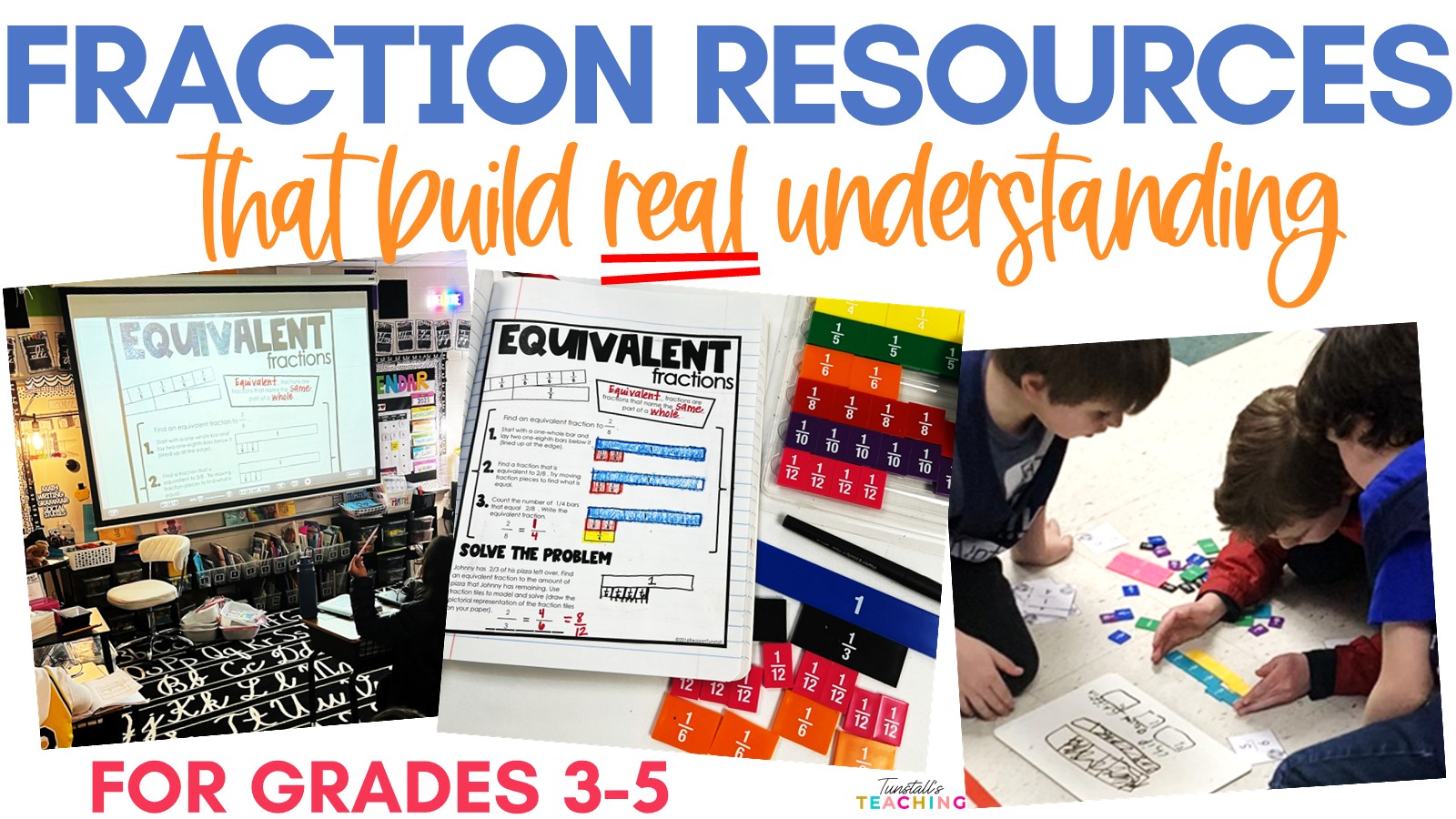
You can explore winter math and literacy workstations for hands-on, independent practice, dive into Total Math geometry lessons for K–2 to support clear instruction and meaningful math discussions, or find fractions resources for grades 3–5 that help students revisit important concepts in a focused, manageable way.
Small, intentional choices can make a big difference as you move forward with confidence.