 Contact
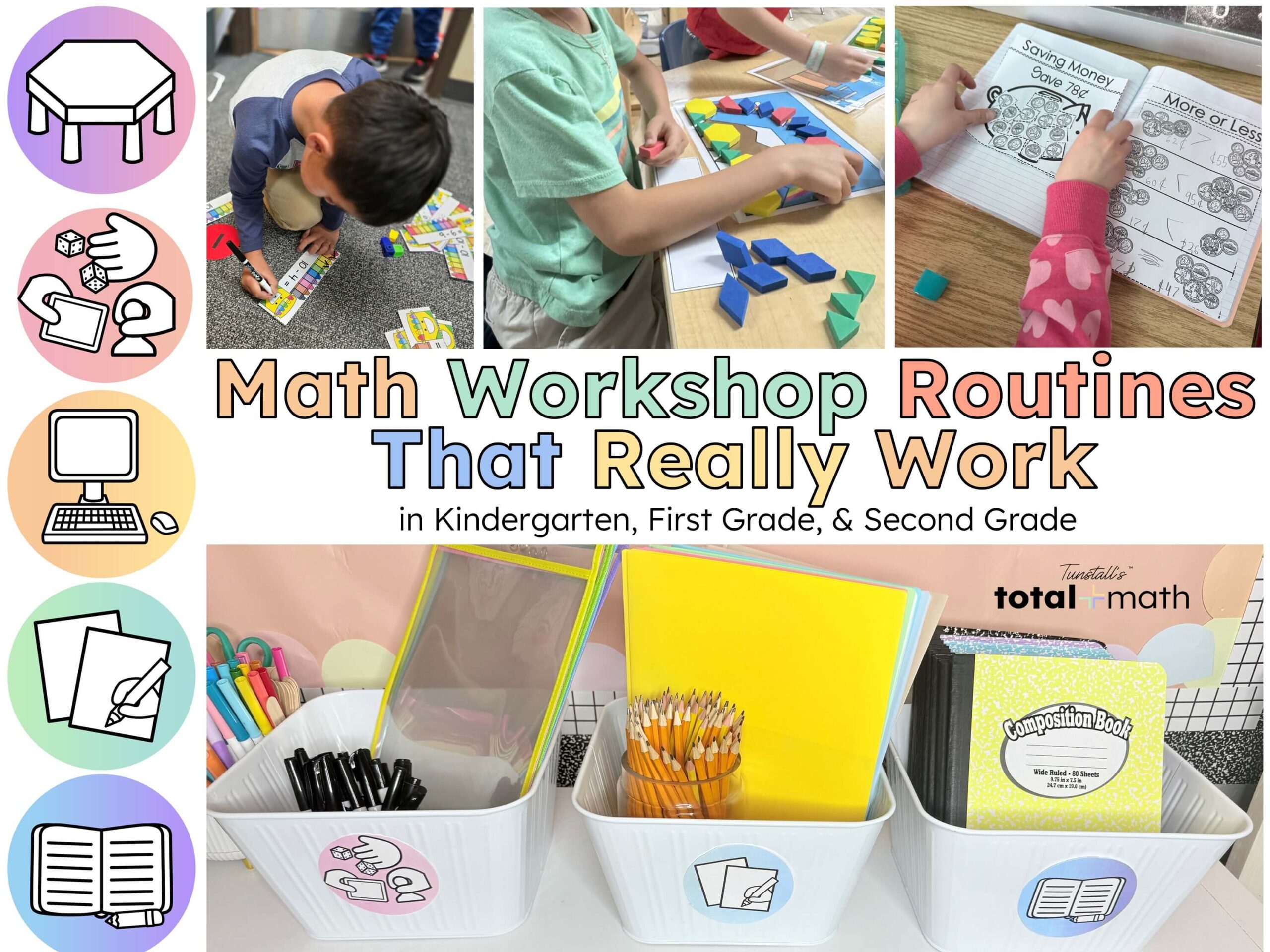
Math Journal Learning Log | K–2 Independent Math Station

Math Journals and Learning Logs in K–2
Grades 3-5 math journals post and freebies HERE.
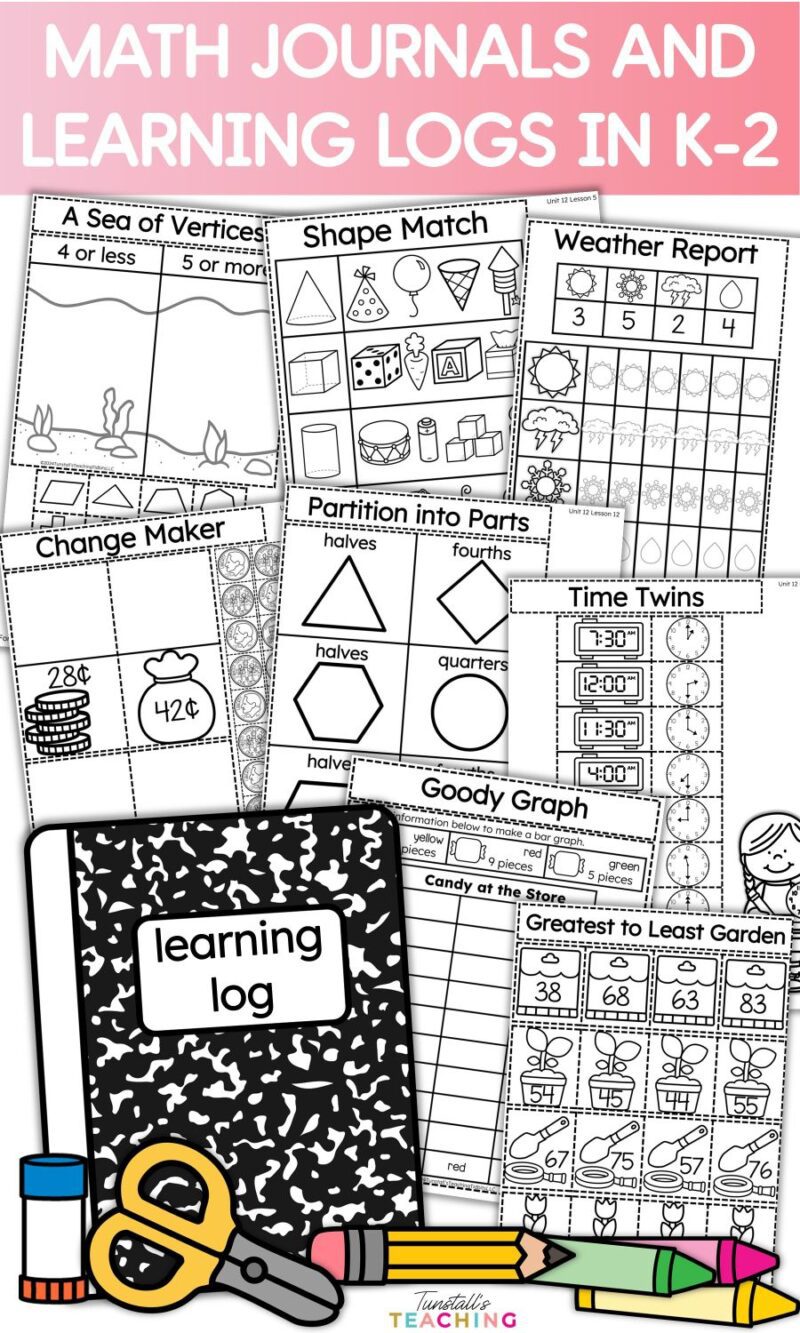
One of the most powerful routines you can add to your math workshop is a math journal or learning log station. In this independent space, students document their learning, apply their strategies, and show how their understanding grows over time. The structure is simple, but the impact is lasting.
What is a Math Journal or Learning Log Station
During math workshop, students rotate through stations that encourage well-rounded math exploration and practice. The math journal or learning log station is a place where they pause to make sense of their learning. It provides time for students to think, write, draw, and record what they understand about the math concept being taught.
In the K–2 classroom, this might look like drawing base ten blocks to show a number, sketching a number line to solve a problem, or writing a sentence about how they found their answer. The focus is always on representing and communicating math thinking in meaningful ways.
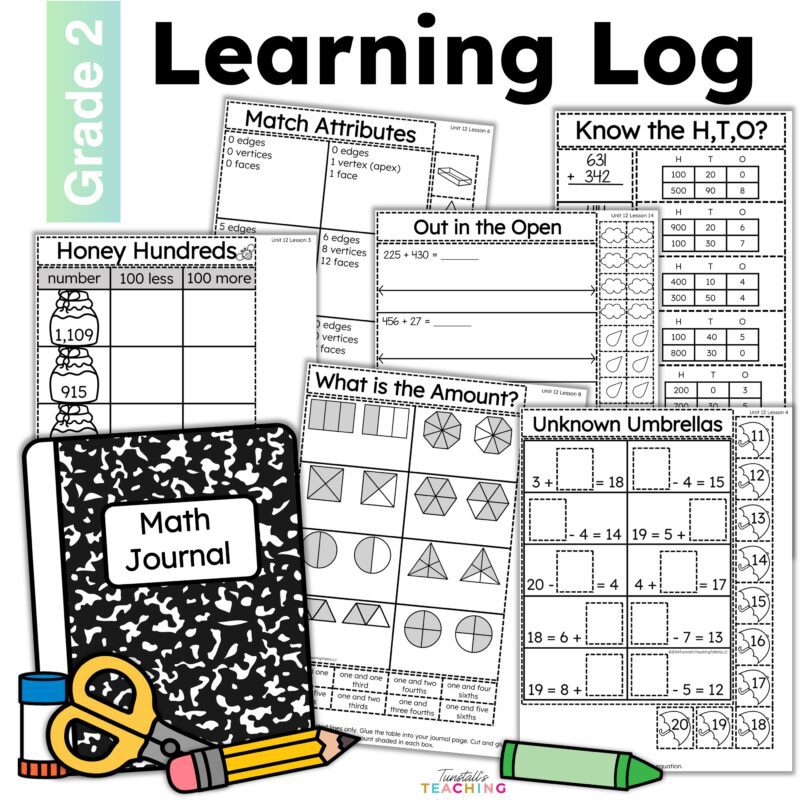
Why This Station Fills a Need
Supports Independence
This station allows students to work on their own while still thinking deeply. In an age-appropriate way, students apply what they’ve learned and express their understanding through structured activities in pictures, numbers, and words.
Builds a Record of Growth
As students add entries throughout the year, their journals become a portfolio of math learning. Both you and your students can look back to see how their confidence and strategies have grown.
Encourages Reflection
When students keep a math journal or learning log, they strengthen connections and deepen understanding. When students look through and use a math journal each day through the school year, they are reminded of their skills in math. Learning can become long-term understanding rather than short-term memorization.
Develops Math Vocabulary
Students use journals to describe their ideas using math language in context. Over time, their vocabulary becomes more precise and their explanations clearer.
Simplifies Prep and Assessment
With a yearlong bundle of prompts and templates, this station requires minimal prep. Simply make copies and students have standards-aligned entries for a year.
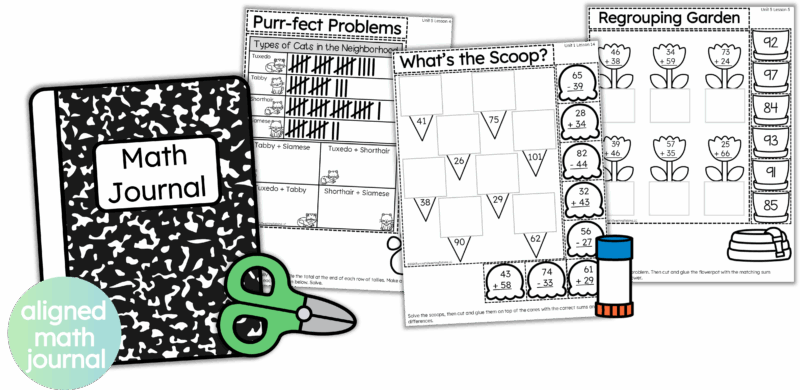
What Students Do at the Math Journal or Learning Log Station
Here is a simple structure that works well in primary grades:
Students open their math journal or learning log at the station.
They complete a daily or weekly prompt related to the current unit.
They write, draw, or model their thinking using the tools provided.
They may revisit a previous page to revise or expand on their ideas.
At the end of the week or unit, they share an entry or reflection with a classmate or the teacher.
This process encourages students to organize their thinking and gives them a consistent structure for independent work.
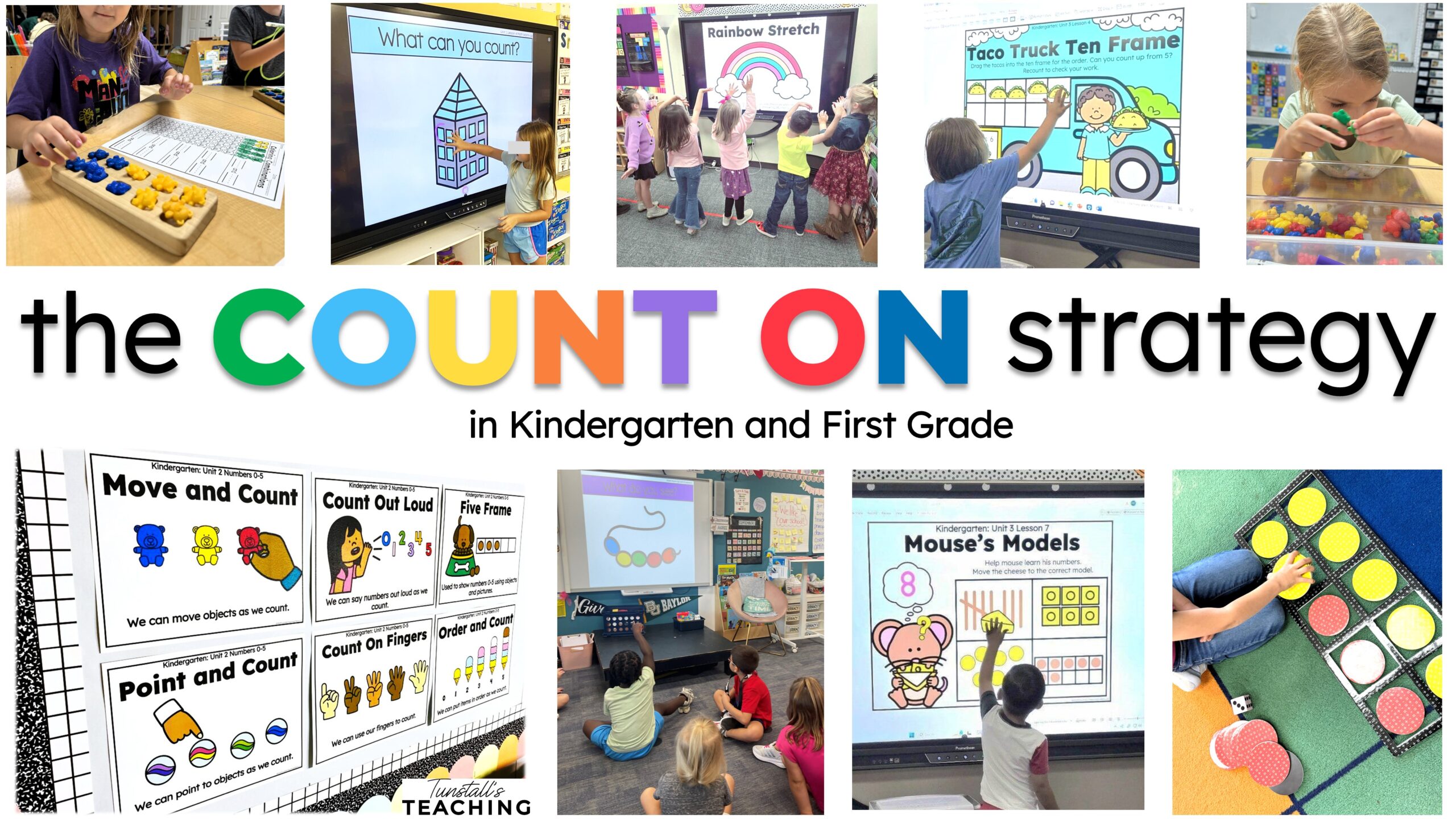
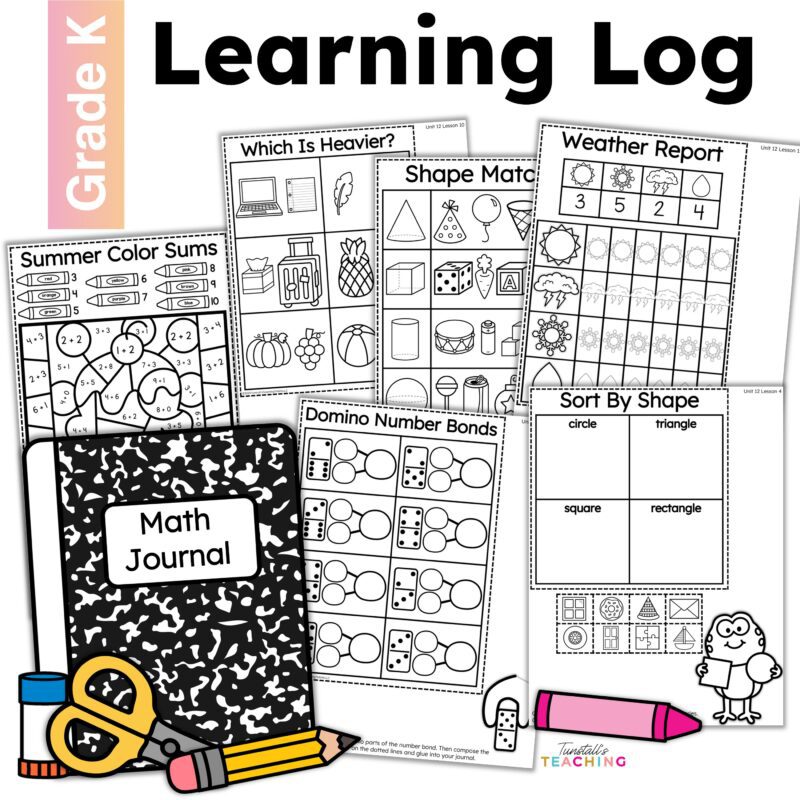
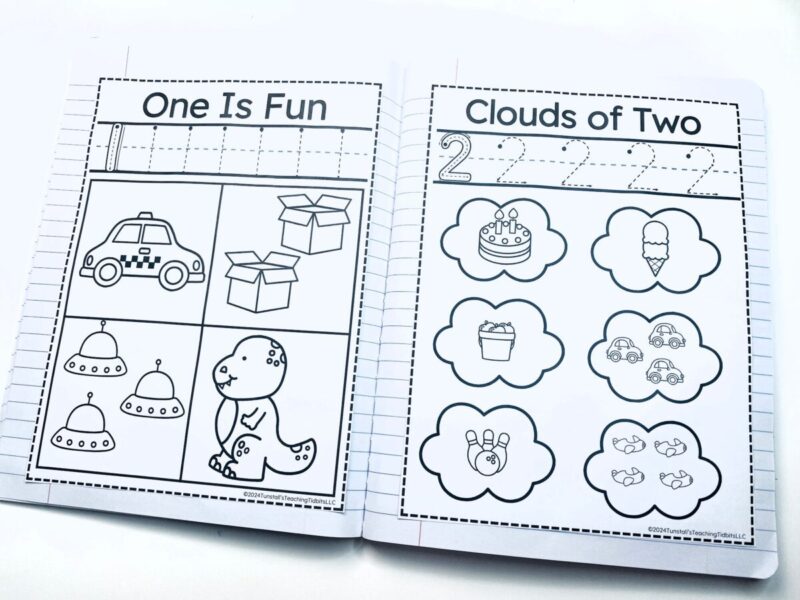 Kindergarten Unit 2 Learning Log Numbers 0-5
Why This Resource Was Created
When I began creating math journal entries, the goal was simple. I wanted a station that required minimal prep, provided ongoing data, and helped students take ownership of learning. Over the years, I learned what activities were most effective and age-appropriate for each grade level.
The result was a full year of prompts and templates designed for the developmental levels of kindergarten through second grade. Each page gives young learners a clear way to represent their thinking while supporting writing, drawing, and reflection skills.
Teachers who use this station consistently find that students become more confident in explaining ideas, making connections, and transferring strategies across concepts.
Try It Free
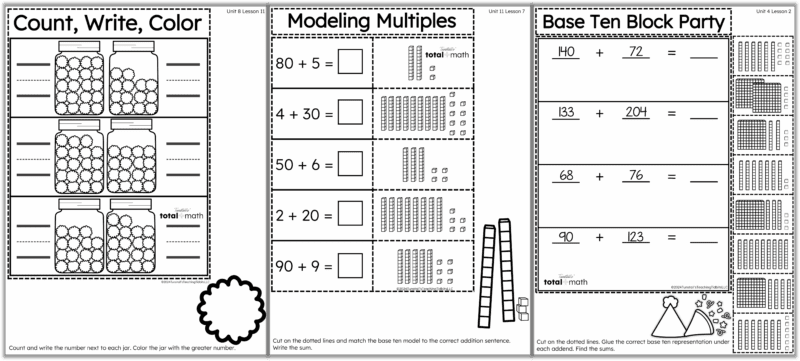
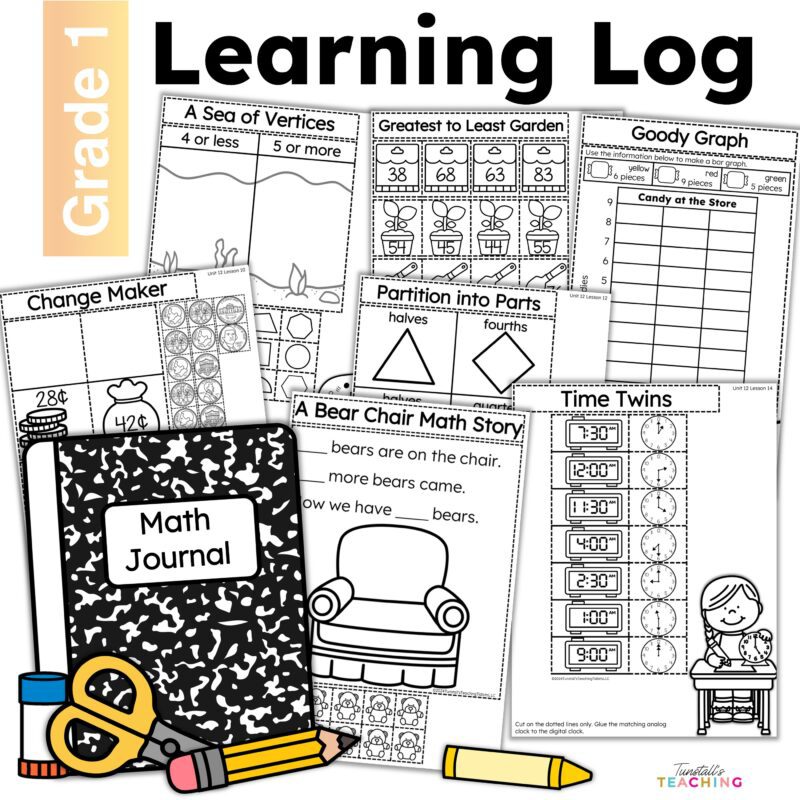
Want to try the learning log routine first? Download three free samples for each K–2 grade level and see how easily the activities fit into independent math practice.
One sample from each grade level is shown below, but the free download includes three kindergarten, three first-grade, and three second-grade activities.
How to Introduce and Maintain the Routine
Model how to format a math journal by creating a teacher sample journal without answers.
Begin with short, simple prompts to build confidence.
Connect each entry to the current concept or skill.
Schedule the station regularly so students build independence.
Review journals frequently and celebrate student examples.
Over time, students will view their journals as a record of their progress and an important part of their math learning.
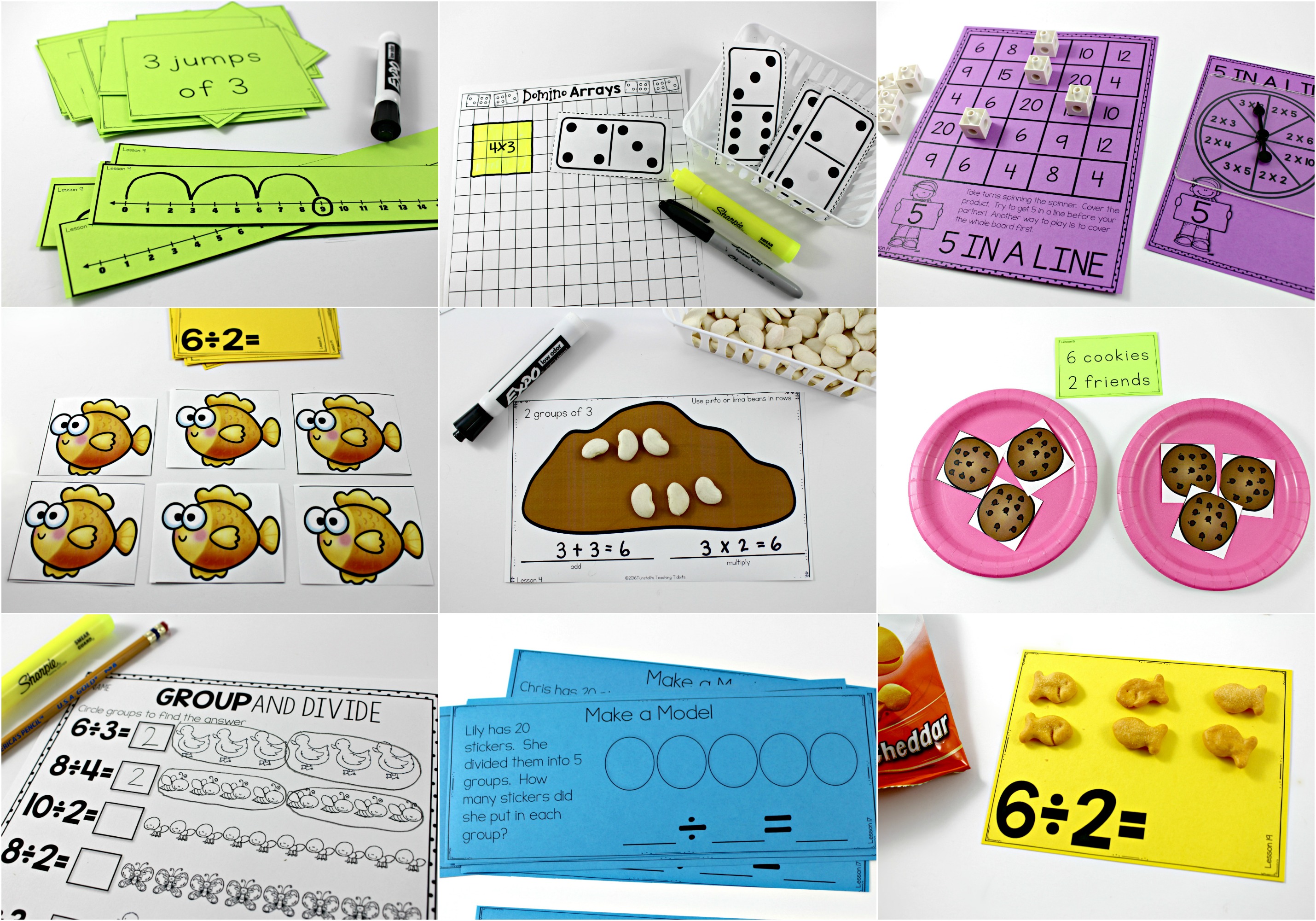
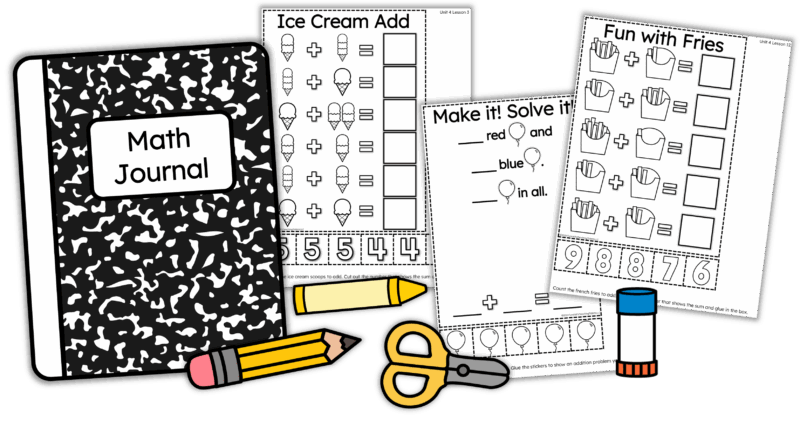
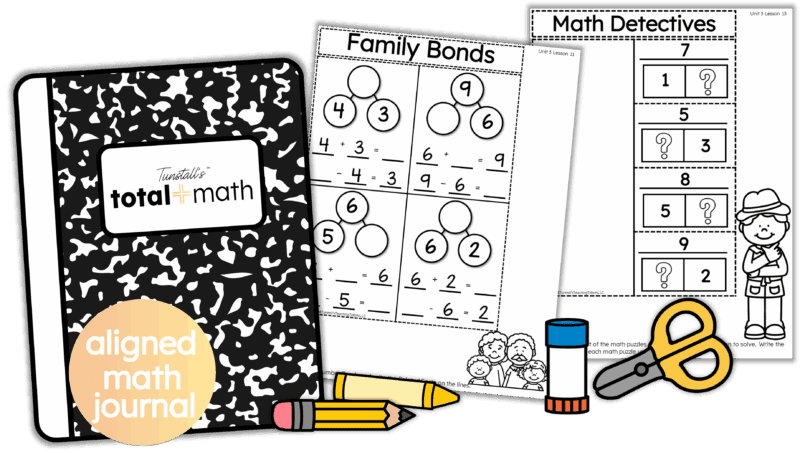 First Grade Unit 3 Addition and Subtraction Within 10
The Benefits for Students and Teachers
For Students:
Builds confidence and ownership of learning
Develops both problem solving and fine motor skills.
Encourages the use of math vocabulary and visual models
Provides a personal record of growth and understanding
For Teachers:
Offers authentic data and can be used for grades consistently through the year
Reveals student thinking and misconceptions
Reduces prep for independent stations
Creates a consistent and purposeful workshop routine
- This is a calm and quiet station
Ready to Launch
Adding a math journal or learning log station to your K–2 math workshop builds independence, reflection, and understanding. Students learn to explain their thinking, and you gain valuable insight into their progress.


With your yearlong bundles of journals and logs, implementation is simple and consistent. Once established, this station becomes a favorite routine for both students and teachers.
More Favorite Math Workstations for K-2
Now you know all about why we love the learning log in K-2. If you want to find other helpful math station ideas, be sure to make your way to this post!