 Contact
Total Math Geometry Lessons for K-2 Classrooms
If you’ve ever sat down to plan math and thought, I just want this to flow, you’re not alone. Between curriculum shifts, pacing guides, and the daily reality of teaching young learners, math instruction can start to feel pieced together instead of purposeful.
Geometry and fractions are especially tricky. These concepts need time, hands-on exploration, and meaningful conversation, yet they’re often rushed or reduced to isolated practice pages. What helps most is a clear lesson structure that supports whole group instruction, small group learning, and meaningful student practice no matter what curriculum you’re using.
That’s exactly what I want to walk you through today. As you read, you’ll see the components of a Total Math geometry lesson and you’ll also be able to download a free lesson sample (at the end) to explore these pieces in action for your grade level(s). Whether you teach kindergarten, first grade, or second grade, the structure stays consistent while the content deepens, helping math feel more manageable for both teachers and students.
Math Warm-Ups for Geometry
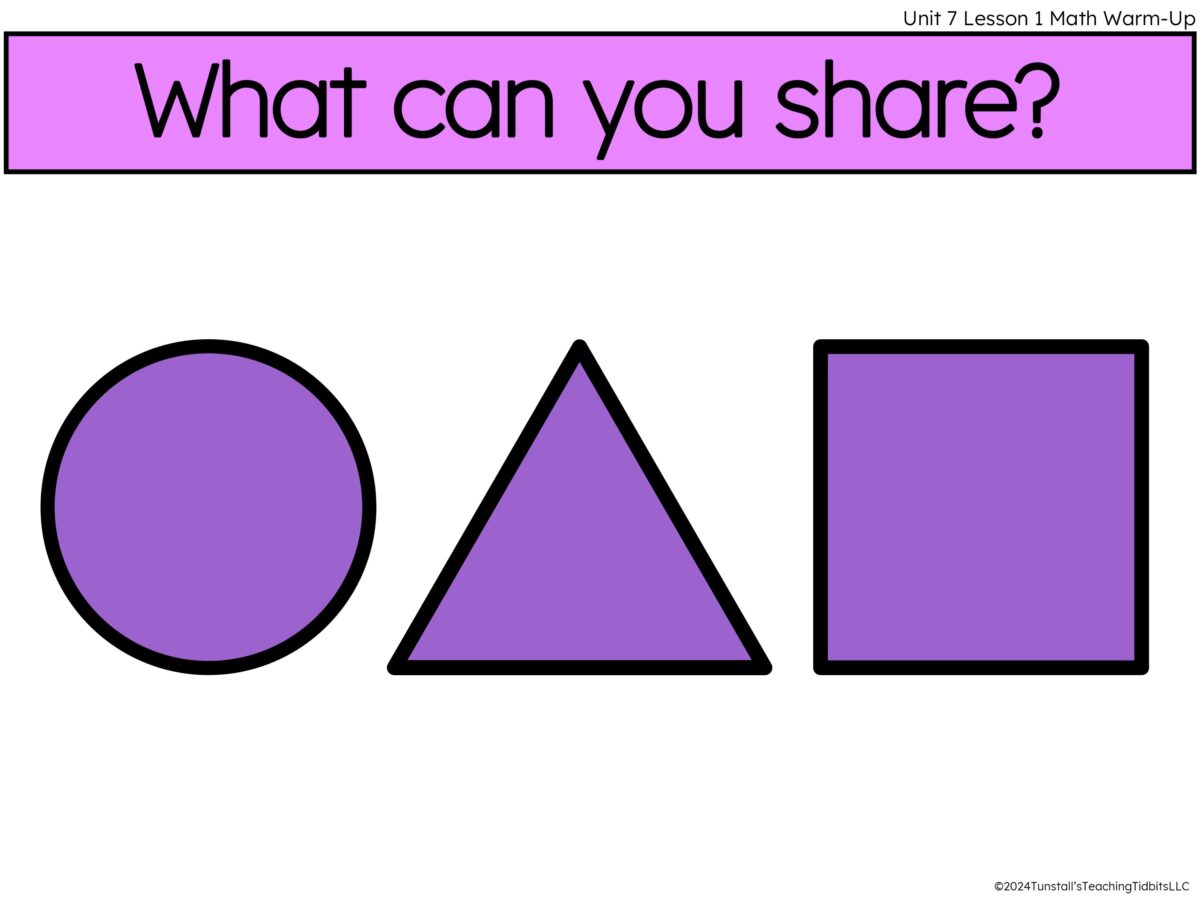
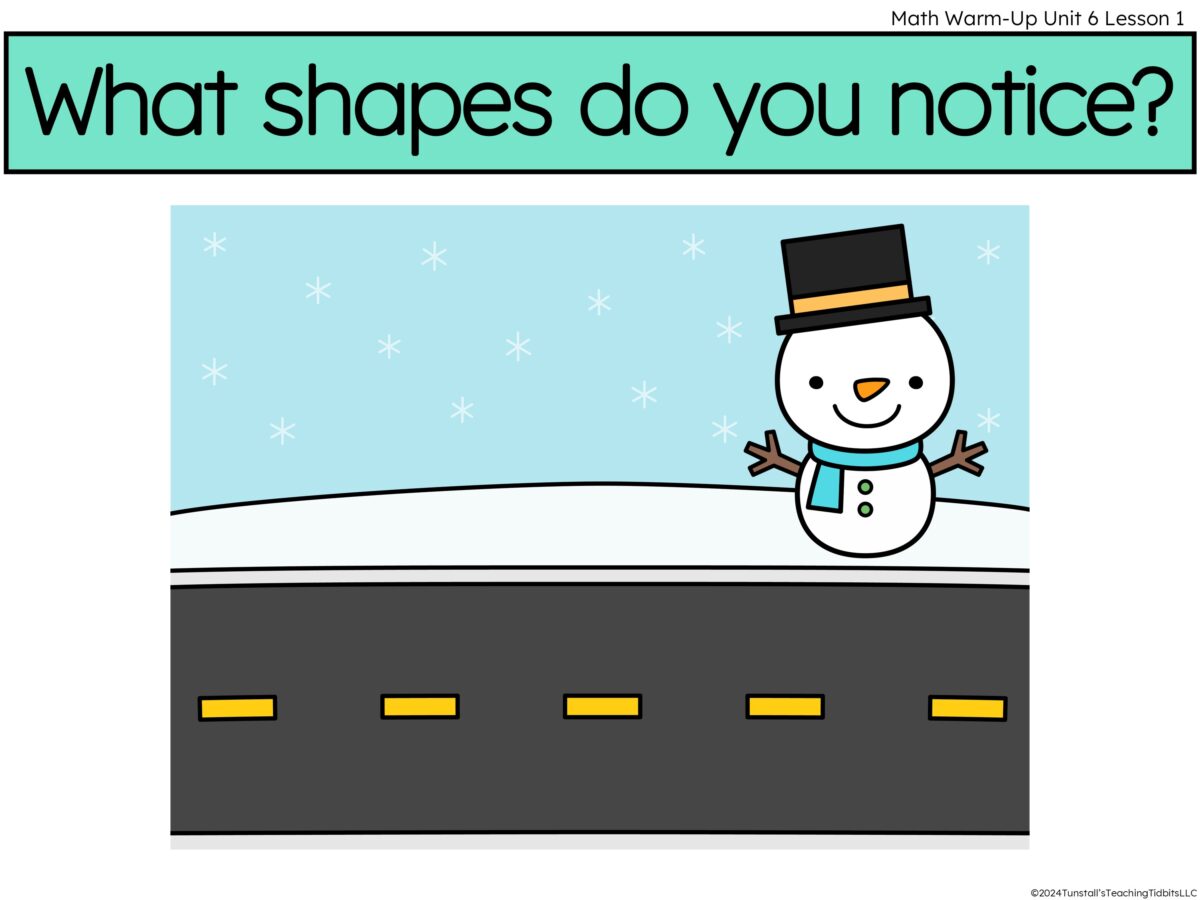
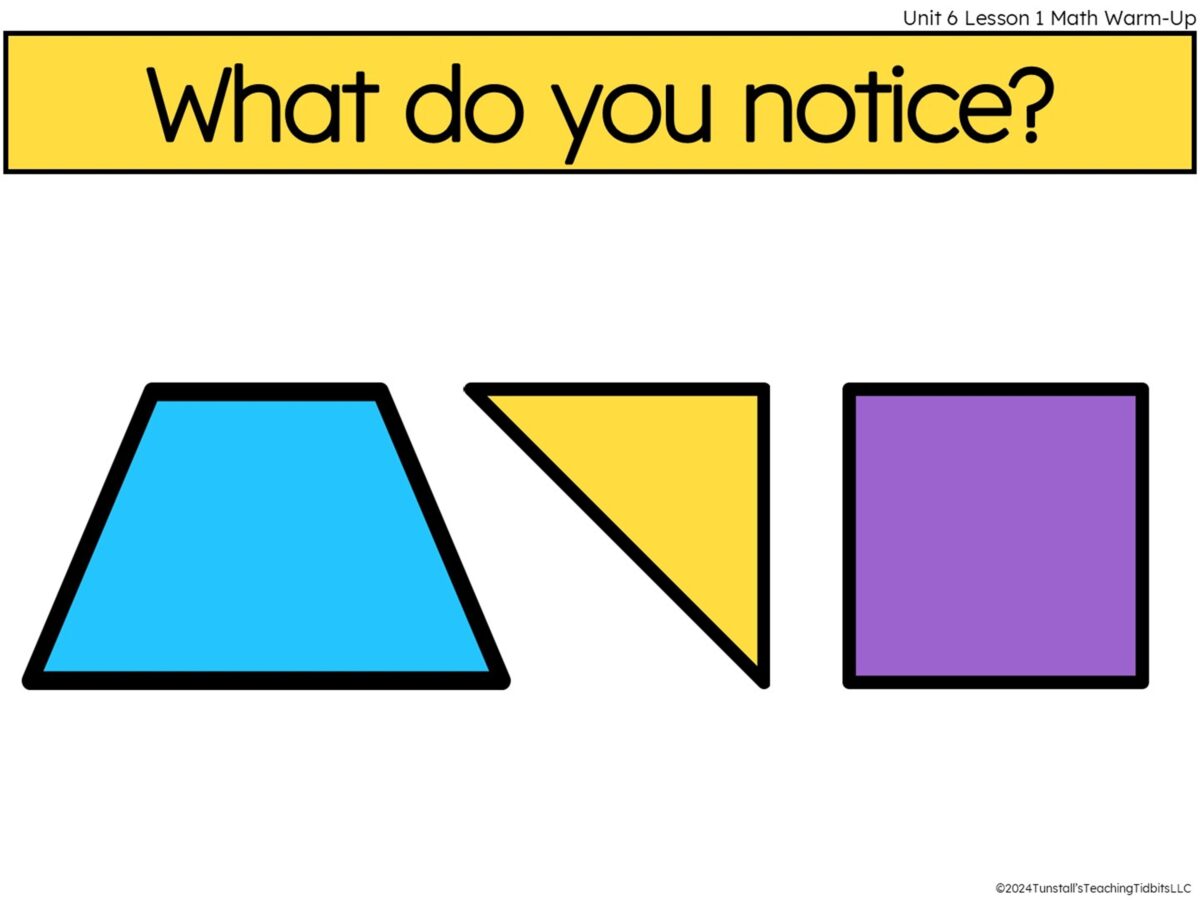
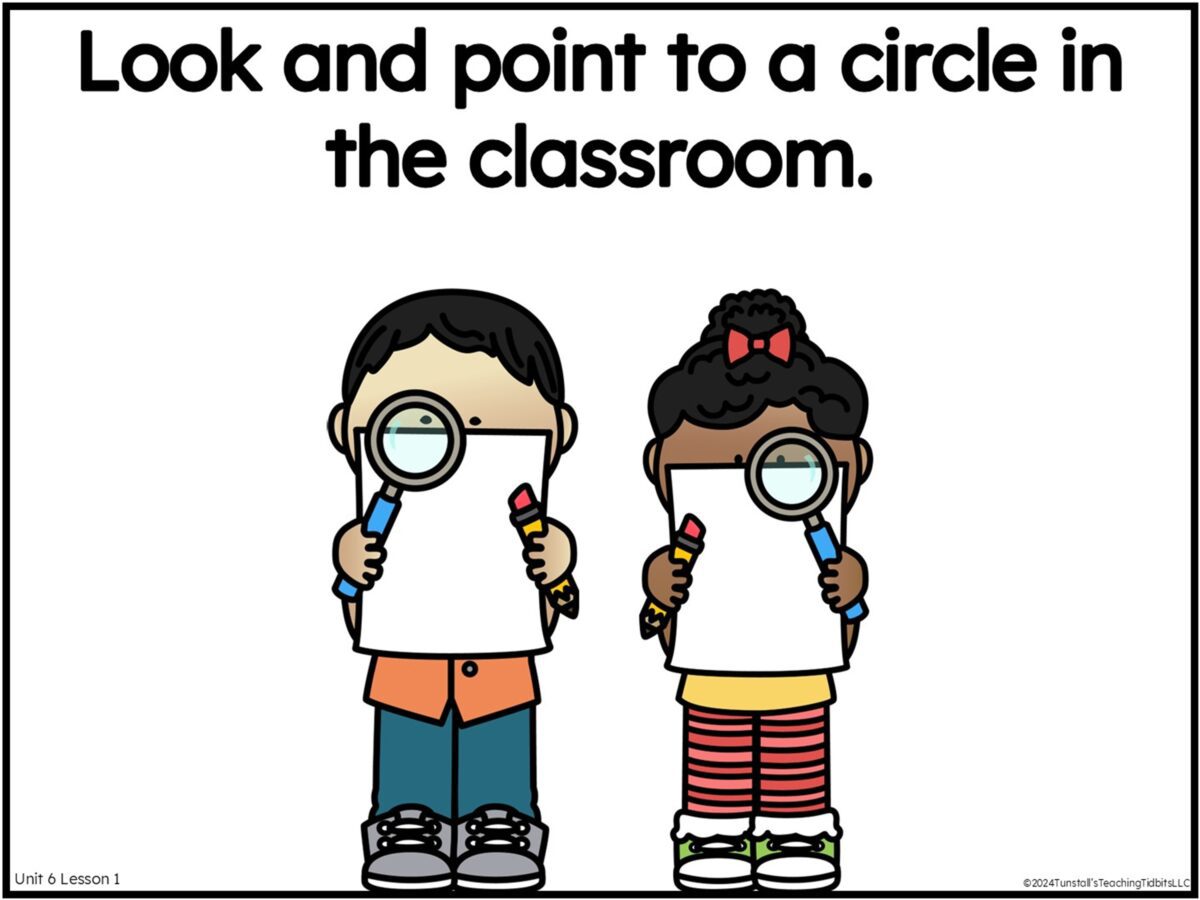
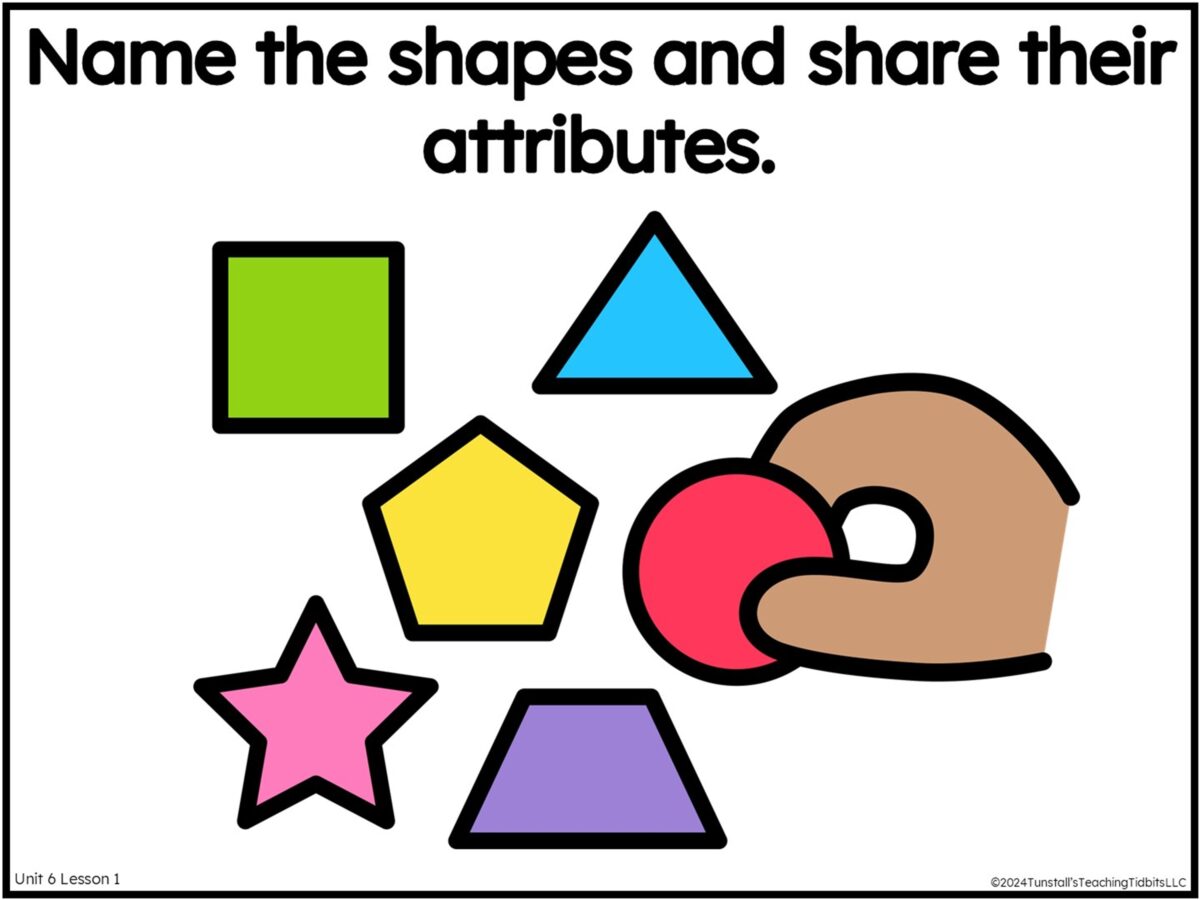
To kick off the lesson, we begin with the math warm-up slide. Math Warm-Ups activate thinking and prepare students for the learning ahead. These short routines build visual reasoning, math talk, and confidence while easing students into the math block. For more information on warm-ups, this post dives into building better math warm-ups.
During geometry lessons, warm ups often focus on noticing shapes, comparing attributes, and connecting math to real-world visuals. This low-pressure start invites every student into the lesson and sets the stage for deeper learning. The math warm-up examples below are free in the downloads at the end of this post.
Number Fluency
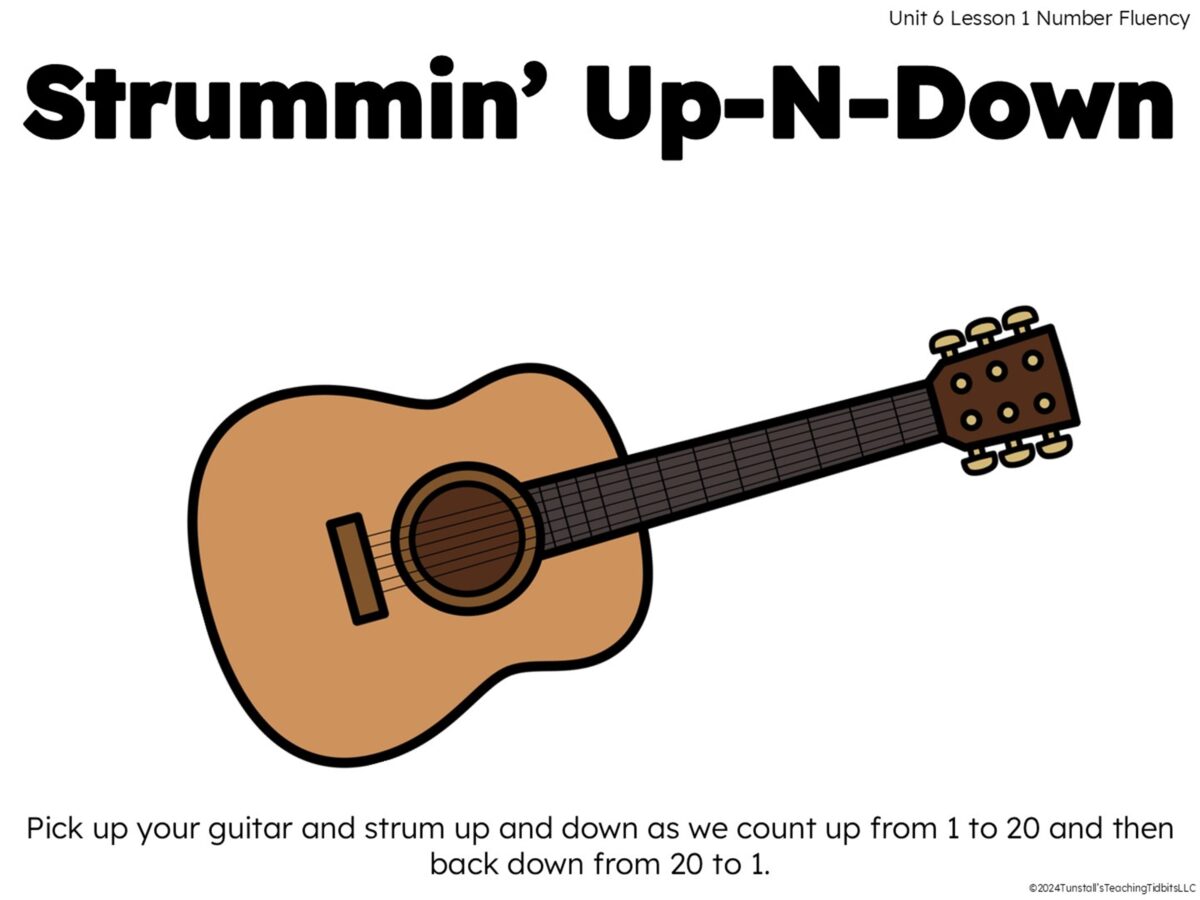
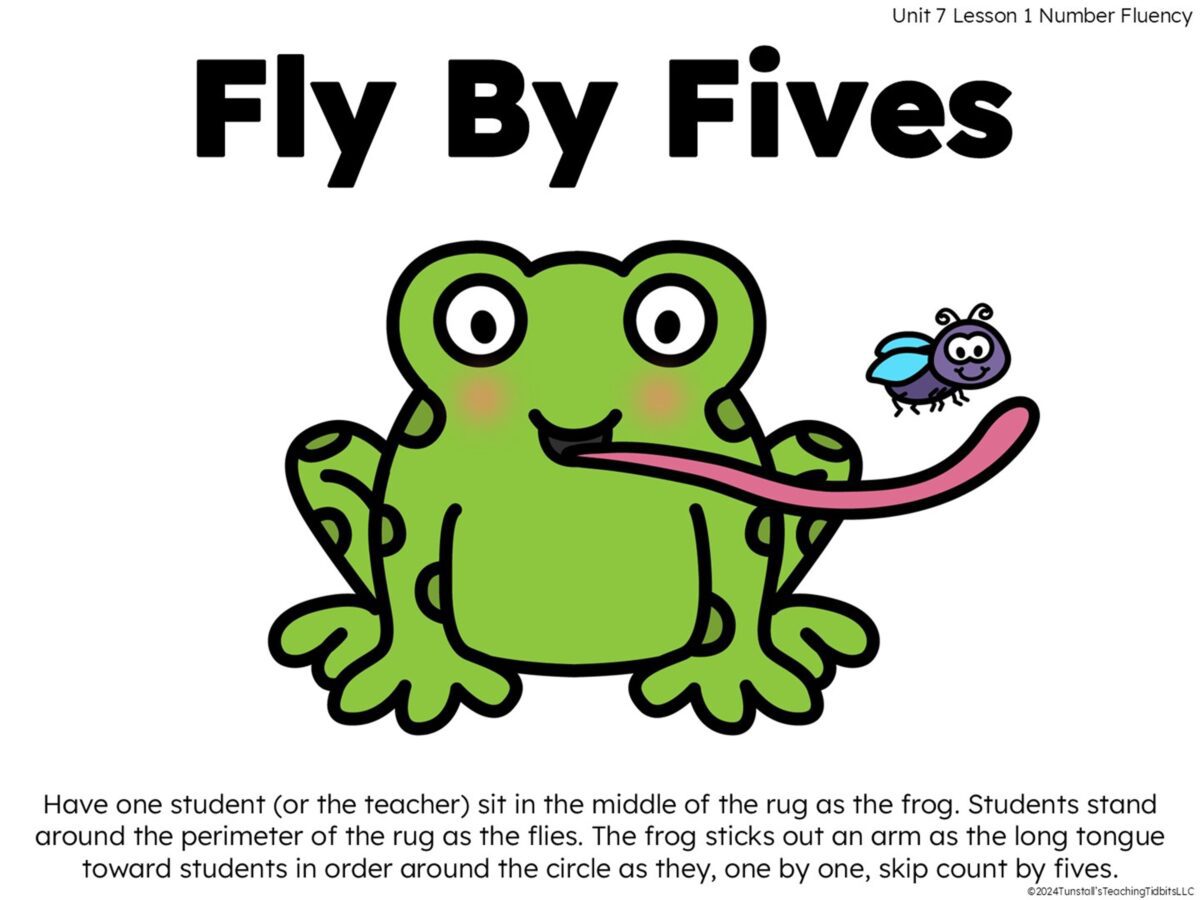
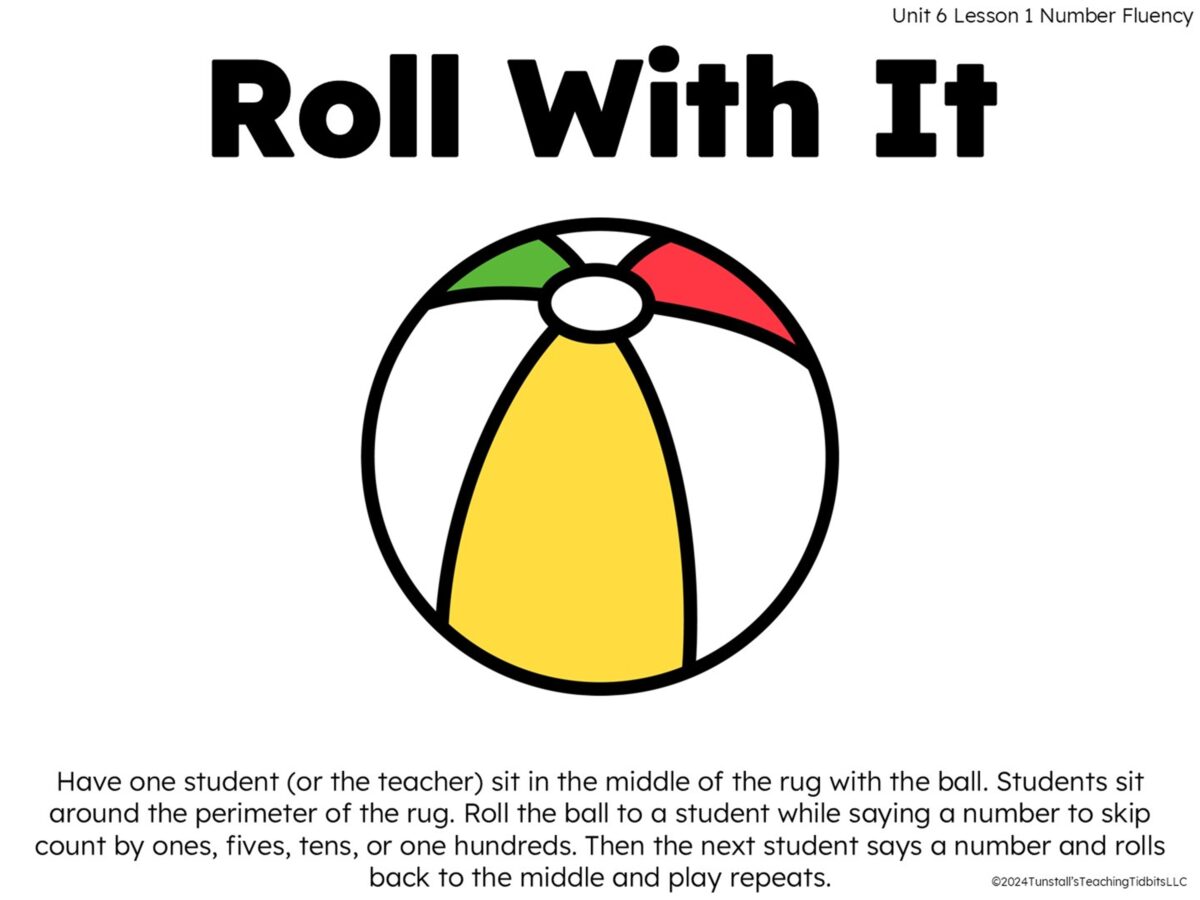
Even during geometry and fractions units, number fluency remains a priority. Next, up a slide with counting (or skip counting) and body movement. Total Math intentionally includes fluency practice to support counting within a range, skip counting, and overall number flexibility every day of the school year. For a more in depth look at the number fluency component, read this post. There’s a free week of number fluency in the post too!
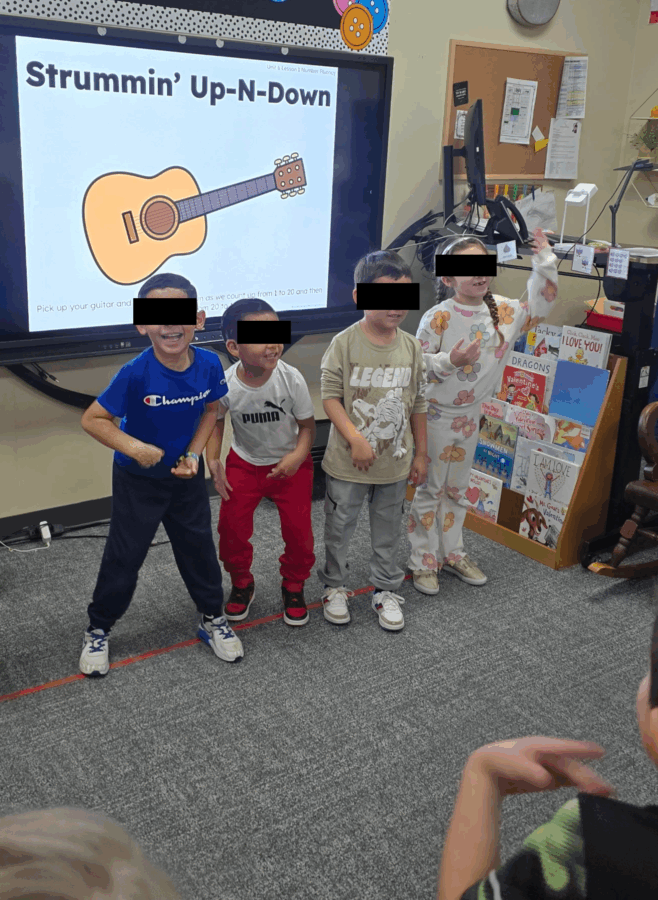
This consistent fluency work strengthens foundational skills and reinforces the idea that math concepts are connected, not taught in isolation. It also aligns with expectations found across many core curricula and state standards. To make it easy on teacher and fun for students, Total Math has this already done for you and ready to add to your slides. Every day of the school year there is a slide to guide you and your students in counting and skip counting number fluency. These slides are also part of the free lesson download at the end of this post.
Math Vocabulary
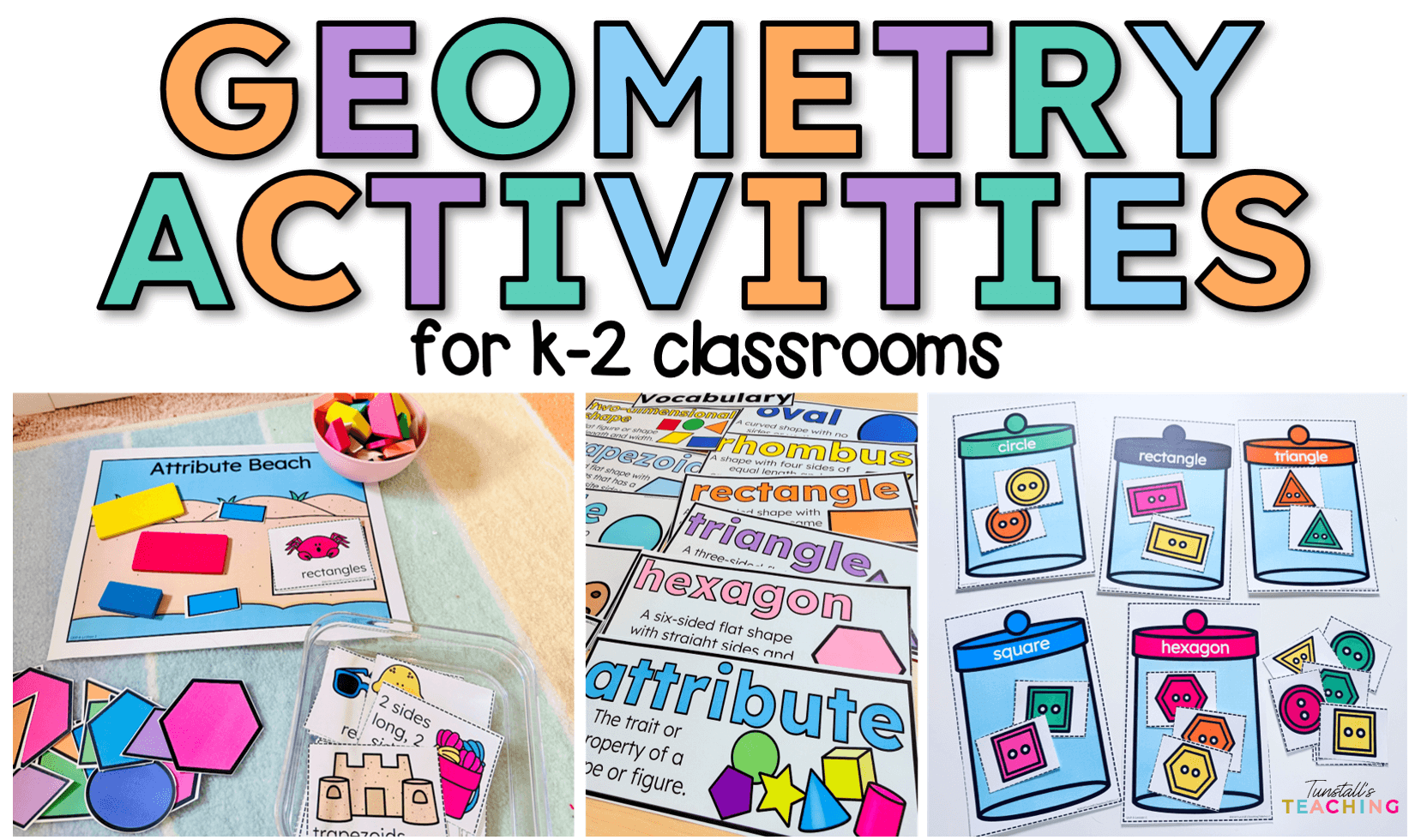
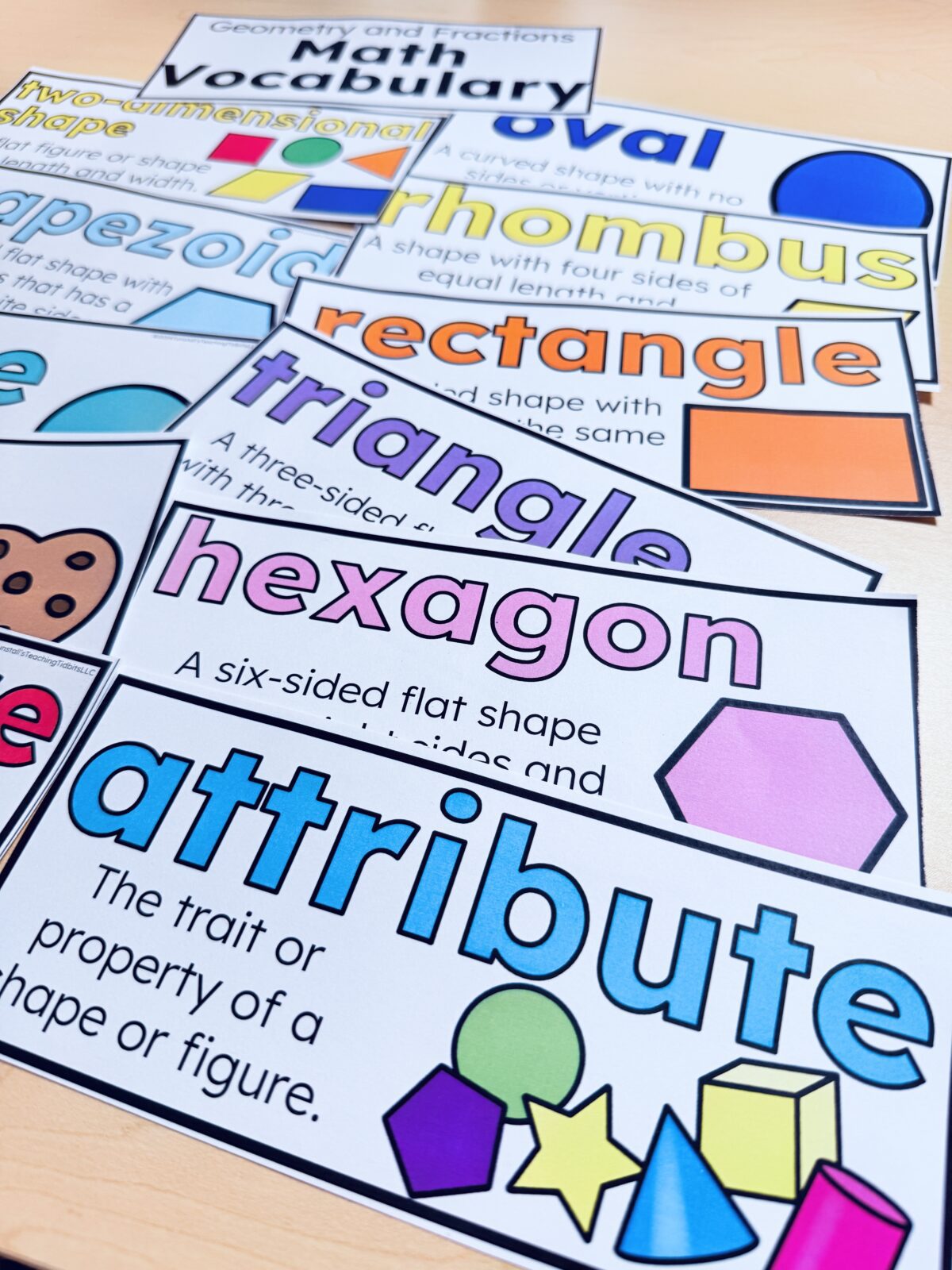
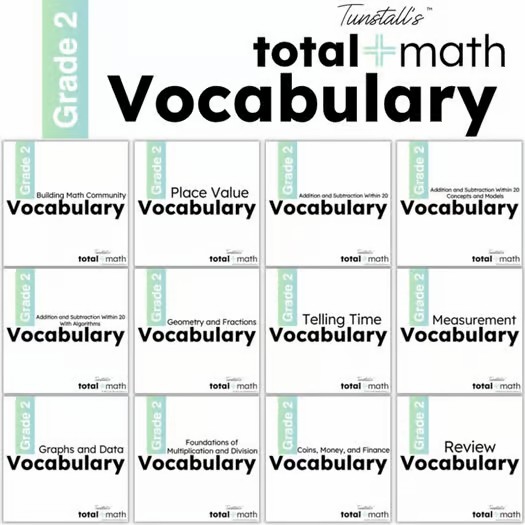
Strong geometry instruction depends on strong math language. Total Math vocabulary cards provide clear visuals and student-friendly definitions that help learners understand and correctly use academic math terms.
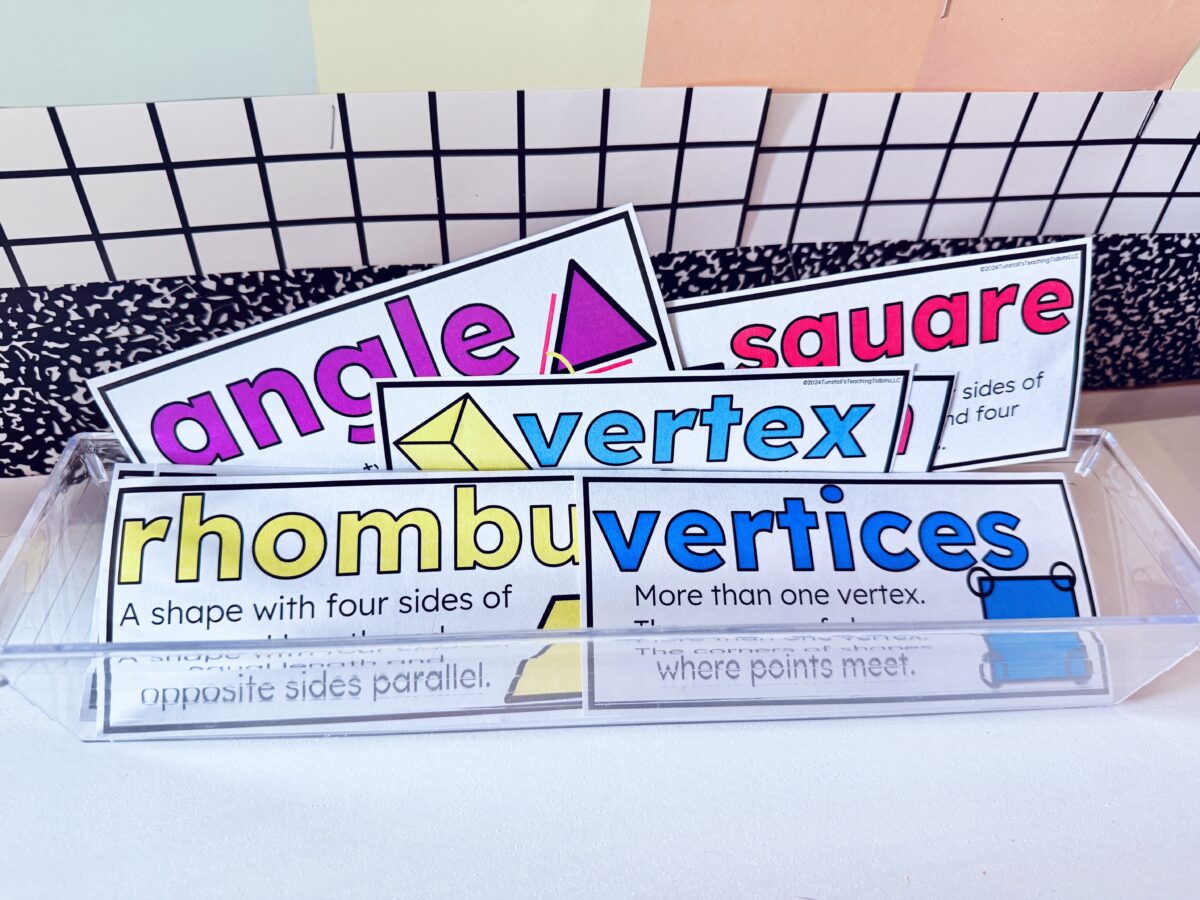
Vocabulary is introduced explicitly and revisited throughout whole group and small group math instruction. Teachers can display cards on a math focus wall, reference them during lessons, or make them available for student use. This intentional language support benefits all learners and complements any curriculum framework. Vocabulary cards are also in the free lesson download at the end of this post.
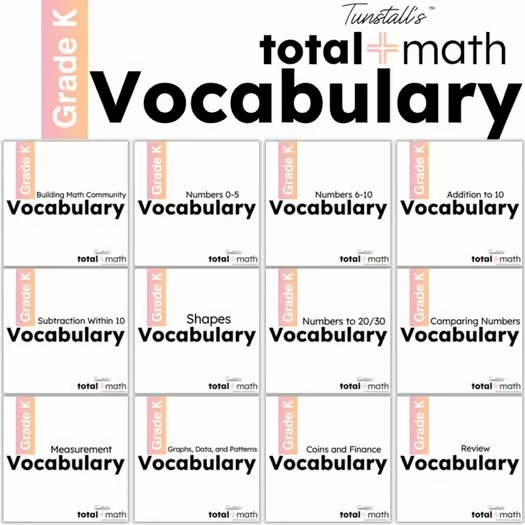
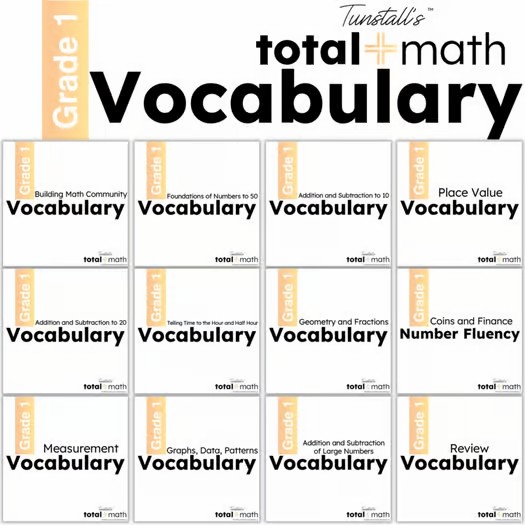
The vocabulary bundles below provide all the math vocabulary for the year and are only $8. You truly can’t beat the value of our Total Math bundles.
Teaching Slides for Whole Group Instruction
Teaching slides anchor each lesson with clear learning goals, visual models, and embedded math strategies. These slides support teacher-led instruction without overwhelming students or turning lessons into lectures. Engage the whole class in a series of slides about the lesson topic each day.
Concepts are presented clearly, strategies are modeled intentionally, and students are invited into meaningful math discussion. The focus remains on conceptual understanding rather than memorization. The teaching slides are included in the free download for you!
I’ll cut to the chase, the unit bundles or the everything bundle will save you the most money and you get everything for the topic.
From Whole Group Instruction to Small Group Math and the Workshop Model
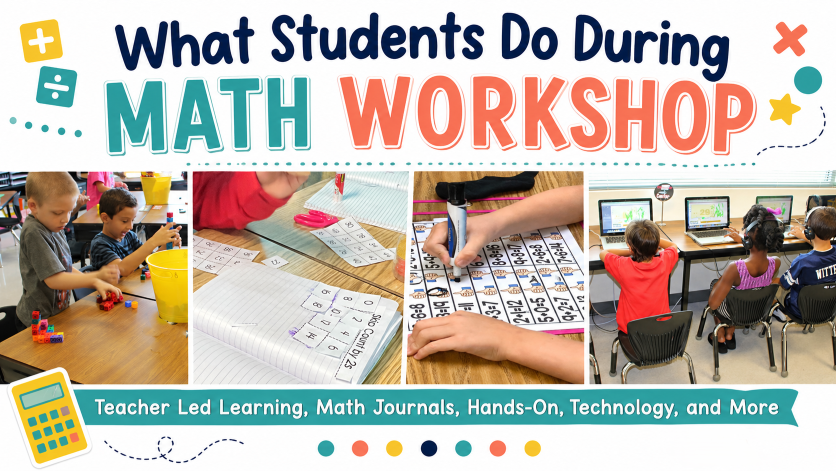
After whole group instruction, lessons transition into a math workshop structure that supports both individualized and collaborative learning. Total math has built in small groups and workstations ready for you everyday. It is all included so no more scavenger hunt. Everything is here and everything is aligned.
Differentiated Small Group Instruction
Small group instruction is a critical part of effective geometry and fractions teaching. During small group math, teachers can respond to student needs in real time, provide targeted instruction, and clarify misconceptions as they arise.
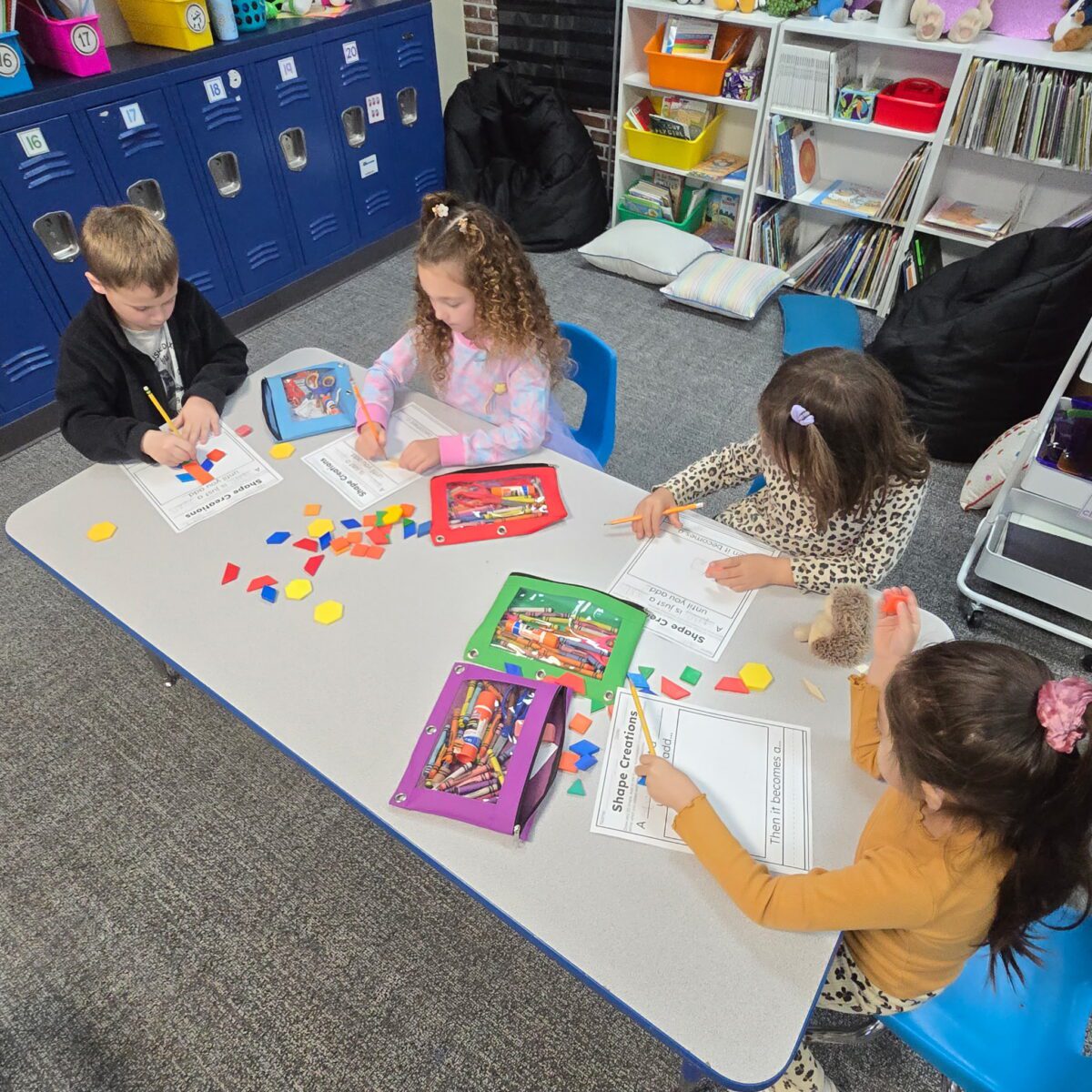
These differentiated small groups allow teachers to meet learners where they are while maintaining consistency in lesson goals. Small group learning within the Total Math framework is flexible, purposeful, and designed to support understanding not rush it.
Hands-On Math Activity
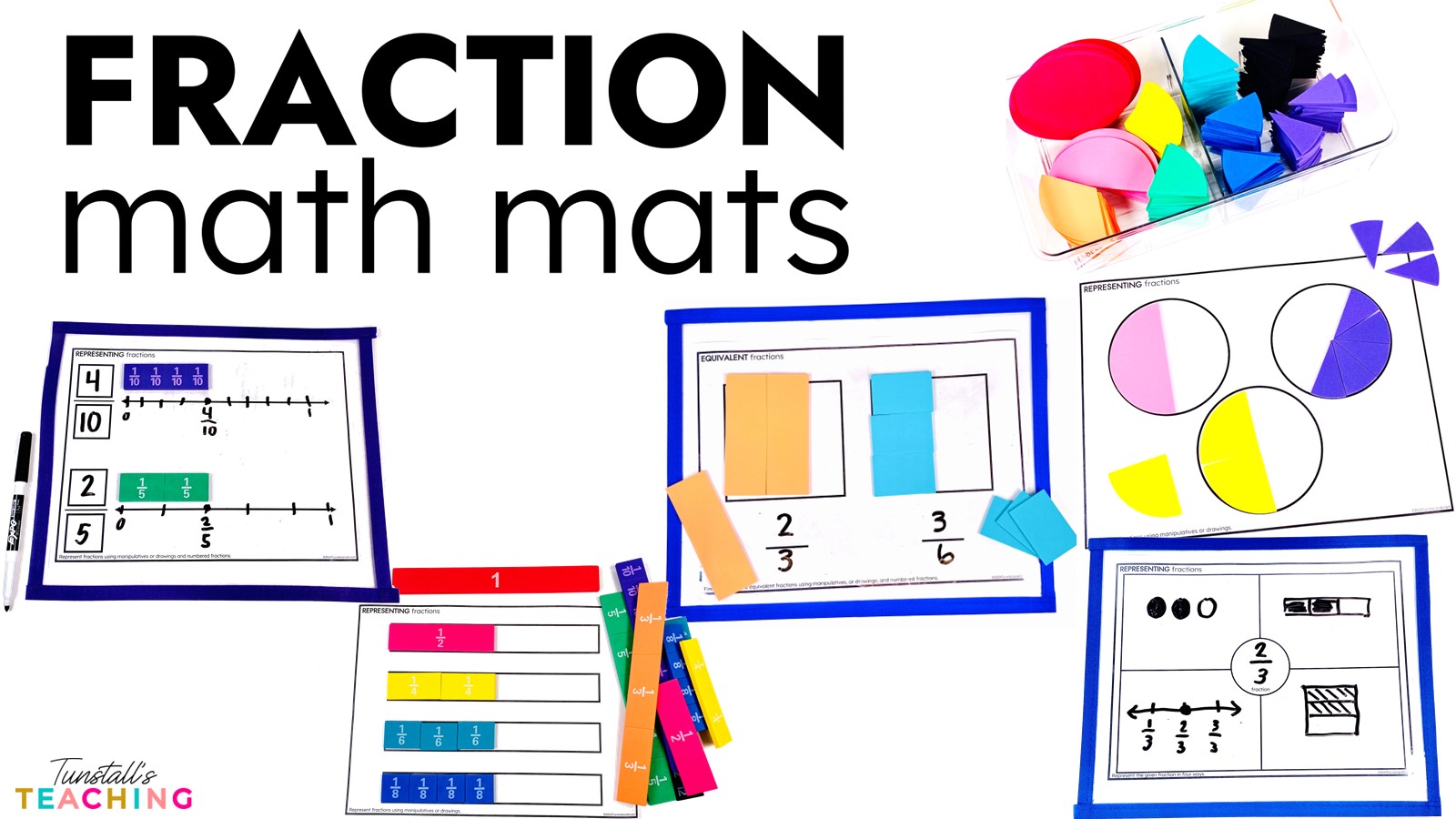
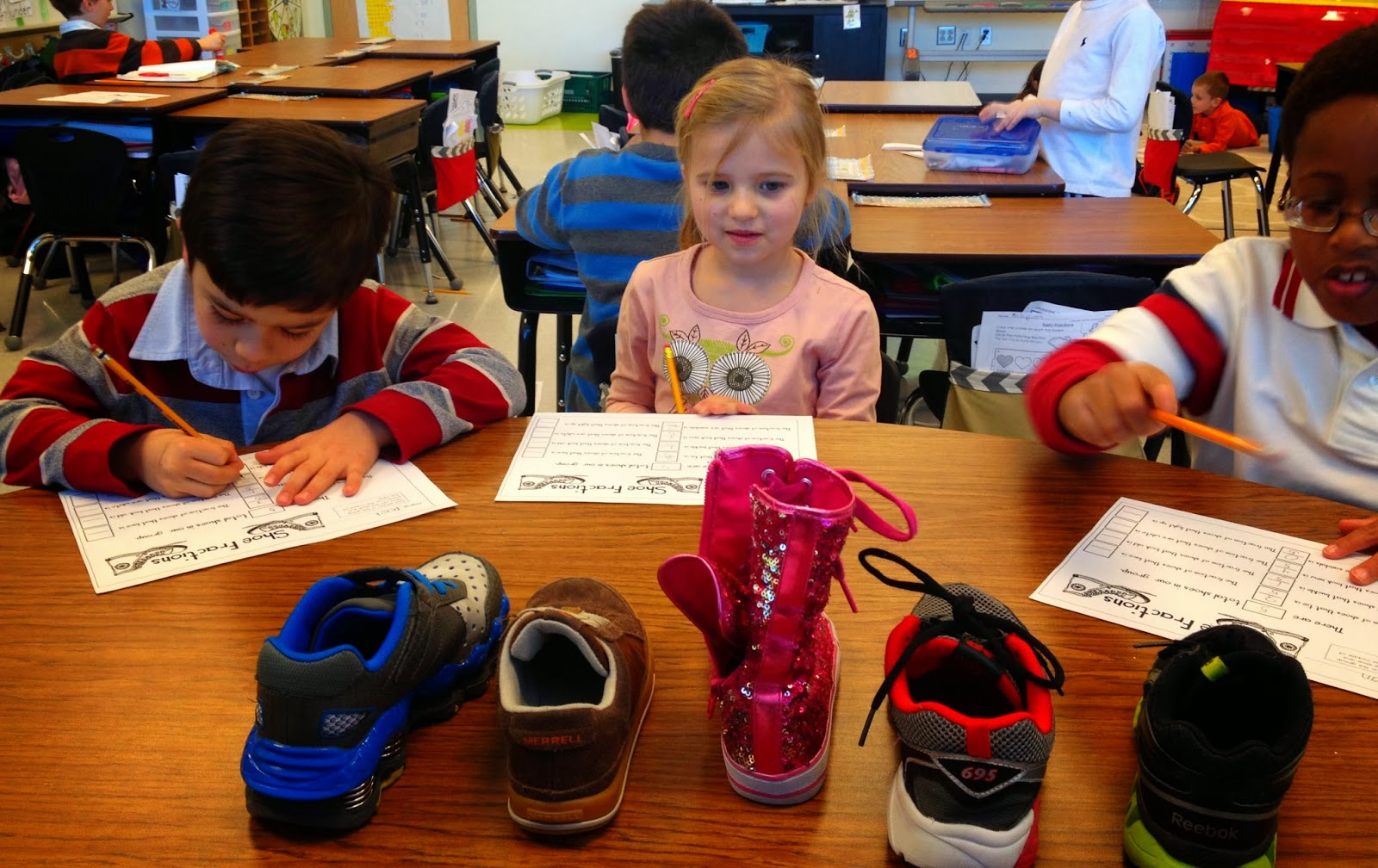
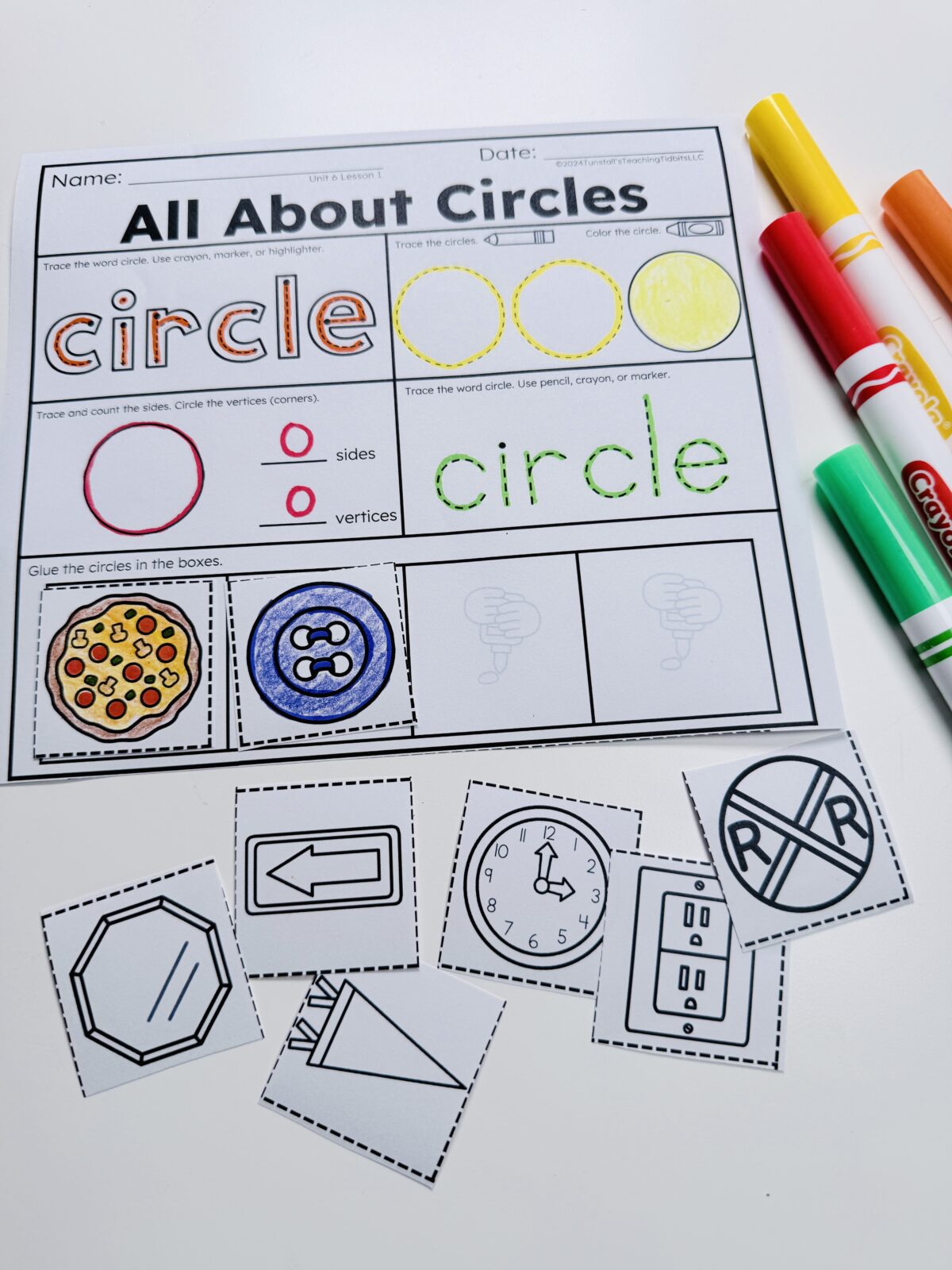
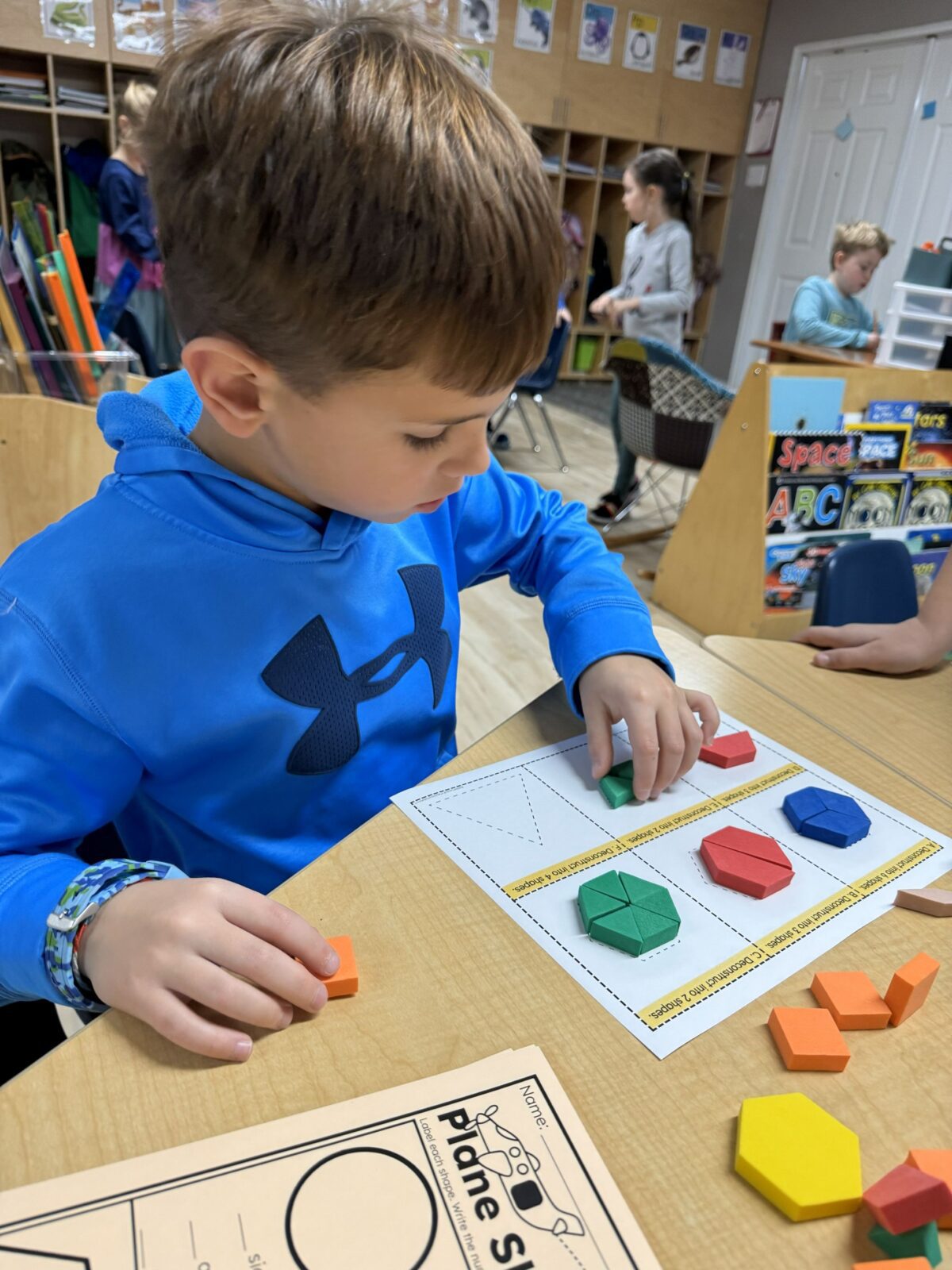
Hands-on workstations give students opportunities to explore geometry and fractions using manipulatives and visual models. These activities reinforce concepts introduced during whole group instruction and extended through small group math experiences.
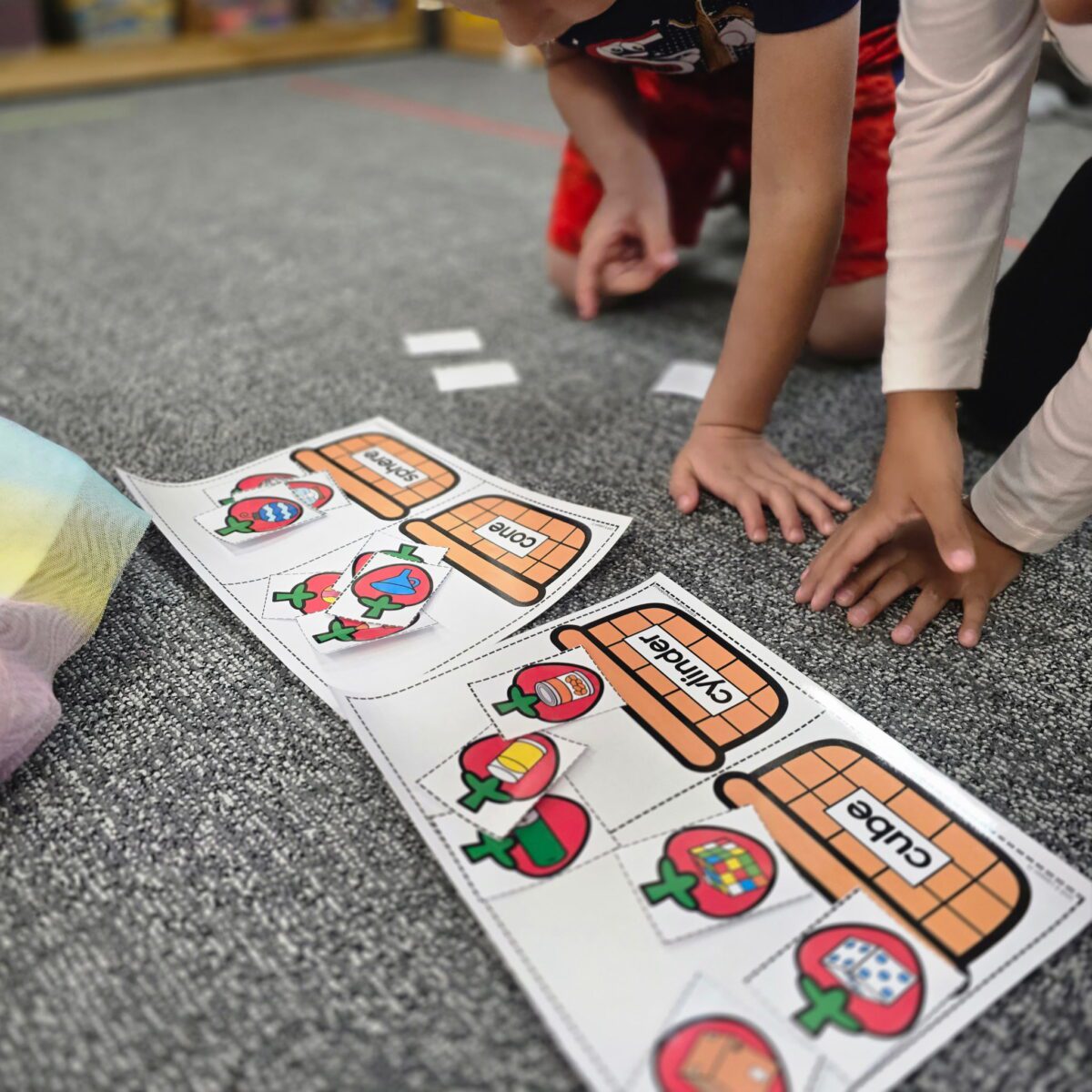
Hands-on learning builds understanding through movement, exploration, and discussion.
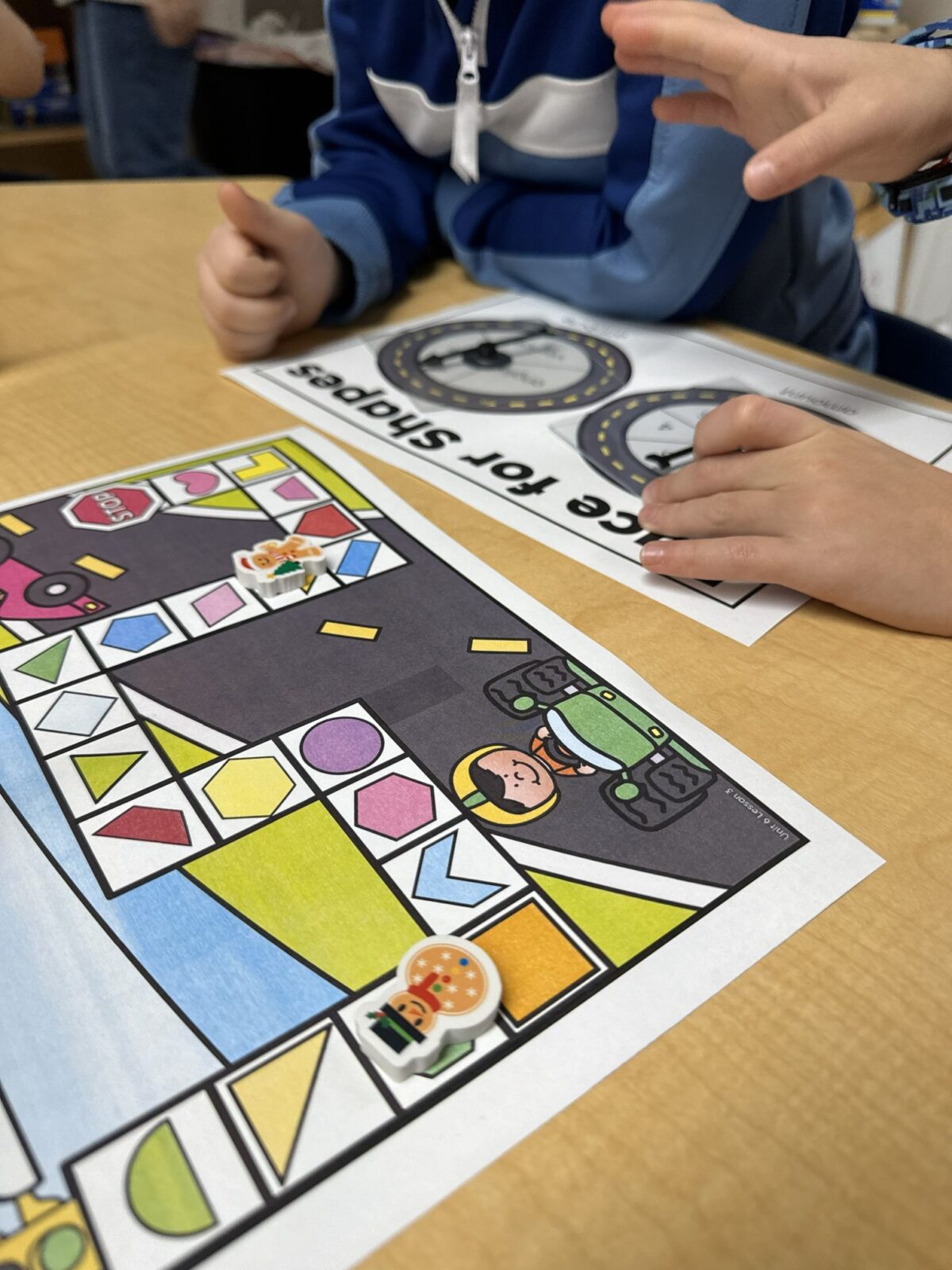
- Kindergarten Hands-On Workstations
- First Grade Hands-On Workstations
- Second Grade Hands-On Workstations
Math on Technology
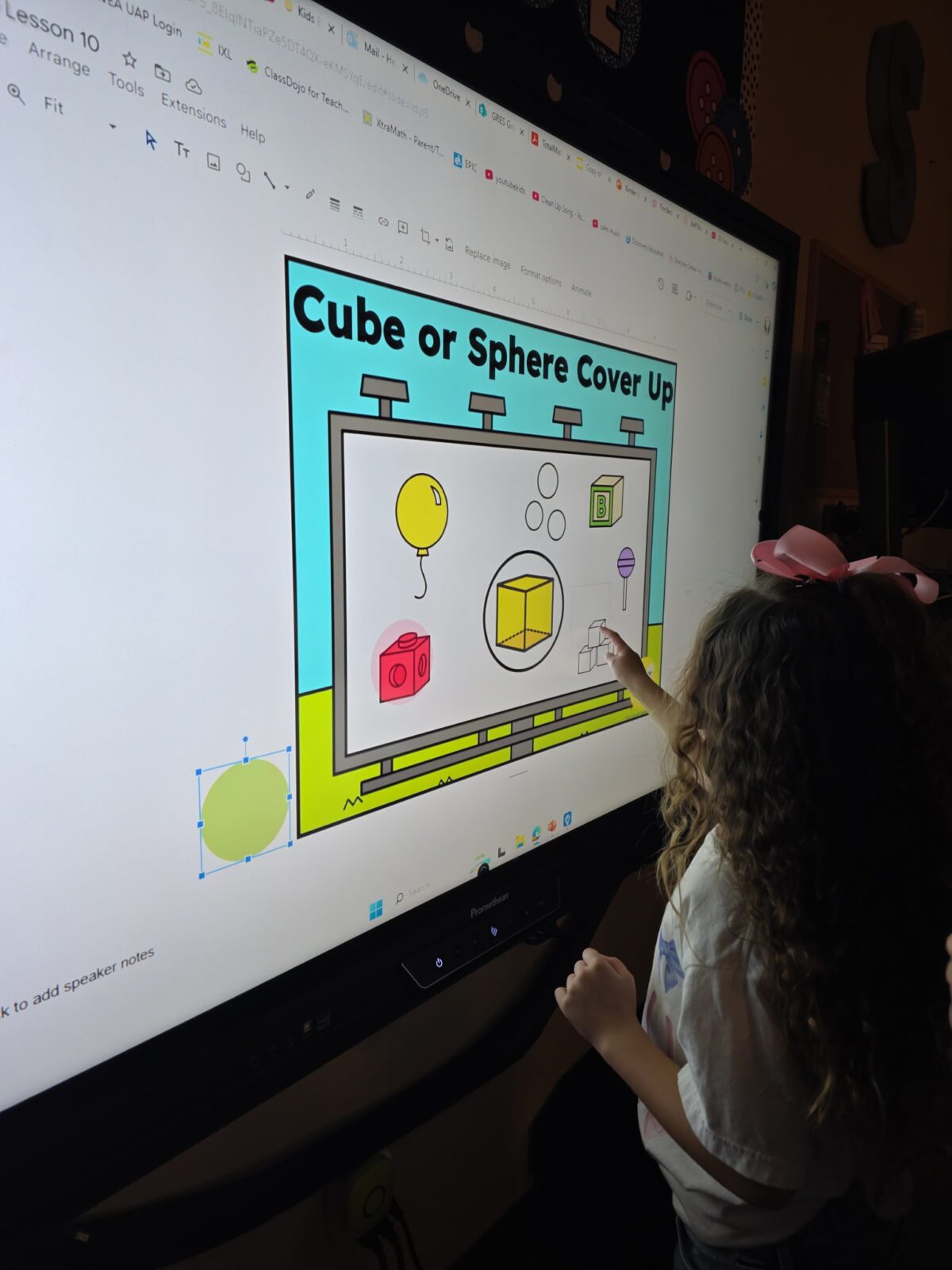
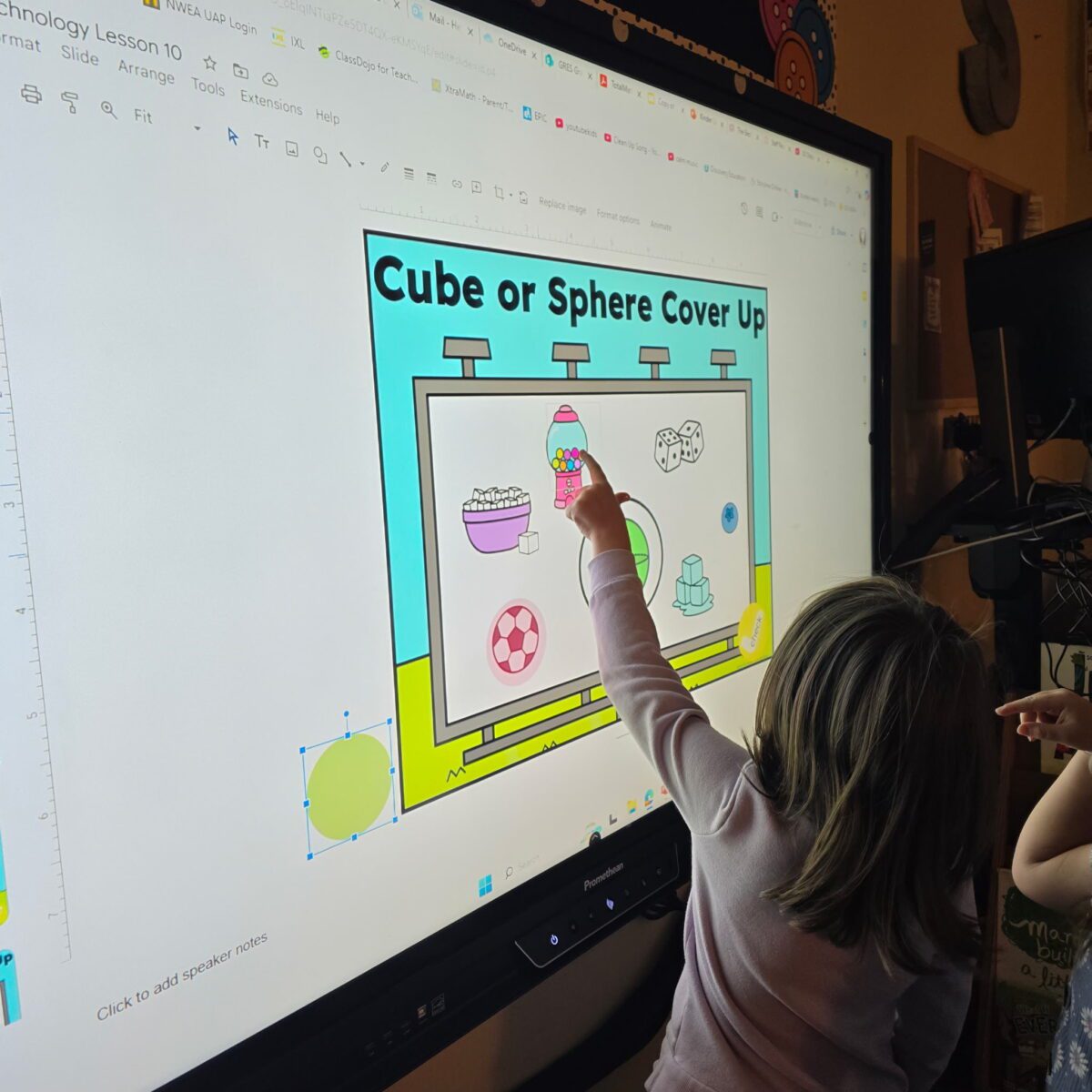
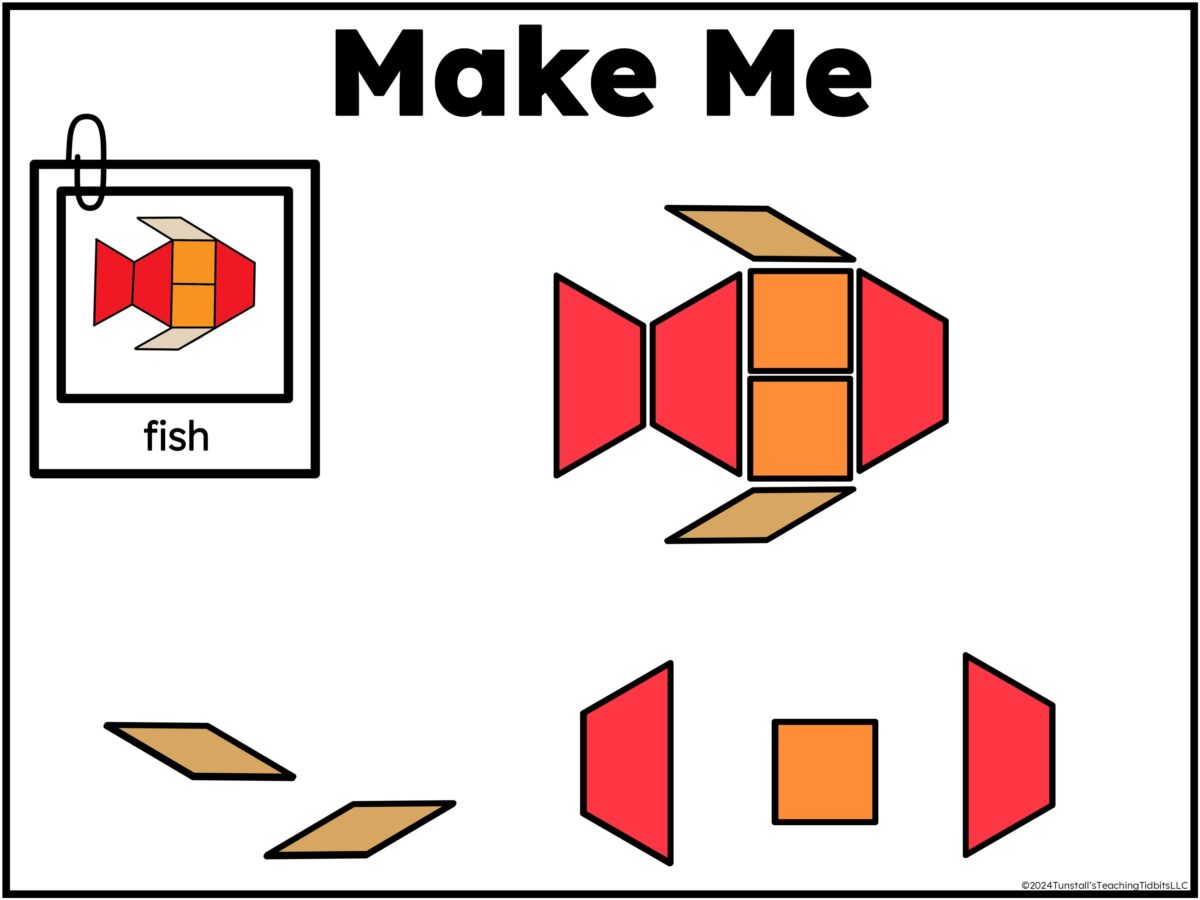
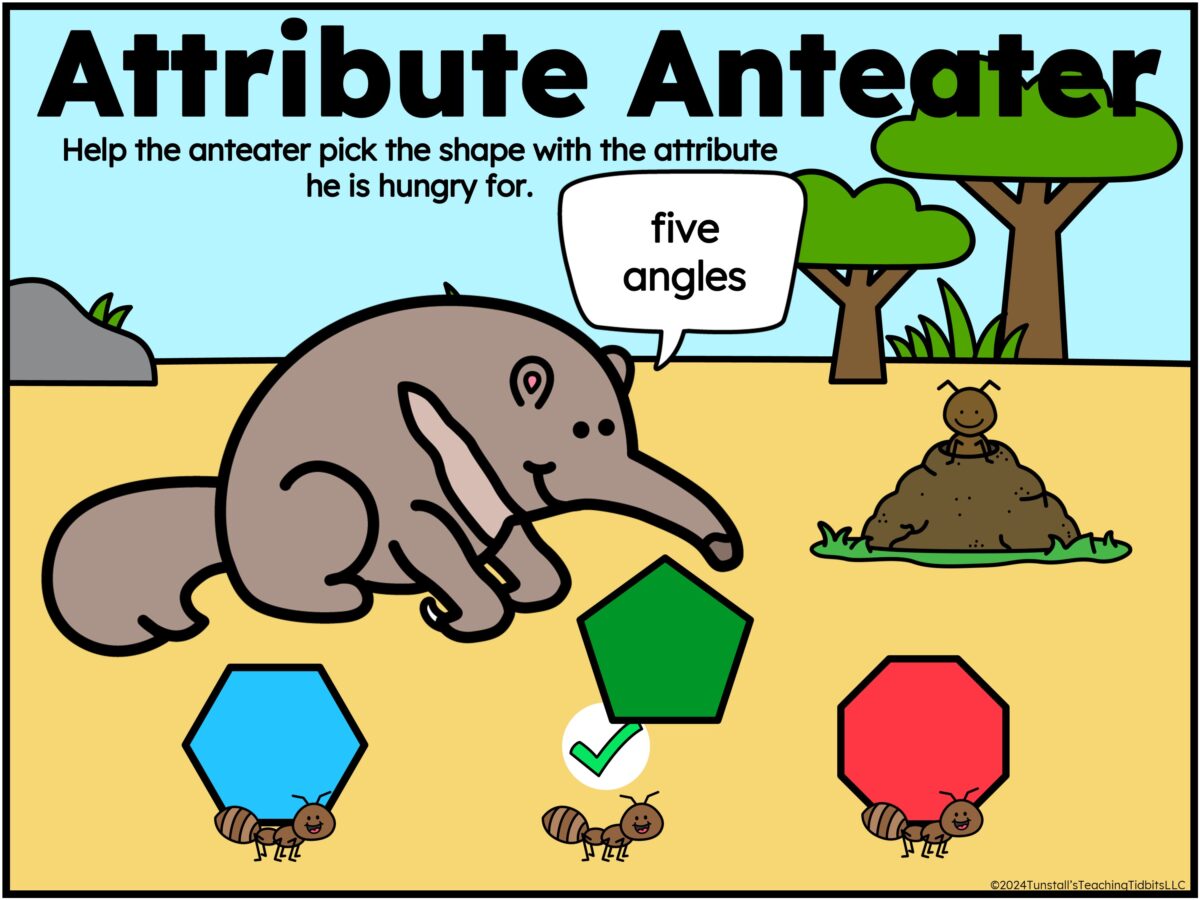
Technology stations provide interactive, self-checking practice aligned to daily lesson objectives. These Google Slides-ready activities offer immediate feedback and require no prep, making them a practical option for independent practice during math workshop time. That’s a year of no prep stations students beg to go for kindergarten, first grade, and second grade!
Learning Log Entry
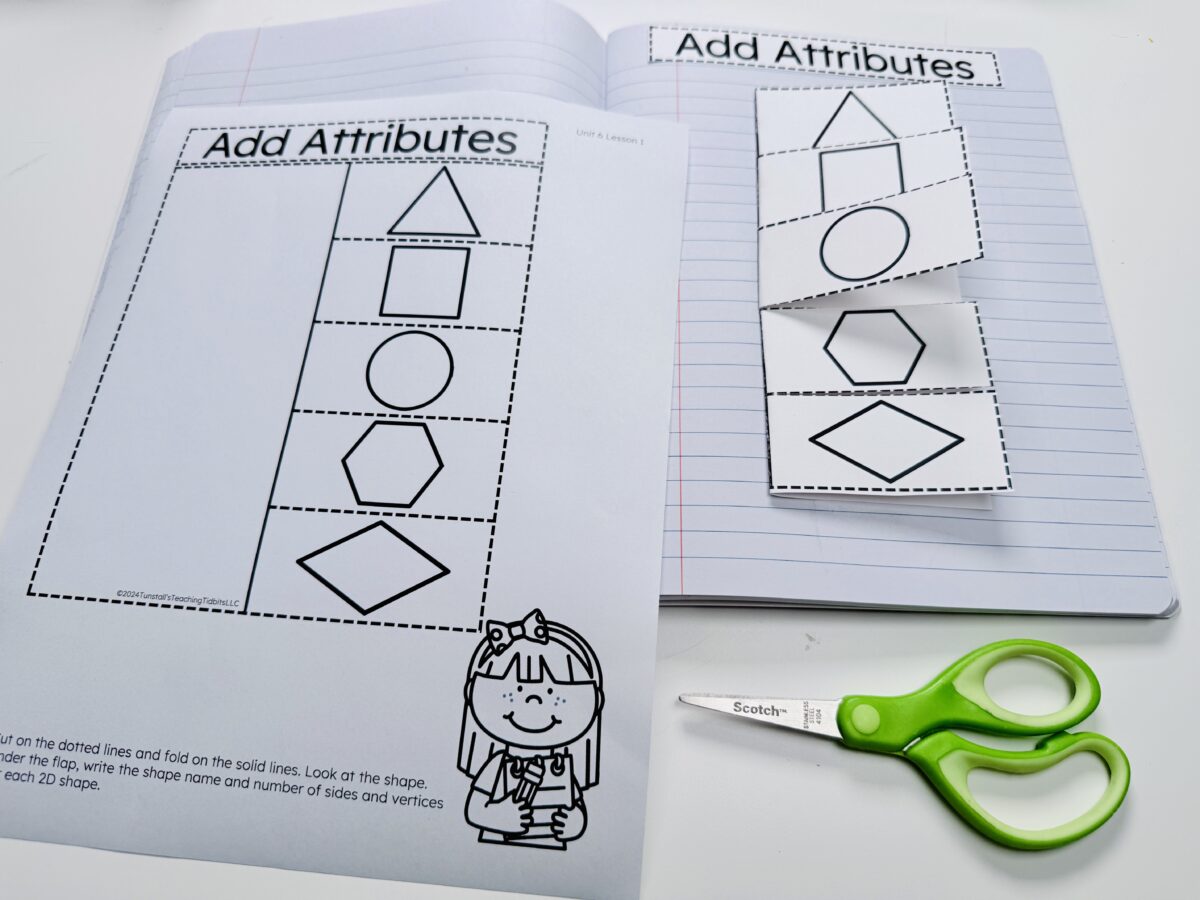
Learning Logs give students a personal record of their math thinking. Through drawing, writing, and representing ideas, students deepen understanding while strengthening fine motor and organizational skills. To go more in depth on learning logs be sure to visit this post.
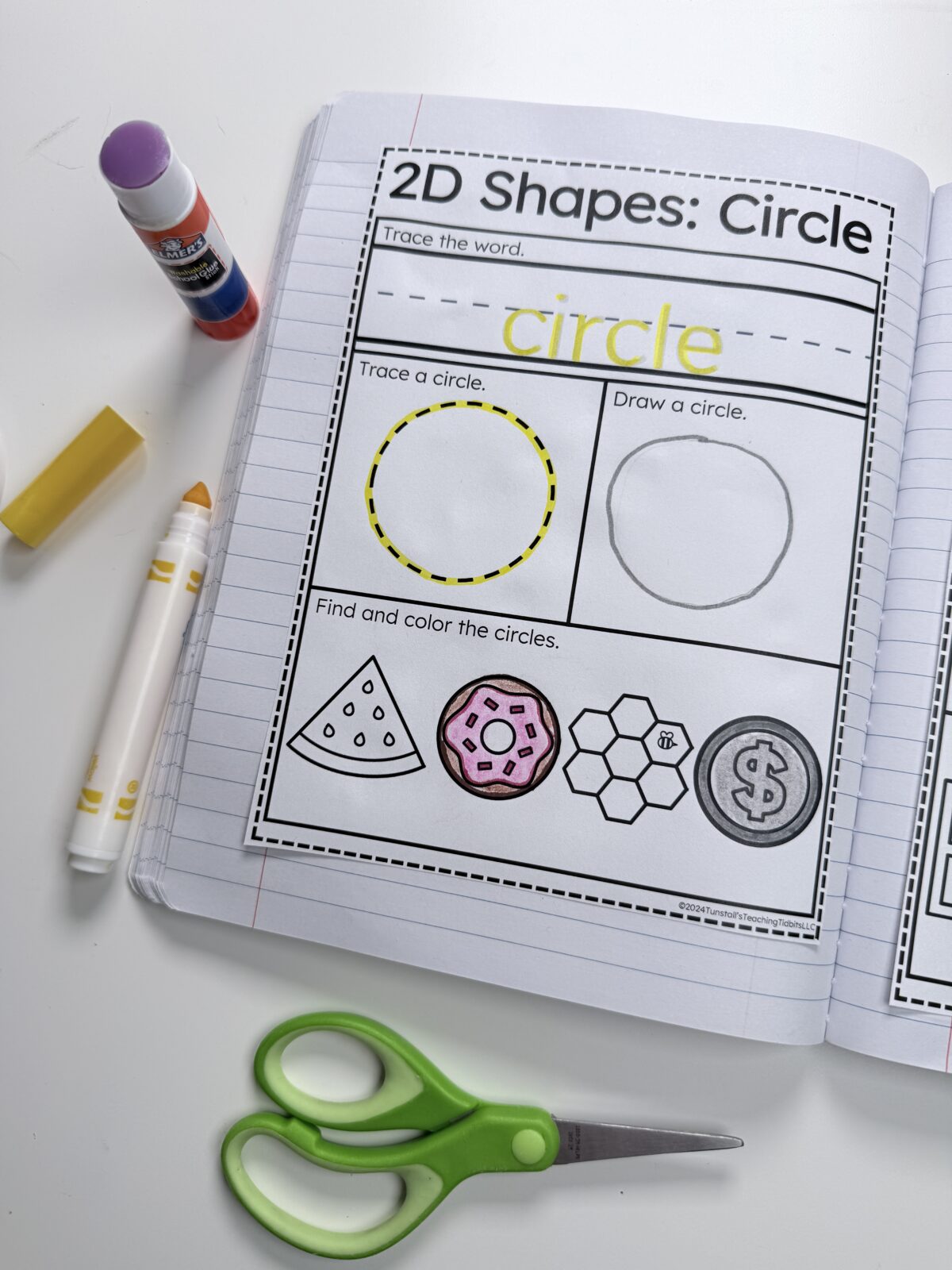
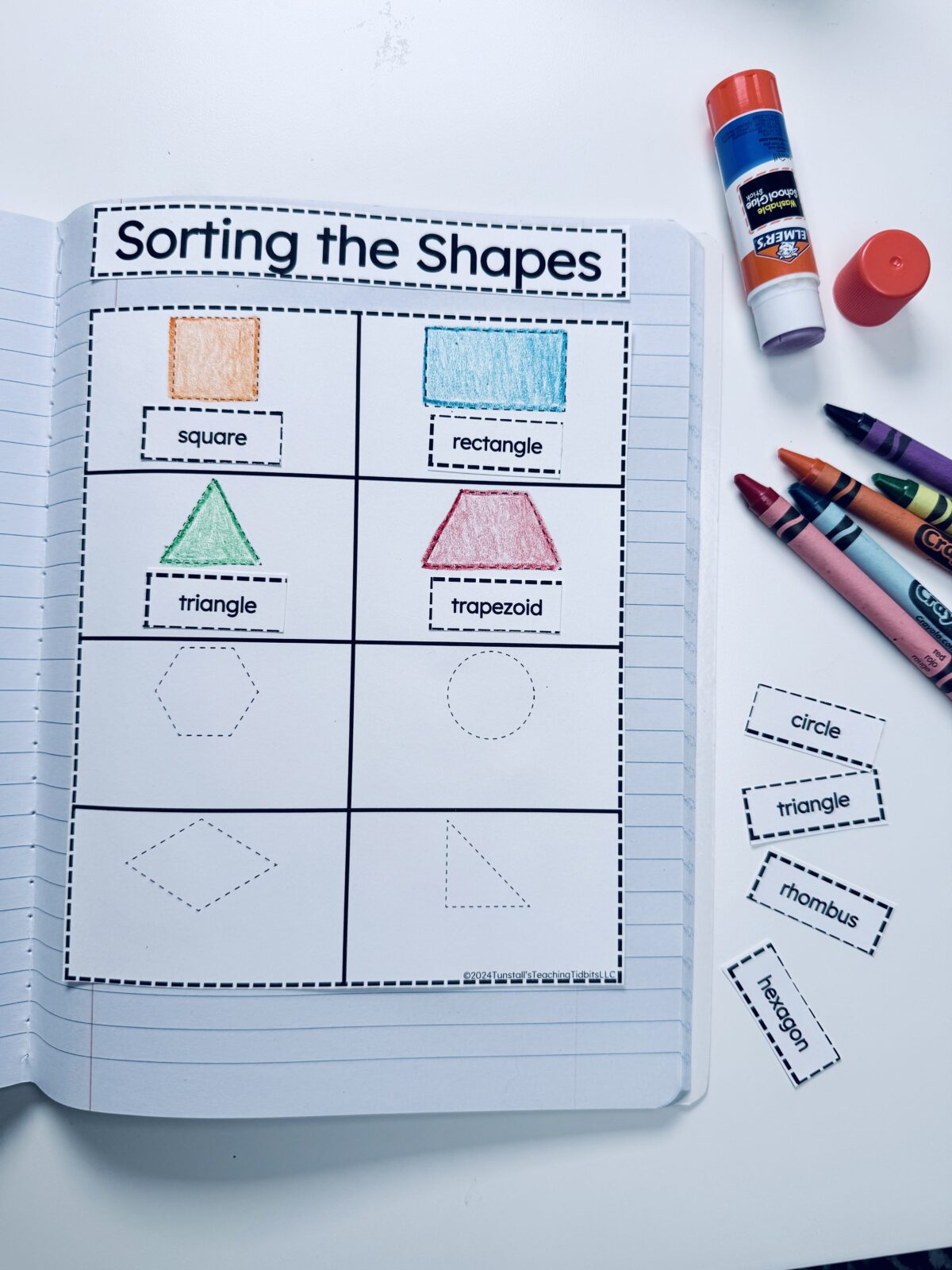
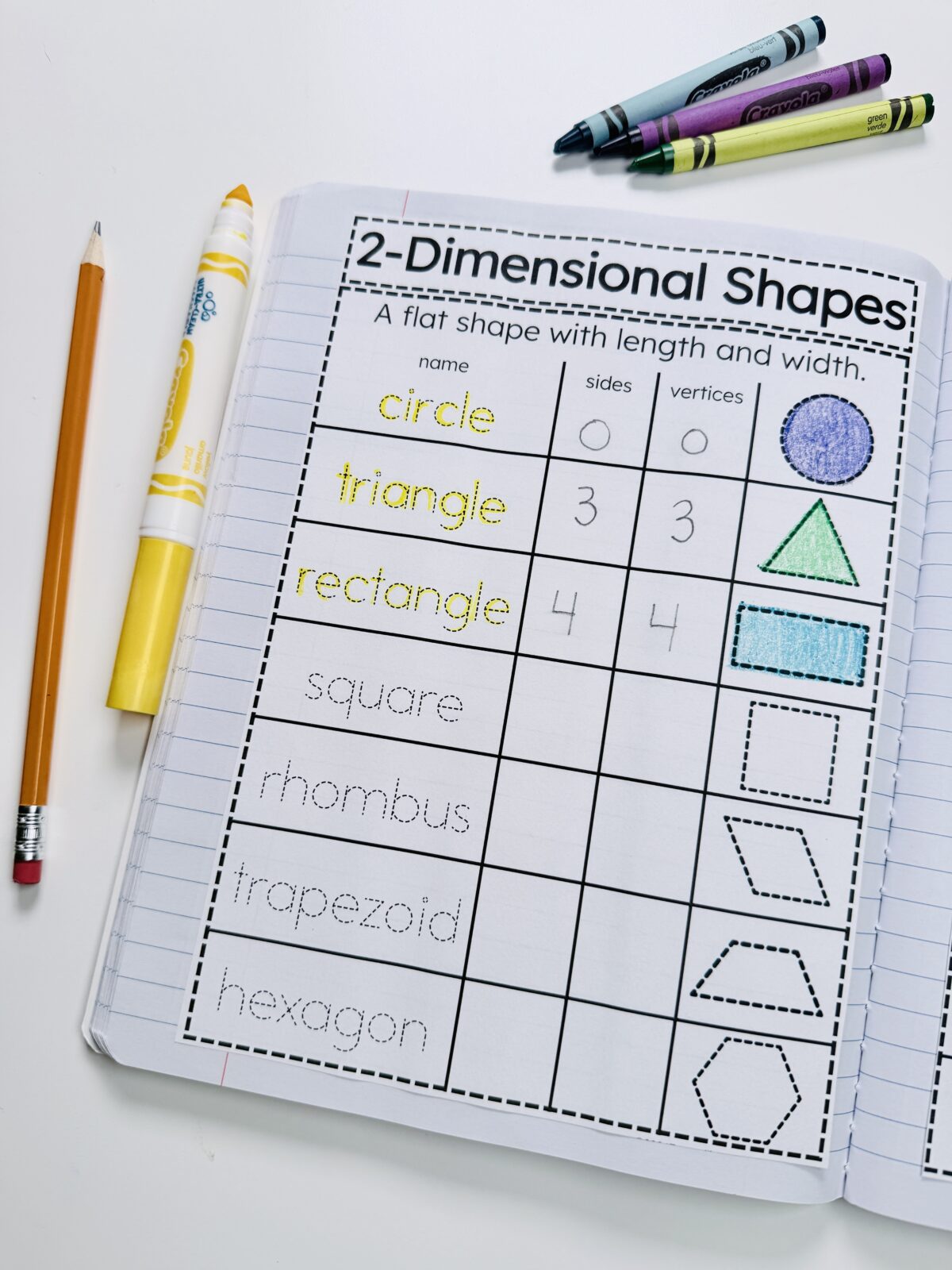
Learning logs support reflection and application following both whole group and small group instruction. Below you can see both the page that students take to their workstation, and then how it goes into their math learning log. Directions are always at the bottom of the page and all learning logs are set up to cut on only dotted lines.
Application Station
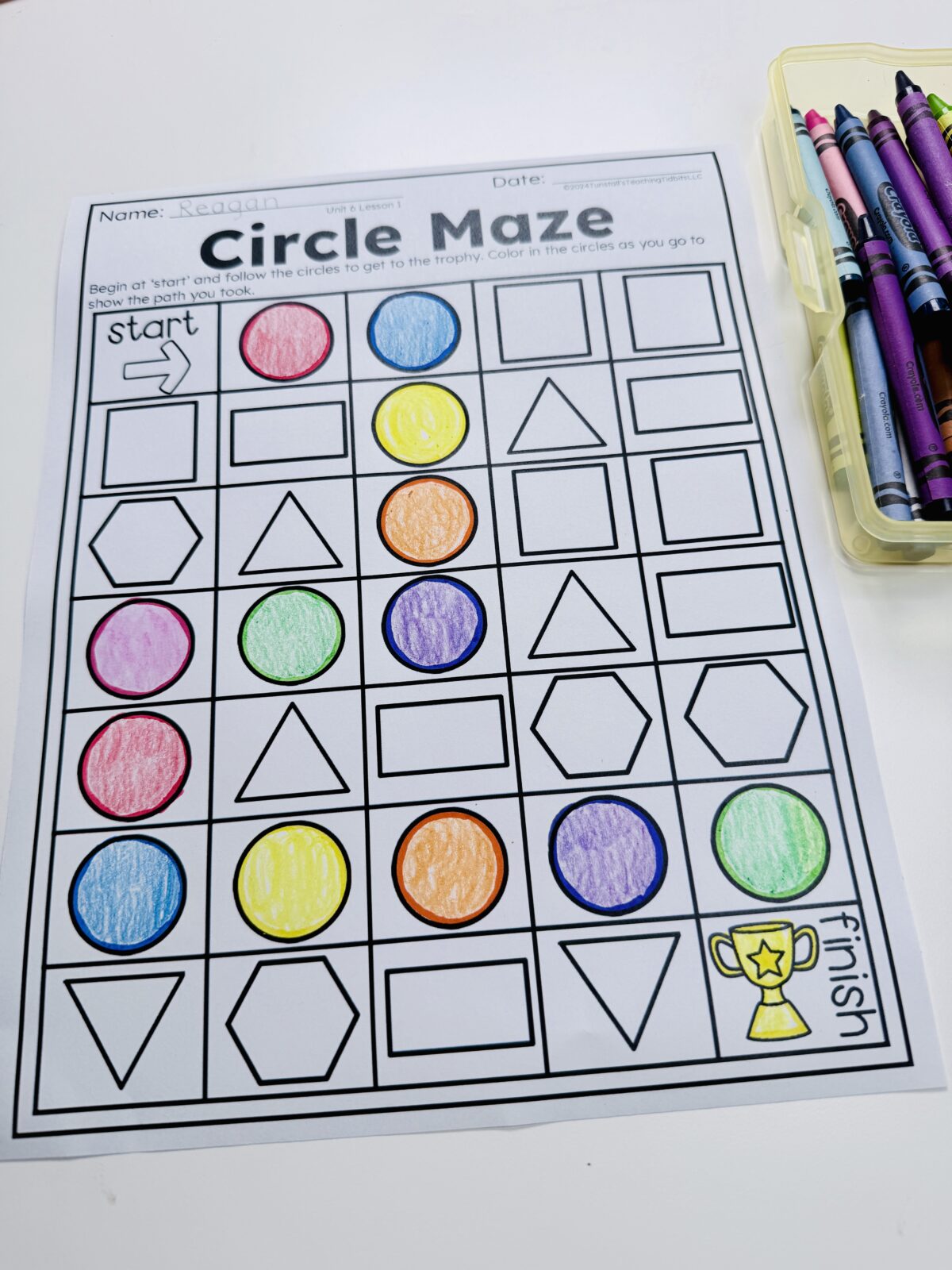
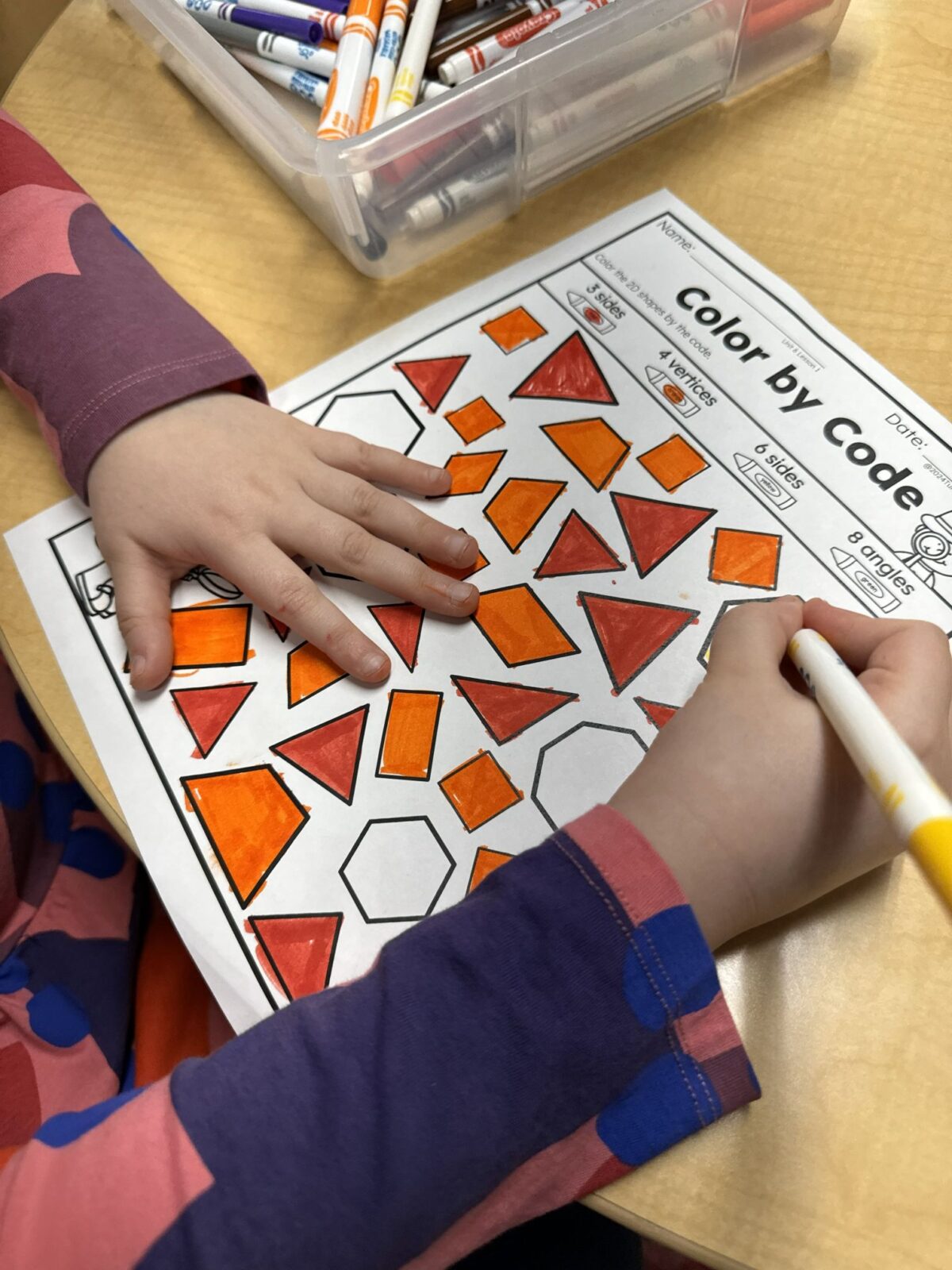
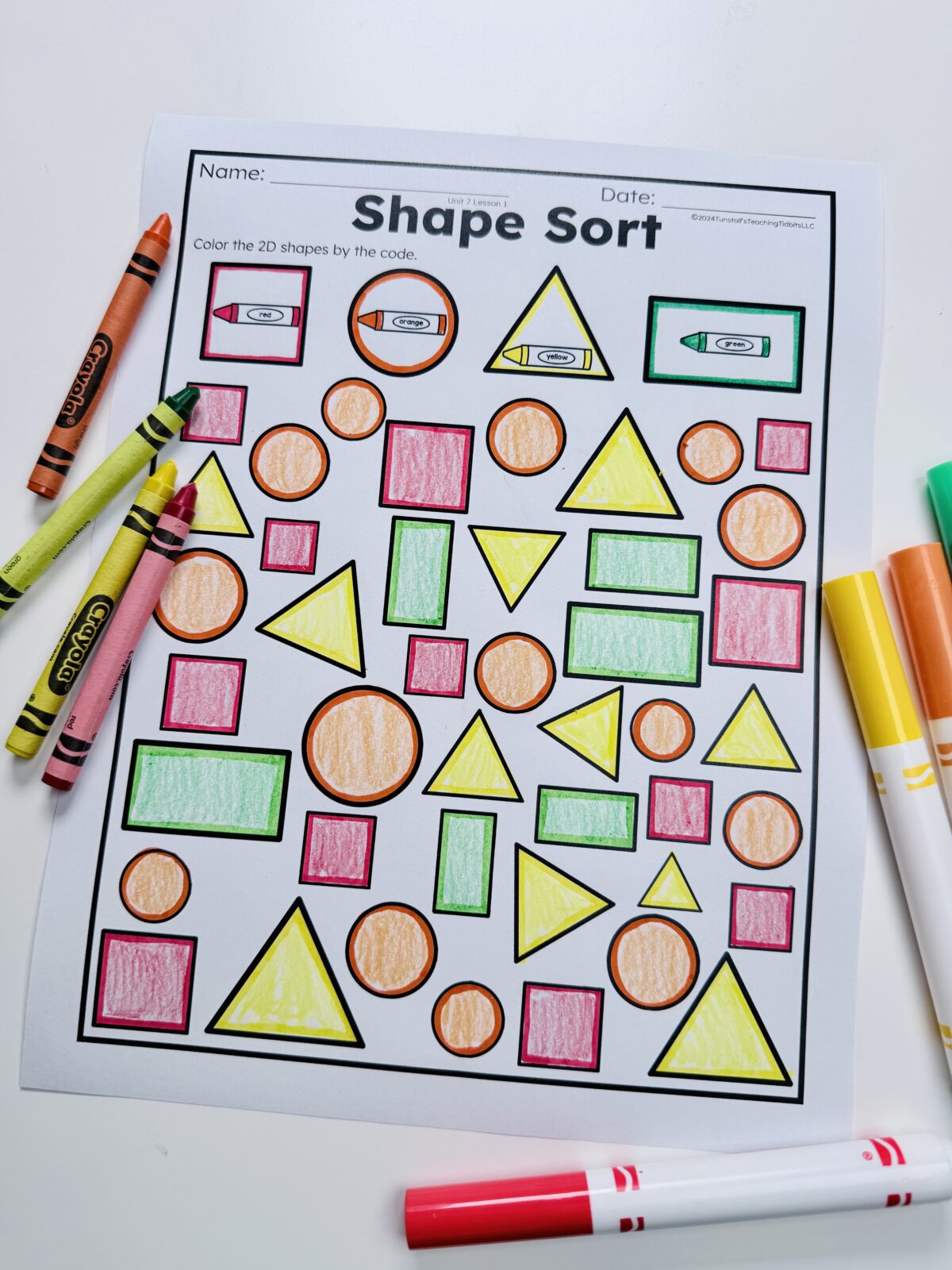
The Application Station is where students independently apply what they have learned. This station allows teachers to observe how students transfer understanding developed during whole group and small group learning into independent work. I love it because it is a consistent way to take a grade during workstations. There are 180 aligned skill pages for the year in the application station of Total Math. Talk about being organized for a year of math.
Reflection and Closure
Each lesson concludes with a reflection slide that helps students synthesize their learning. This intentional closure encourages math language, supports metacognition, and gives teachers valuable formative insight.
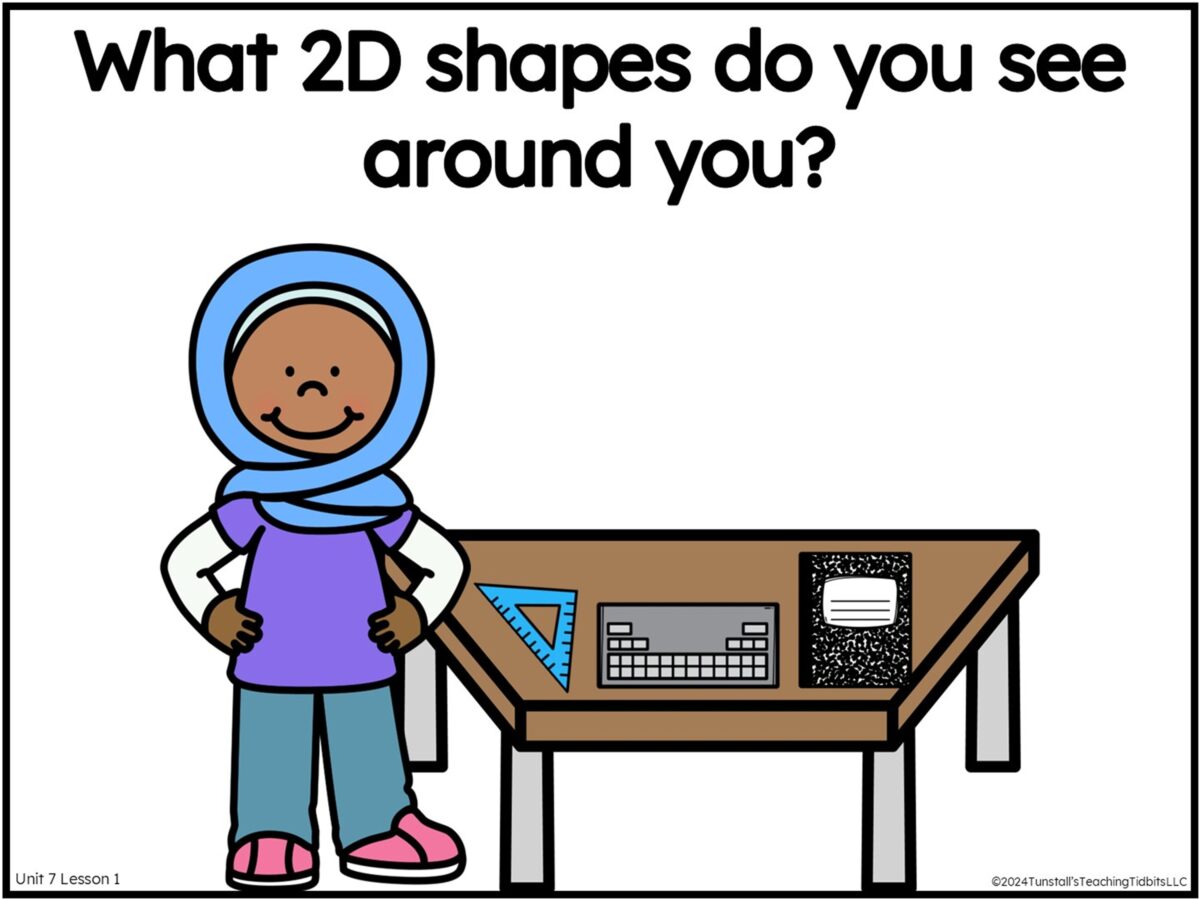
Reflection reinforces that math is about understanding, not just completing tasks.
Built to Support Any Curriculum
With frequent curriculum shifts and new adoptions, many teachers are looking for lesson structures that remain consistent year after year. In Texas, that may currently mean supporting districts implementing Bluebonnet Math, while in other states it may look different.
Total Math is a supportive instructional framework designed to work alongside any adopted program or to provide a full year of math instruction. The lesson components align with research-based instructional practices found across standards and curriculum models, including TEKS, Common Core, Virginia SOLs, and other state frameworks.
The three units below provide everything we discussed in this post for each grade level.
Teachers can use Total Math to bring clarity, consistency, and structure to their math block while continuing to follow district pacing and resources.
Geometry and Fractions Try a Free Lesson
Below, you can find all the components in this post free in one download for your grade level. We believe in supporting the teacher and making math as engaging to teach as it is to learn.
Kindergarten Shapes
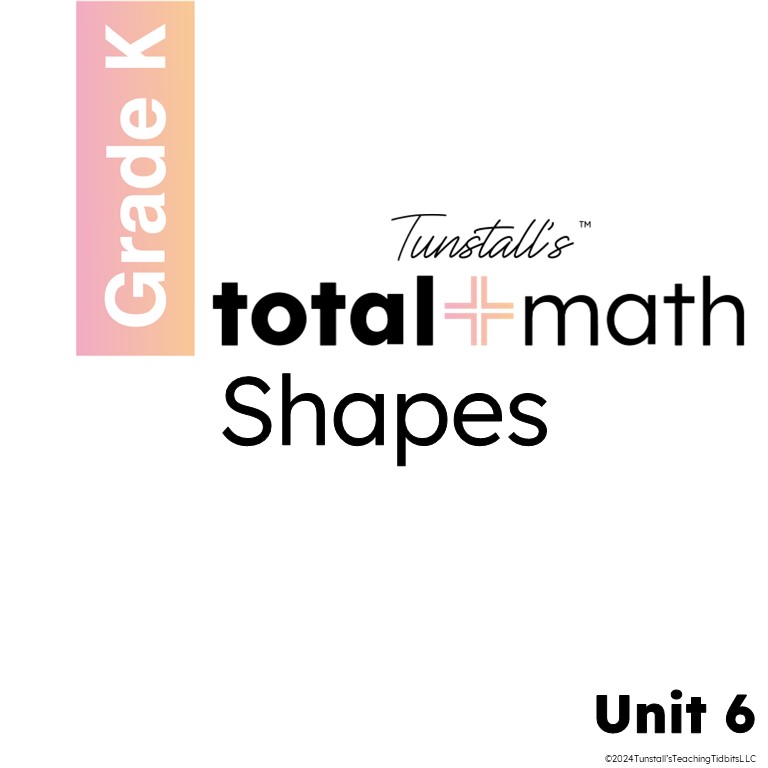
Kindergarten geometry focuses on identifying, describing, and comparing 2D and 3D shapes. Students explore attributes, positional language, and real-world connections through hands-on learning and guided small group instruction. To sample all the components we learned about today, download this free kindergarten shapes lesson.
First Grade Geometry and Fractions
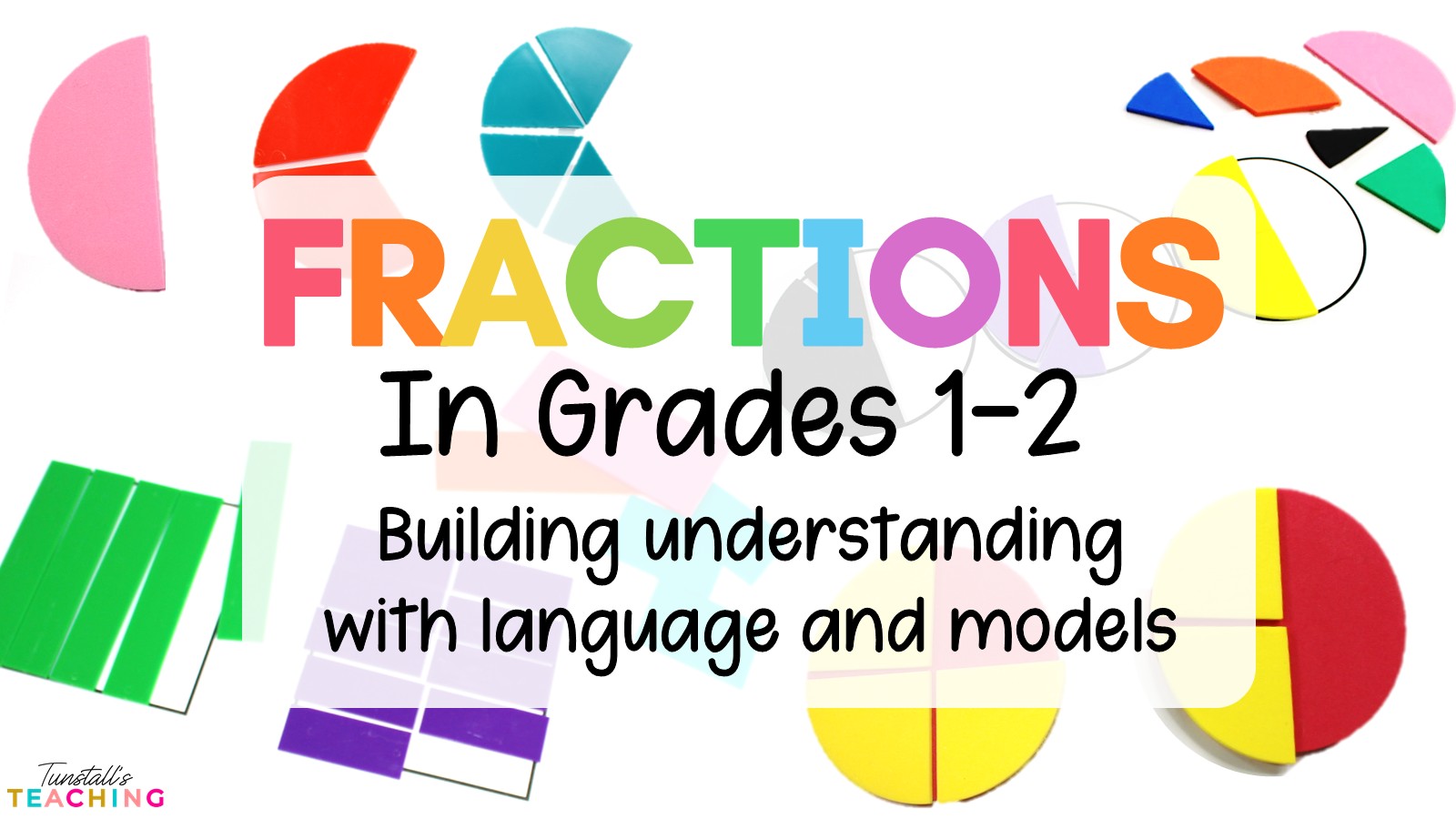
First grade builds on shape knowledge while introducing early fraction concepts. Students explore equal parts, compose shapes, and describe attributes using consistent whole group and small group routines. To sample all the components we learned about today, download this free first grade geometry lesson.
Second Grade Geometry and Fractions
Second grade deepens understanding with greater emphasis on reasoning, precision, and application. Students analyze attributes, partition shapes, and apply strategies across whole group, small group math, and independent practice. To sample all the components we learned about today, download this free second grade geometry lesson.
A Final Word About Total Math Lessons
Every Total Math lesson includes all of these components, but teachers remain in control. You decide what works best for your students, your schedule, and your classroom. The goal is not to do everything every day. The goal is effective, meaningful math instruction that supports student understanding.
Whether your math block includes whole group instruction, small group learning, or a combination of both, the Total Math framework adapts to your classroom needs.
When geometry and fractions are taught with intention, structure, and flexibility, students thrive and teachers regain confidence in their math block.