 Contact
Beginning of Year Math Assessments for K to 5
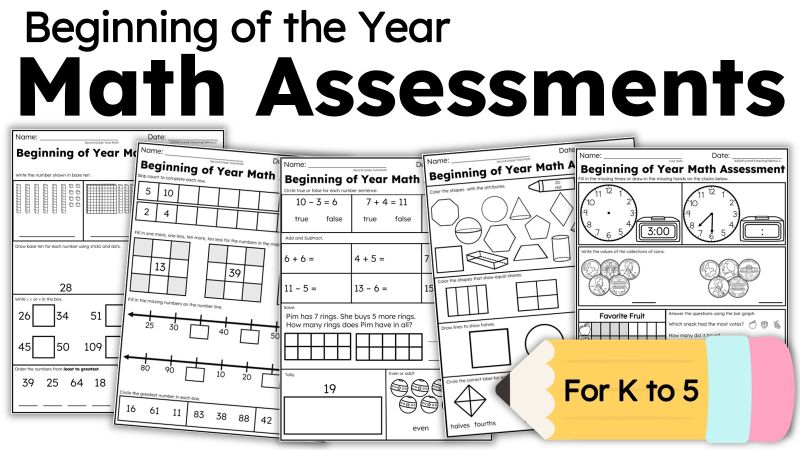
To plan meaningful math instruction, we need to know where students are starting. Beginning of year math assessments give teachers a clear way to identify student strengths, notice prerequisite skill gaps, and make informed decisions for whole group lessons, small groups, intervention, and enrichment.
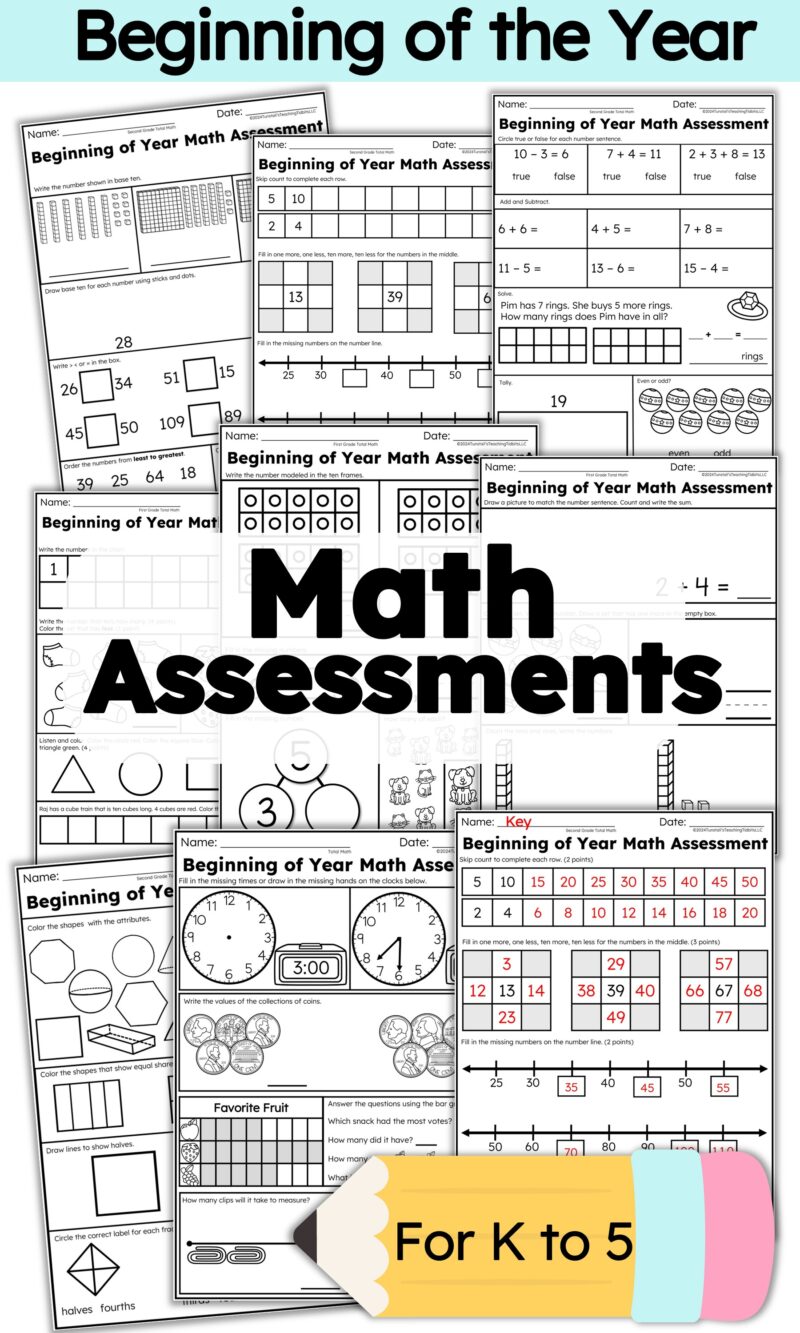
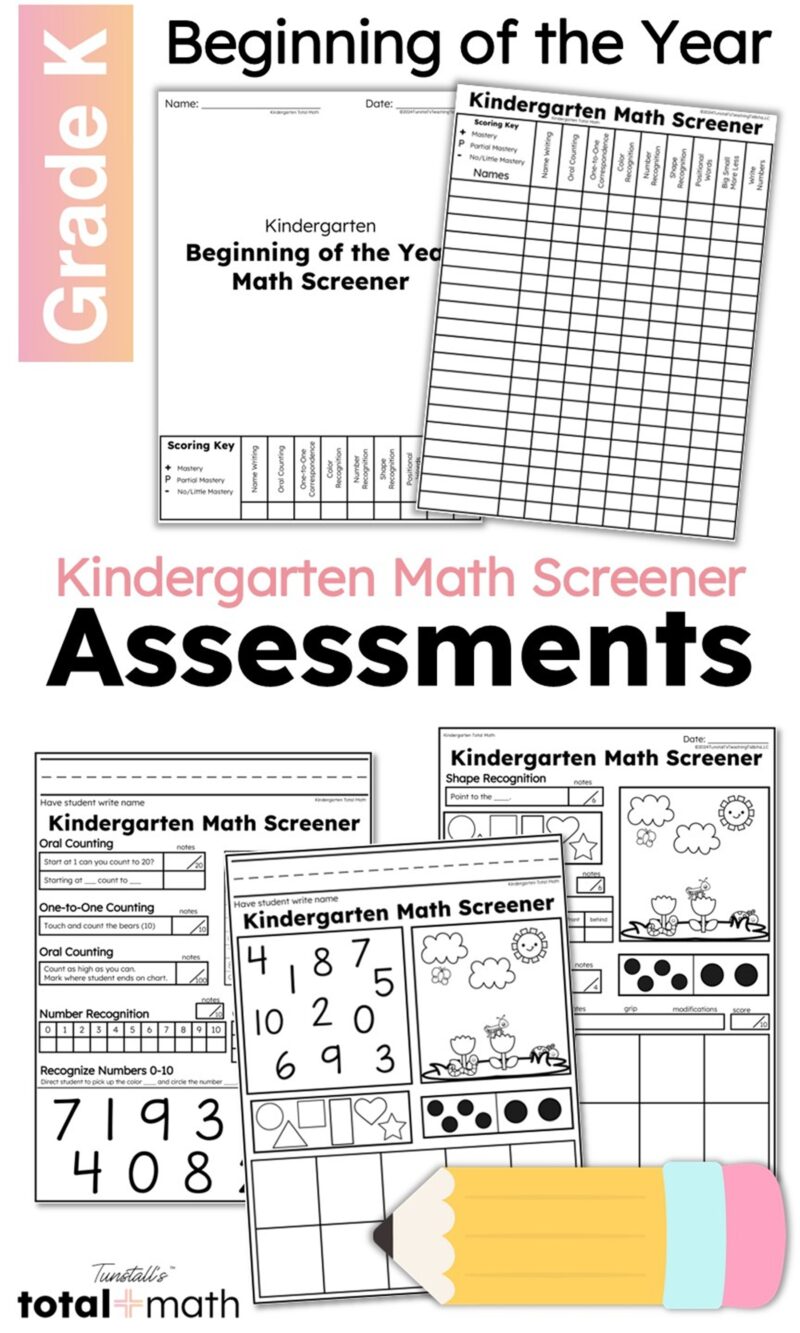
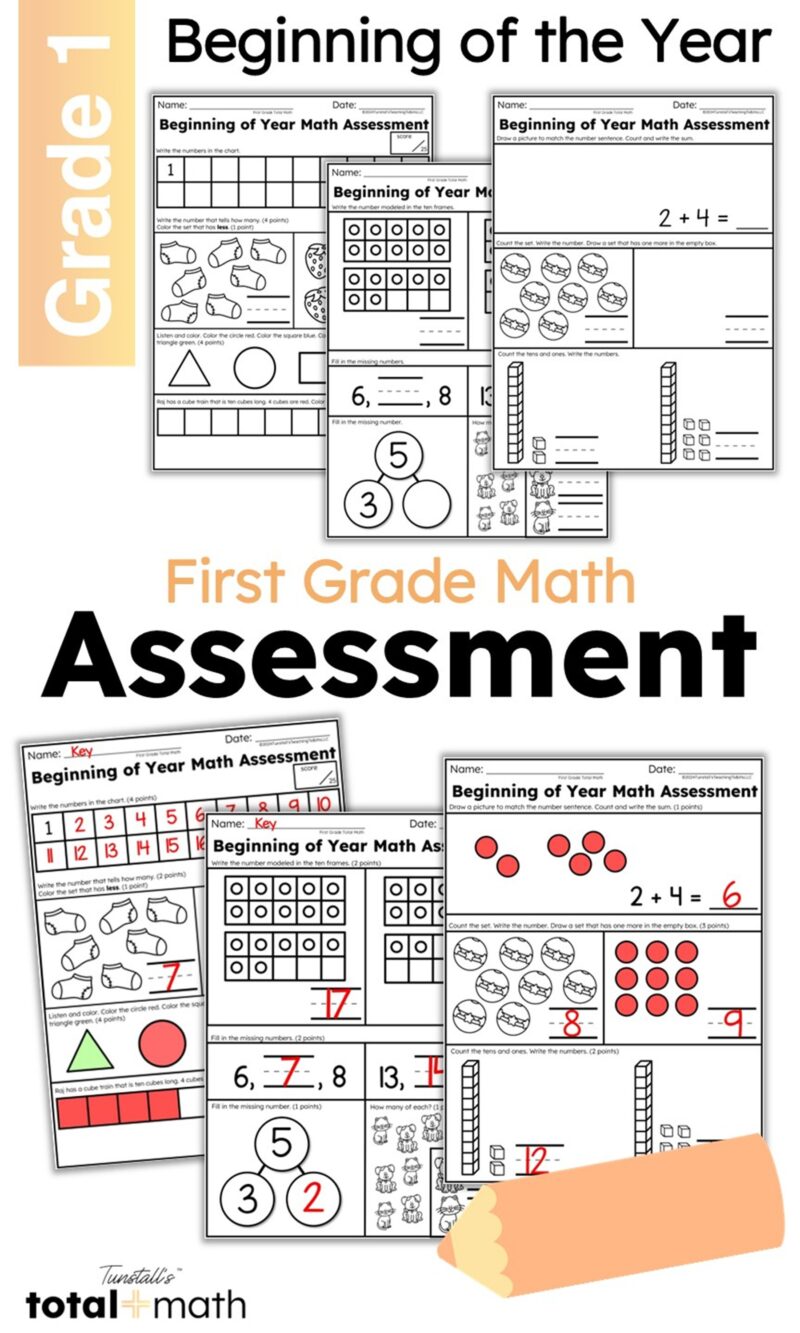
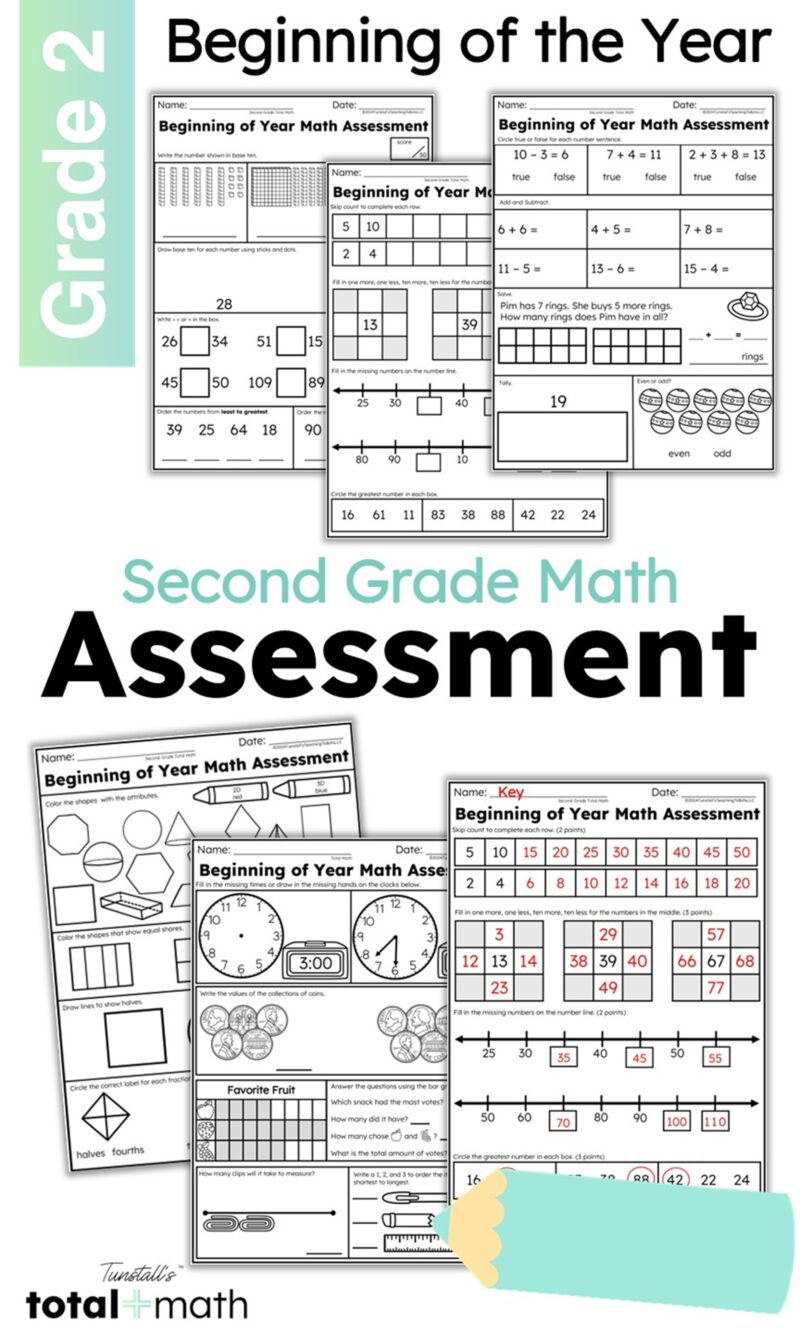
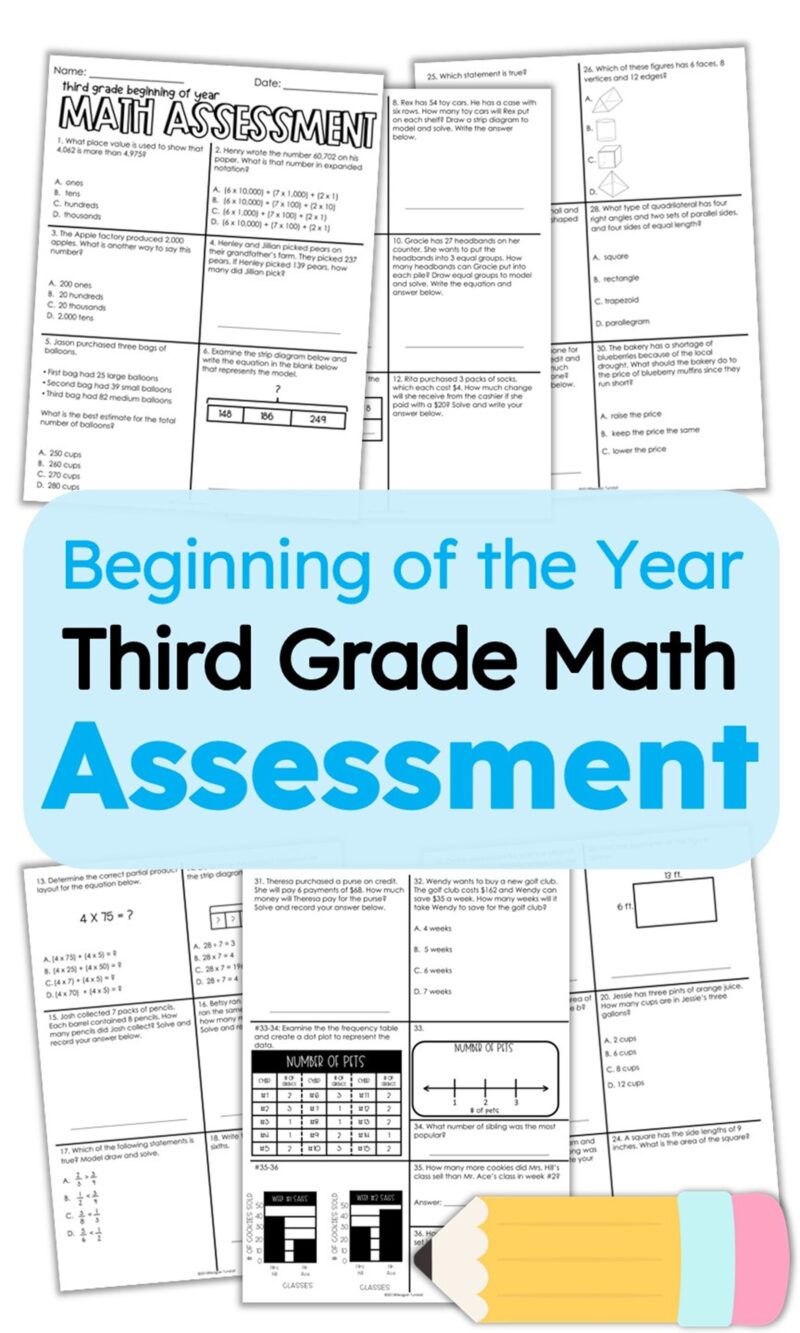
Choose Your Beginning of the Year Math Assessment
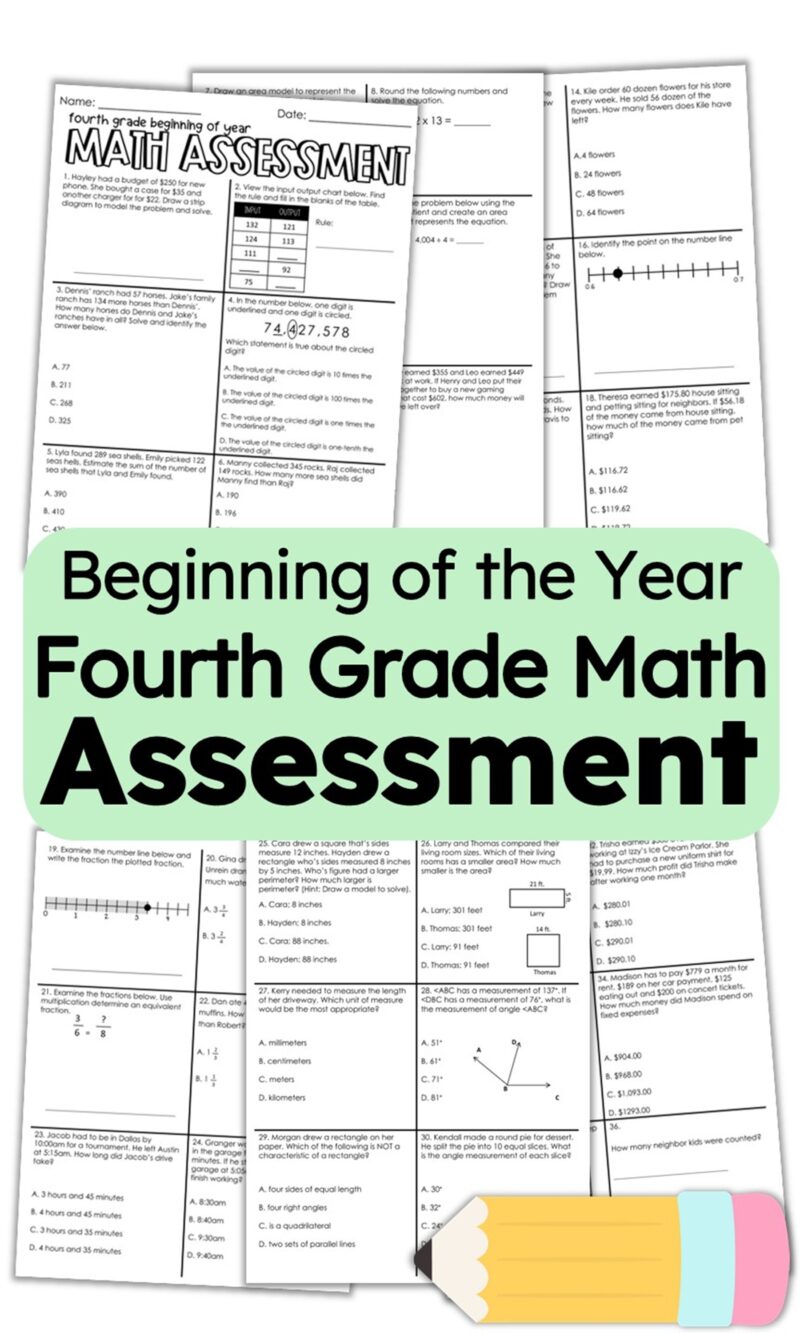
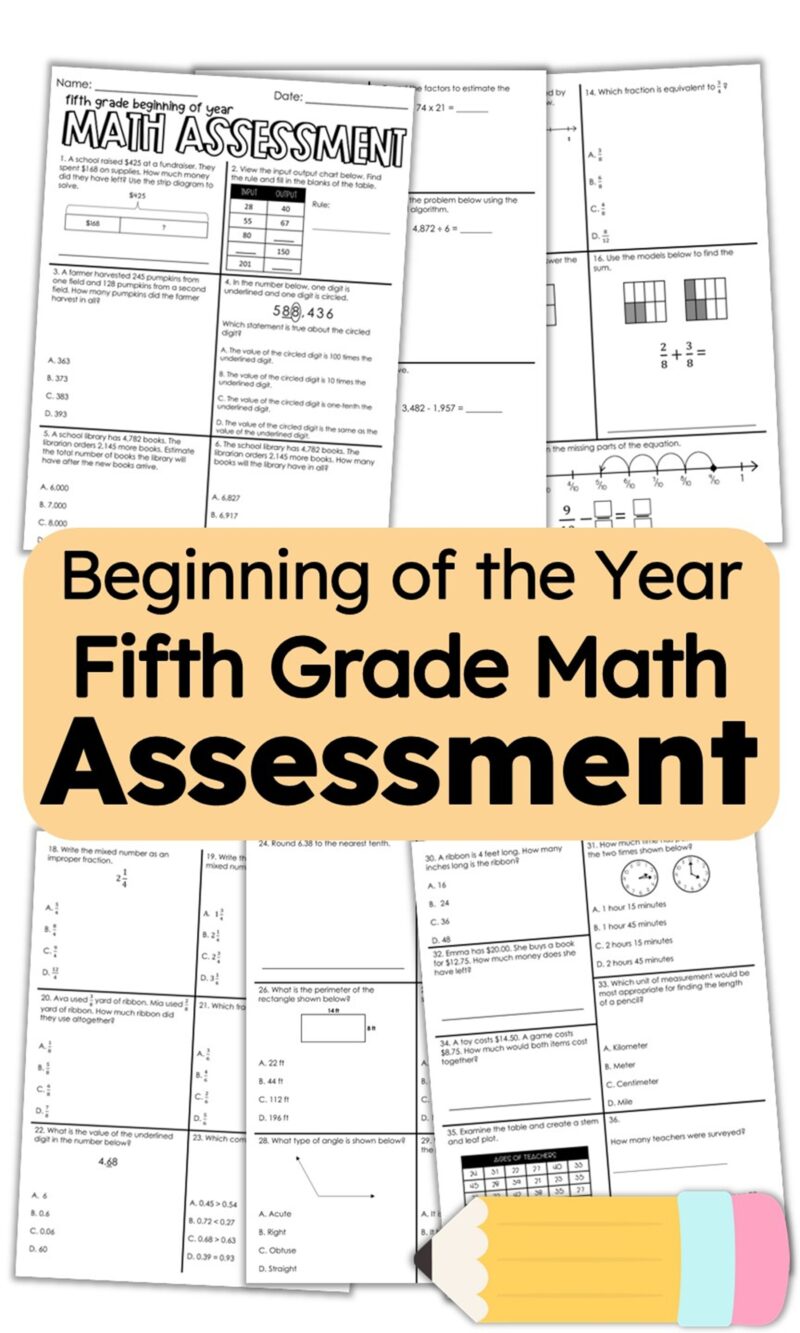
Each grade level has its own beginning of the year math assessment so you can quickly gather information about students’ current understanding and plan your first weeks of instruction with confidence. Choose the grade level you need below.
How to Use the Data
After students complete the assessment, look for patterns.
You do not need to plan a separate lesson for every missed problem. Instead, sort the information into instructional next steps.
Ask yourself:
- Which skills are most students ready for?
- Which skills need a quick whole group review?
- Which skills need small group reteaching?
- Which students need more support?
- Which students are ready for enrichment?
- Which skills will matter most for the next math unit?
This keeps the data practical and manageable.
From Assessment to Instruction
Beginning of year math assessments are most powerful when they connect directly to instruction.
Once you know where students are starting, you can use the data to plan:
- Math warm ups
- Small group lessons
- Review stations
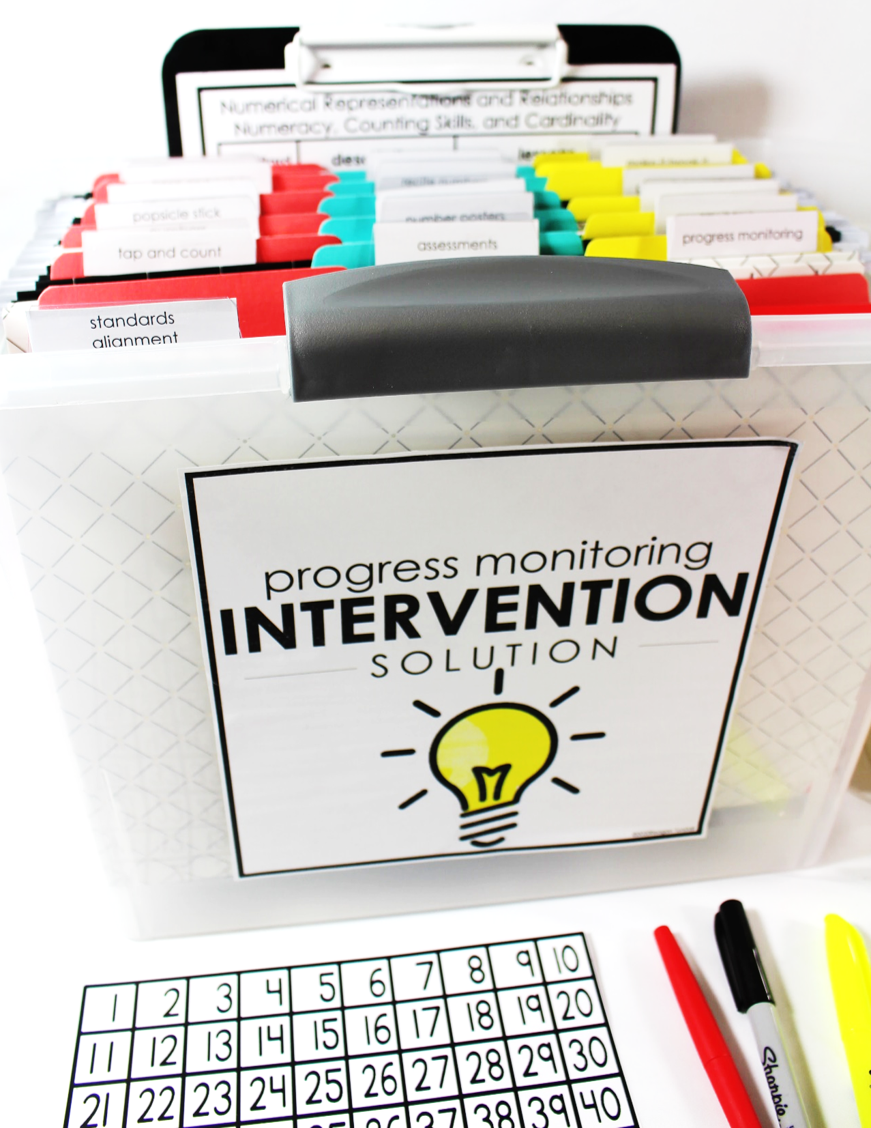
- Intervention groups
- Partner practice
- Enrichment tasks
- Progress monitoring
This is also why these assessments connect so well with Total Math and Guided Math.
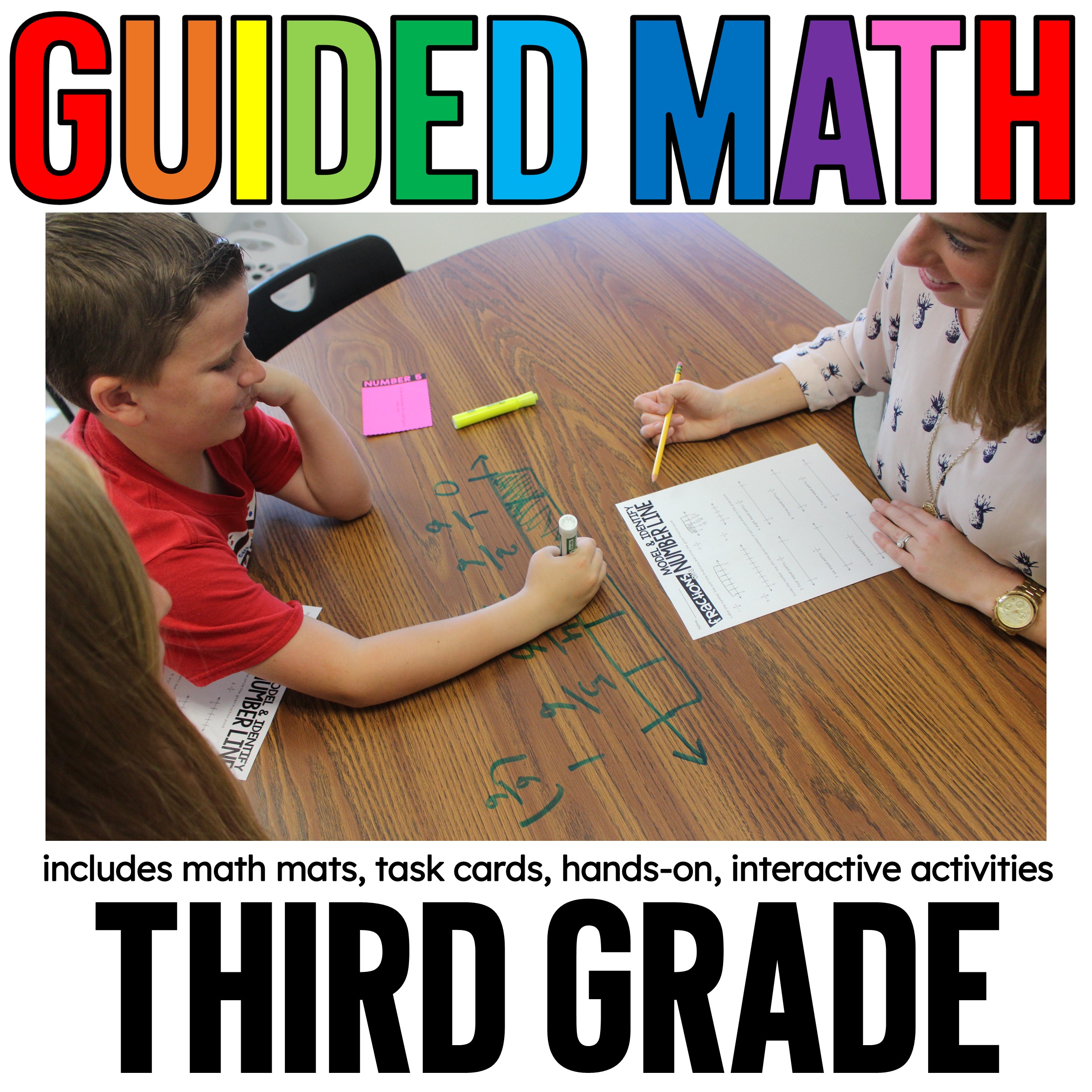
The beginning of year benchmark assessments are included inside the larger instructional systems of Total Math for kindergarten through second grade and Guided Math for grades three through five. They are also available independently for teachers who need a focused assessment tool without purchasing the full curriculum.
If you are already using Total Math or Guided Math, these assessments help you begin the year with a clear instructional starting point.
If you are not using the full curriculum yet, the assessments are a practical way to experience the structure and support built into the larger math resources.
Beginning of Year Math Assessments for K to 5
These K to 5 beginning of year math assessments are designed to help you gather useful math data without adding more stress to your back to school season.
Use them to:
- Identify student strengths
- Find prerequisite skill gaps
- Plan small groups
- Support intervention decisions
- Prepare for upcoming math units
- Document beginning of year data
- Guide instruction with confidence
Start the Year With Clear Math Data
The Total Math K–2 assessments are also available digitally inside ESGI. That means you can assess students quickly, see their progress right away, and use clear data to plan small groups and support each learner where they are. It is an easy way to stay organized, save time, and feel confident about your math decisions all year long. Try ESGI free here.

Build Your Math Community Before You Dive In
Beginning of the year math assessments are one part of starting math instruction well. The first weeks of school are also the perfect time to build a positive math community, introduce routines, and help students understand what math time will look and sound like in your classroom.
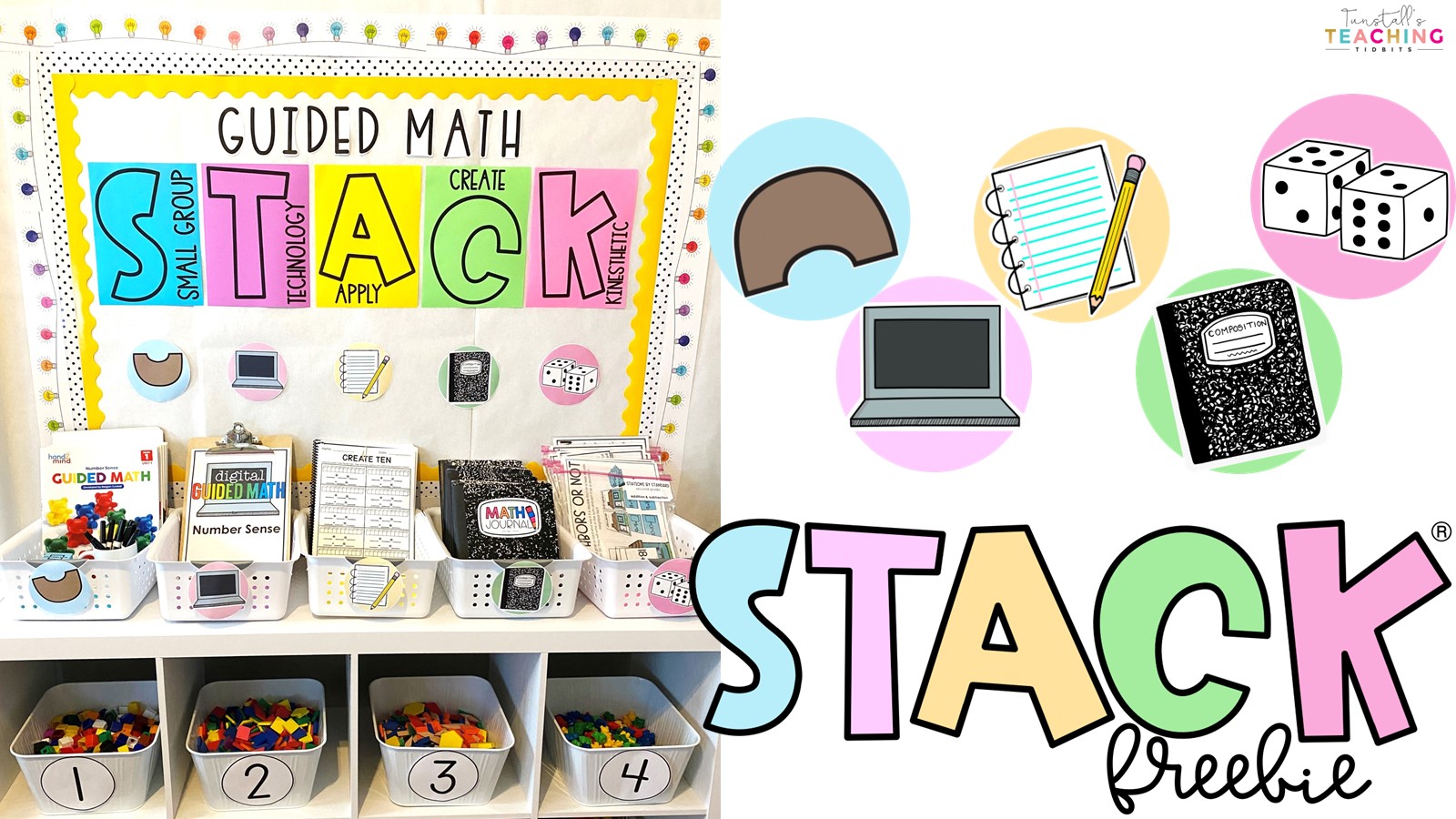
As you gather assessment information, you can also begin setting up the structure for math workshop. This includes practicing expectations, introducing math tools, building partner routines, and helping students understand how to work independently while the teacher meets with small groups. A strong math workshop launch helps students feel confident, supported, and ready to participate in meaningful math learning.
To support your beginning of the year planning, you may also want to read:
Launch Math Workshop in 20 Days
Math Rotation Slides and Schedules
What Students Do During Math Workshop
Math Strategy Posters and Slides for K to 5 Classrooms