 Contact
Math Rotation Slides and Schedules for Small Group Instruction
Creating math rotation slides and schedules for small group instruction can feel overwhelming at first. You are trying to organize math groups, manage student movement, keep centers running, and still make time for teacher-led small group instruction.
The good news is that math rotations do not have to look the same in every classroom. With the right math rotation system, you can create a schedule that supports your students, your math block, and your teaching style.
This post shares math rotation slide ideas, math workshop schedule examples, self-paced options, rotation board ideas, and small group instruction tips to help you organize your math block with clarity.
Once you determine the best fit, you’ll find links to shop our library of rotation slides and schedule managers for small group instruction.
Math Rotation Schedules Across K–5
Math rotation schedules can work in both primary and upper elementary classrooms. The routine may stay consistent, but the tasks, tools, and level of independence change as students grow.
In K–2 classrooms, students may need more visual support, shorter rotations, clear station icons, and repeated routines. In grades 3–5, students may be ready for longer work periods, more complex problem solving, math journals, task cards, digital work, and written explanations.
The goal is not to make every classroom use the same exact schedule. Instead, the goal is to create a predictable math block where students know what to do while the teacher meets with small groups.
What Students Do During Math Rotations
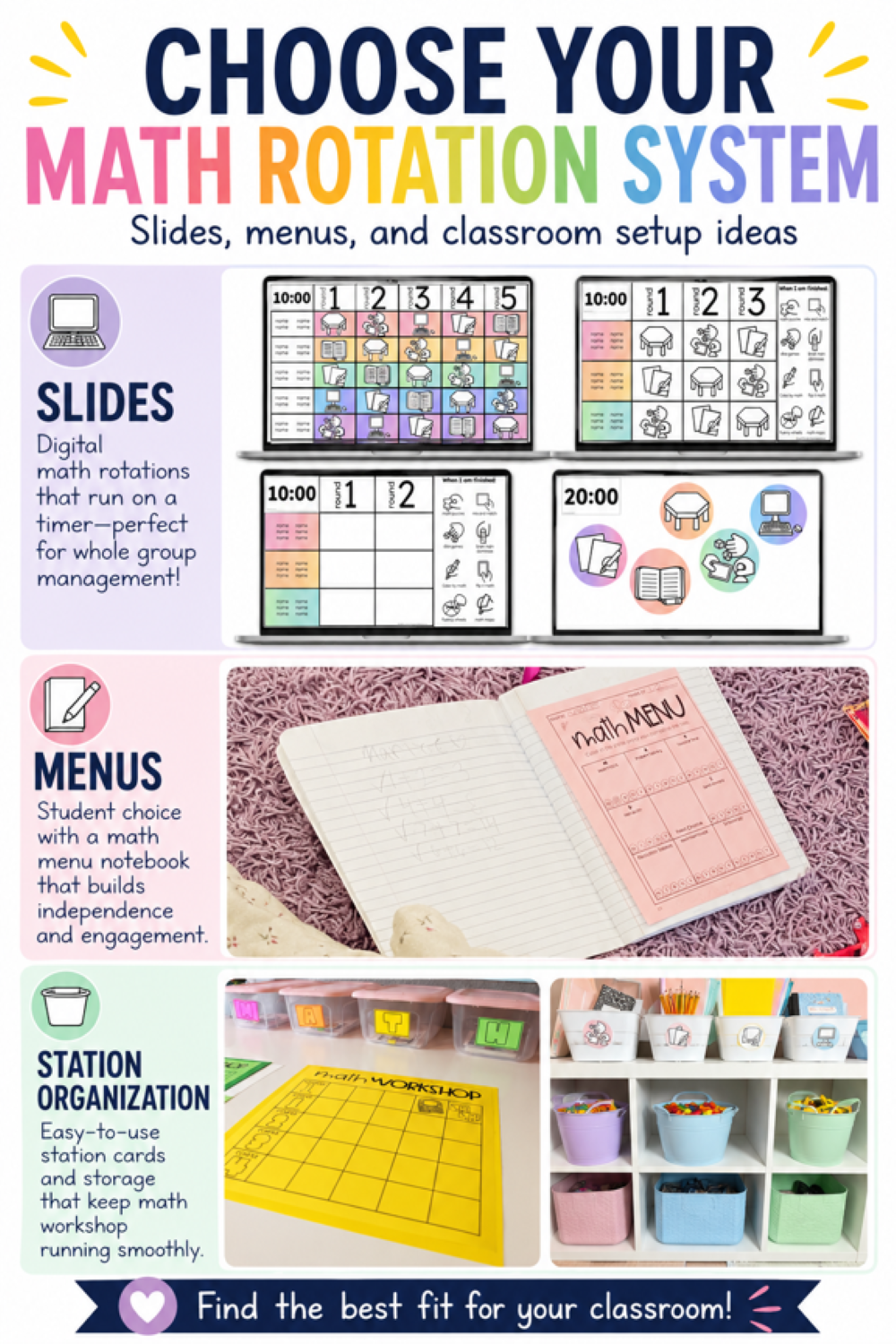
Once the schedule is set, the next step is deciding what students will do during each rotation. The station routine can stay consistent, but the task changes by grade level, skill, and student need.
Students may work on teacher-led small group instruction, math journals, hands-on stations, technology, partner games, problem solving, or independent skill practice.
For a full breakdown of student tasks during math workshop, visit what students do during math workshop. For a K–2-specific look at routines, expectations, and math center management, read math workshop routines for K–2 math centers.
Which Math Rotation System Is Right for You?
Many teachers know they want math rotations, but choosing the right structure can feel overwhelming. The best rotation system depends on your class size, schedule, independence level, and how often you want to meet with small groups. Use this quick flowchart to think through which math rotation setup may work best for your classroom.
Choose Your Math Rotation System
There is not one perfect way to run math rotations. Instead, the best system is the one that helps students stay engaged while you meet with small groups.
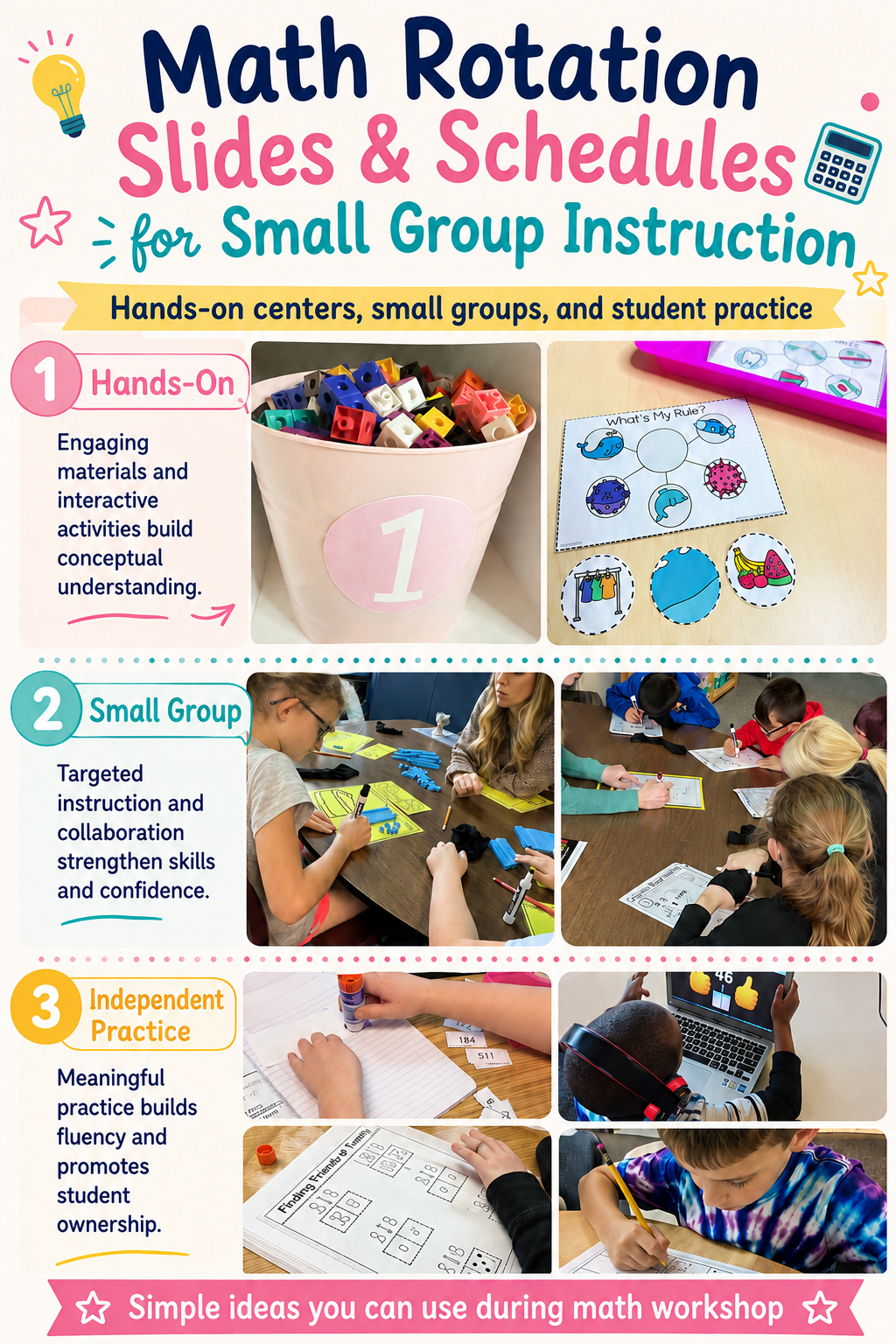
Rotations and Rounds Math Schedule
Students move through a predictable set of math stations. This works well when you want more structure, clear group movement, and consistent teacher-led small group time.
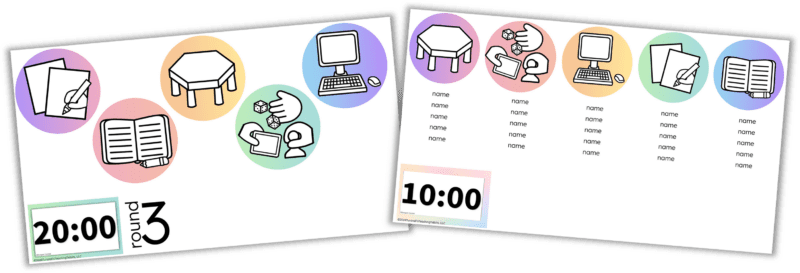
Math Rotation Slides and Timers
Digital slides help students know where to go, what to do, and how long they have for each rotation. This works well when you want a visual system that keeps the math block moving.
Math Workshop Choice Boards
Students choose from a set of math tasks while still staying accountable. This works well when you want flexibility without losing structure.Math Centers Rotation Schedule
Through the years, you’ve likely experimented with math workshop schedules as we have. One of the best and worst things about running a math workshop is the flexibility and choices that come along with it. It can be both wildly inspiring and overwhelmingly daunting to design a math station management plan. We are here to help!
Tight and Loose Management Systems Explained
Before choosing a schedule, it helps to think about how much structure your students need. Most math workshop systems fall into two categories: tight management systems and loose management systems.
A tight system gives students a clear rotation path, set groups, and predictable station order.
A loose system gives students more choice in the order and pace of their math tasks.
Both systems can work. The key is choosing the structure that matches your students’ independence, your schedule, and your small group goals.
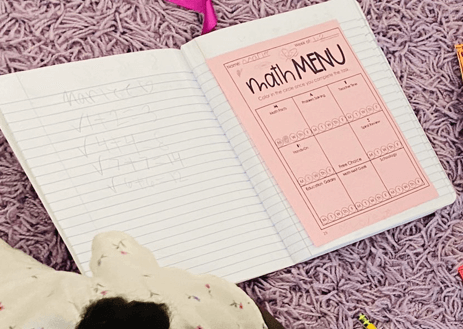
Self-Paced Math Schedule Examples
The self-paced management system provides a certain number of days and tasks but allows students to navigate the order and time spent completing the tasks within the days given. Students have a way of staying accountable for the tasks being completed either on a digital choice board, math menu, or through a simple moving of a clip to a bucket or bin for the youngest mathematicians.
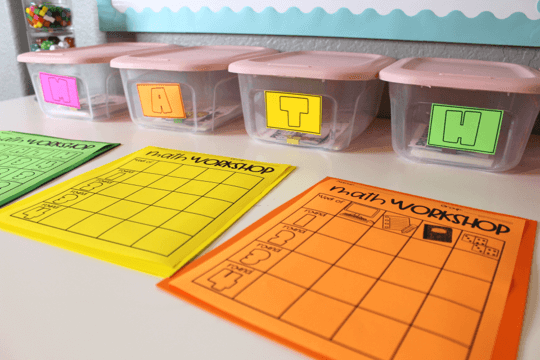
Remember, less can be more. If you need just a few activities for the week, don’t feel any pressure to have more than one a day as you get this up and running.
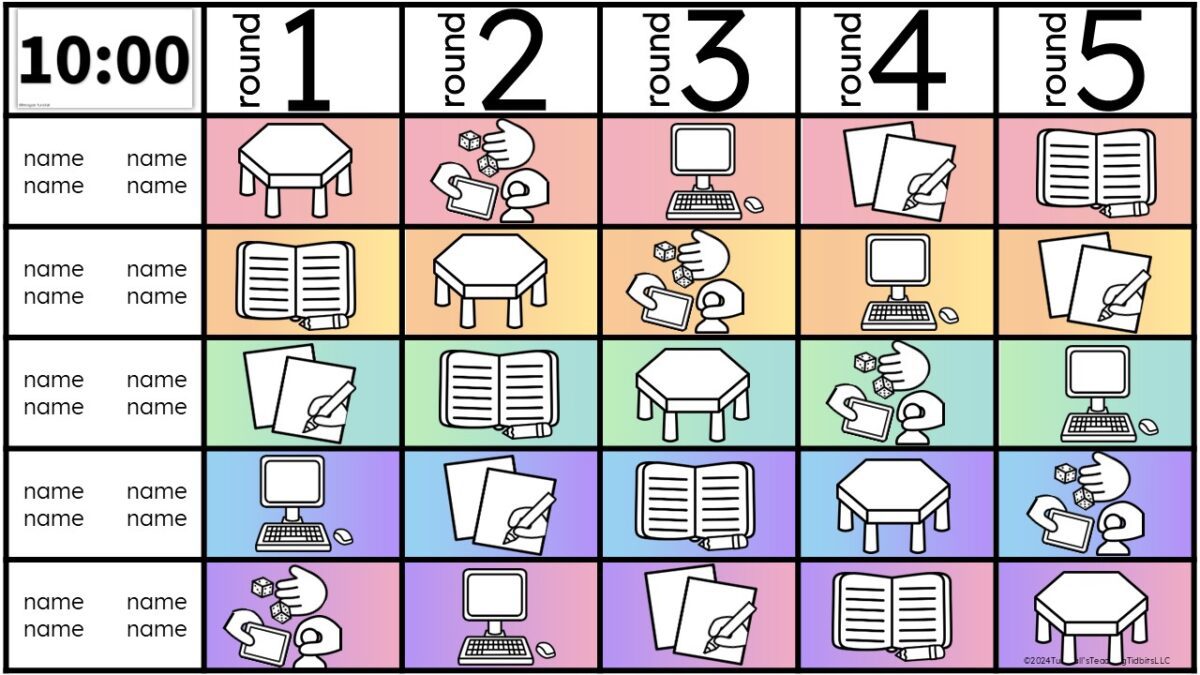
Rotations and Rounds Math Schedule Examples
The math rotation system is a more structured approach to running elementary math centers. Here, students move through a predictable pattern or series of activities. In groups, students rotate through a carousel of math activities. The teacher-led small group can be one of the stops in the rotation, or it can be apart from the rotation. If separate from the rotations, the teacher calls students out of their center activities to meet for small group instruction.
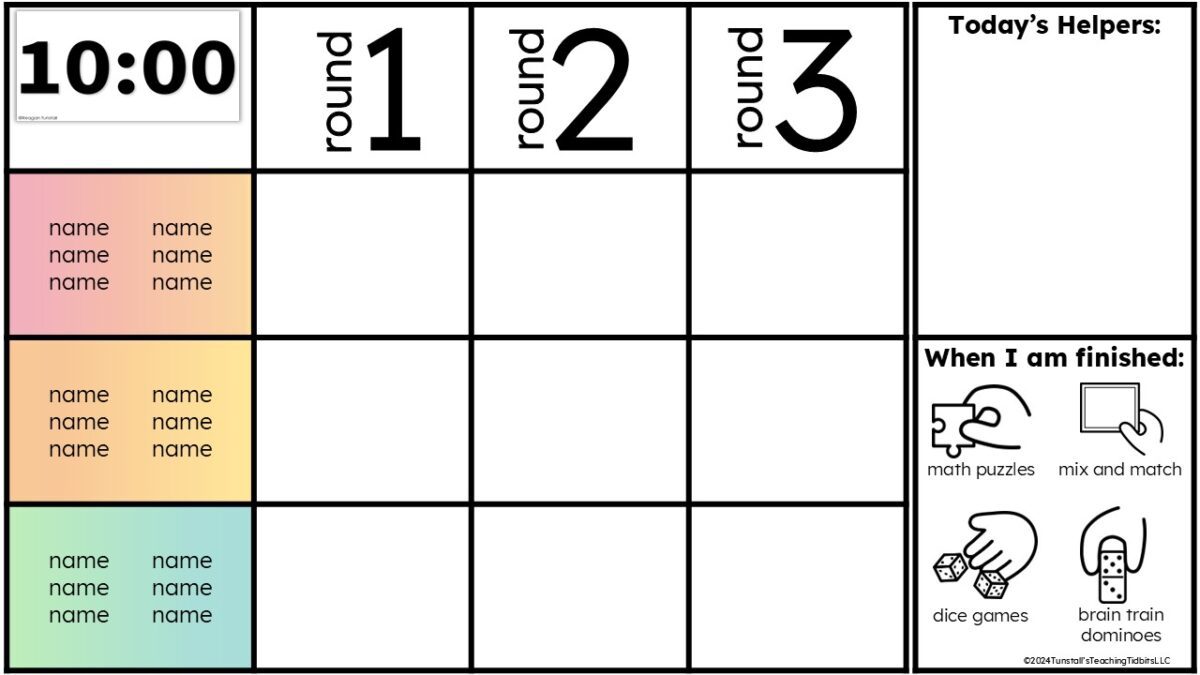
Guided Math Rotation Board for Visual Math Rotations
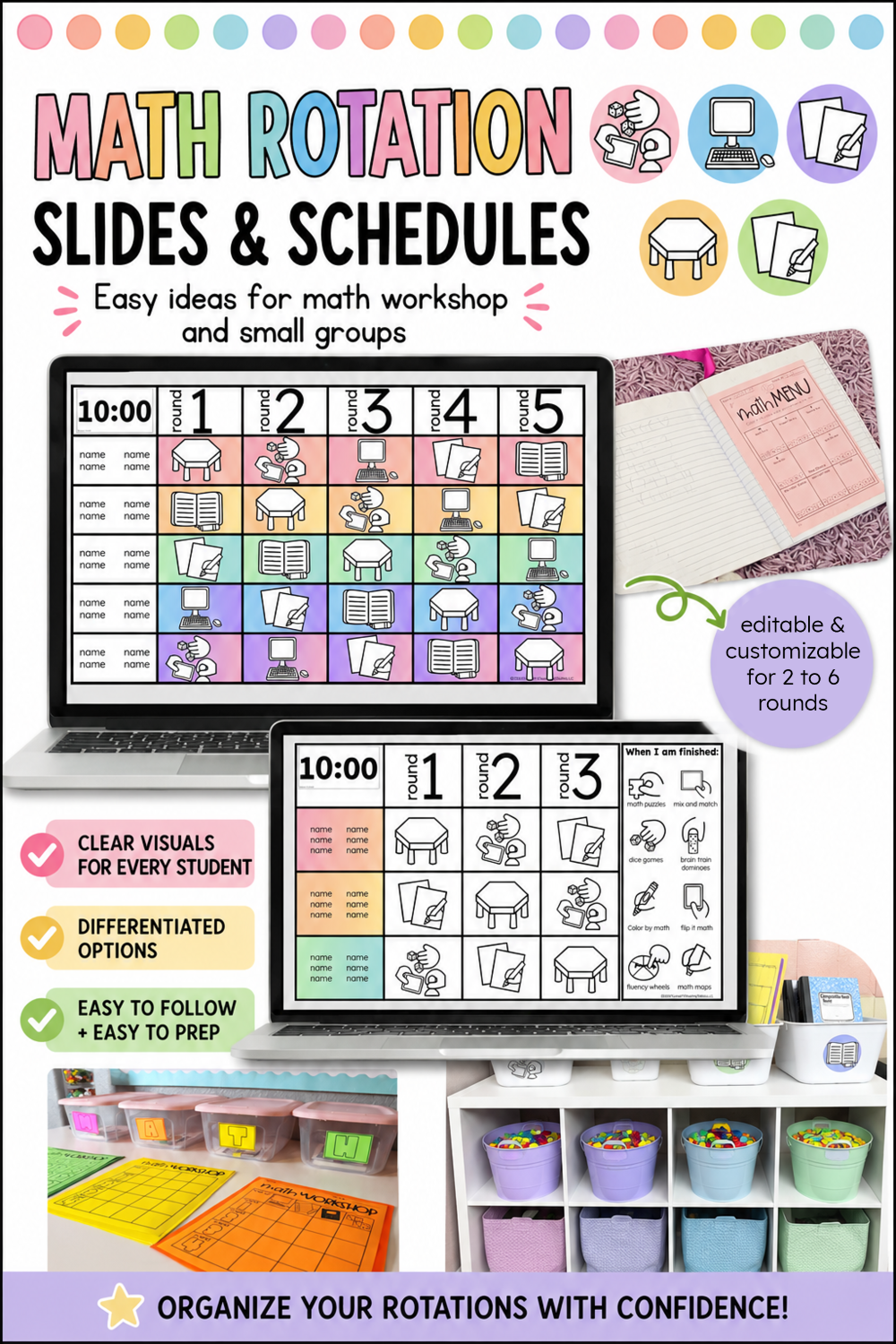
Some classrooms need a rotation system students can see all day. A guided math rotation board gives students a clear visual place to check their group, round, station, and next task without needing repeated teacher reminders.
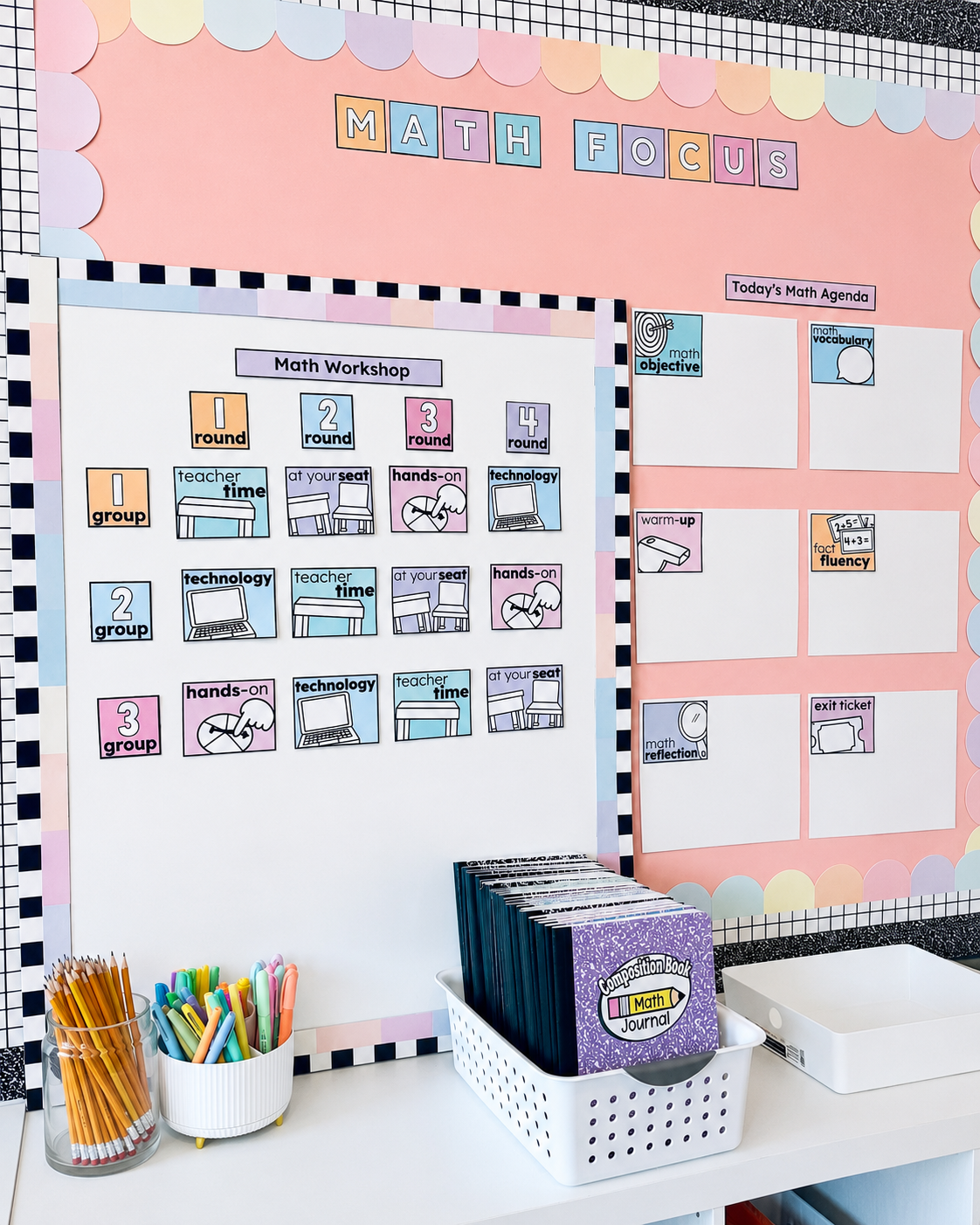
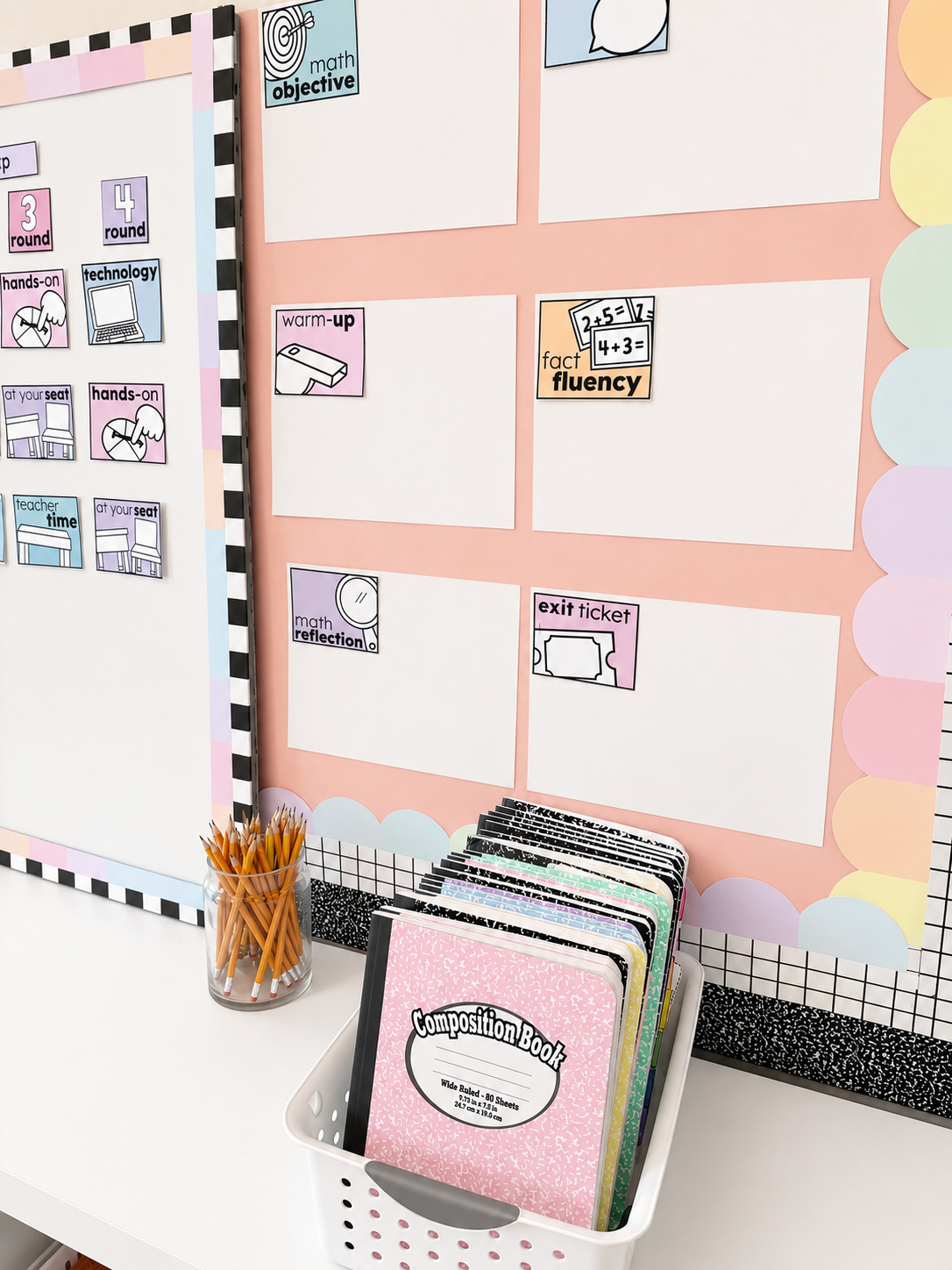
This updated guided math rotation board includes editable math station labels, group cards, round cards, station icons, and display options so you can build a system that matches your math block. Use it for guided math rotations, math centers, math stations, math workshop, small group instruction, or a daily math agenda.
It works especially well when you want students to know:
where to go
who they are working with
what round they are on
what task they should complete
when they will meet with the teacher
The updated version keeps the same purpose of the original guided math rotation board while giving teachers a cleaner, more flexible display system for today’s math workshop routines.
Example Slides for Math Rotations and Small Group Instruction
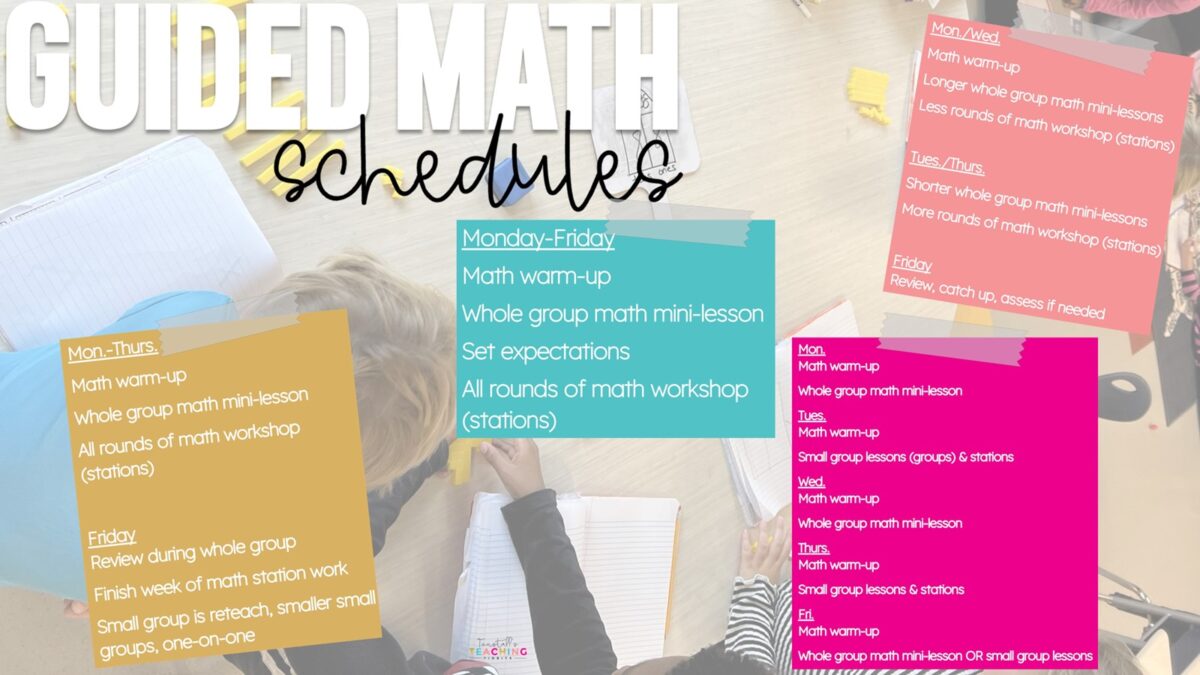
Each year classroom dynamics play a big part in the design and management of math rotations and small group instruction. A balance of preference and necessity come together to form the right fit, pacing, and well-rounded math experience. Below we have some example slides and schedules.
Editable Math Rotation Slides and Timers
If you want a ready-made system for managing math rotations, editable math rotation slides can help students see the schedule, follow the routine, and transition with less teacher prompting.
Use math rotation slides to show:
- group names
- station choices
- rotation order
- timers
- math workshop expectations
- teacher table reminders
These slides can be used for guided math, math centers, math stations, math workshop, and small group instruction.
Managing Math Centers During Rotations
A math rotation schedule is only helpful if students can move through the routine with independence. Before launching all of your rotations, make sure students know how to gather materials, complete the task, record their work, clean up, and transition.
Clear expectations help students stay focused while you meet with small groups. They also make math centers feel more manageable because students are not constantly asking what to do next.
For more support with expectations and center management, read 5 tips for managing math centers.
Build the Full Math Block
Choosing a math rotation schedule is just one part of creating an effective math block. Once your rotation system is in place, you can begin connecting your whole group lesson, teacher-led small groups, math stations, journals, technology, and independent practice into one clear routine.
To learn more about structuring the full math block in grades Kinder, first, and second, visit The Total Math Block next.
Strengthen Teacher-Led Small Group Instruction
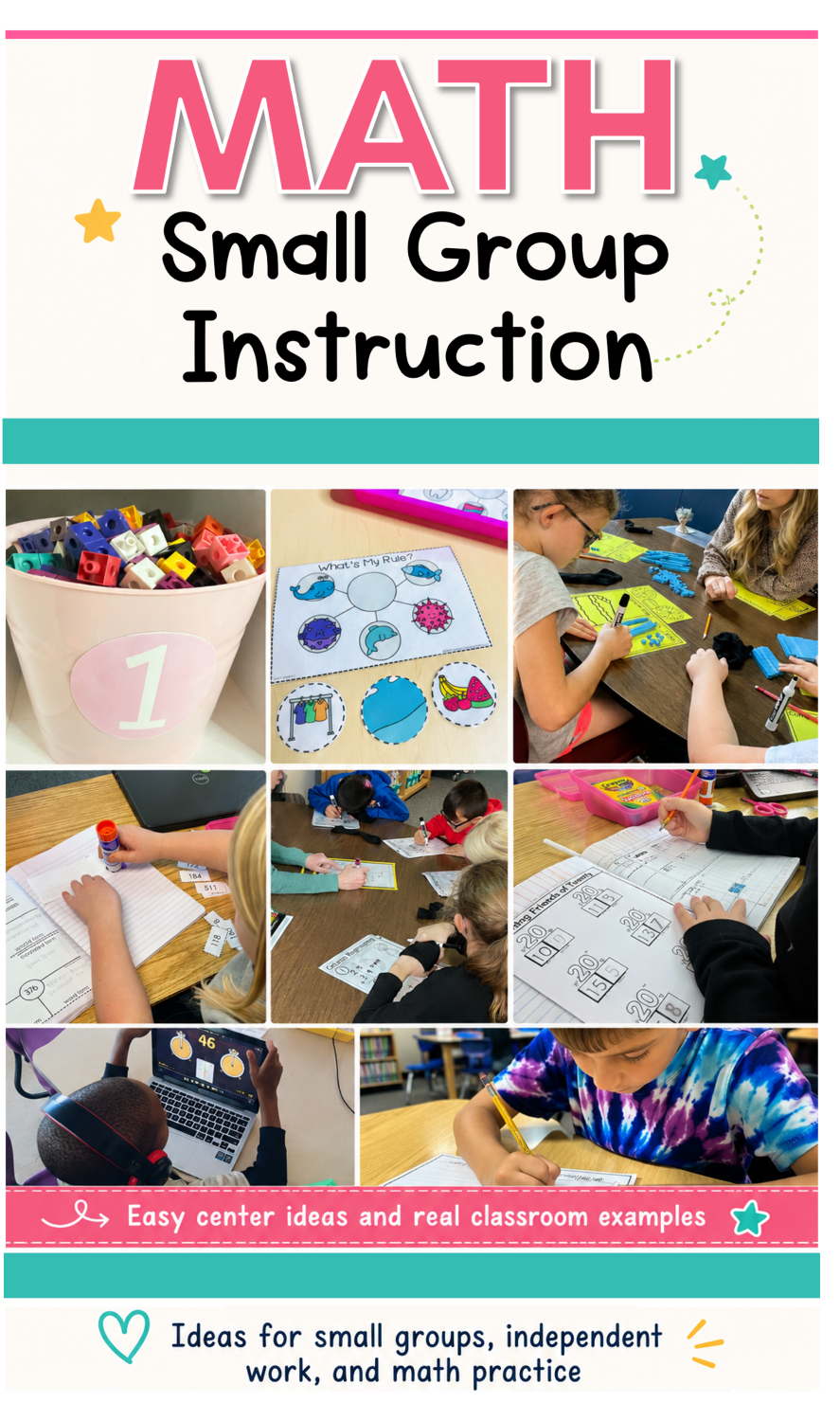
The rotation schedule helps students know where to go, but the teacher table is where targeted instruction happens. Once your math rotation system is in place, focus on what you will teach, watch, and support during small group math instruction.
For practical guidance on teacher-led instruction, differentiation, and small group routines, read small group math instruction best practices for K–5 classrooms.
Need Help Launching Math Workshop?
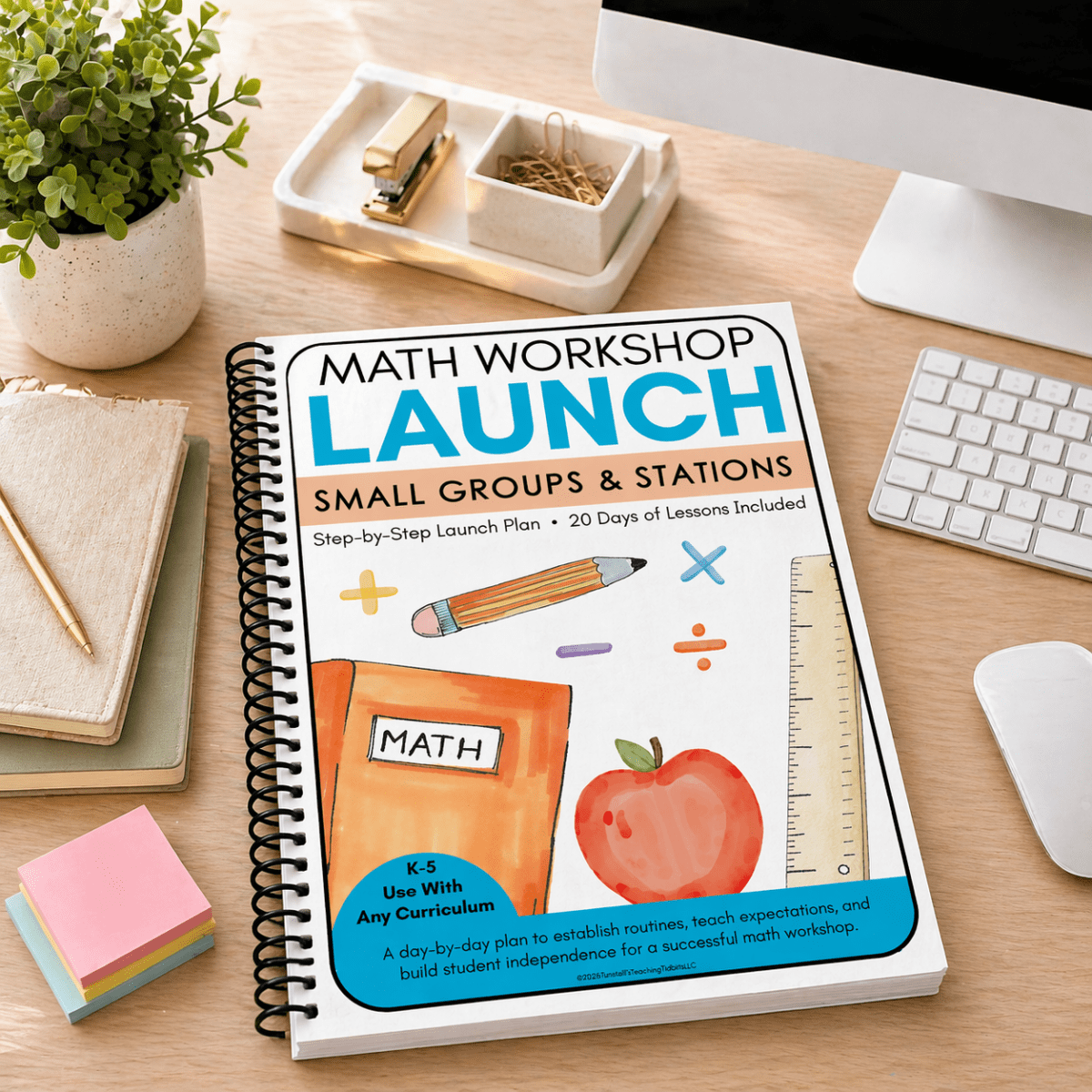
If you are ready to put the pieces together, grab my free 20-day Math Workshop Launch Guide . This guide helps you introduce small groups, math stations, routines, expectations, and independence step by step.
Free Math Organization System Icons
If you want a simple way to organize your math materials and help students stay on track, visit this Total Math organization post to download the free math organization system icons.
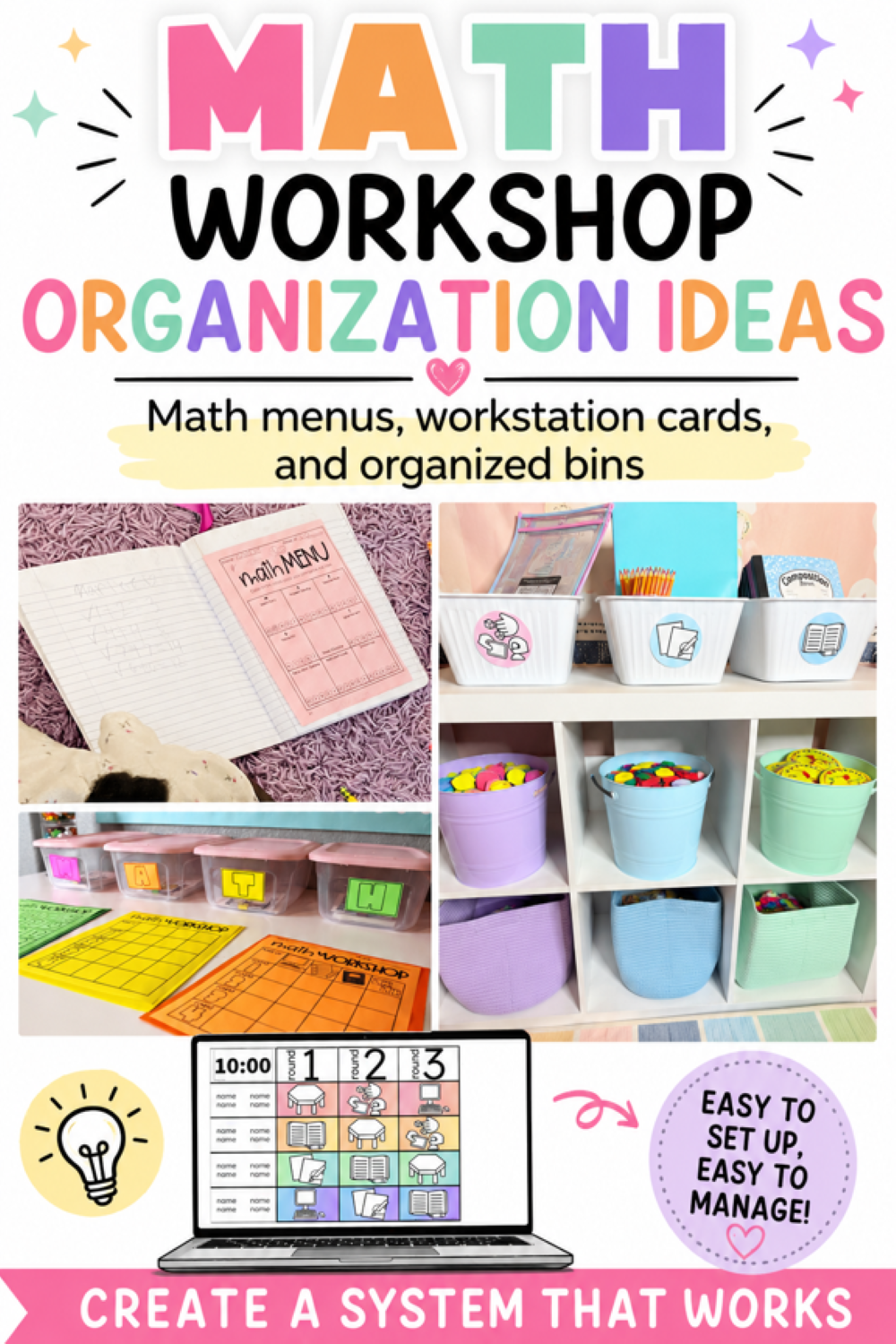
Scheduling out all the components of an effective math block can be tricky. But I have dozens of way to do it. You’re bound to find one that works best for you, your classroom, and your students.
Final Thought
Scheduling all the parts of an effective math block can feel tricky at first. However, with a clear rotation system, visual slides, and consistent routines, you can create a math workshop structure that works for you, your students, and your classroom schedule.
Keep Building Your Math Workshop System
Math rotation slides and schedules are one part of a strong math workshop system. From there, you can build routines for whole group lessons, teacher-led small groups, math stations, journals, technology, problem solving, and independent practice.
For the bigger picture, read making guided math work. Then, grab the free 20-day Math Workshop Launch Guide to introduce routines, stations, expectations, and independence step by step.