 Contact
Small Group Math Instruction
Small group math instruction is one of the most effective ways to meet students where they are and move their mathematical thinking forward. When used within a guided math framework, small groups allow teachers to differentiate instruction, respond to student needs in real time, and build deep conceptual understanding.
This post is a practical guide to small group math instruction, designed to help you plan, organize, and implement guided math in a way that works in real classrooms. You will find strategies for grouping students, setting up schedules, choosing materials, planning lessons, and launching guided math successfully.
Whether you are just getting started or refining an existing routine, this guide is meant to support a sustainable and student-centered math block.
What Is Small Group Math Instruction?
Small group math instruction is a teaching approach in which the teacher works with a small group of students to provide targeted instruction based on specific skills or concepts. In guided math, these groups are flexible and change as students grow and progress.
During small group instruction, teachers are able to:
-
Focus on a specific learning goal
-
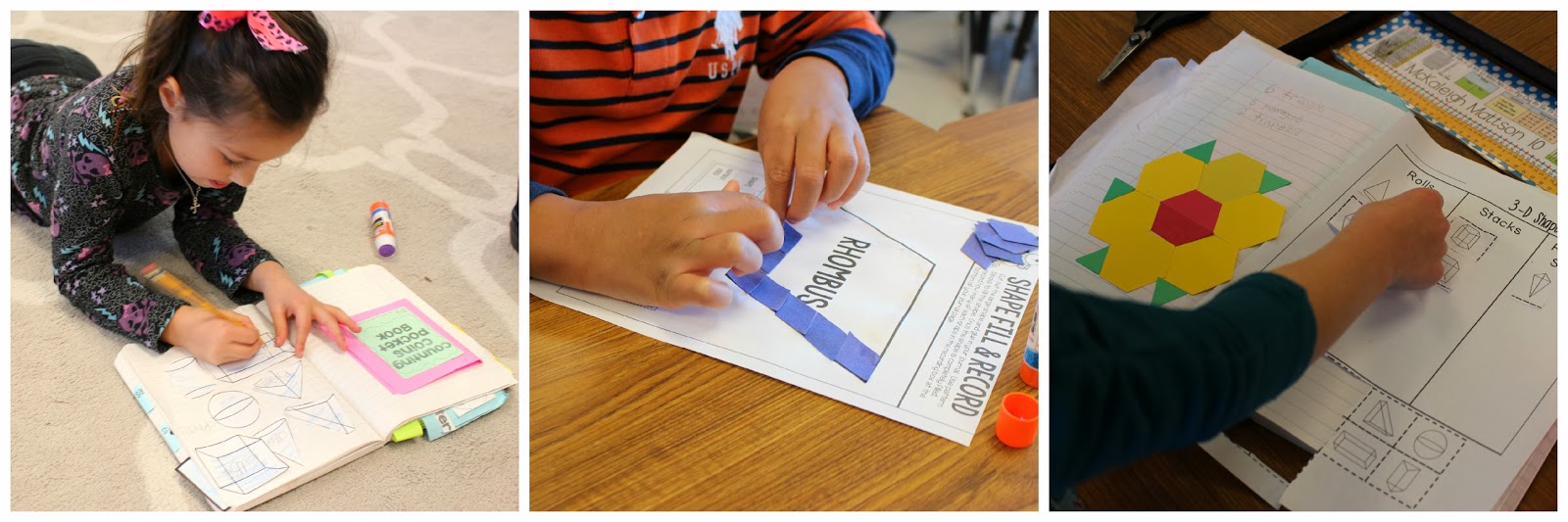
Use hands-on tools and visual models
-
Listen closely to student thinking
-
Provide immediate feedback and support
This structure allows instruction to be responsive rather than one-size-fits-all.
Why Small Group Math Instruction Works
Small group math instruction works because it aligns with how students learn best.
When math instruction happens in small groups:
-
Teachers can adjust instruction in the moment
-
Students have more opportunities to explain their thinking
-
Misconceptions are identified and addressed early
-
Learning feels more manageable and supportive
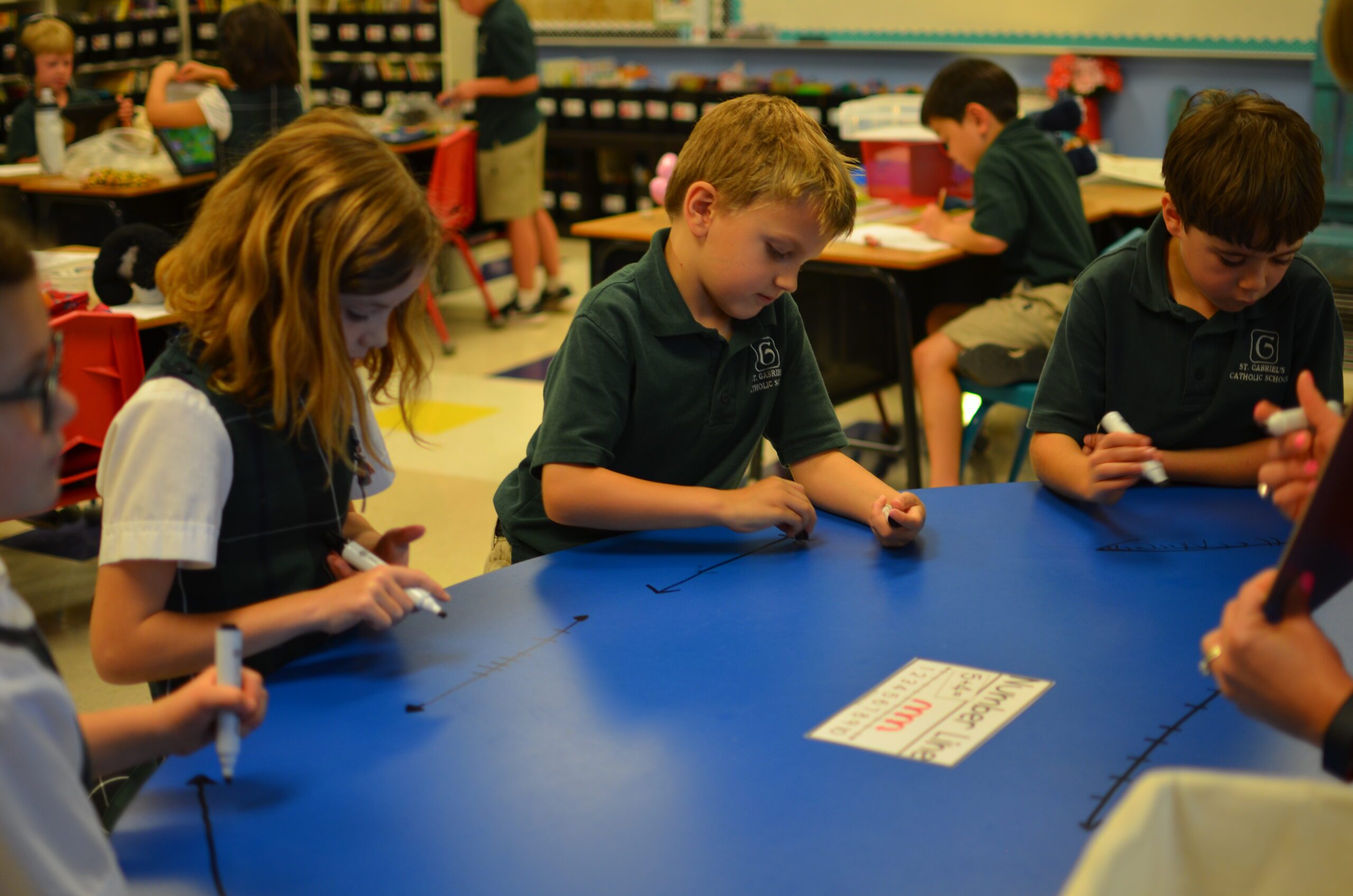
Guided math also builds independence. While the teacher meets with a small group, other students are engaged in meaningful math tasks they have been taught to complete independently.
How to Group Students for Small Group Math
Grouping students is one of the most common questions teachers have about guided math.
Effective small group math groups should be:
-
Flexible, not fixed
-
Data-informed, based on observations, assessments, and student work
-
Skill-focused, rather than based on labels
- Research indicates 4-6 students is the ideal collaborative model, however, teacher judgement is always best.
Students may move between groups as their understanding develops. Some groups may focus on building foundational skills, while others work on extending or applying learning. The purpose of grouping is to provide the right instruction at the right time.
Guided Math Small Group Schedules That Work
A clear schedule is essential for successful small group math instruction. Without predictable routines, transitions can take over valuable instructional time. Below is a visual example of how time is typically structured during a guided math block, with the majority of time devoted to small group instruction and workstations.
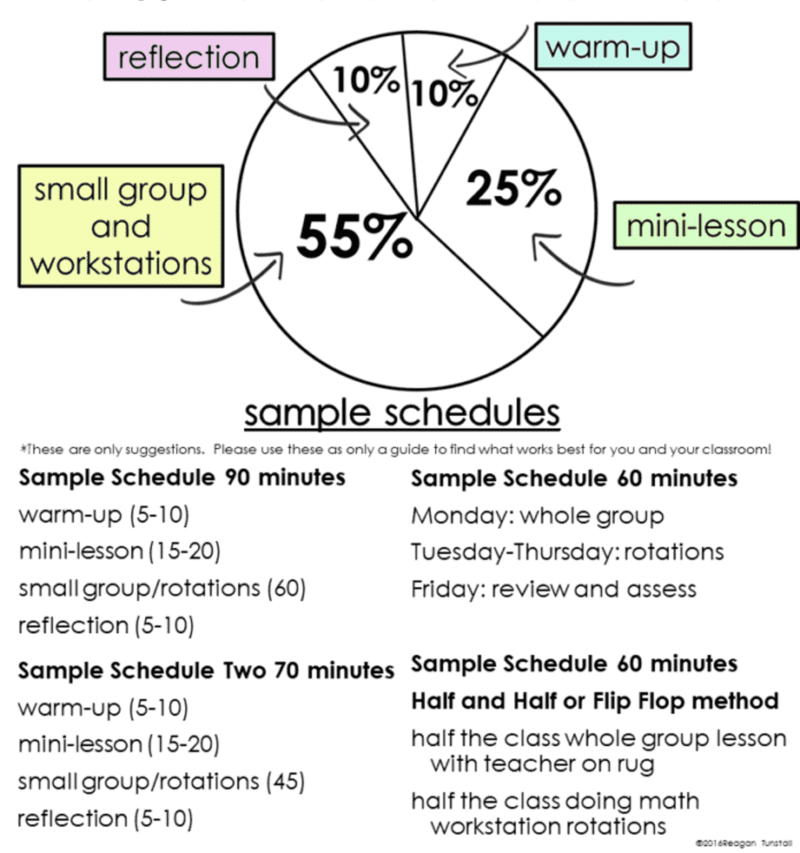
Many guided math classrooms use:
-
Short, focused small group lessons
-
Independent or partner math tasks during teacher-led instruction
-
Consistent routines that students practice and revisit
If you are looking for examples of how to structure your math block, including rotation lengths and daily flow, this is a great place to link to your guided math schedules post.
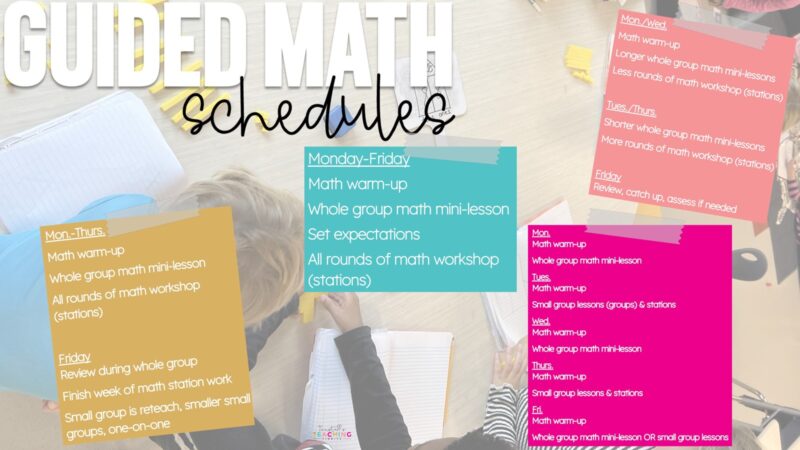
A strong schedule helps guided math feel calm, purposeful, and manageable.
Choosing Student Workstations for Small Group Math Instruction
Student workstations are a key component of effective small group math instruction. While the teacher is working with a small group, workstations give the rest of the class meaningful opportunities to practice, apply, and extend their learning independently.
The most effective math workstations are intentionally selected and directly connected to current instruction. Rather than rotating through new activities each week, students benefit from a consistent set of workstation formats that they learn how to use well. This allows the focus to stay on math thinking instead of directions.
When choosing student workstations for guided math, consider these guiding questions:
-
Does this workstation reinforce skills already taught?
-
Can students complete it independently or with minimal support?
-
Does it encourage math reasoning, modeling, or discussion?
-
Can it be reused with different content across the year?
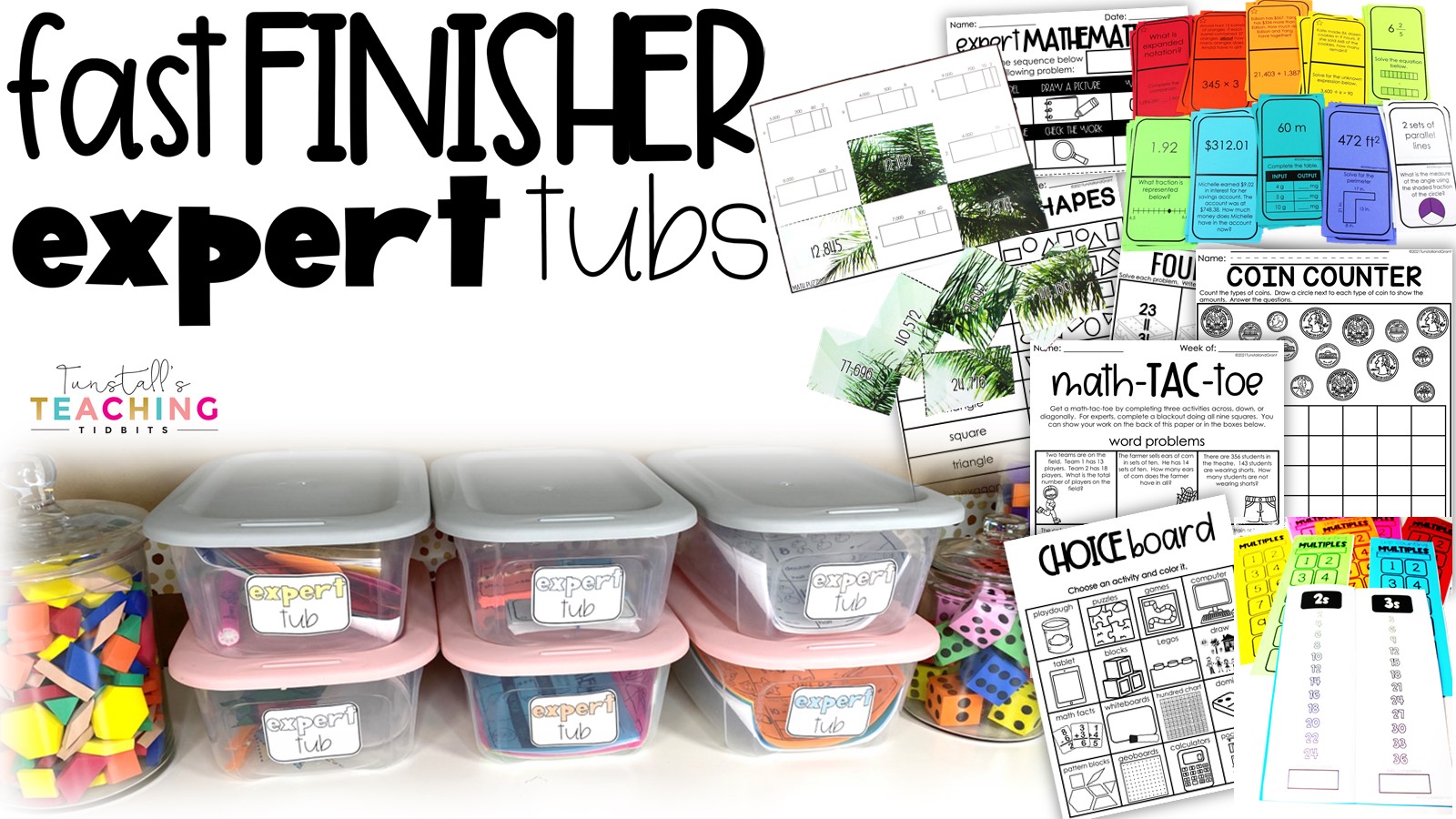
High-quality math workstations often include activities such as math games, math journals, and problem solving activities. These types of stations support skill development while allowing teachers to differentiate instruction during small group lessons.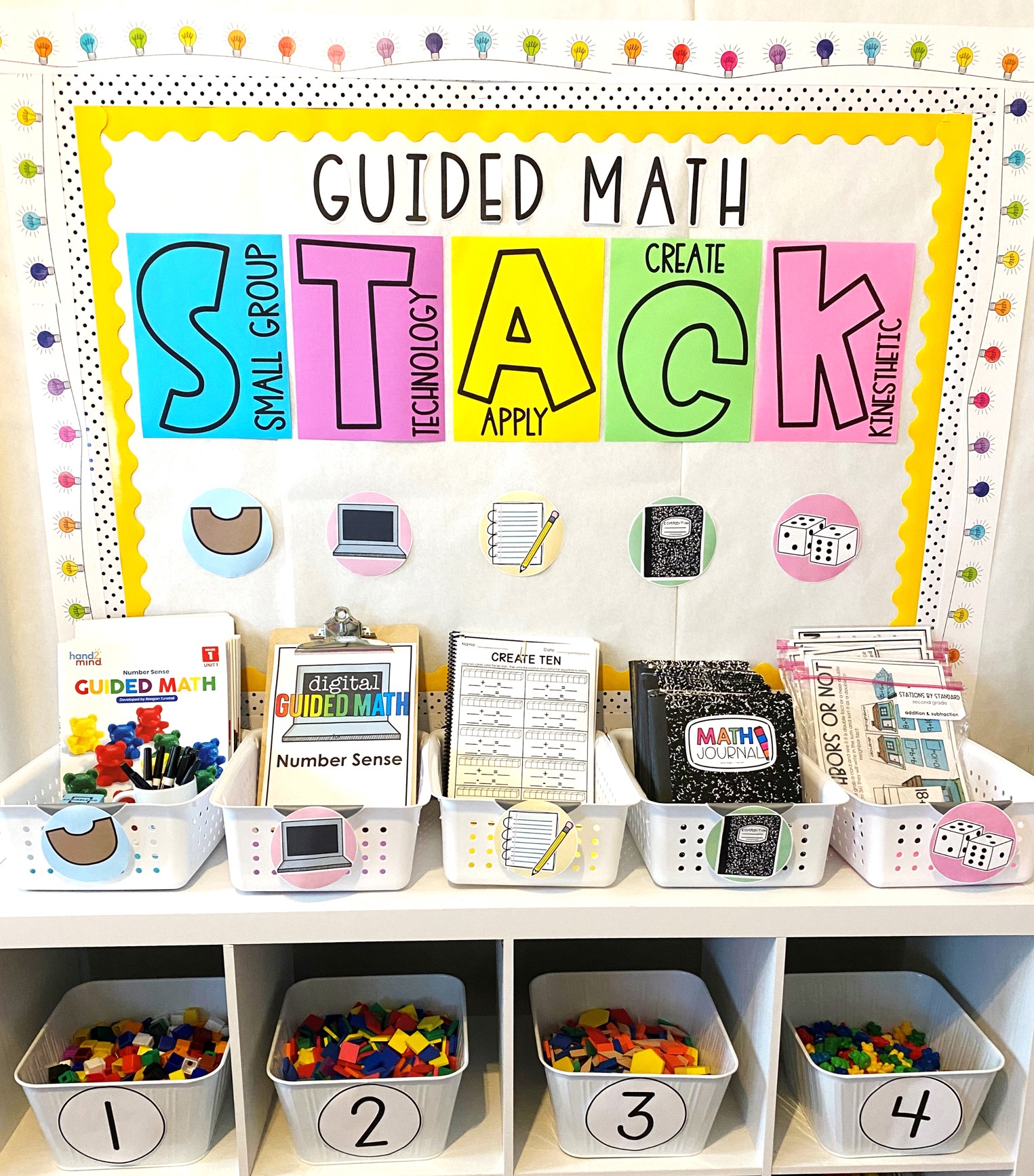 Over time, well-chosen student workstations help build independence, accountability, and stamina. They also create the structure needed for small group math instruction to run smoothly and consistently.
Small Group Math Materials and Tools
The materials you choose can make small group instruction more effective and efficient.
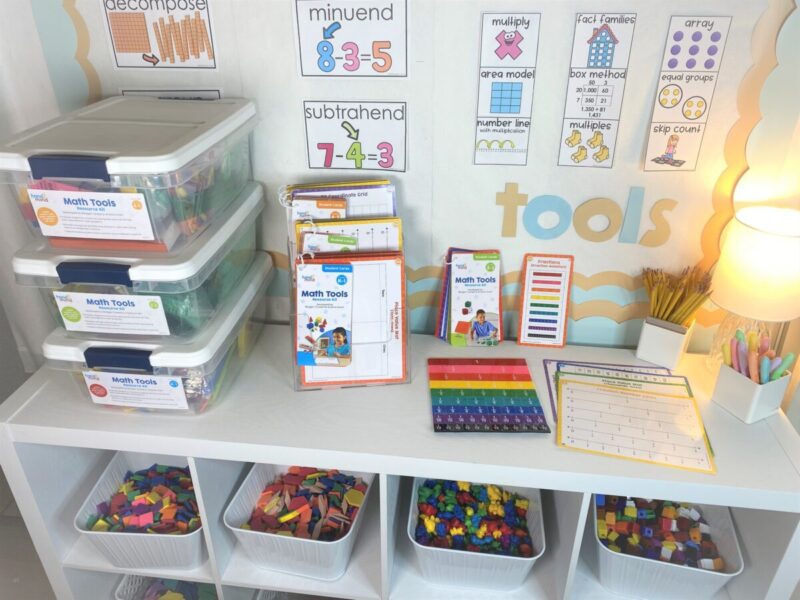
Common small group math tools for grades 3–5 include:
-
Math manipulatives and visual models
-
Dry erase boards and markers
-
Math games and task cards
-
Recording sheets and math journals
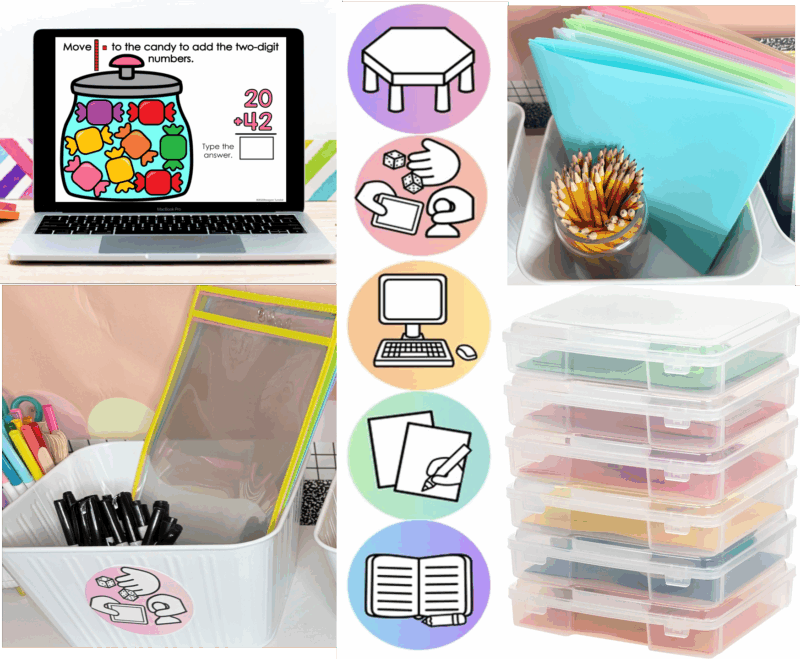
Find grade level manipulative lists and free labels. Organization matters. When materials are clearly labeled and easy to access, students can work independently while the teacher meets with a small group.
Visit the math tools and manipulatives post for a deeper look at what to use and how to organize it.
Planning for Small Group Math Instruction
Planning is the foundation of successful guided math. Clear plans help small group instruction stay focused and intentional rather than reactive.
Effective small group math planning includes:
-
Identifying the specific skill or concept for each group
-
Planning a brief, targeted lesson
-
Choosing tools that support the learning goal
-
Anticipating student misconceptions
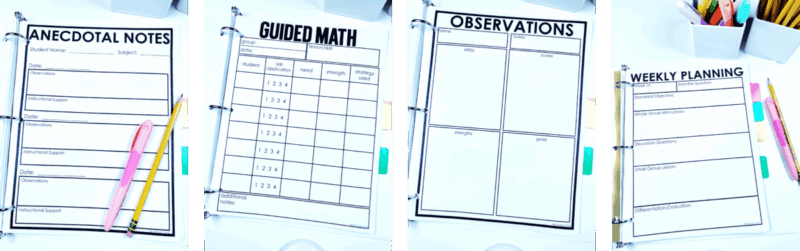
Many teachers find it helpful to use a small group math planning binder to keep lesson plans, student data, and group notes organized in one place. This type of system supports consistency and reduces daily decision fatigue.
Using Data to Drive Small Group Instruction
Data is at the heart of responsive small group math instruction. When teachers systematically track student progress from observations to skill mastery they can make informed decisions about grouping, pacing, and targeted support. When data is used consistently, it allows teachers to adjust groups quickly and keep instruction targeted and responsive.
Your Math Data Tracking provides practical tools for recording student data during guided math groups, tracking progress over time, and using that information to refine instruction. Data tracking helps you identify patterns, celebrate growth, and plan intentional next steps for all learners.
This makes your small group work not just structured, but evidence-based and responsive.
Math Intervention Through Small Group Instruction
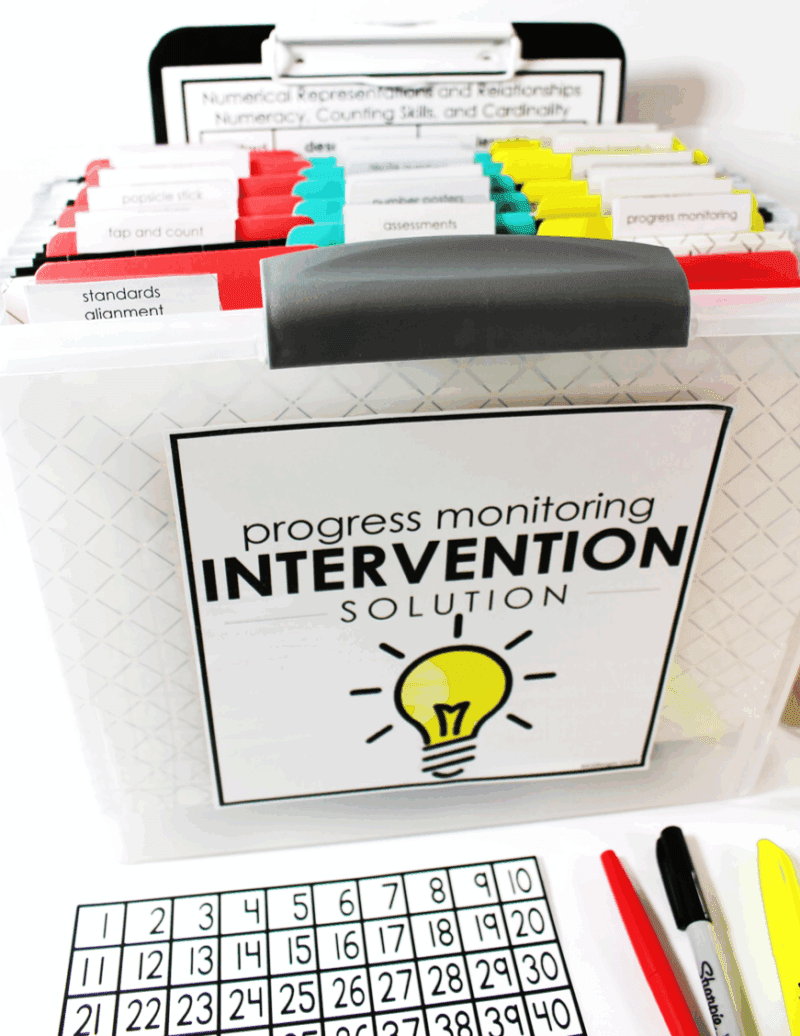
In grades 3–5, intervention often focuses on foundational gaps while still connecting to grade-level problem solving and application. Small group math instruction is one of the most effective structures for providing math intervention. Because guided math groups are flexible and data-informed, they allow teachers to target specific skill gaps without pulling students away from grade-level learning for extended periods of time.
During math intervention in small groups, teachers can focus on prerequisite skills, reteach concepts using hands-on tools, and closely monitor student understanding. These intervention groups are often short-term and responsive, changing as students make progress. This approach helps support students who need additional instruction while keeping intervention connected to daily classroom learning rather than feeling separate or isolated.
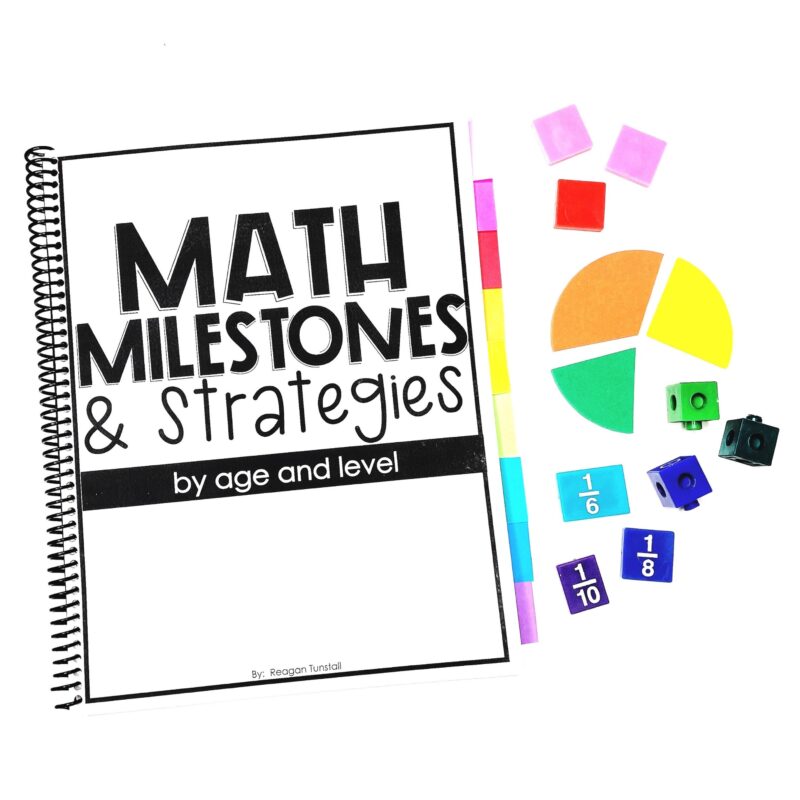
Supporting students during math intervention often requires a clear understanding of learning progressions. Tools that outline math milestones help teachers identify where students are developmentally and select strategies that move learning forward. Our free math milestones guide can be especially helpful when planning targeted small group instruction and monitoring progress over time.
Frequently Asked Questions About Small Group Math Instruction
How long should small group math instruction last?
Small group lessons are typically short and focused. Many teachers plan lessons that last 10–15 minutes, depending on grade level and student needs.
How many groups should I meet with each day?
This varies by classroom, but many teachers meet with two to three groups per day while other students work independently or with partners.
Do students stay in the same math groups all year?
No. Groups should be flexible and change as students develop new skills and understanding.
What should students do when they are not with the teacher?
Students should work on meaningful math tasks they have been taught to complete independently, such as math centers, problem-solving activities, or practice that reinforces previously taught skills.
GUIDED MATH PD
We offer school and district-level Guided Math Professional Development via Zoom or in-person. We would love to come share the passion of the Guided Math structure sharing our application of each component of guided math plus so many important topics like creating standards-based lessons, differentiation, and management! THIS POST can help provide more information on this. You can forward to your administration or book directly if you are a math coach or administrator.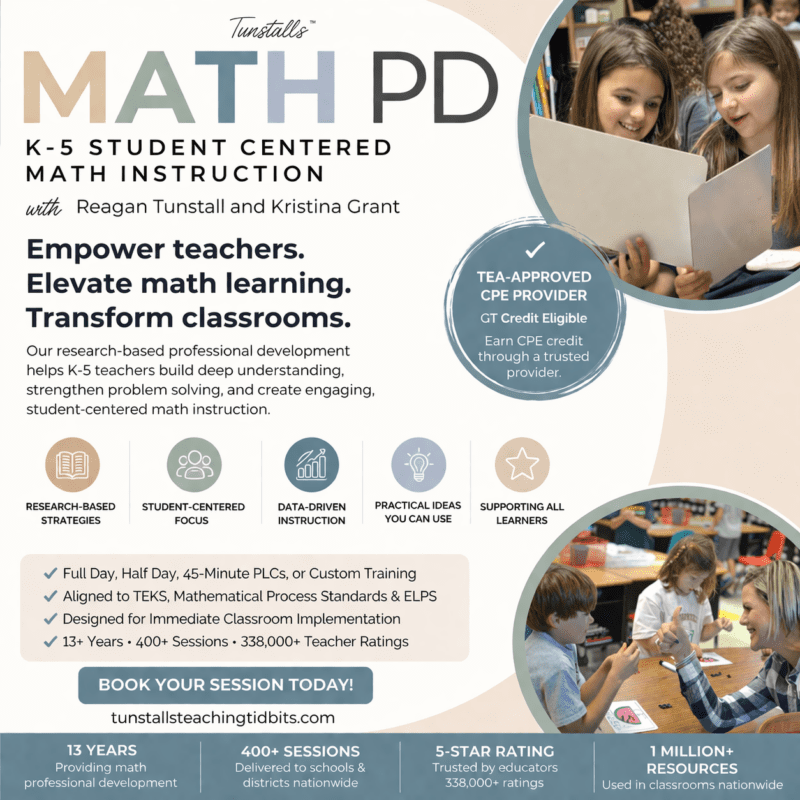
How to Launch Guided Math Successfully
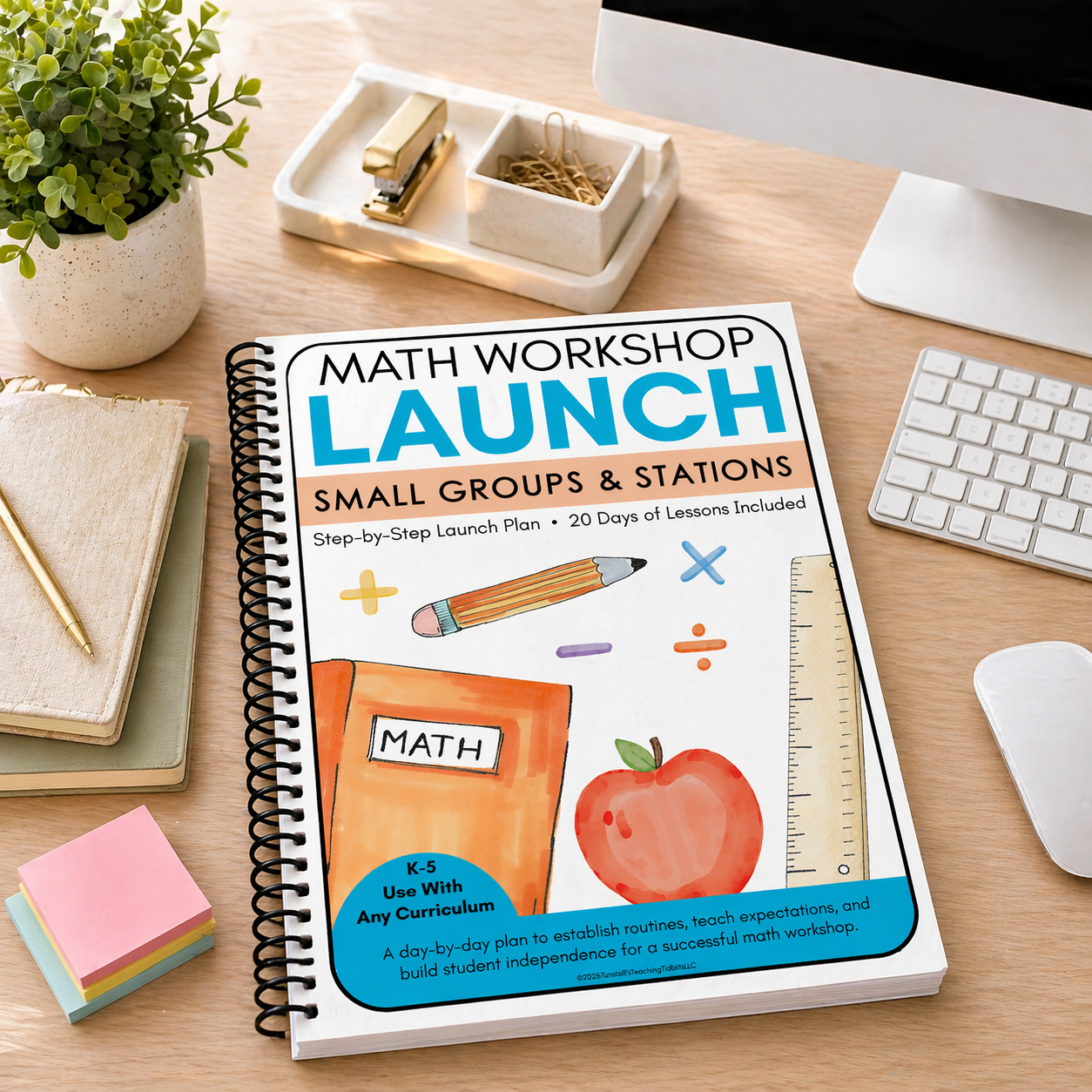
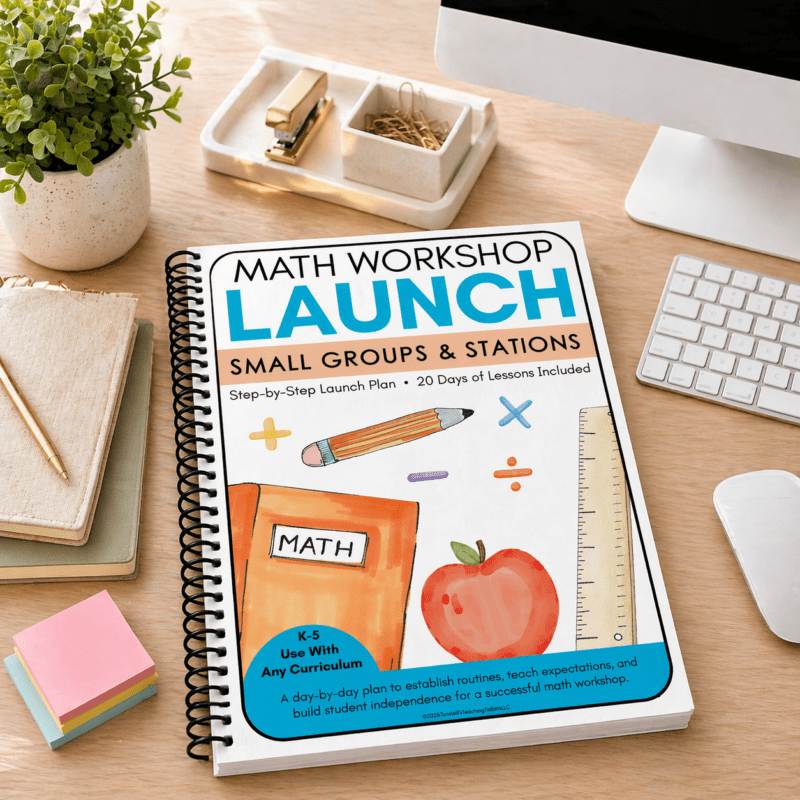
For a complete step-by-step plan, grab the free Math Workshop Launch Guide designed specifically for building routines, expectations, and independence in grades 3–5.
Launching guided math includes:
-
Teaching routines and expectations explicitly
-
Modeling how students use materials
-
Practicing independent tasks before adding rotations
-
Gradually building student stamina
A thoughtful launch sets the tone for the entire year and helps guided math run smoothly from the start. Get the free Math Workshop Launch Guide here
Professional Development to Support Small Group Math Instruction
Implementing effective small group math instruction takes time, reflection, and support. While reading and planning are important first steps, professional development allows teachers and teams to deepen their understanding of guided math structures and see strategies in action.
High-quality math professional development focused on small group instruction helps educators refine grouping practices, strengthen lesson design, and align instruction with student data. Whether through workshops, coaching, or collaborative learning, ongoing professional development supports teachers in building consistent, effective guided math routines that lead to meaningful student growth.
Final Thoughts
Small group math instruction is most effective when it is intentional, organized, and supported by clear routines. Guided math allows teachers to focus on student thinking, provide targeted instruction, and build confidence across all learners.
By combining thoughtful planning, effective schedules, organized materials, and a strong launch, small group math instruction can become one of the most impactful parts of your math block.
Use the linked resources throughout this post to build a guided math system that works for your classroom and your students.