 Contact
Kindergarten Math Journals for Number Sense and Math Centers
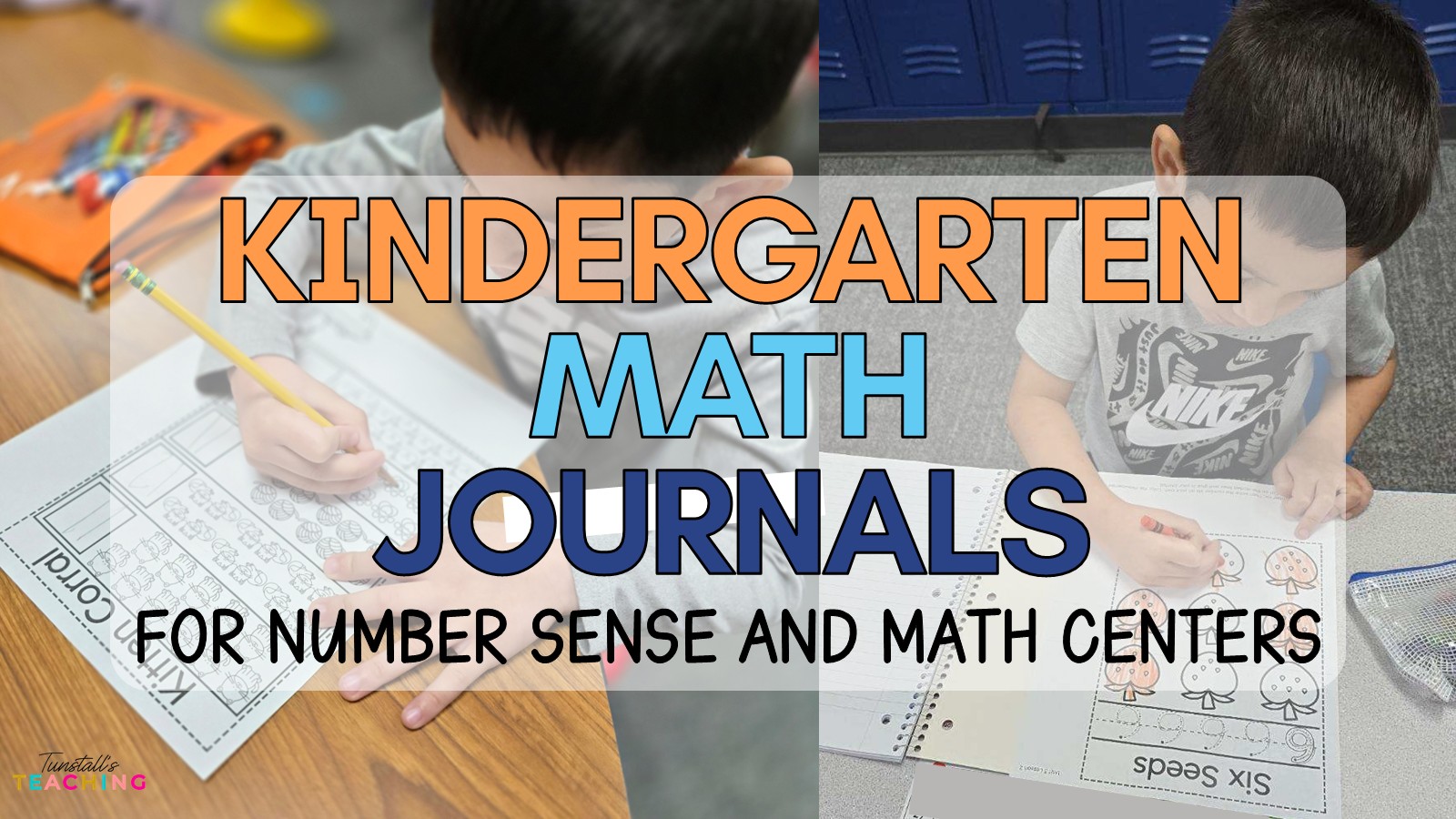
Kindergarten math journals are one of the most effective ways to build number sense, strengthen fine motor skills, and create meaningful math routines from the very beginning of the school year.
If you have used math journals in upper elementary grades, kindergarten looks a little different. At this level, the structure, expectations, and developmentally appropriate tasks matter just as much as the math content itself.
In this post, I will show you how to use kindergarten math journals in your math block, why they work for young learners, and how they connect to Guided Math. Plus, you can download free sample pages later in this post to try right away. 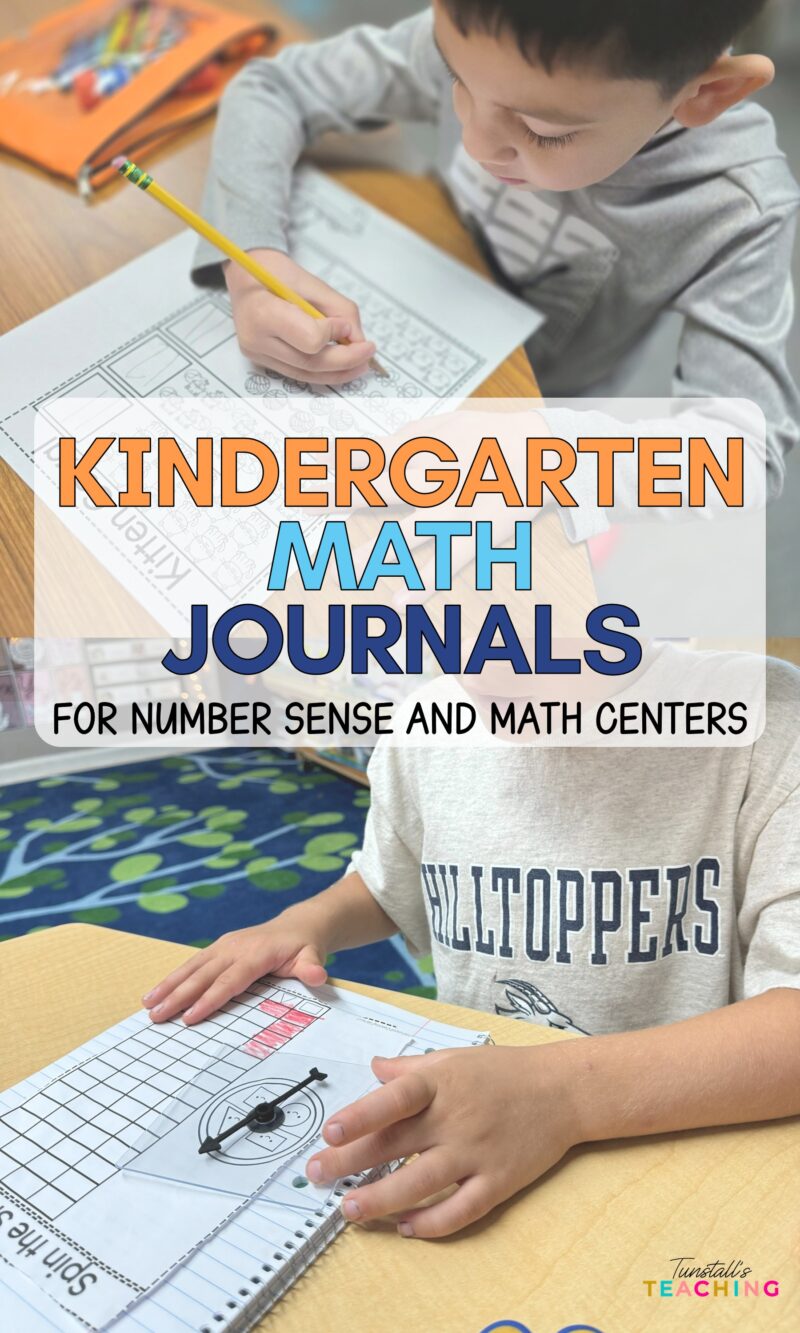
What Are Kindergarten Math Journals
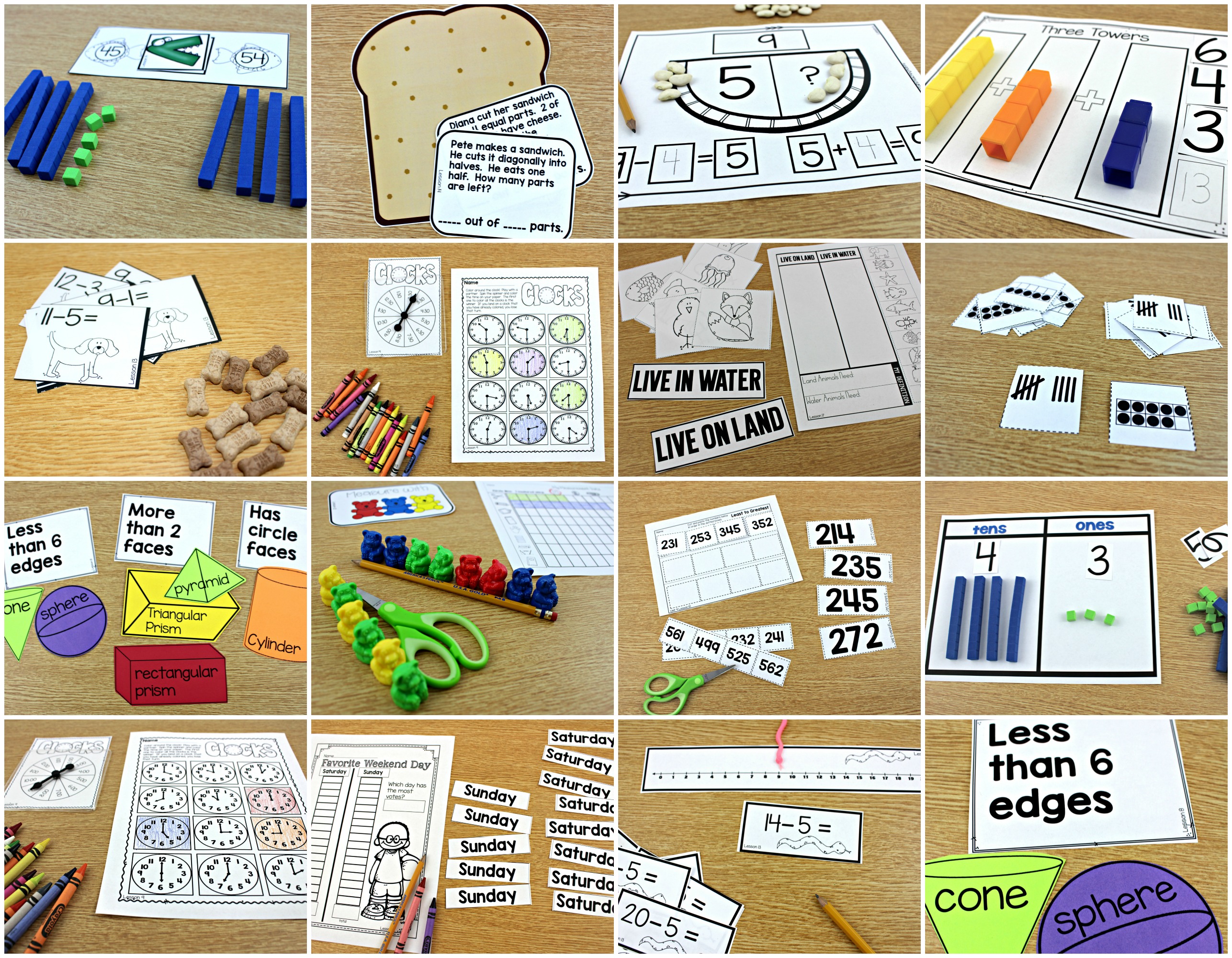
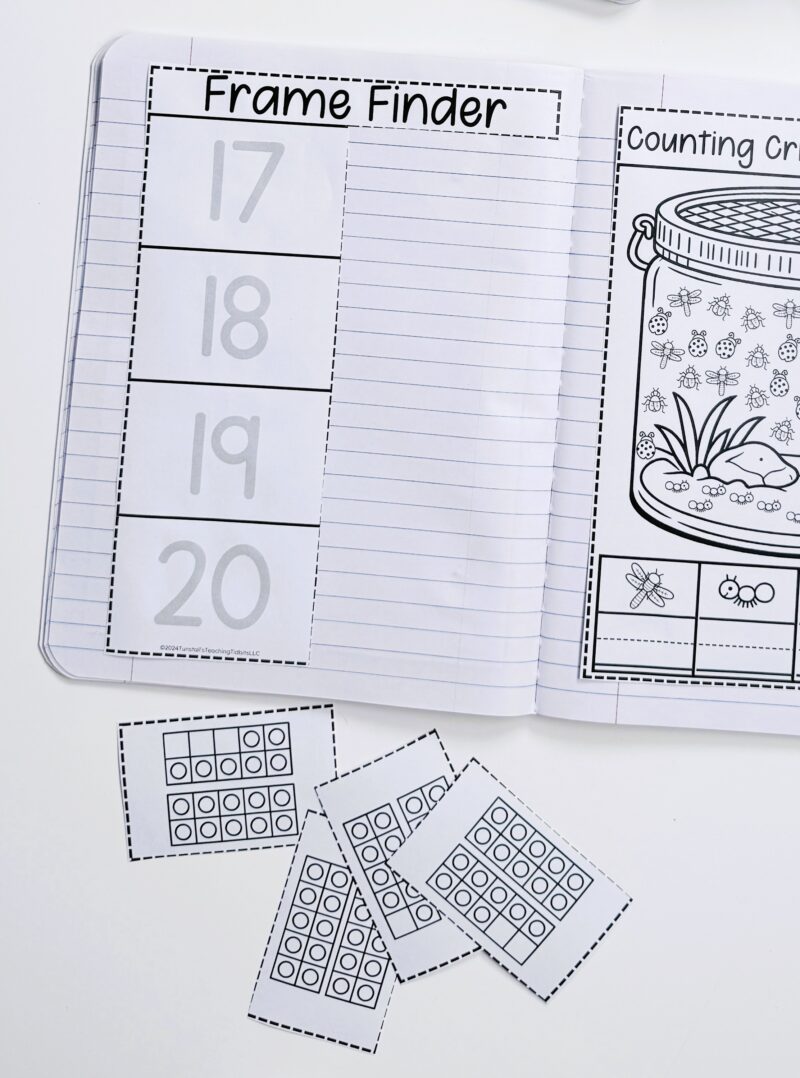
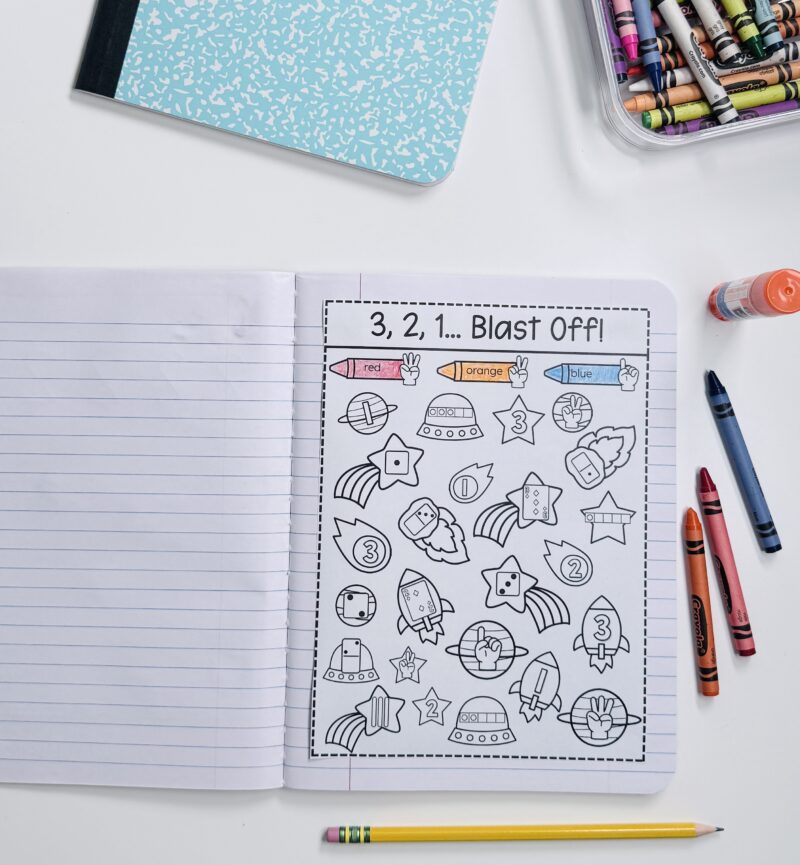
Kindergarten math journals are simple, hands-on math activities that students complete and store in a composition notebook. Each page focuses on a specific number sense skill and gives students a consistent way to show their thinking.
Students cut, sort, glue, and interact with math concepts in a way that is appropriate for their developmental stage. This interactive math notebook becomes a record of math learning through the year. They are intentional learning tools that grow with your students.
Why Kindergarten Math Journals Work
Kindergarten students need hands-on experiences, repetition, and structure. Because of this, math journals provide a simple and effective solution.
They Build Number Sense Daily
First, each journal page focuses on foundational skills like counting, comparing numbers, and making sets. As students work through these tasks, they develop a deeper understanding of numbers.
They Support Fine Motor Development
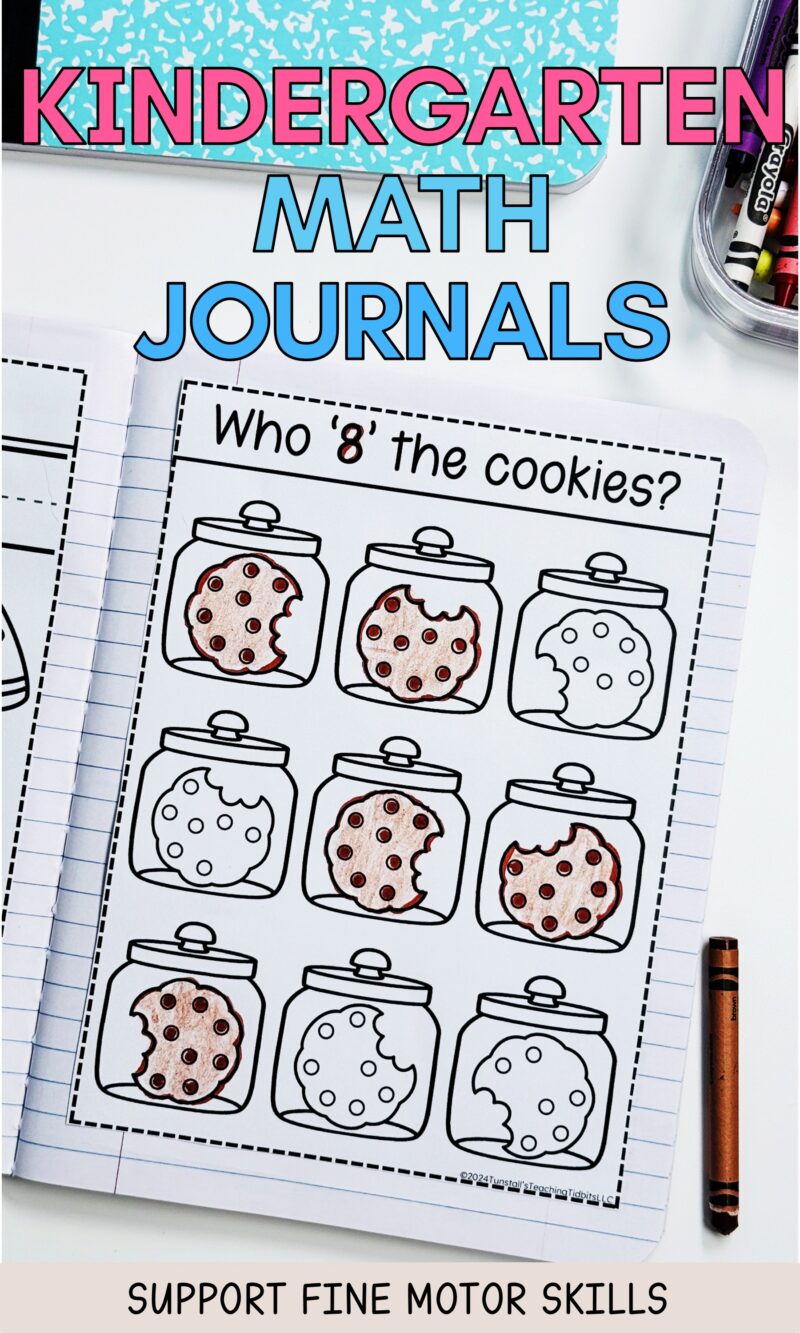
Students strengthen fine motor skills through cutting and gluing. Instead of overwhelming them, these journal pages use simple cutting lines that are easy to manage. Because of that, students experience success and build confidence.
They Create Independence in Math Centers
Over time, students learn the routine and begin working independently. As a result, you can run small groups without constant interruptions.
They Provide Built-In Accountability
Finally, students keep all of their work in one place. This makes it easy to track progress and gives students a sense of ownership.
How Kindergarten Math Journals Fit Into Guided Math
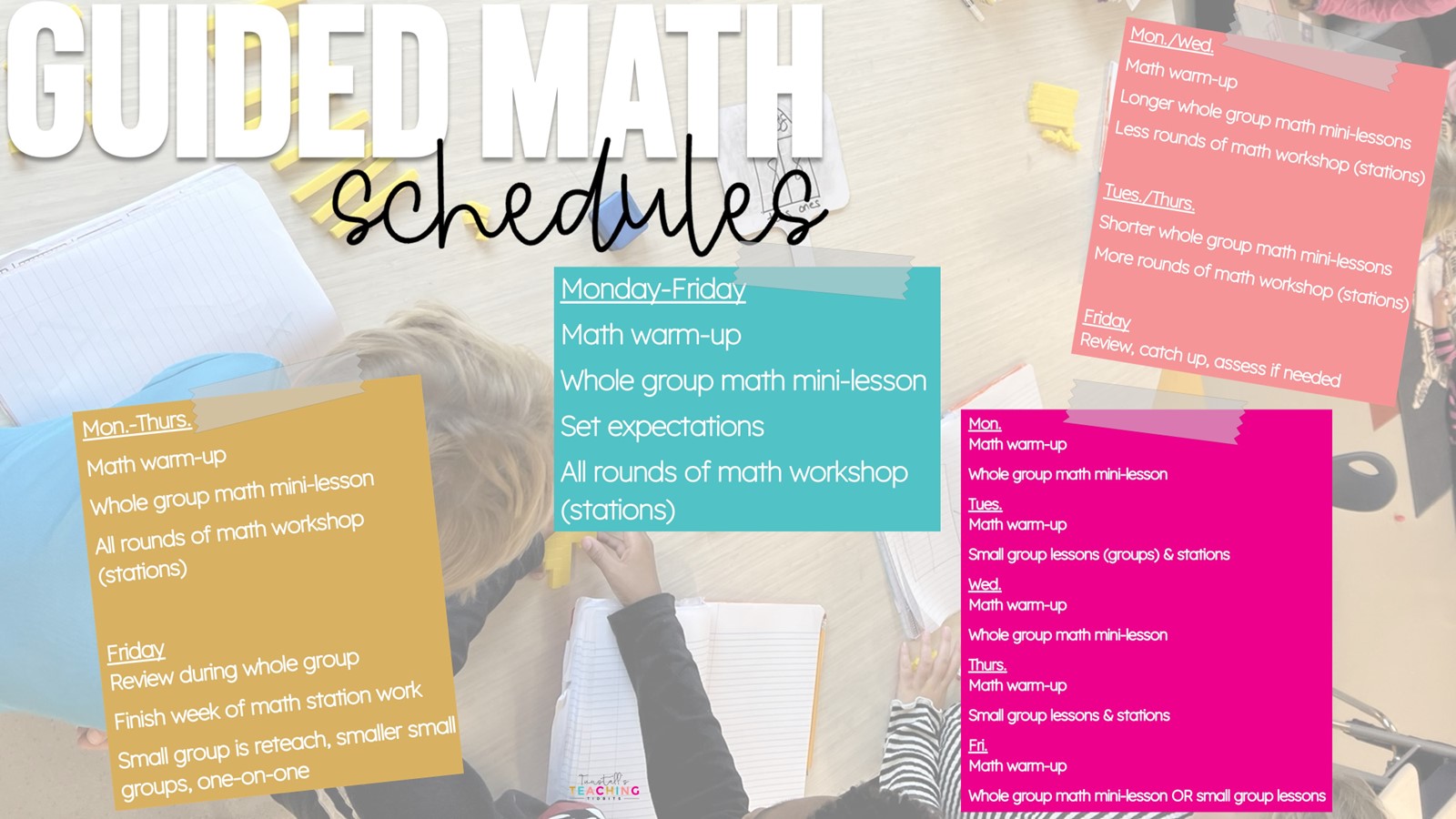
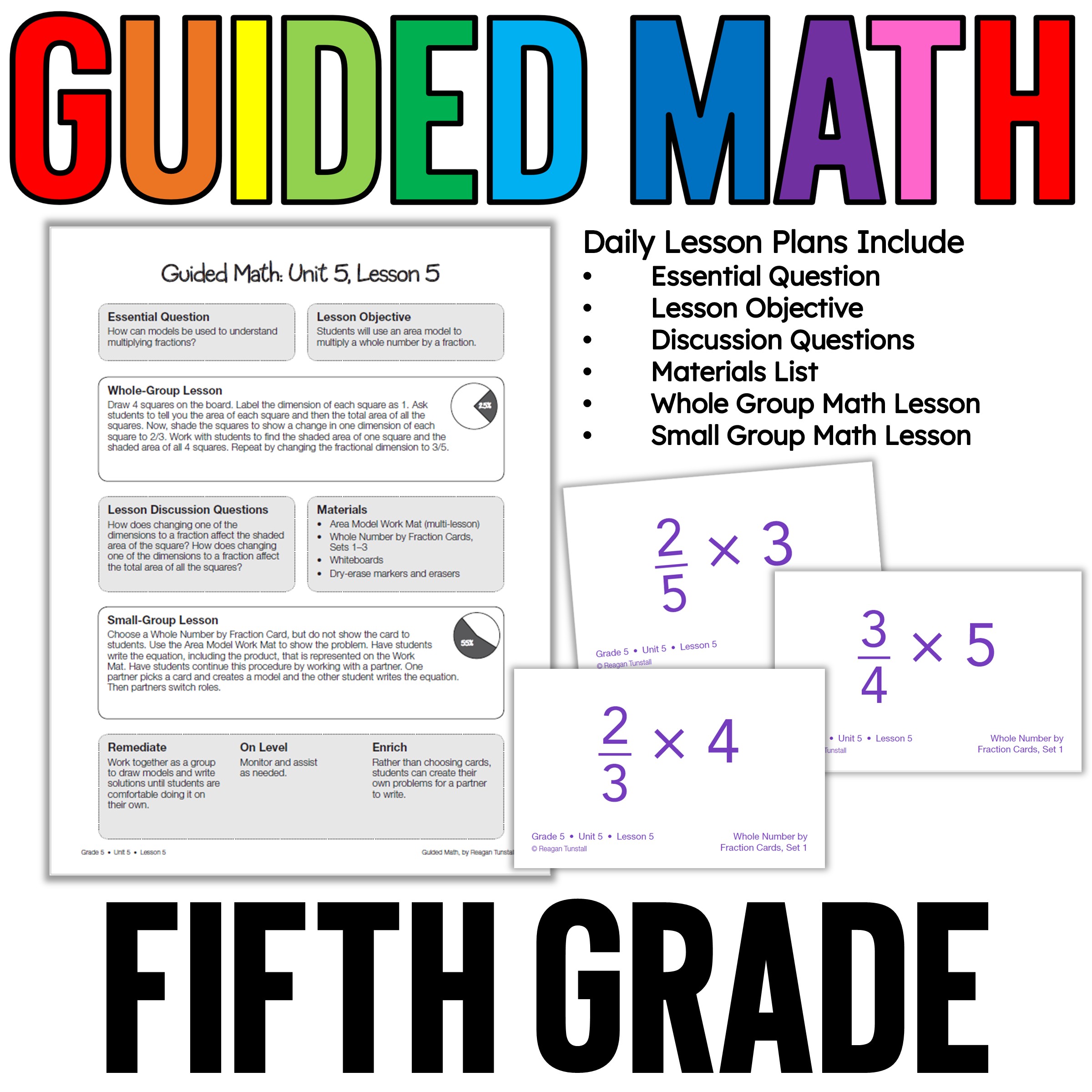
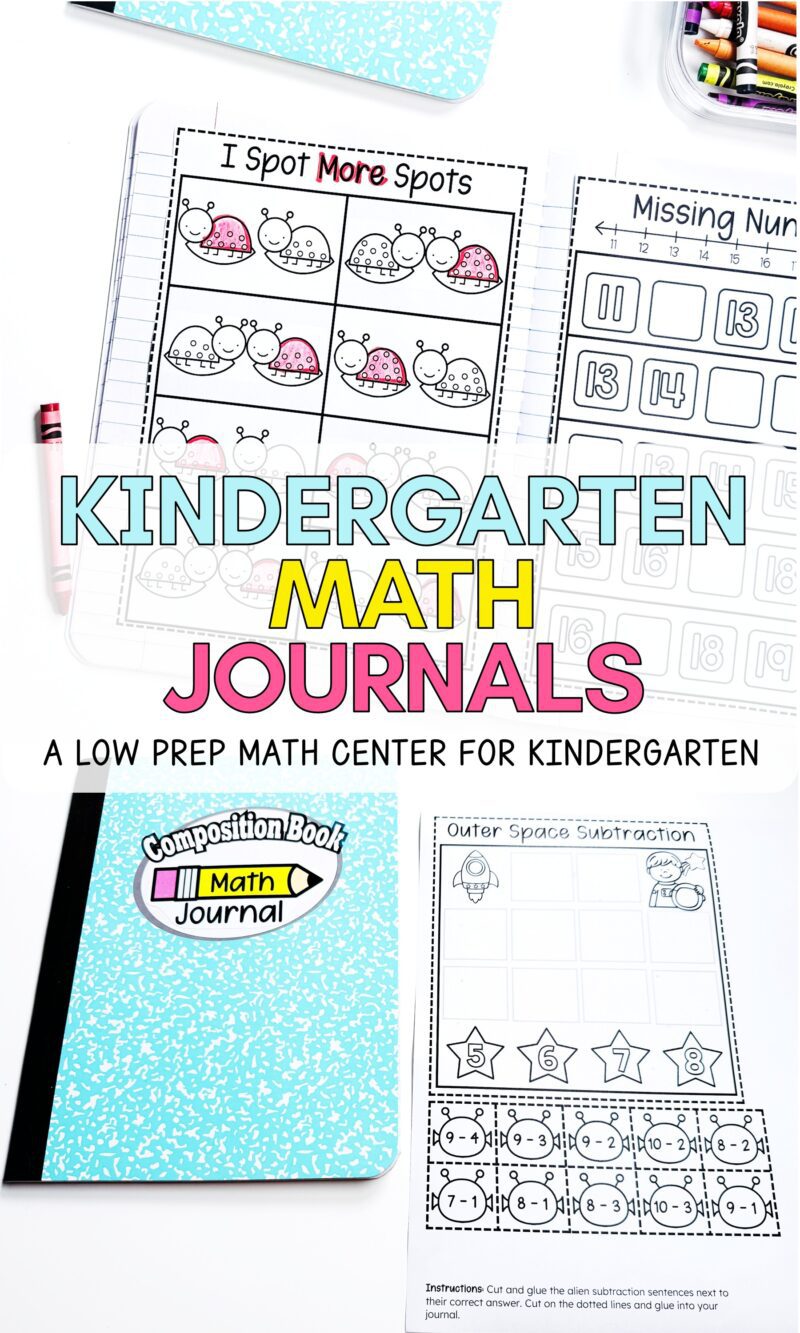
If you are using a Guided Math structure, math journals fit seamlessly into your student math centers or math rotations time.
They work especially well as:
- An independent math center
- A quiet, focused task during small group time
- A consistent routine that does not require reteaching directions daily
These journals align directly with kindergarten Guided Math topics, making them easy to integrate without adding extra planning.
For a full breakdown of how math journals work across K to 2, you can read the original post here:
Getting Started with Math Journals K–2.
What Skills Are Included in Kindergarten Math Journals
These journals are designed to follow a natural progression of number sense skills.
Some of the key skills include:
- Counting and representing numbers
- One more and one less
- Comparing numbers
- Making numbers in different ways
- Ten frames and early place value understanding
- Basic addition and subtraction concepts
Each topic in the Kindergarten Math Journal Bundle connects to what you are already teaching in your math block. This makes it an excellent support to any curriculum.
- numbers 0-10
- numbers 11-20
- comparing numbers
- addition
- subtraction
- geometry
- measurement
- graphs and data
How to Set Up Kindergarten Math Journals
Getting started is simple and does not require complicated materials.
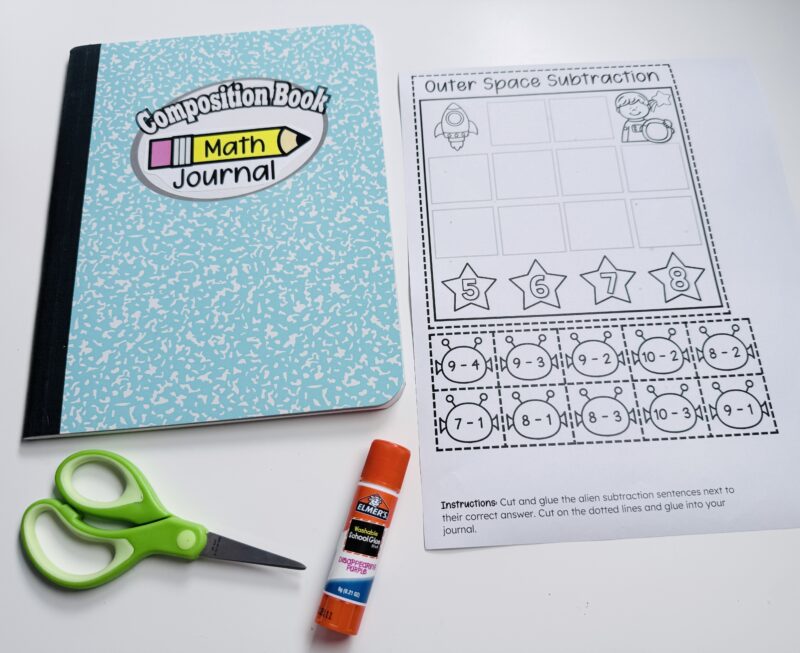
You will need:
- A composition notebook for each student
- Printed journal pages
- Glue and scissors
Students complete the activity, then glue it into their notebook. Over time, this becomes a complete record of their learning.
Keep expectations clear and routines consistent. That is what allows this to run smoothly all year. One way to do this is to praise a student who met expectations and share their work under the document camera pointing out each high quality expectation. For example, “I love the way the journal entry sits right on the middle of the page and does not come out of any of the sides or top.” “I also love how this person used just the right amount of glue.” “The number formation shows me this student used their best handwriting.”
Try Kindergarten Math Journals for Free
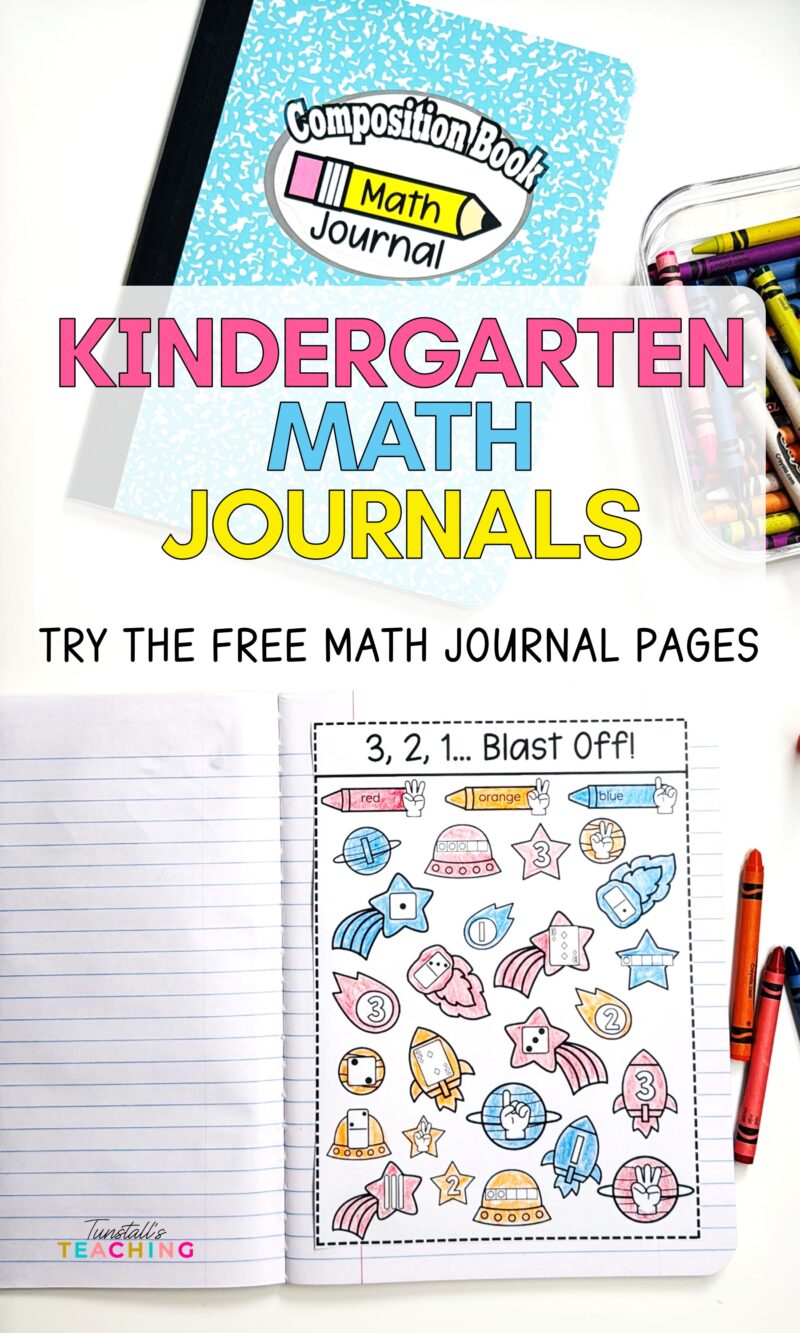
To help you get started, I am sharing free sample kindergarten math journal pages.
These samples will give you a clear picture of:
- The structure of each activity
- The level of rigor
- How students interact with the math concepts
Kindergarten Math Journal Bundle
If you are ready to implement math journals consistently, you can find the full set here:
Kindergarten Math Journal Bundle
This money-saving bundle includes nine journals that align with kindergarten math skills and math topics across the year. Each journal builds on previous learning so students continue to grow in both math understanding and independence.
Why This Works for Kindergarten
Kindergarten math journals are successful because they meet students exactly where they are.
They combine:
- Hands-on math learning
- Developmentally appropriate fine motor practice
- Clear and predictable routines
When those pieces come together, students are more confident, more independent, and more engaged in math.
Frequently Asked Questions About Kindergarten Math Journals
Do kindergarten students need help completing these
At the beginning of the year, yes. Once routines are established, most students can work independently with minimal support. To teach math journal expectations, these activities are done after the whole group lesson as a guided practice. Once students know the routine and expectations, they can be placed in a math station for students to complete independently. There is no need to rush this process.
How often should students use math journals
They can be used daily as a math center or several times a week depending on your schedule. Ideally these can be done daily, but many times there is not enough time for every student to go to every station each day. In kindergarten, keeping stations short and sweet is a great rule of thumb. Pacing plays a part of keeping students on task.
Are math journals graded
Math journals are typically graded once a week and a sticker is placed on the cover. Students love to show off their hard work and have total ownership of their learning in their personal math journal.