 Contact
How to Teach Telling Time in 1st and 2nd Grades
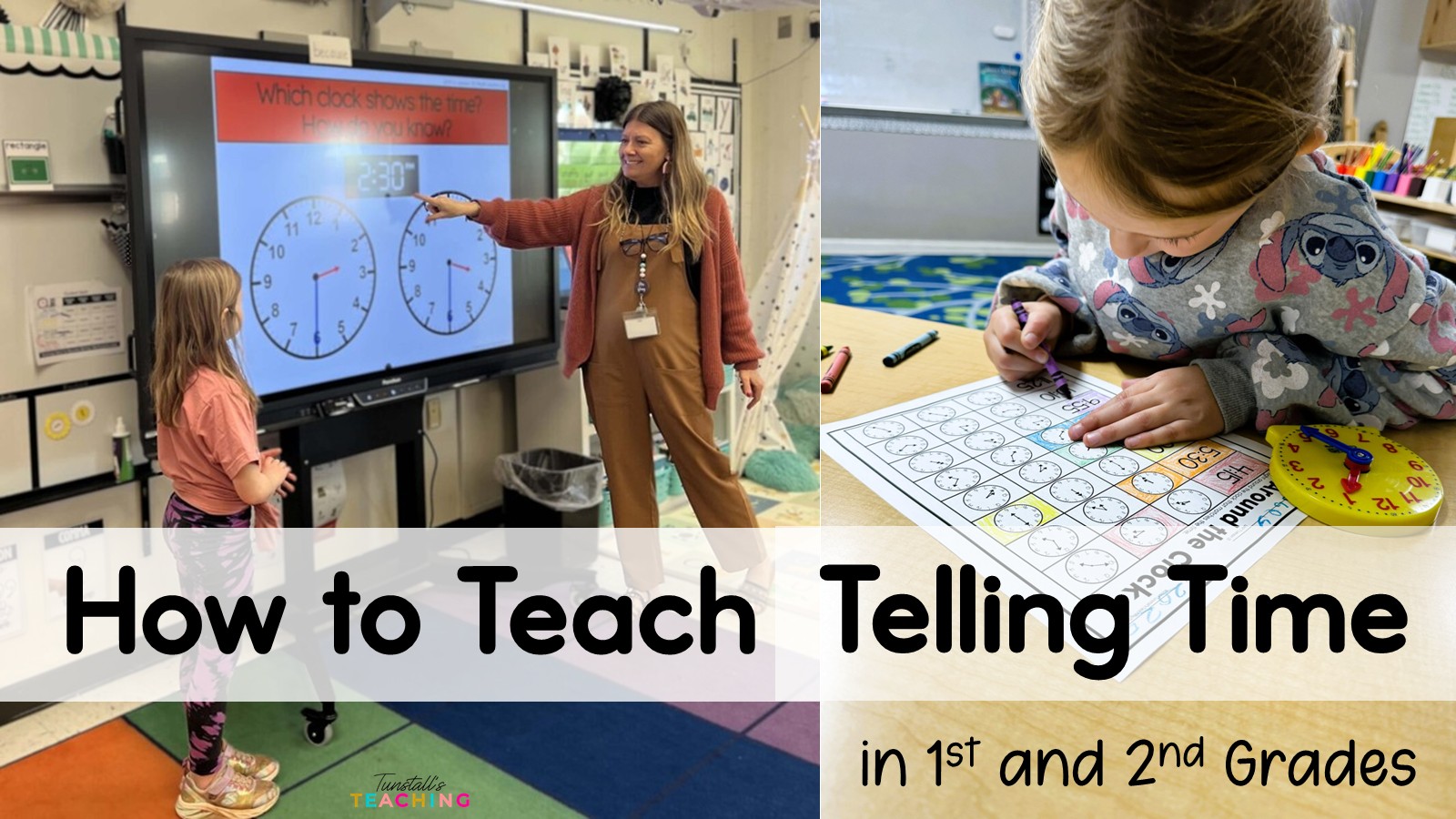
Teaching telling time in 1st and 2nd grades is one of those skills that looks simple on paper but quickly becomes challenging in the classroom.
Students may read a clock correctly one minute and then guess the next.
The challenge is not just reading time.
It is understanding how time works.
When students build that understanding through clear routines, visual models, and hands-on practice, telling time becomes a skill they can actually use and retain.
In this post, you will see how to teach telling time in a way that builds confidence, consistency, and independence in your math block.
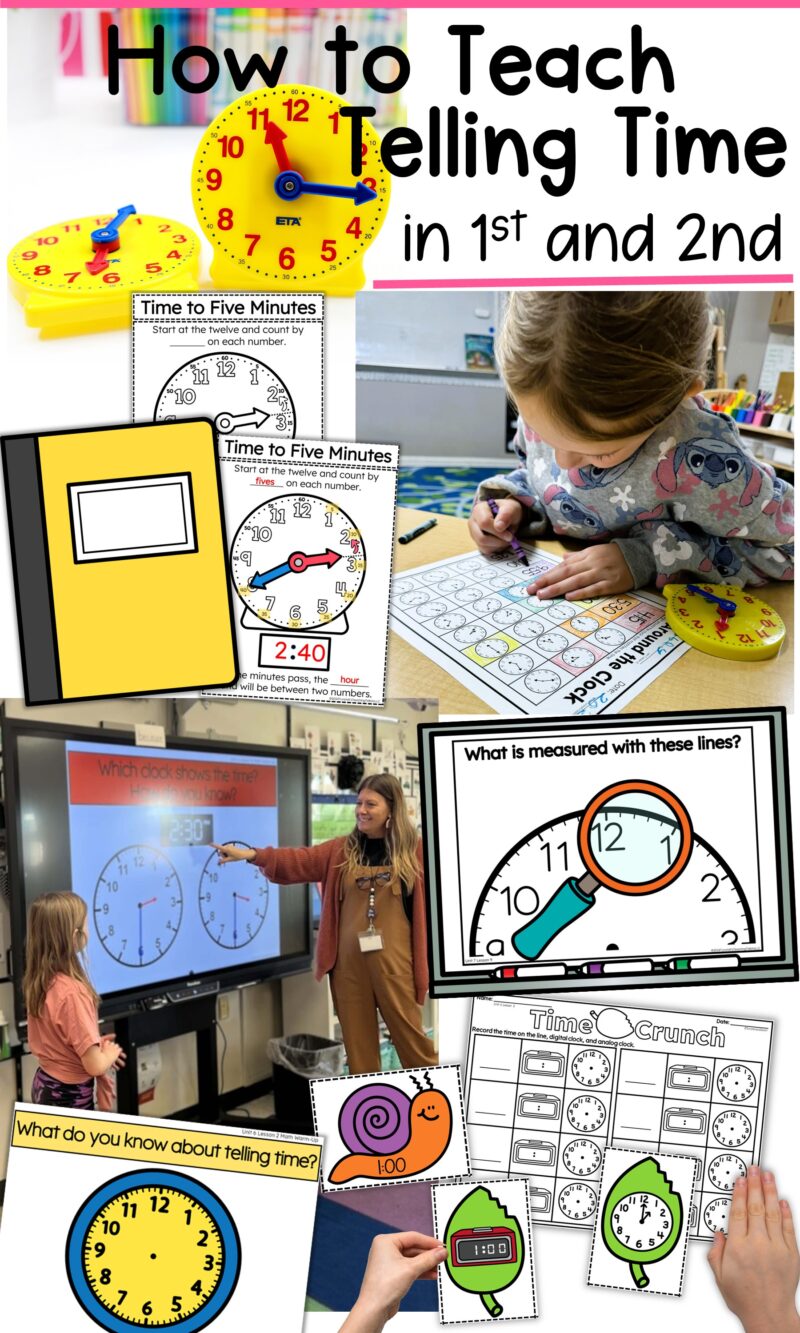
Why Telling Time Is Difficult for Students in 1st and 2nd Grades
Telling time requires multiple layers of understanding at once.
Students must:
- Recognize numbers on a clock
- Understand two different hands with different purposes
- Interpret movement and elapsed time by counting differently for different hands
- Connect analog and digital representations
One of the biggest challenges is that time is abstract. Students cannot hold it or see it the same way they can count objects.
Without strong conceptual understanding, students often rely on guessing or memorizing patterns instead of truly understanding.
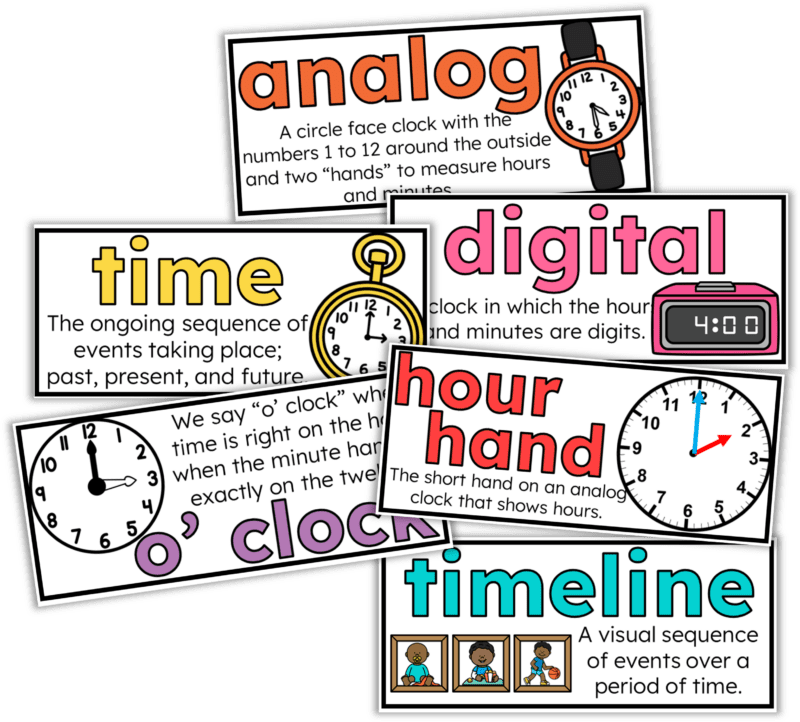
What Students Need to Understand Before They Tell Time
Before asking students to read a clock, they need a foundation.
Focus first on:
- What time represents (change and sequence)
- The parts of a clock (hour hand, minute hand, numbers)
- The difference between analog and digital time
- How the hour hand moves as time passes
Using clear visuals, repeated vocabulary, and modeled thinking helps students build this understanding early.
Total Math lessons provide step by step learning to enhance student engagement, understanding, and retention of these math concepts.
How to Teach Telling Time Using Math Workshop Routines
Telling time becomes much more manageable when it is taught within a consistent structure.
Instead of isolated lessons, use a predictable routine that students can rely on. The workshop routine layers effective math instruction so students can process important instruction in proven intervals and formats.
Daily Instructional Flow
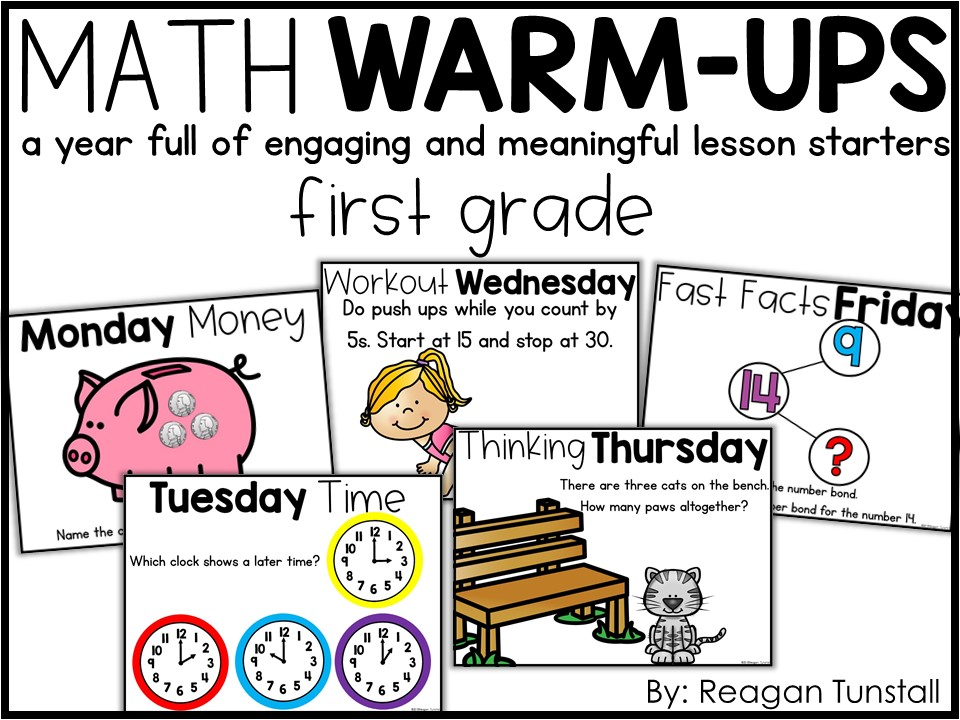
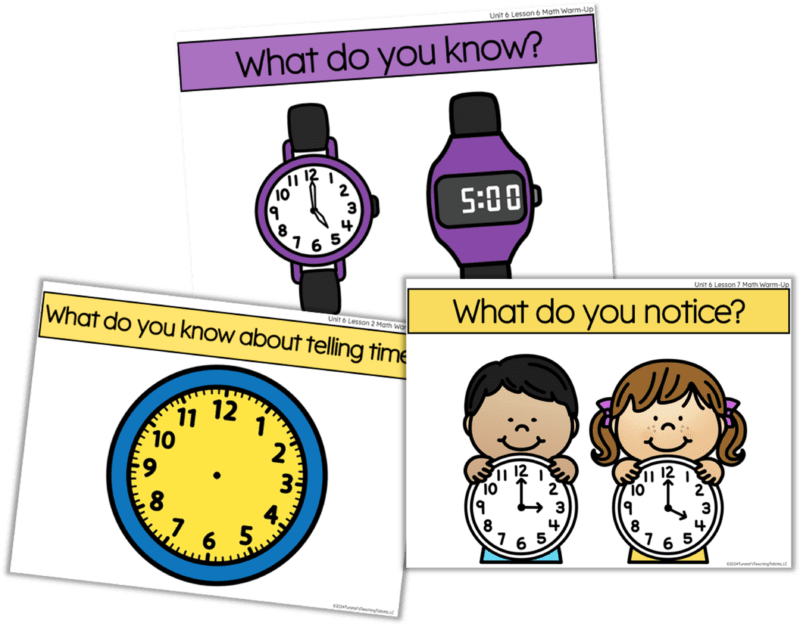
Warm-Up
Review previously learned time concepts through quick, consistent practice in an academic yet conversational setting.
Mini Lesson
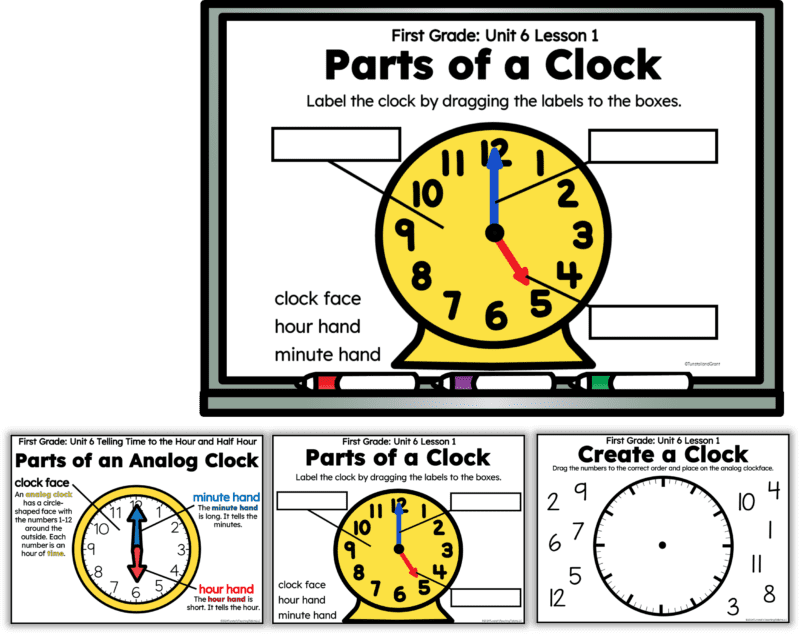
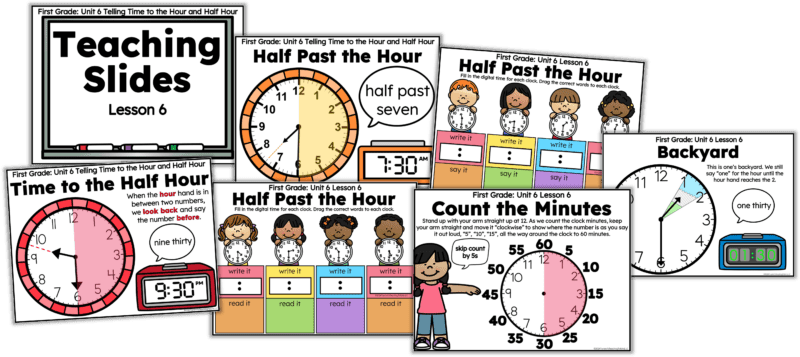
Model the skill using clear visuals and think aloud to show your reasoning. Interactive slides engage and teach students in a whole group setting.
Small Group Instruction
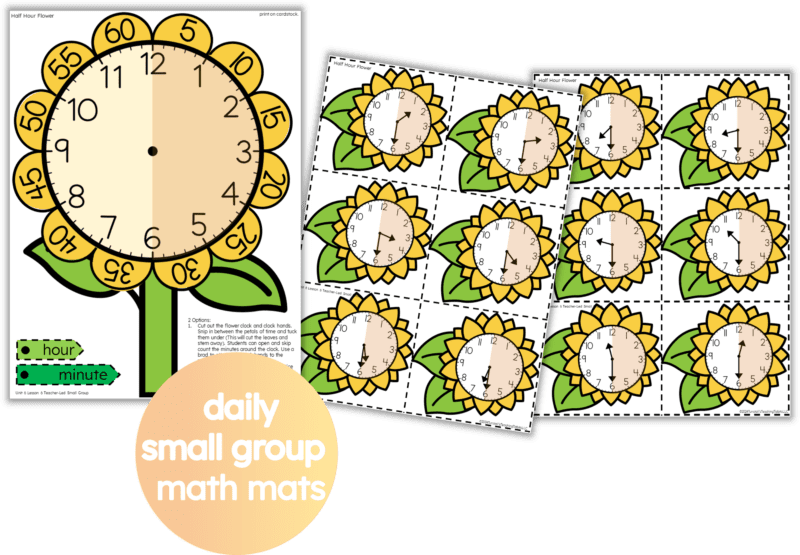
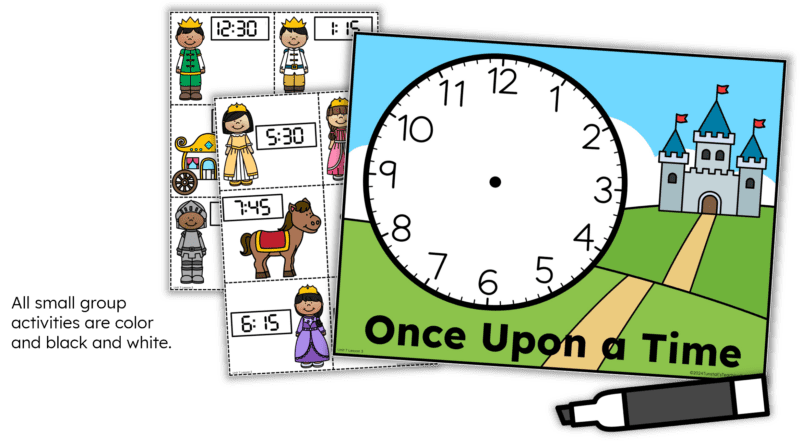
Target specific needs and misconceptions with hands-on support as students work with teacher in close proximity for a few minutes. Each math lesson also has differentiated small group activities in both color and black and white so you don’t have to waste time trying to come up with something to match the learning target each day. They are designed to bring the learning objective right to the small group table.
Math Stations
Provide independent practice that reinforces the skill in different ways. Provide ongoing engaging practice with concepts once they have been taught. This continues through the year and not just during the time unit so students retain and practice what they have learned.
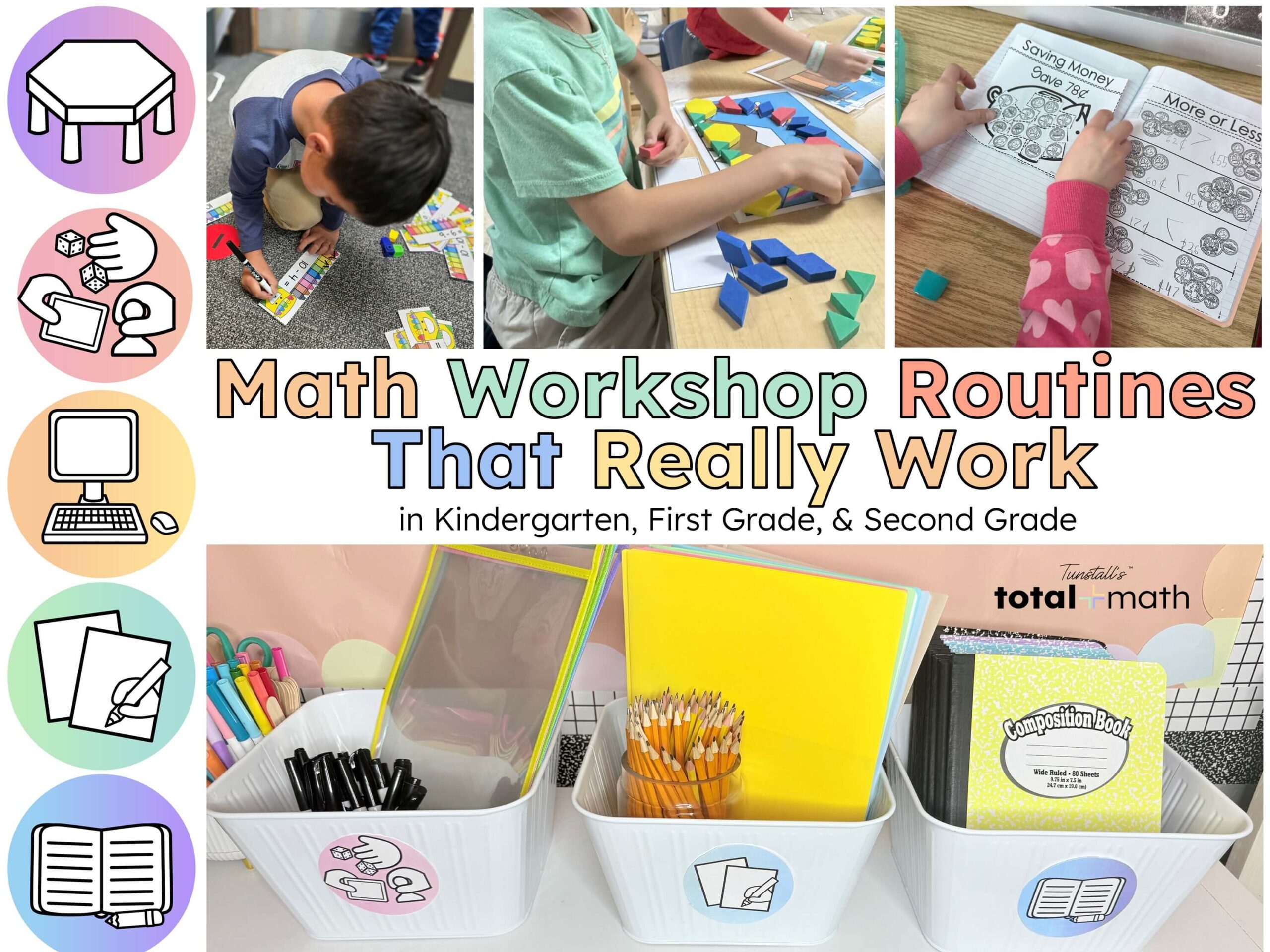
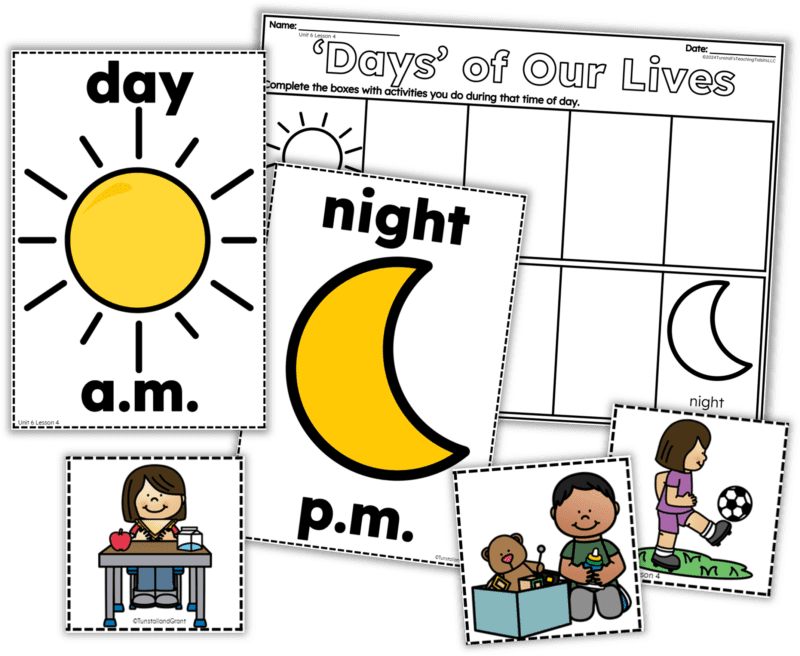
We use 4 student workstations for math: Hands-On Math, Technology Game, Application Page, and Learning Log. Examples of each below.
Every lesson in Total Math has the teacher led small group lesson and these four student stations aligned and ready to go.
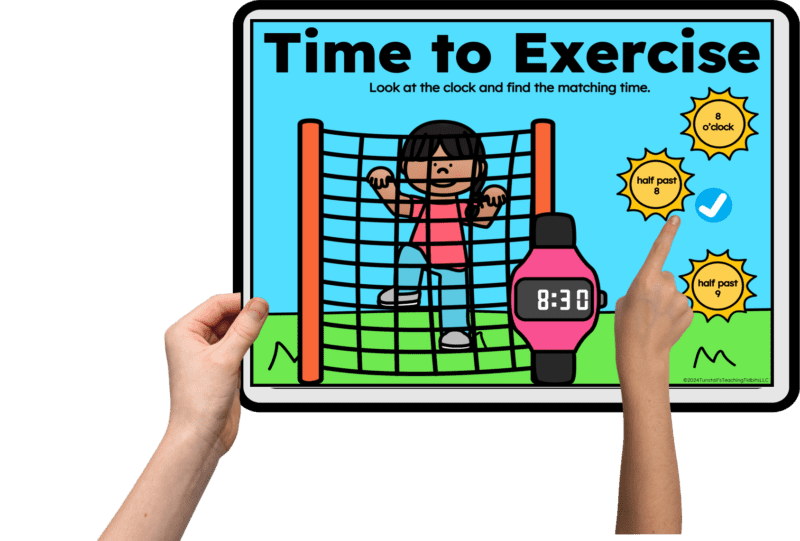
Try a Math on Technology Student Station Game for Free
Wondering if your students would like math technology games? You can try the Time to Exercise technology station game for free.
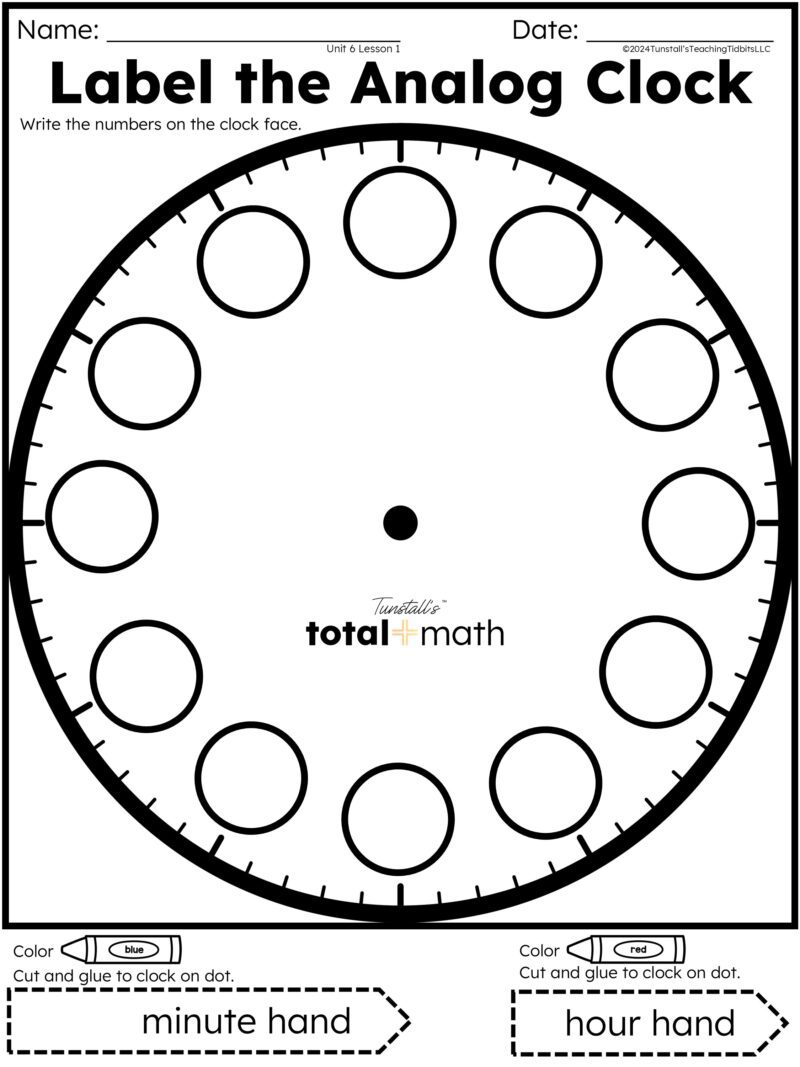
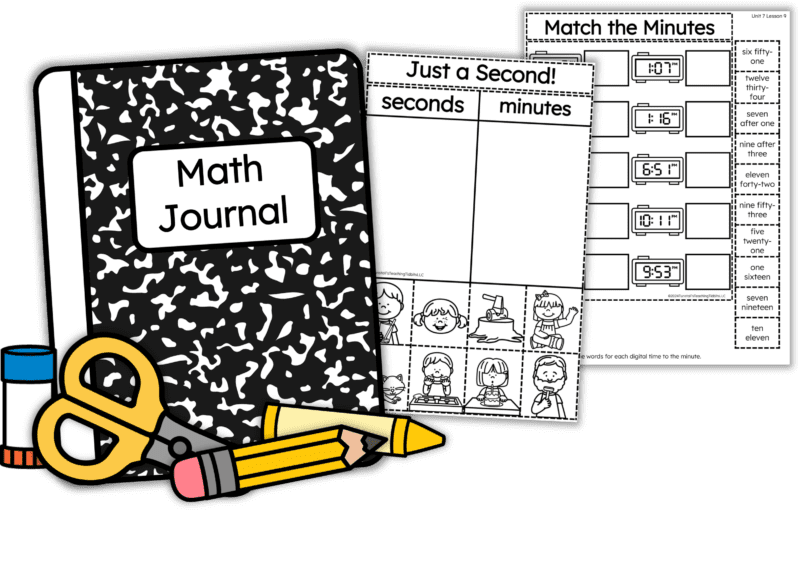
This structure allows students to see, practice, discuss, and apply telling time every day of the new learning and then ongoing through the school year.
Math Reflection Lesson closure
For each Total Math lesson, there is a closing slide to help pull the class back together and remind everyone the key learning target of the day. A simple student led conversation about the learning brings the day’s learning to a close.
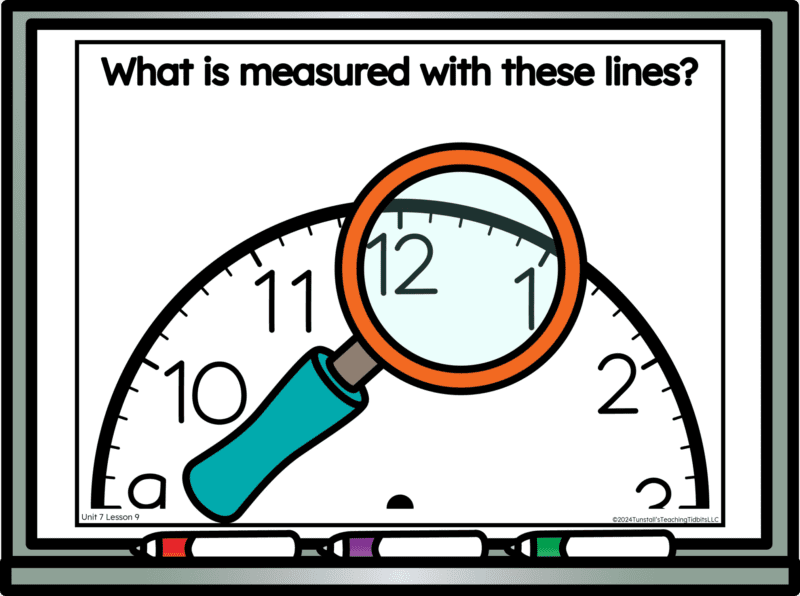
Free Telling Time Practice Pages for 1st and 2nd Grades
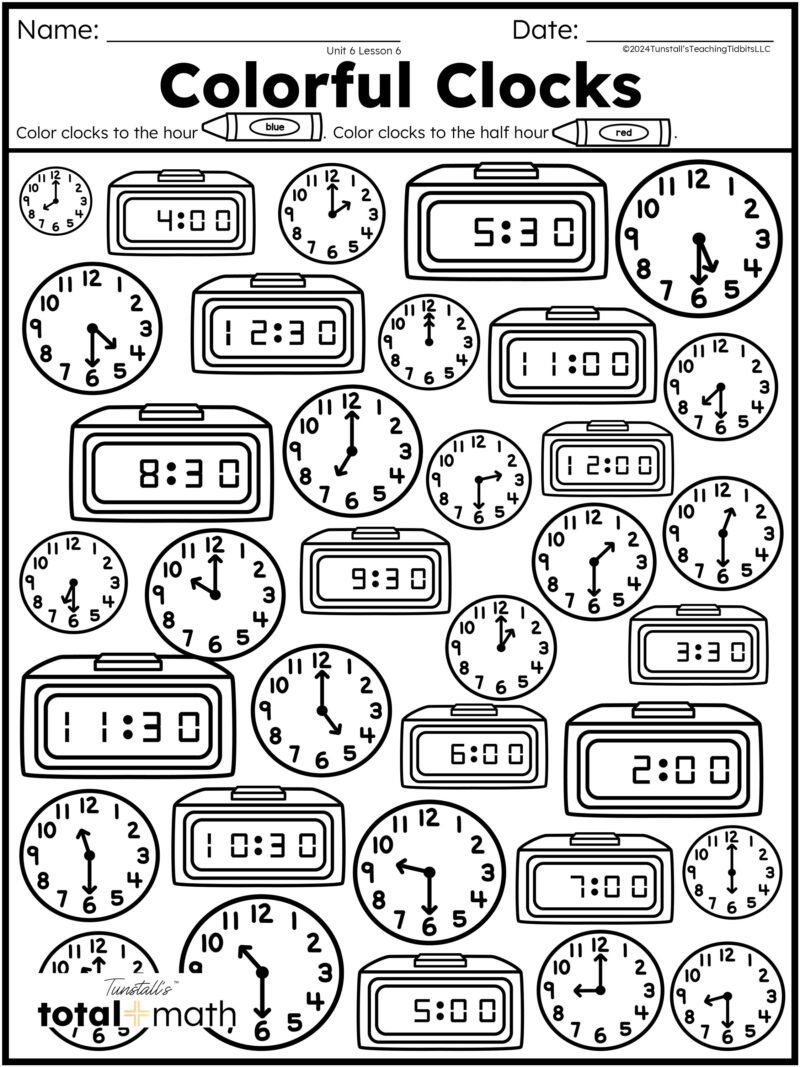
To support your instruction, you can use these free telling time practice pages.
First Grade: Hour and Half Hour
 Second Grade: AM or PM sort
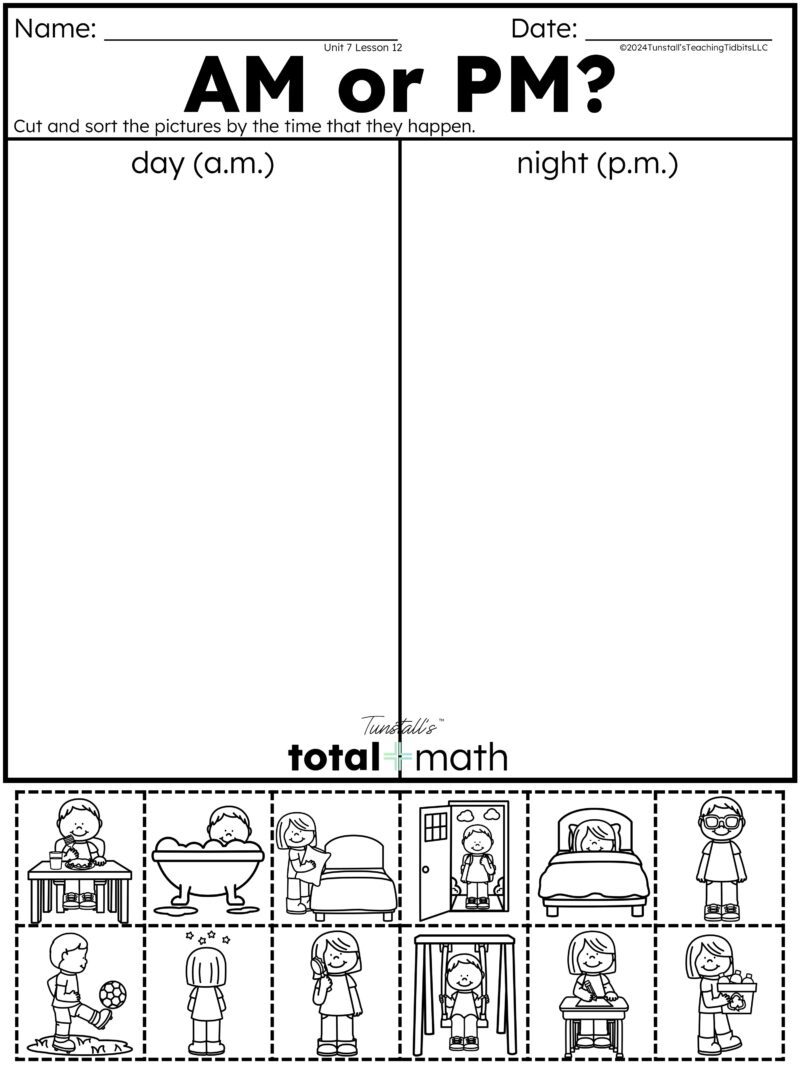
These pages are designed to reinforce concepts and support independent practice in your math block.
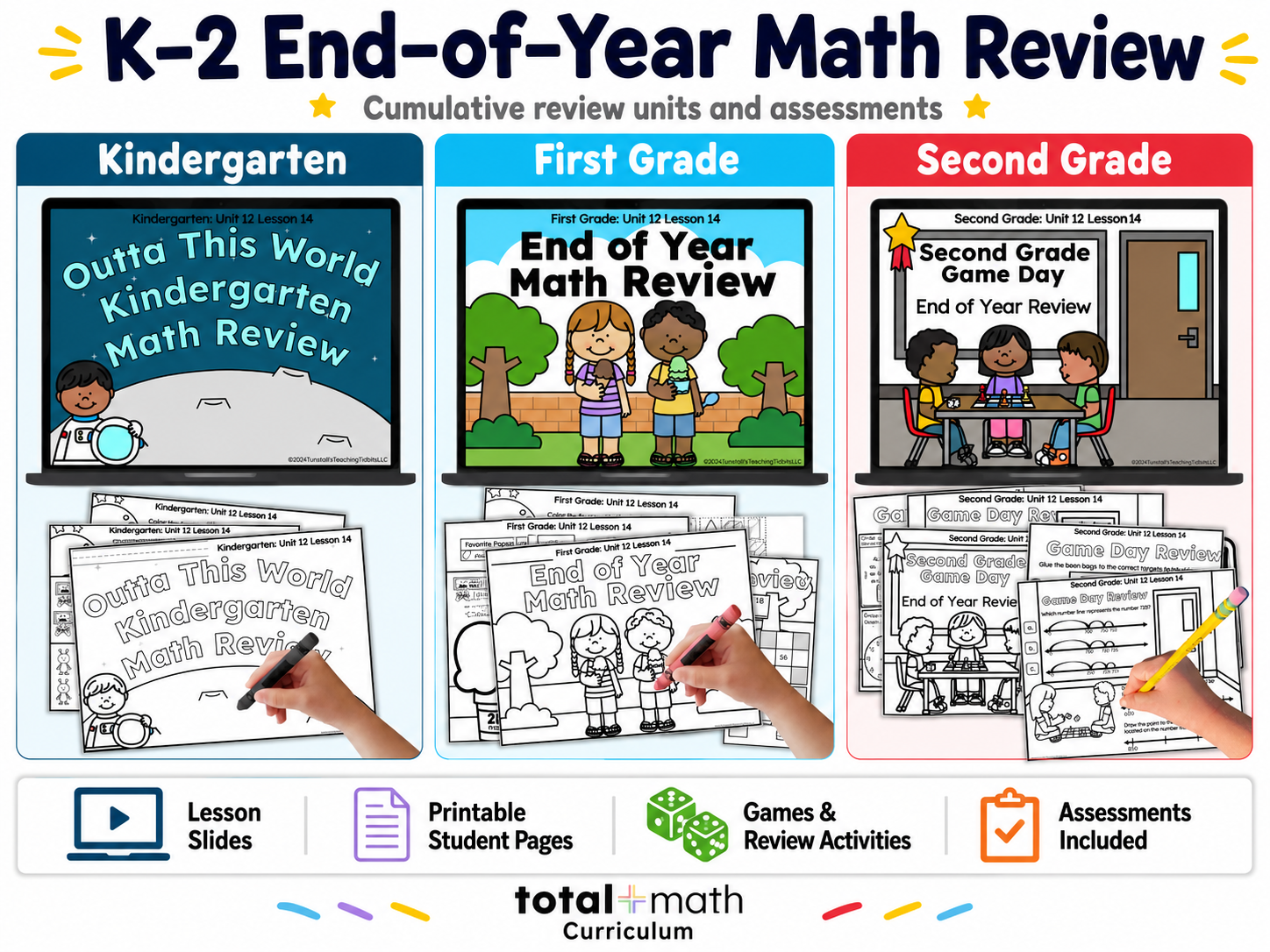
A Complete Telling Time Unit for 1st and 2nd Grades
If you want everything planned and ready to go, these units include:
- Daily warm up slides
- Vocabulary cards
- Lesson plans
- Interactive teaching slides
- Math Notes
- Exit tickets
- Small group lessons
- 4 Aligned math stations for every lesson (45 stations per unit!)
- Practice pages
- Math Notes
- Reflection Slides
- Assessments
👉 First Grade Telling Time Unit (Hour and Half Hour)
👉 Second Grade Telling Time Unit
These resources are designed to fit into a structured math block so you can teach with consistency and clarity.
FAQ: Teaching Telling Time in Elementary Grades
Telling Time Tips for 1st Grade Classrooms
In first grade, students are typically learning to tell time to the hour and half hour.
Keep instruction:
- Visual
- Consistent
- Focused on understanding
Helpful strategies include:
- Emphasizing the difference between the hour and minute hand
- Using language like “halfway between” to describe half hour
- Repeated exposure to clocks throughout the day
Avoid rushing into complexity before students are secure with these basics.
Telling Time Activities for 1st Grade (Hour and Half Hour)
Students need repeated, hands-on experiences to build confidence.
Effective activities include:
- Building clocks with movable hands
- Matching analog and digital times
- Drawing hands on blank clocks
- Sorting time cards
These activities allow students to actively construct their understanding instead of passively completing worksheets.
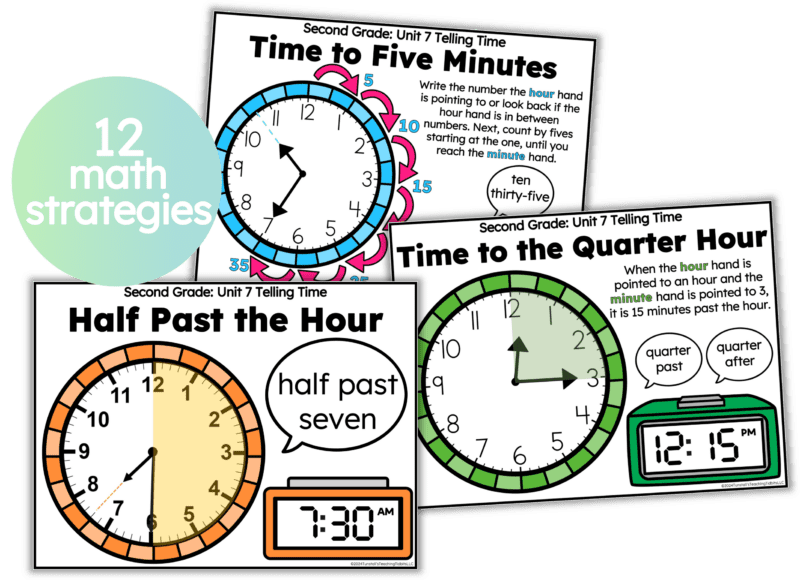
Telling Time in 2nd Grade (Time to 5 Minutes and Beyond)
In second grade, telling time extends to five-minute intervals and introduces more precision.
Students must:
- Skip count by 5 around the clock
- Understand that each number represents 5 minutes
- Read times like 2:35 or 4:50
This builds directly on first grade skills, so gaps from earlier instruction often show up here.
Using number lines, clock models, and repeated skip counting helps students make this connection.
Hands-On Telling Time Activities Students Use Independently
Independent practice is where understanding is strengthened.
Strong math stations for telling time include:
- Matching games with analog and digital clocks
- Build-and-show activities using manipulatives
- Time sorting and classification tasks
- Real-life schedule matching
These types of activities keep students engaged while reinforcing key concepts.
Common Telling Time Mistakes and How to Fix Them
Students often make predictable errors when learning time.
Mistake 1: Reading the minute hand as the hour
Fix: Reinforce the size and role of each hand consistently
Mistake 2: Confusion when the hour hand is between numbers
Fix: Practice identifying the “last number passed”
Mistake 3: Counting by ones instead of fives
Fix: Practice skip counting daily and connect it to the clock
Addressing these directly helps prevent long-term confusion.
How to Spiral Review Telling Time All Year
Telling time should not be taught once and then left behind.
Students benefit from:
- Daily warm-up review
- Mixed practice in centers
- Ongoing small group support
Spiral review helps students retain skills and apply them in new contexts.
How do you teach telling time in 1st grade?
Start with understanding clocks and focus on hour and half hour using visuals, hands-on practice, and daily routines.
Why do students struggle with telling time?
Telling time is abstract and requires multiple skills at once. Students need strong conceptual understanding and repeated practice.
When should students learn time to 5 minutes?
This is typically introduced in second grade after students are confident with hour and half hour.
More About the Math Block
If you love the structure of these lessons, you can find out more about this math workshop model in these posts.
Math Workshop Routines that Really Work