 Contact
Phonics Activities for First Grade That Build Strong Readers All Year
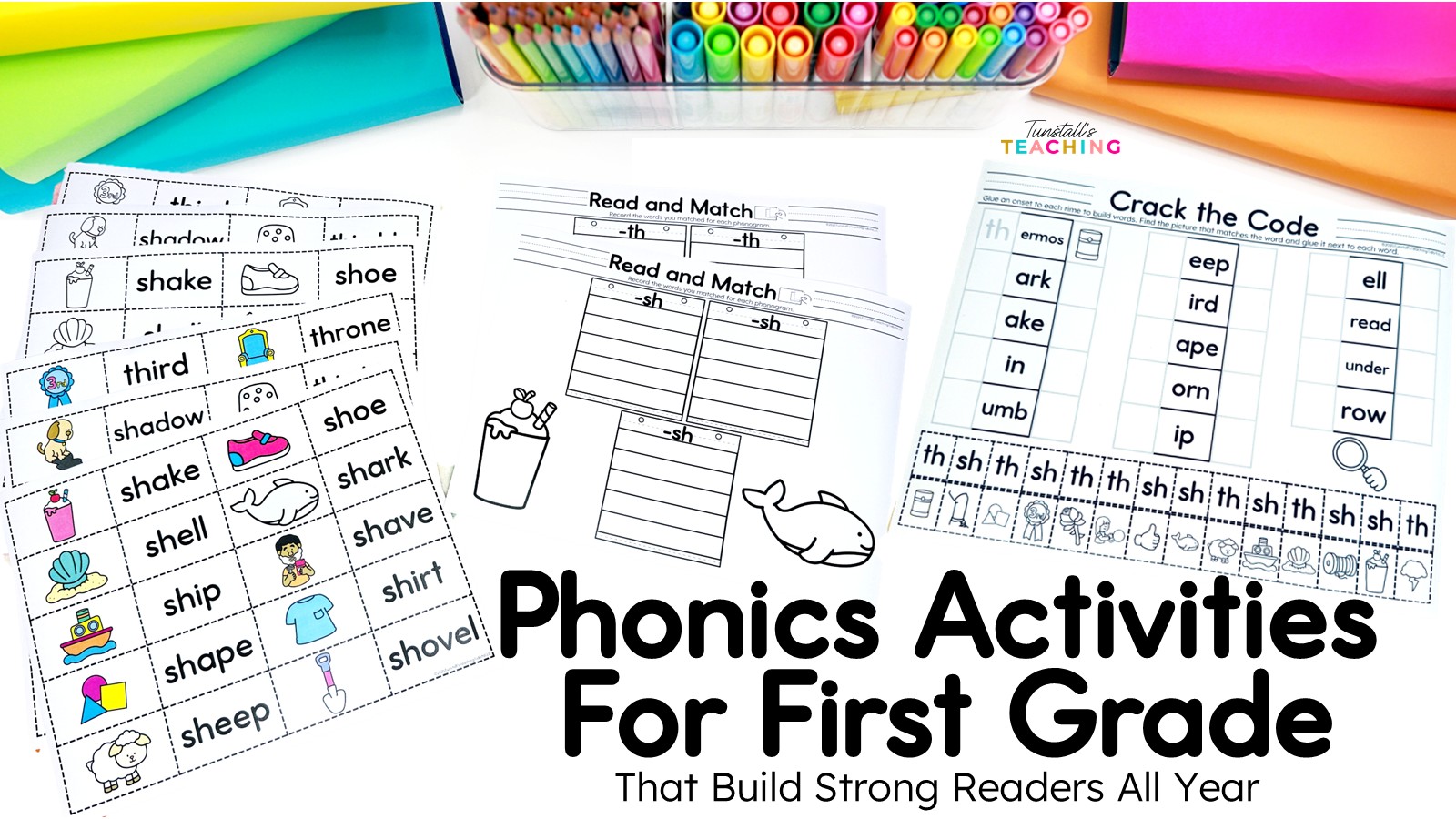
If you teach first grade, you know this is the year phonics truly takes off.
Students move from short vowel CVC words to silent e patterns, ending digraphs, vowel teams, and diphthongs. They need explicit instruction, repeated practice, and hands on engagement to truly master spelling patterns and apply them in reading and writing.
That is exactly why I have been updating my long standing phonics activities and word work literacy centers across my TpT store. Each set is designed to support systematic phonics instruction while making implementation simple and consistent for teachers.
Whether you are teaching short a CVC words, ending digraphs ch sh th, or vowel teams au and aw, the structure stays predictable so your students can focus on the learning.
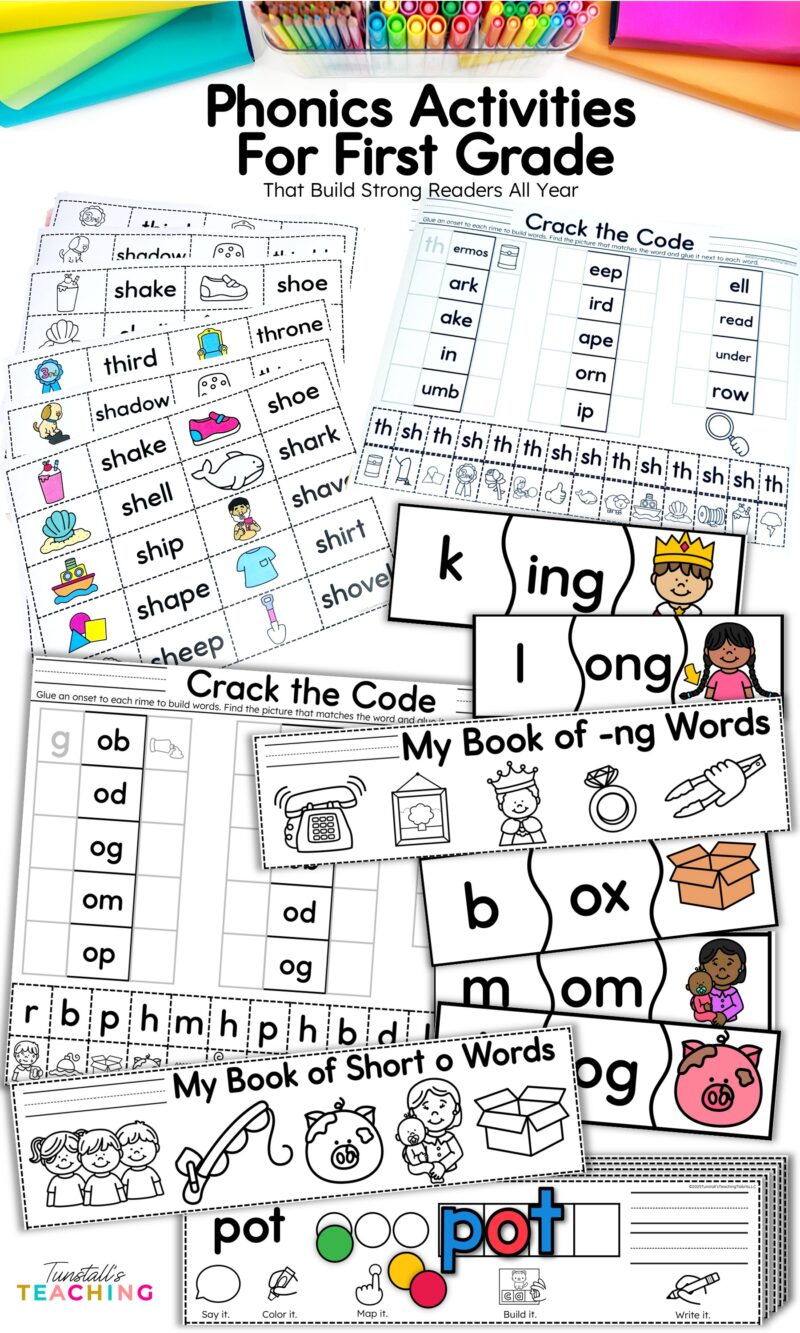
What Is Included in Each Phonics Set?
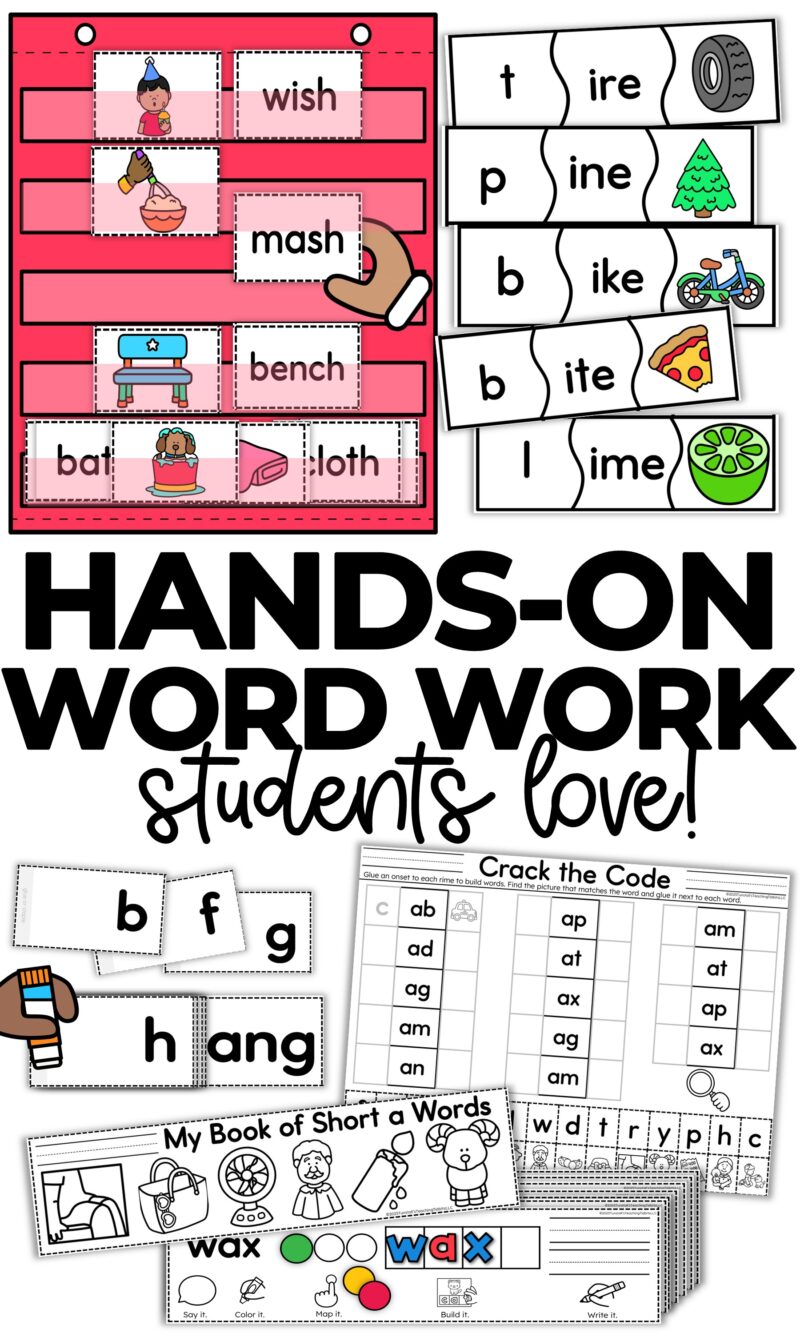
Each phonics unit follows the same weekly routine and includes five hands on activities:
-
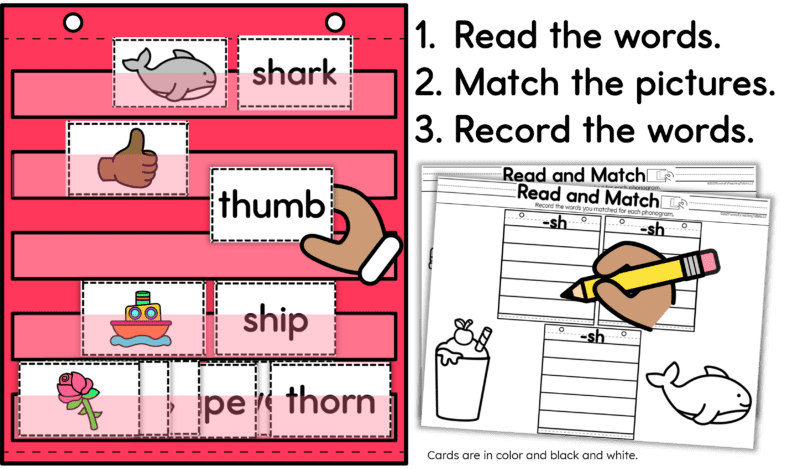
Read and Match
-
Crack the Code
-
My Book of Words
-
Spin and Write
-
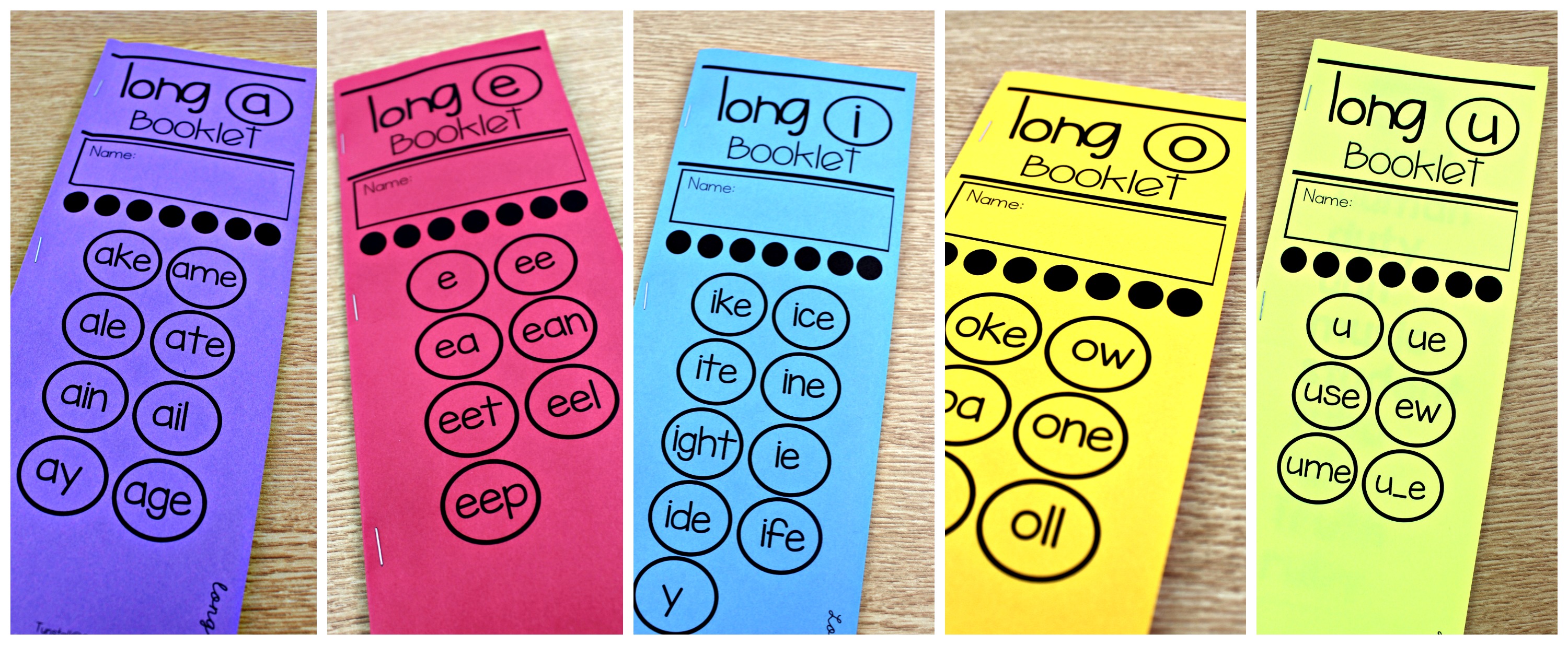
Phonics Flip Books or Read and Color
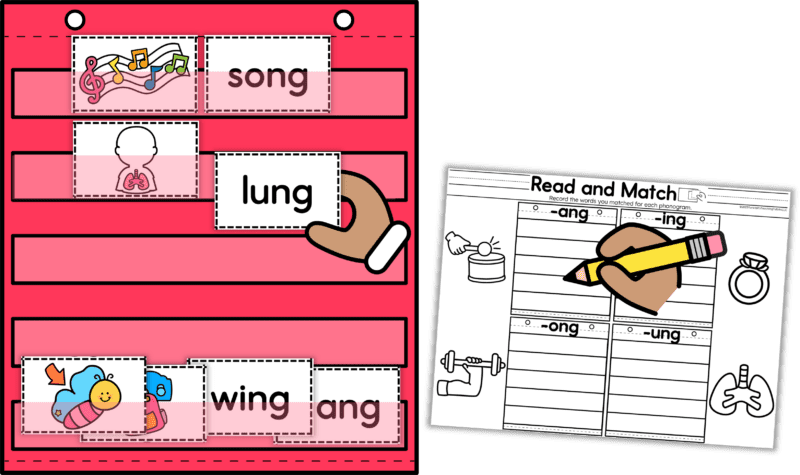
For example, in the Glued Sounds set, students will
-
Read and match -ing, -ang, -ong, -ung, words to pictures
-
Blend onsets and rimes to build words
-
Record words by phonogram
-
Build and read flip books
-
Practice accountability by writing and recording
In the AU and AW vowel team set
-
Read and match diphthong words
-
Build words like haul, lawn, August, pause
-
Complete onset and rime puzzles
-
Spin and write sentences
-
Read and color to reinforce correct spelling
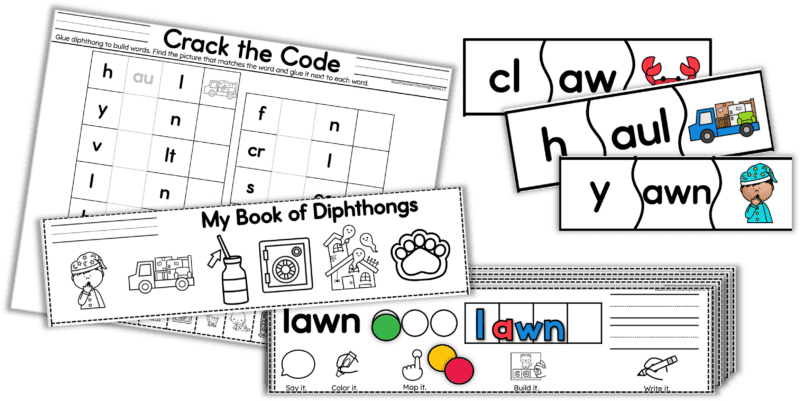
Cards and activities are included in color and black and white for flexible printing and center use.
This consistent structure builds independence quickly. Once students learn the routine, they can rotate through centers with minimal reteaching.
Why This Phonics Structure Works
1. Consistent Weekly Routine
The structure does not change from short vowels to vowel teams to digraphs. That reduces cognitive load and increases instructional time. Students are practicing the phonics skill, not trying to decode new directions.
2. Explicit Skill Practice
Each activity targets decoding, encoding, and word analysis:
-
Blending onsets and rimes
-
Reading words in isolation
-
Writing words by phonogram
-
Applying spelling patterns in sentences
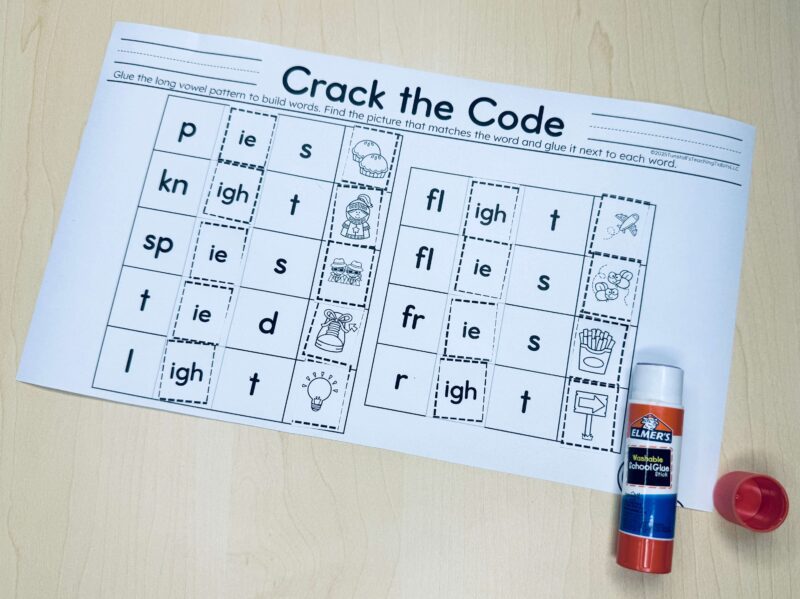
For example, the Crack the Code activity requires students to match onsets to rimes, then match pictures, and finally record the words. That sequence reinforces orthographic mapping through repetition and application.
3. Built In Accountability
Students are not just matching and moving on. They:
-
Record words
-
Write sentences
-
Build mini books
-
Complete written response sheets
That makes these centers meaningful, not just busy work.
4. Supports Multiple Instructional Formats
These phonics activities can be used:
-
In small group intervention
-
During whole group direct instruction
-
As independent literacy centers
-
For phonics review
-
As RTI support
-
For early finisher work
Because the format is predictable, you can model it once and reuse it all year.
Phonics Skills Included in These First Grade Word Work Centers
These phonics activities follow a systematic progression aligned to first grade phonics standards.
Short Vowel CVC Phonics Activities
Students practice decoding and encoding consonant vowel consonant words through hands on word building and literacy centers.
Consonant Blends and Word Patterns
Word Families and Chunking Patterns
These sets strengthen orthographic mapping by helping students recognize consistent rime patterns.
R Controlled Vowels
Silent E Long Vowel Patterns
Students practice CVCE words using onset and rime blending and word recording sheets.
Long Vowel Teams and Diphthongs
Additional Vowel Patterns
Digraphs and Consonant Teams
Advanced Phonics Skills
How to Use These Phonics Activities in Your Classroom
Here is a simple weekly structure that works beautifully in first grade:
Monday
Introduce the phonics pattern explicitly. Model decoding and encoding.
Complete one activity together, such as Read and Match. I love these cards as a pocket chart activity on Monday, but through the week students can continue to read and match while also playing games like concentration.
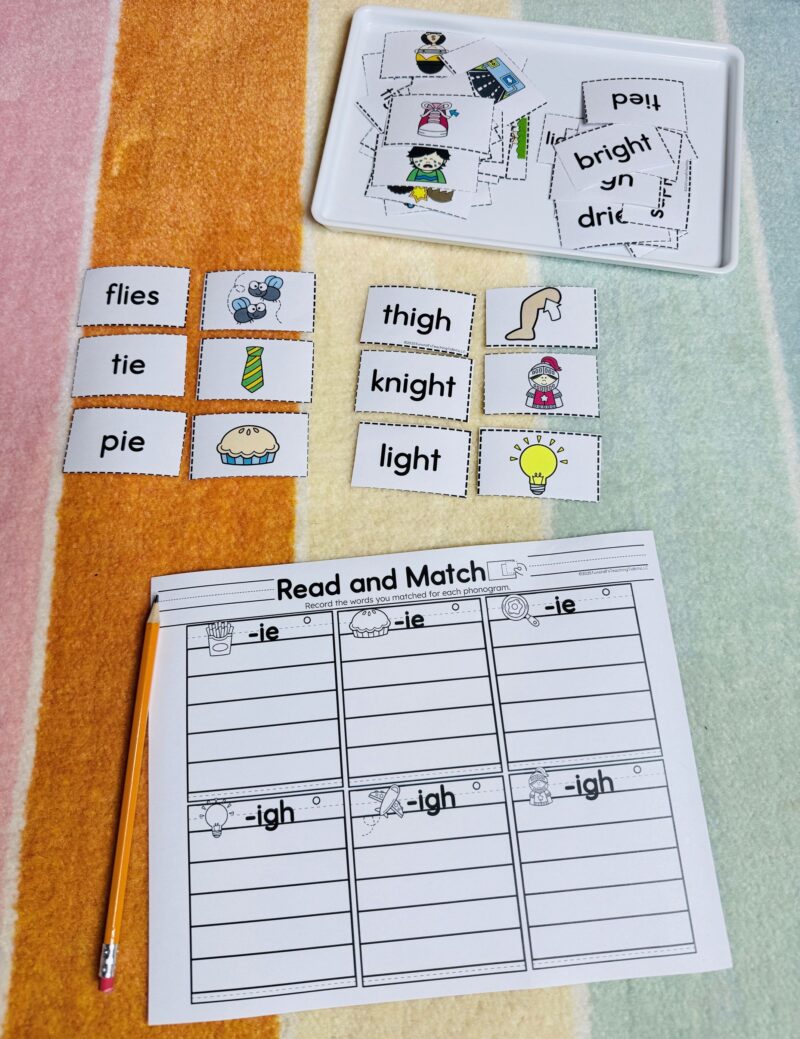
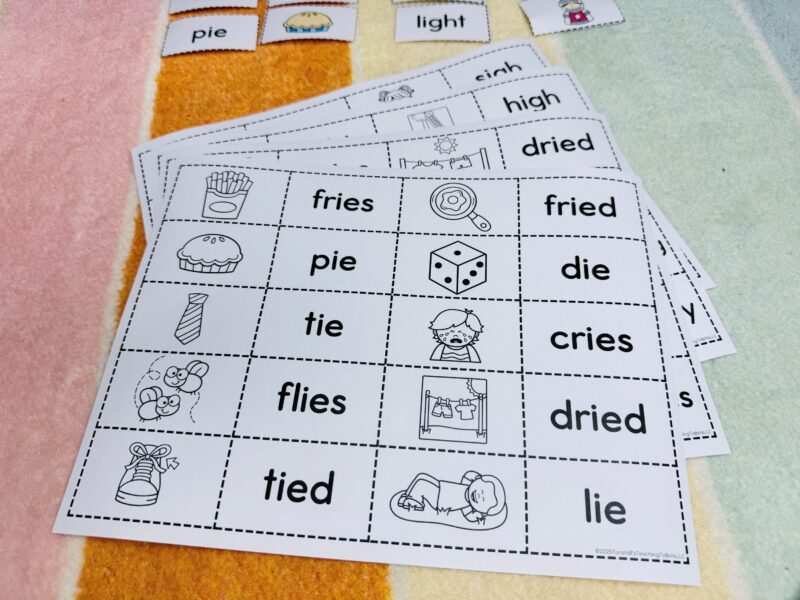
The black and white copies (shown below) go home as homework so parents and students have all the words and can work on them at home. This hands-on homework is well loved by parents and students.
Tuesday and Wednesday
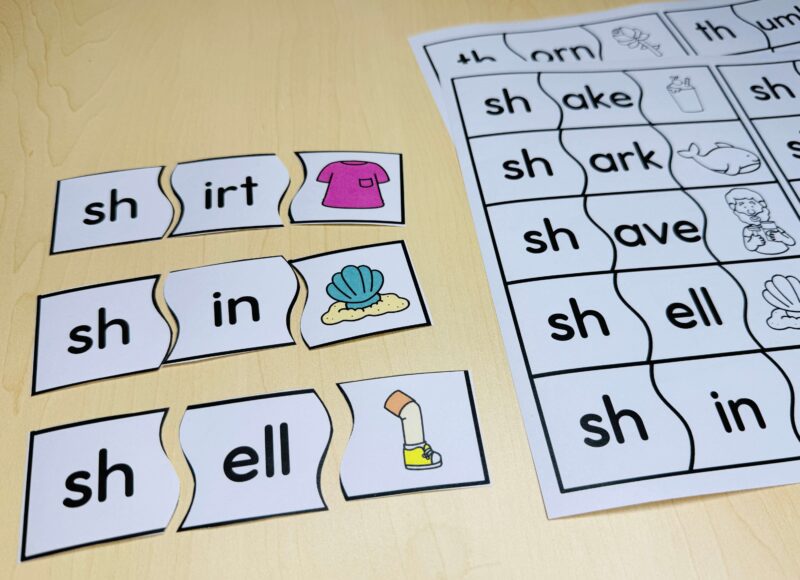
Focus on blending onsets and rimes. Students can put together the puzzles and then do the crack the code skill page. Because the puzzles come in black and white, a laminated set can stay in the classroom for a center and students can take the black and white copies home to make their own puzzles as a hands-on homework extension. This is another station that can be split into two days or sent as homework. We do puzzles on one day and the skill page as homework.
Small Group Phonics Instruction
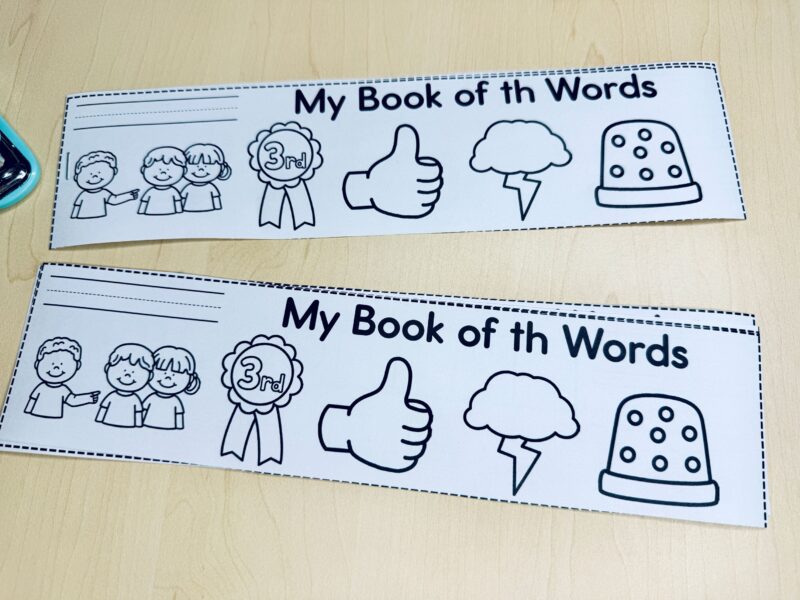
Students complete My Book of Words. This is something we do in small groups. Students will map the words and once finished, we put them into a book they can take home. 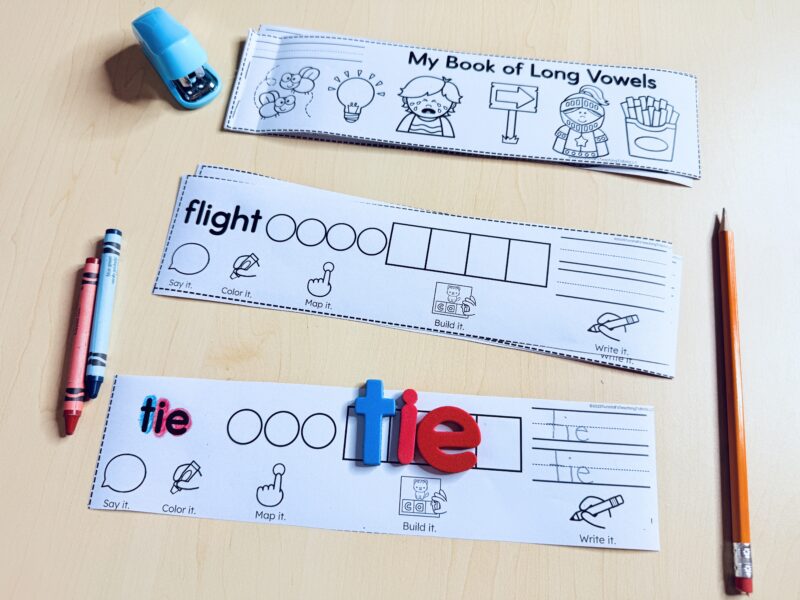
Thursday
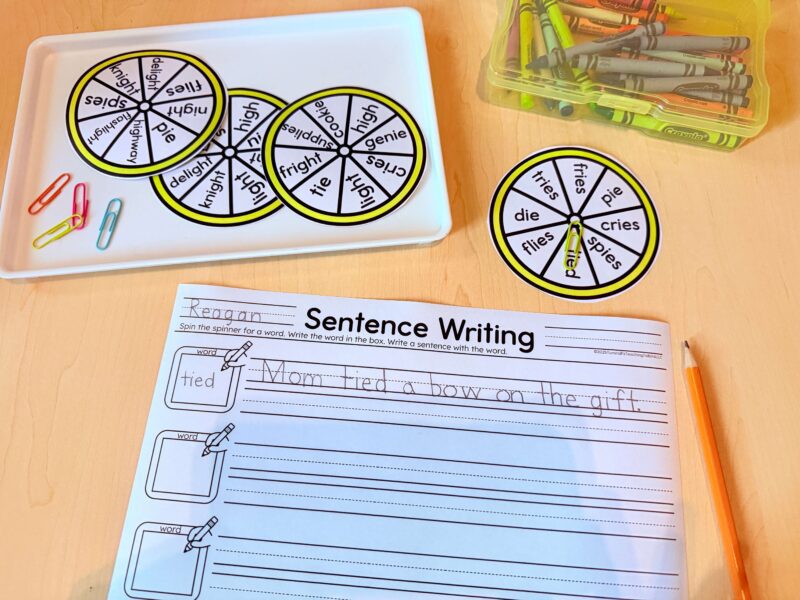
Use Spin and Write for sentence application. This builds transfer from word level to connected writing. This center is graded for writing. Students know they must use capital letters and punctuation.
All Week and Send Home on Fridays
The included Flip Books or Read and Color pages are student favorites. Collect recording sheets for quick formative assessment. These are another great activity to send home so students can make the flip books and practice reading them at home. The black and white copies make it easy and students love to color the words for their books too.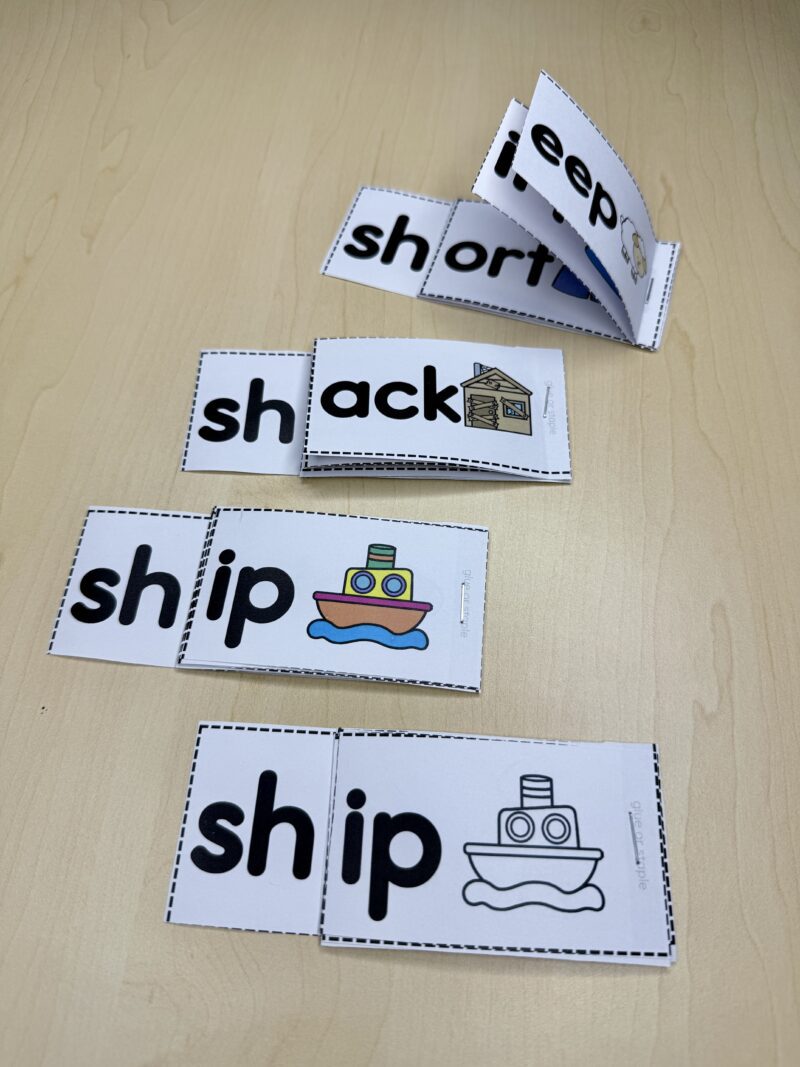
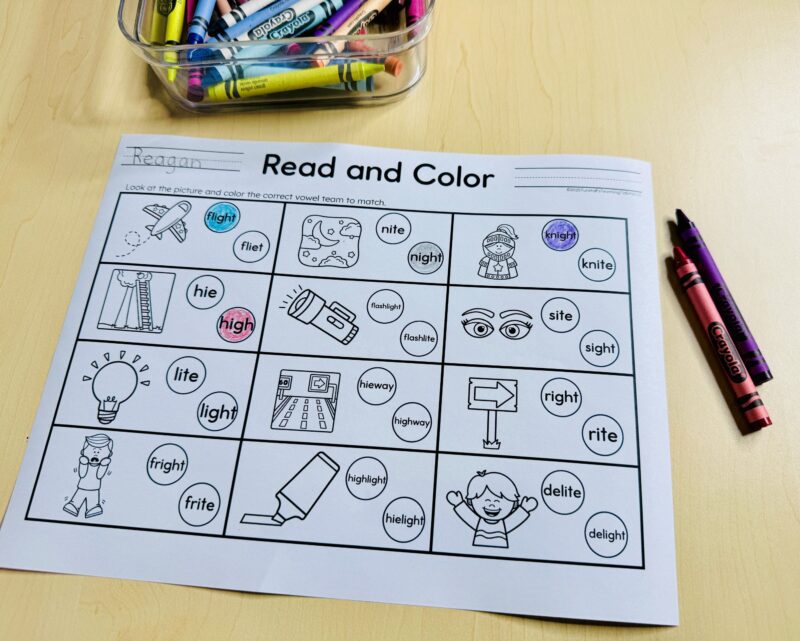
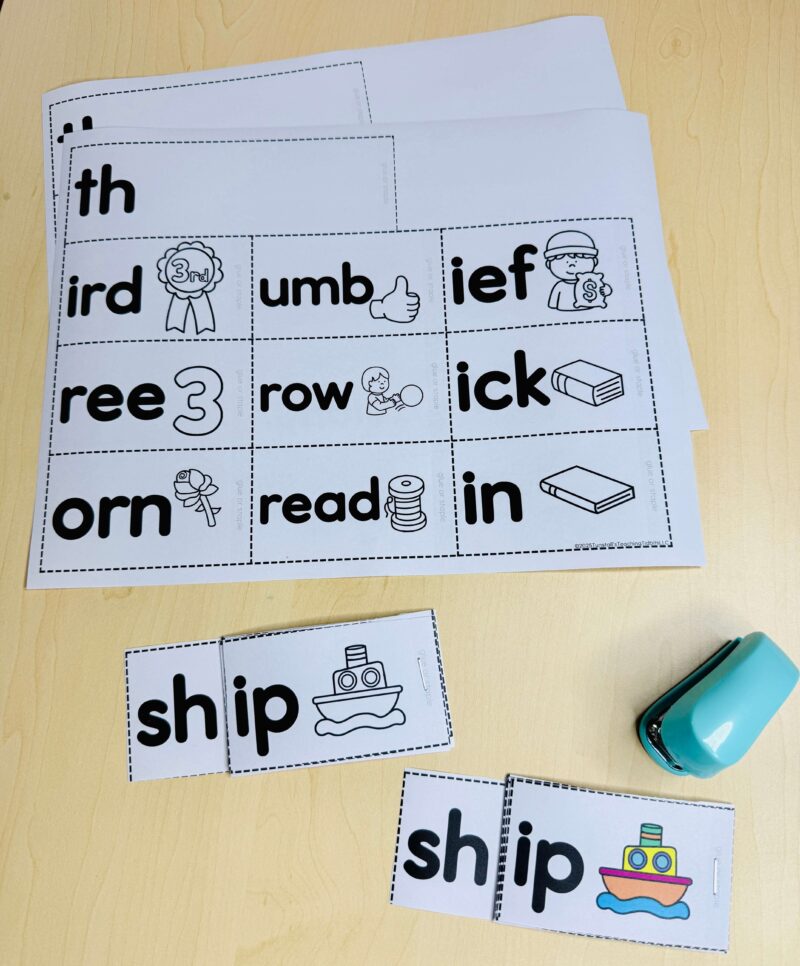
This structure keeps phonics instruction systematic and manageable.
Save Time and Money with the Big Phonics Bundle
If you want yearlong phonics activities for first grade already organized, the Big Phonics Bundle includes multiple phonics skills in one cohesive system. Buying this bundle gives you buy one and get two free pricing. It’s the best way to get all the sets for yourself for the year.
Because every set follows the same format, you can prep once and reuse the structure all year.
That means:
-
Less planning
-
Less explaining directions
-
More instructional time
-
Stronger independent learners
Try the Free Ending Digraph Puzzles
If you want to see how the routine works with your students, download the free ending digraph puzzles.
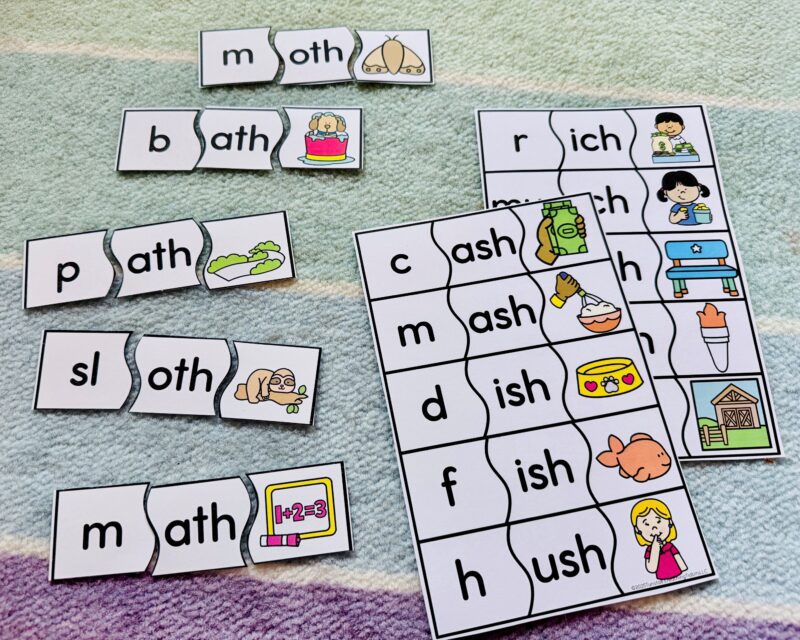 They give you a clear look at:
-
Onset and rime blending
-
Word building
-
Picture matching
-
Student accountability
Once your students understand the structure, you can confidently expand into short vowels, silent e, vowel teams, and diphthongs.
Strong Phonics Instruction Builds Strong Readers
First grade is the bridge between emerging decoding and fluent reading. Students need systematic phonics instruction paired with repeated, meaningful practice.
These phonics activities for first grade are designed to:
-
Reinforce spelling patterns
-
Build decoding fluency
-
Support orthographic mapping
-
Increase independence in literacy centers
When students can read, build, record, and write words across consistent routines, phonics stops feeling overwhelming and starts feeling automatic.
If you are ready for organized, hands on word work literacy centers that support real phonics growth, explore the updated phonics sets and bundle in the store.
Read and Match Phonics Cards
If you’ve got phonics activities, but would just like the pocket chart cards, I have separated the Read and Match Cards into their own bundle. You can find that here. Like the other sets, these are also getting updated.
Phonics Foldable Activities
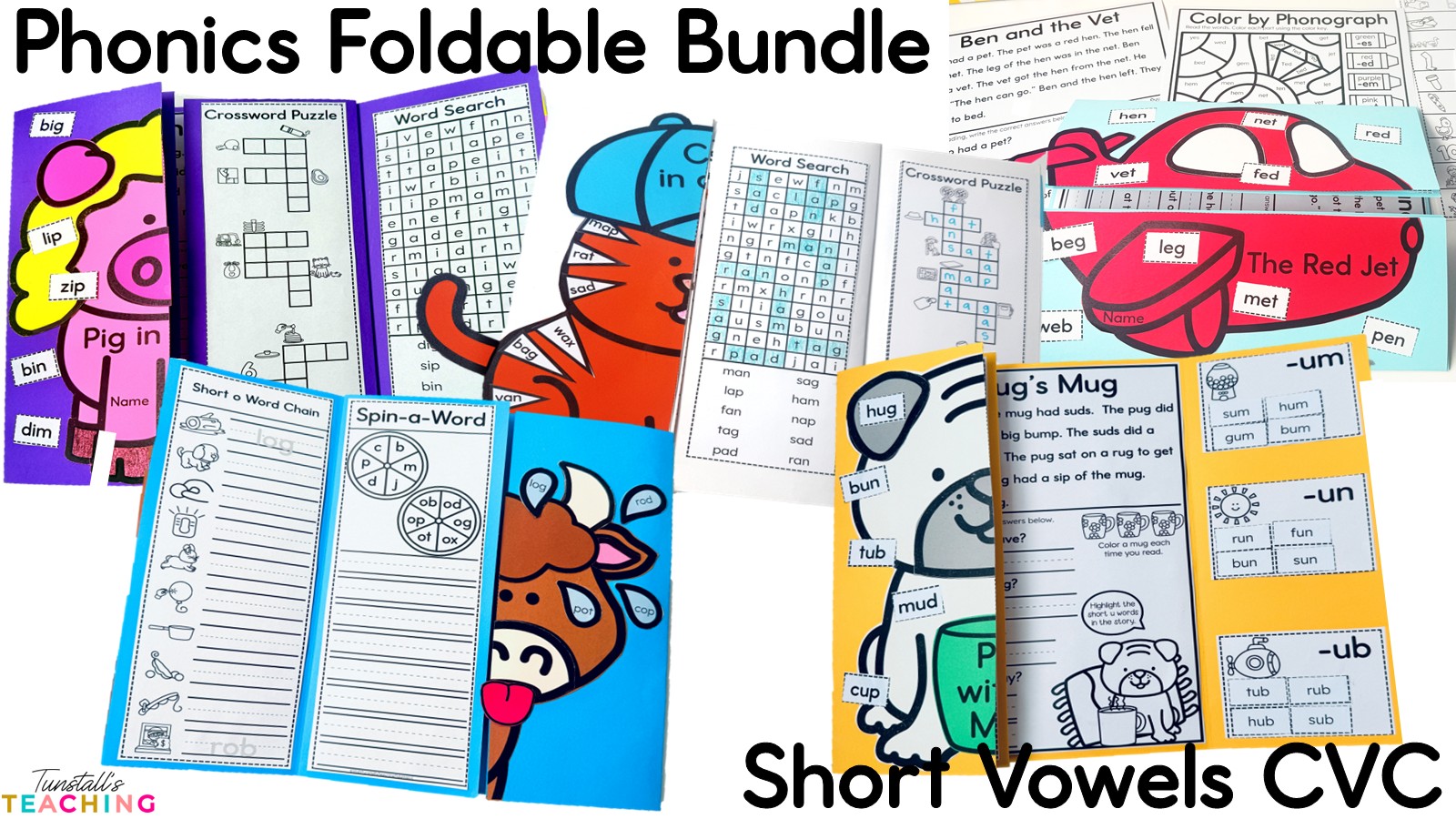
If you’re looking for engaging, hands-on phonics activities to boost early reading success, this is the perfect place to start! Designed specifically for Kindergarten and 1st grade students, these Short Vowel CVC Phonics Foldable Crafts & Decodable Passages for Early Readers help students practice reading, spelling, and writing simple consonant-vowel-consonant words.
More Support for Teaching Sight Words Through Phonics
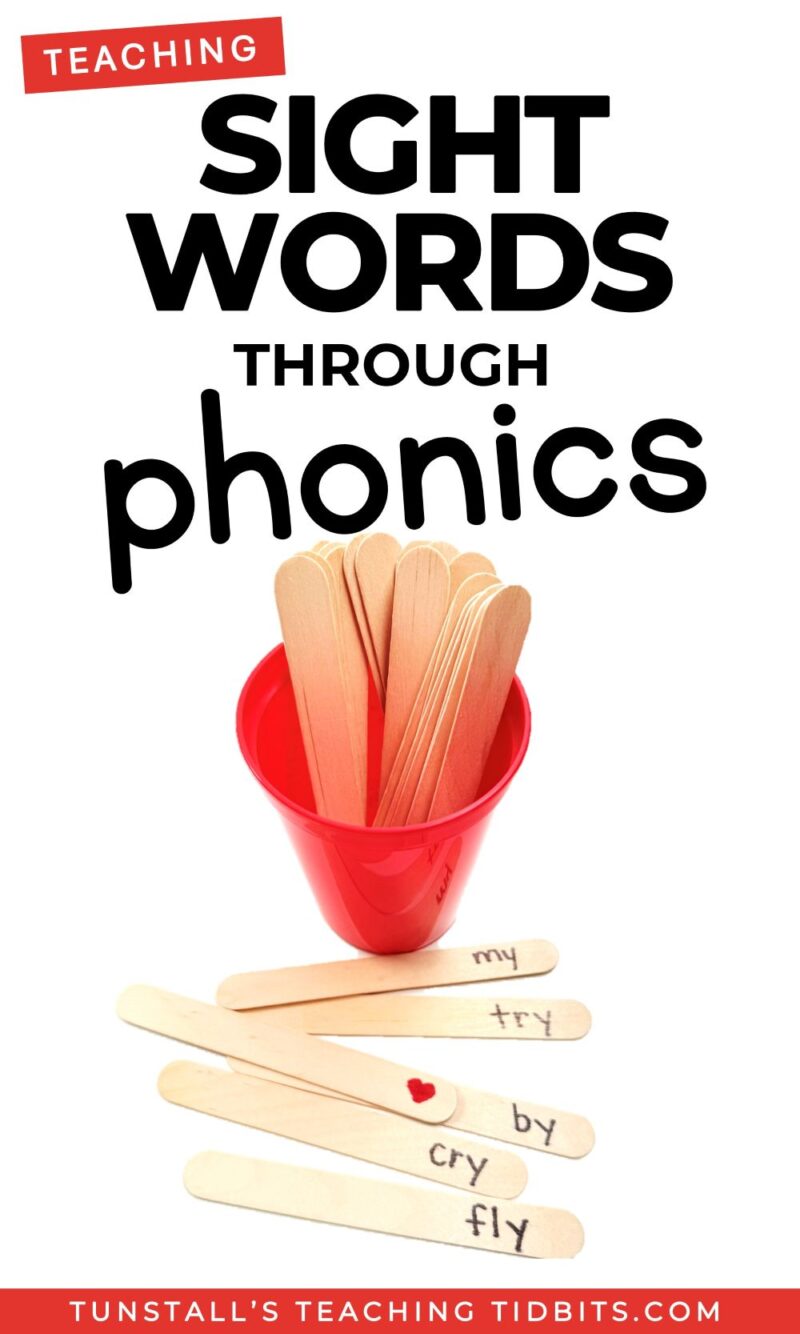
For more support with high frequency words and heart words, visit this post on teaching sight words through phonics.