 Contact Us
Groundhog Science Activities for Early Elementary Classrooms
Groundhog Day is more than a fun winter tradition. It is a natural opportunity to build real science understanding through hands on exploration, observation, and discussion.
This Groundhog Science resource is designed for first through third grade classrooms, with the strongest alignment in grades one and two. It combines science content, simple investigations, and interactive student work into a cohesive learning experience that can be used over one to two weeks.
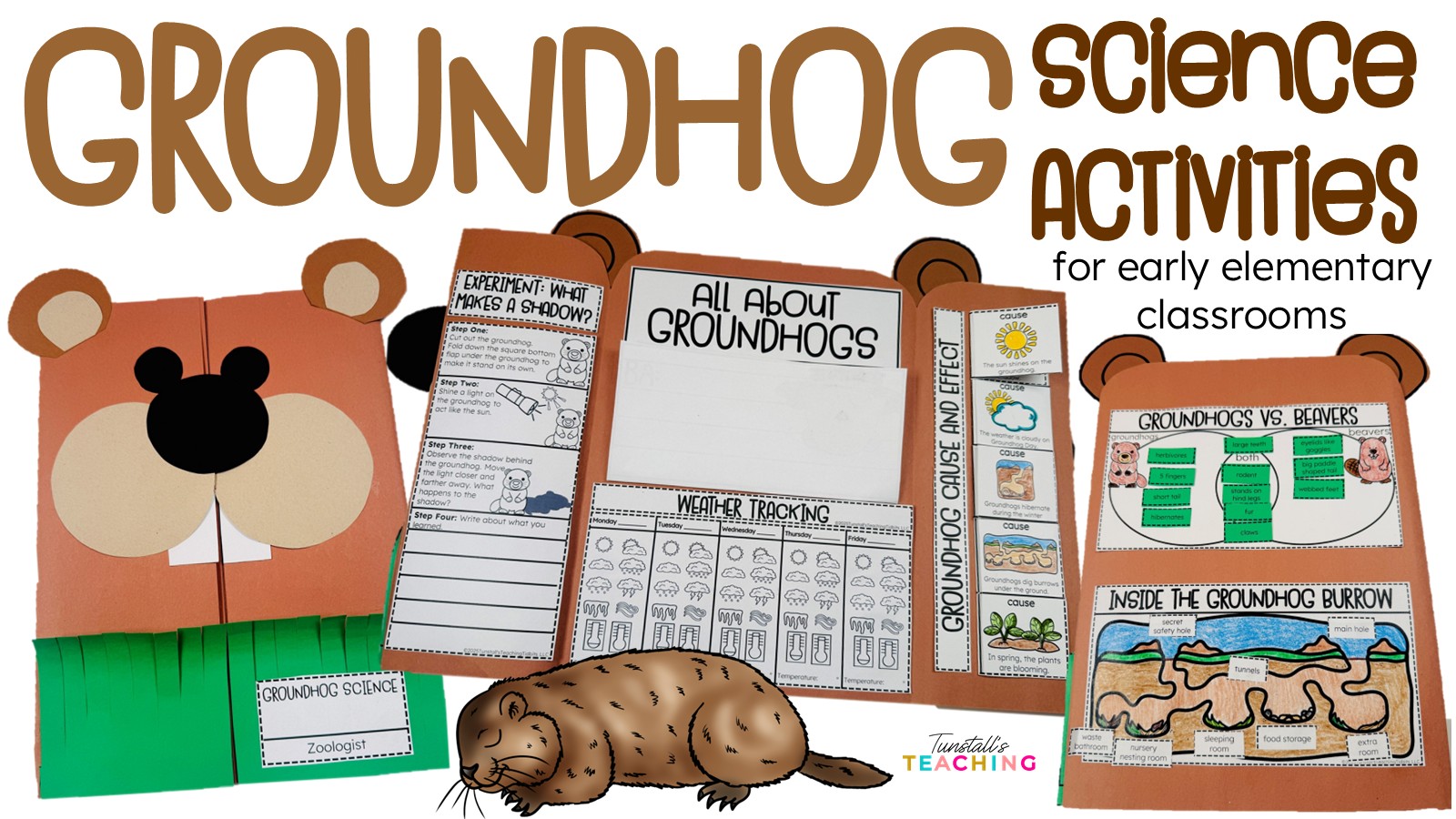
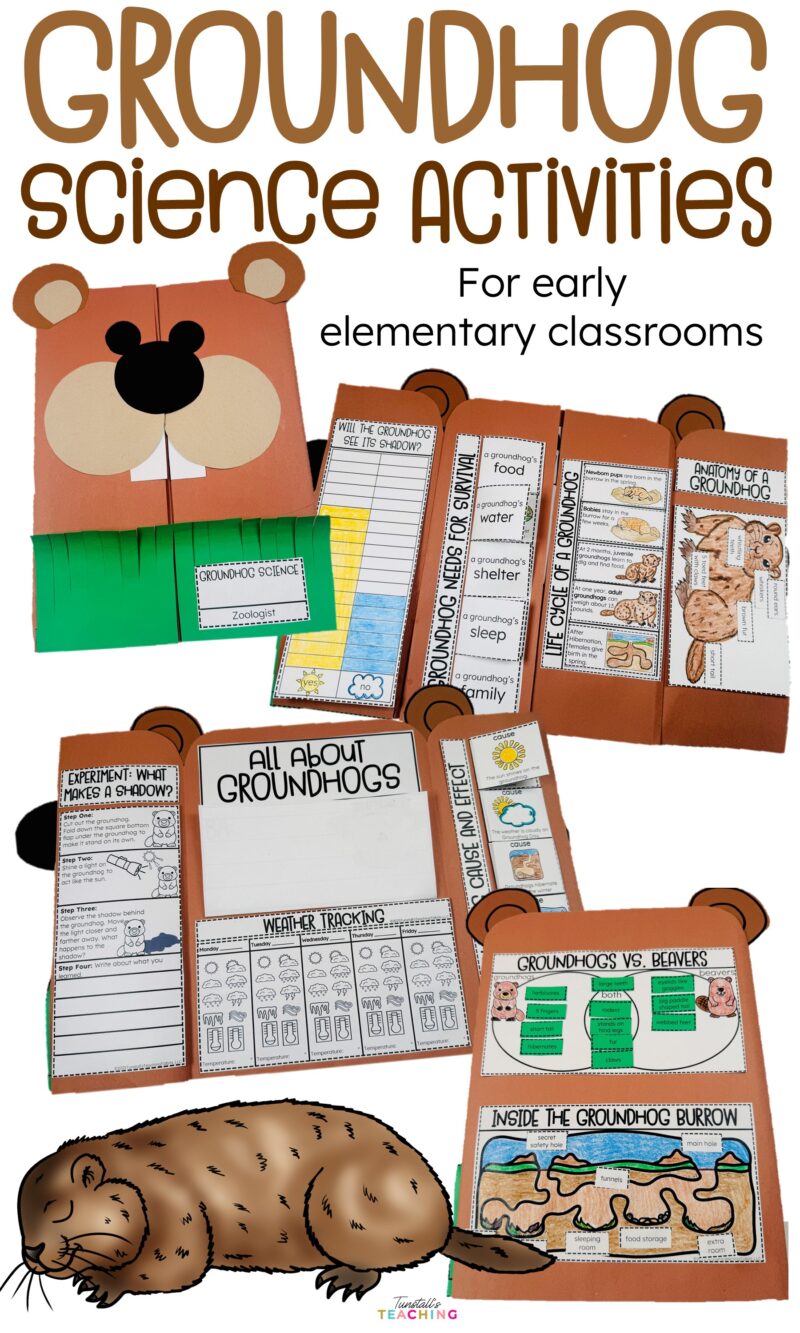
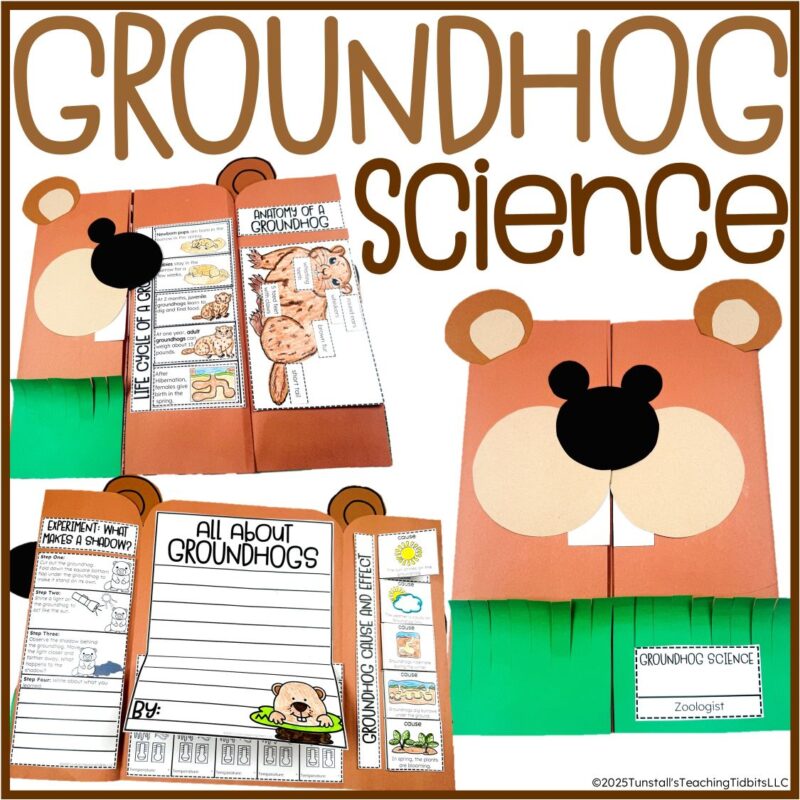
Instead of isolated worksheets, students create an interactive groundhog book that becomes a place to collect their learning as they explore animal characteristics, habitats, weather, light and shadows, and seasonal patterns.
What Students Learn With This Resource
This unit intentionally blends life science, earth science, and basic physical science concepts in a developmentally appropriate way.
Students explore:
-
Characteristics of living things
-
Groundhog anatomy and adaptations
-
Basic needs for survival including food, water, shelter, sleep, and family
-
Habitats and how animals modify their environment
-
Life cycle of a groundhog
-
Hibernation and seasonal changes
-
Weather observation and tracking
-
Cause and effect relationships in nature
-
How light creates shadows
Each topic is paired with a visual, hands on activity that supports comprehension and discussion rather than memorization.
A Closer Look at the Activities
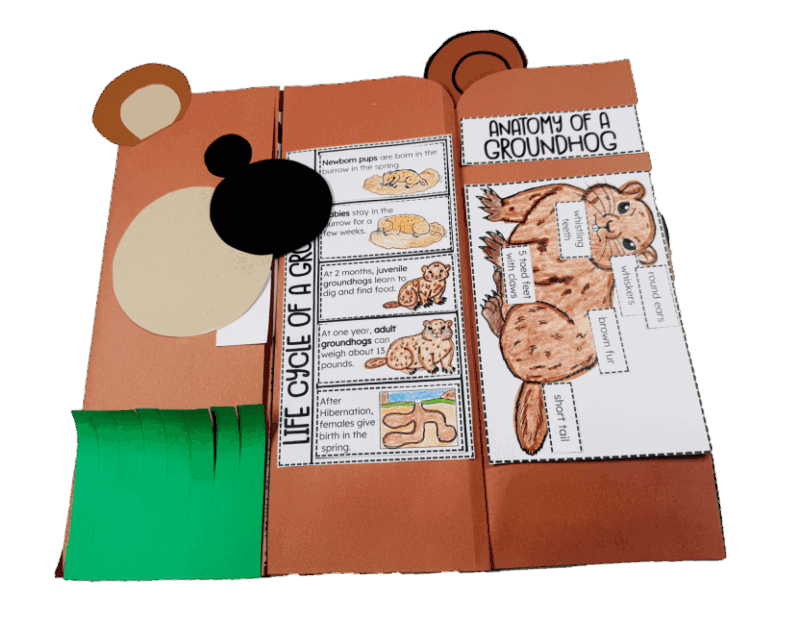
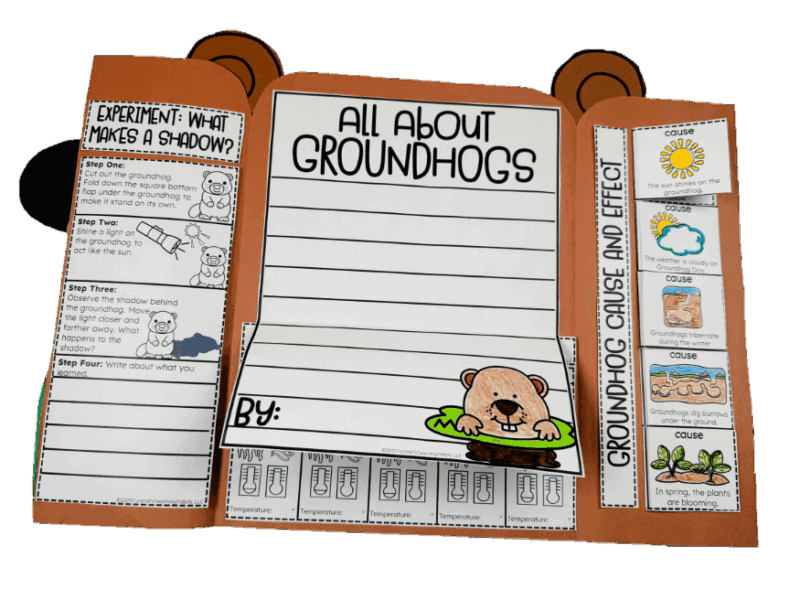
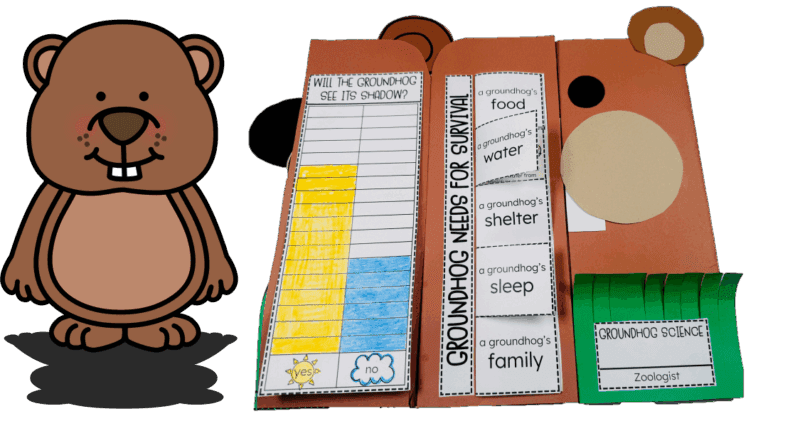
Students build a groundhog craft book that opens like doors, creating a strong visual anchor for the unit. Inside the book, students complete activities such as:
-
A prediction graph for whether the groundhog will see its shadow
-
A simple investigation exploring what makes a shadow
-
Cut and label anatomy of a groundhog
-
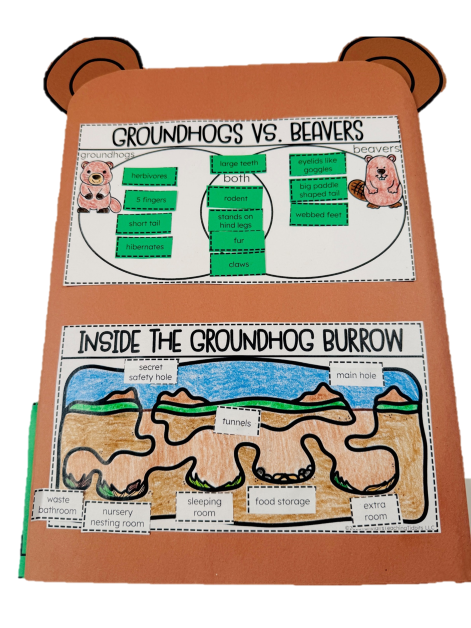
Habitat and burrow diagrams
-
Sorting and matching activities for basic needs
-
Cause and effect relationships connected to weather and behavior
-
A groundhog versus beaver comparison
-
Life cycle sequencing
-
Daily weather tracking
Because everything is housed in one interactive book, students can easily revisit ideas, make connections, and explain their thinking orally and in writing.
How This Fits Into Your Science Block
This resource works well as a short daily routine over one to two weeks.
A recommended flow is:
-
Begin each lesson with a read aloud, a short video, or both
-
Introduce the focus question for the day
-
Pause during reading or viewing to discuss key ideas
-
Complete the corresponding interactive activity together or in small groups
-
Add the completed piece to the groundhog book
This structure keeps science instruction purposeful, engaging, and manageable during a busy time of year.
Read Alouds to Pair With This Resource
Pairing nonfiction and fiction texts with this unit helps build background knowledge and academic vocabulary while supporting comprehension.
Here are strong read aloud options that work especially well for grades one and two:
-
Groundhog Weather School by Joan Holub
-
Go to Sleep, Groundhog! by Judy Cox
-
Punxsutawney Phyllis by Susanna Leonard Hill
-
Groundhog Day! by Gail Gibbons
- The Night Before Groundhog Day by Natasha Wing
You can introduce a new book at the start of each lesson or revisit the same text across multiple days with different listening purposes.
Videos That Support Student Understanding
Short videos are especially helpful for concepts that are difficult to observe firsthand, such as hibernation, burrows, and shadow formation. These videos work well as discussion starters and help students connect abstract ideas to real world examples. Play one video or read one book and then create one activity in the groundhog science book each day.
Why This Resource Works for Early Elementary
This Groundhog Science unit was created with young learners in mind.
The activities:
-
Use clear visuals and simple language
-
Reduce cognitive load by focusing on one concept at a time
-
Encourage observation, discussion, and reasoning
-
Support science vocabulary through repeated exposure
-
Integrate reading, writing, and science naturally
Students are not just completing activities. They are building understanding through meaningful experiences that align with how young children learn best.
Ready to Use Groundhog Science in Your Classroom
If you are looking for a Groundhog Day unit that goes beyond crafts and surface level activities, this resource provides a structured, standards aligned way to teach real science concepts while keeping students engaged.
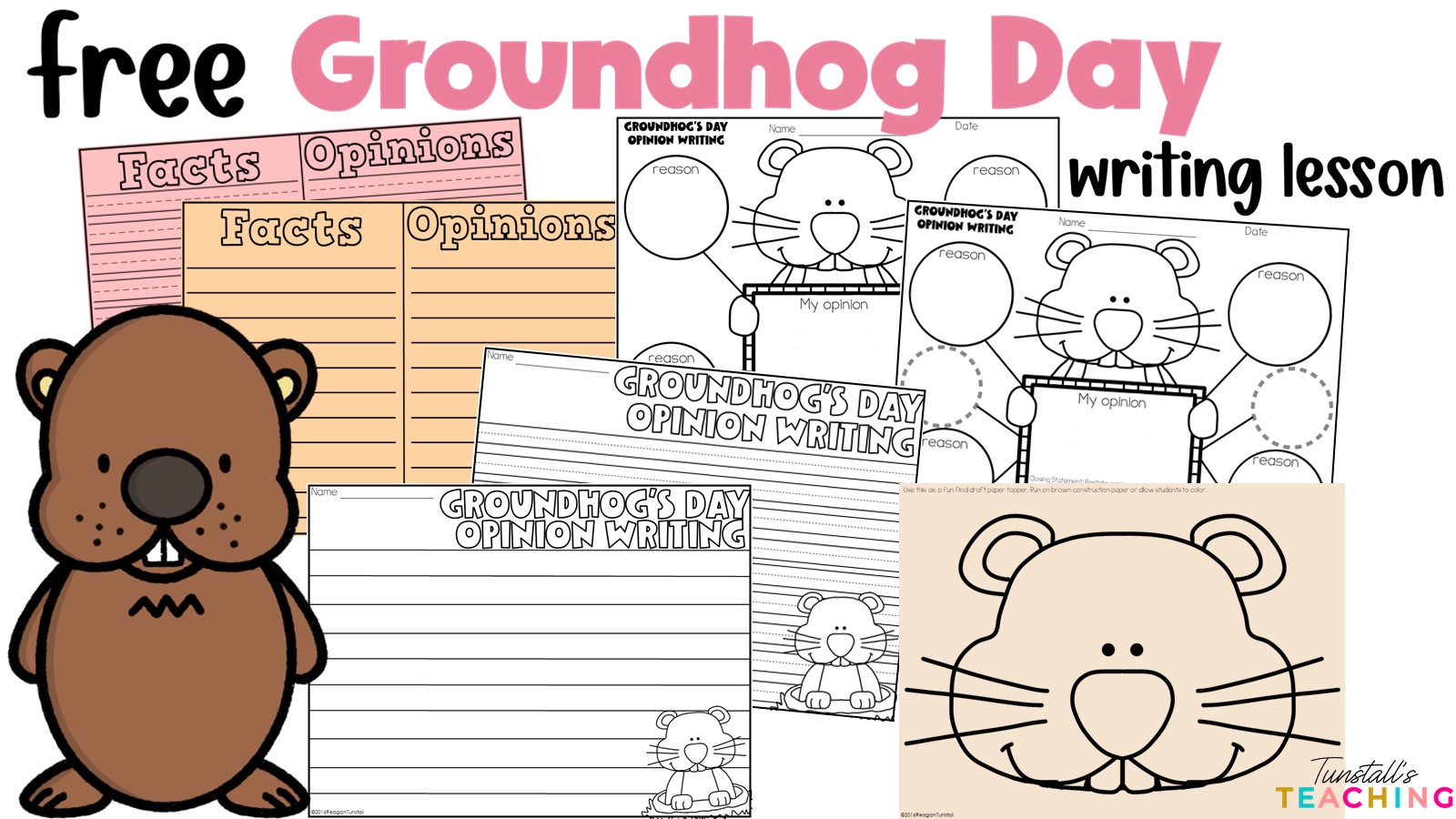
Students can also apply what they learn during this unit through this free Groundhog Day fact and opinion writing lesson.
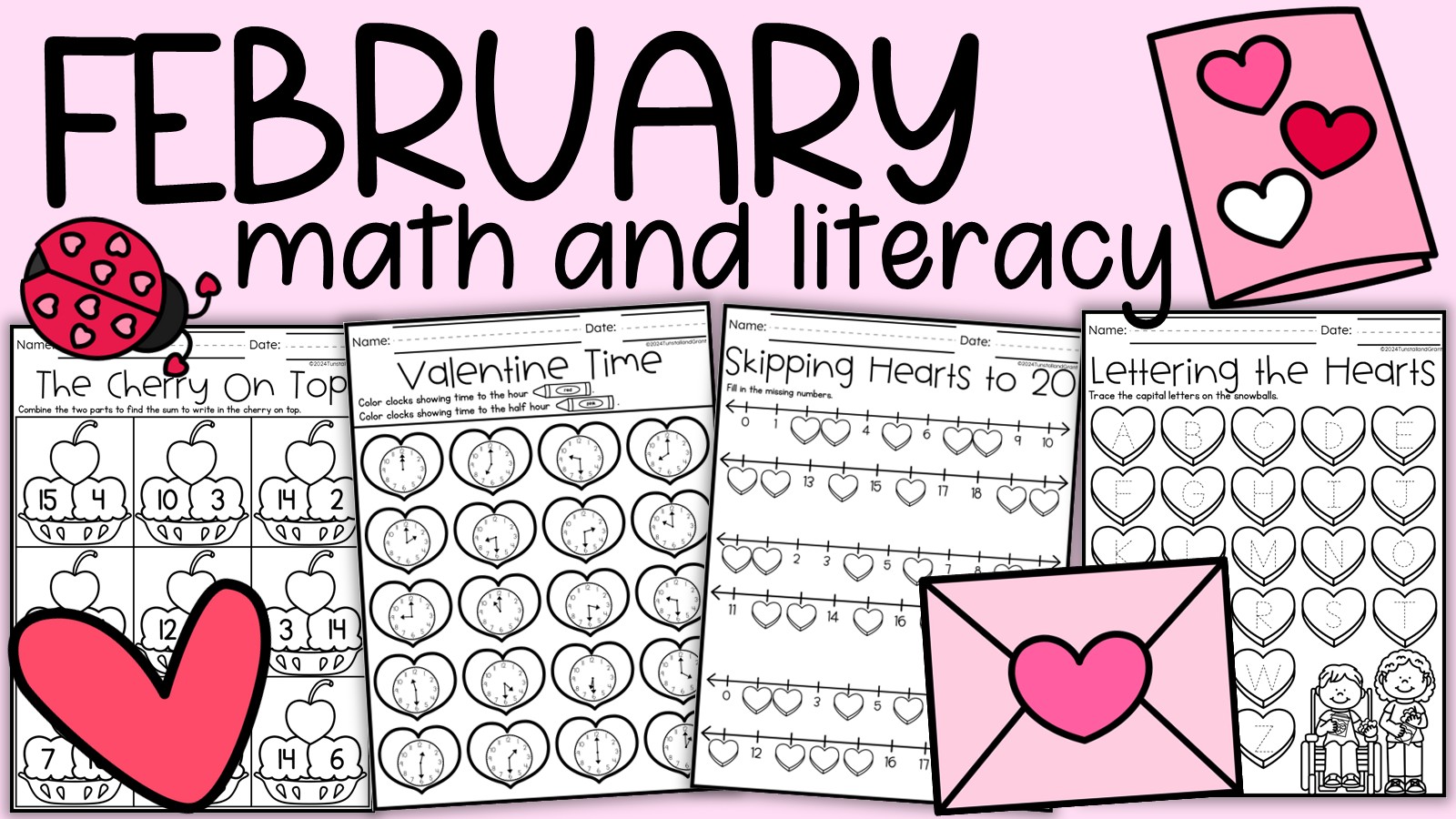
This unit pairs well with February math and literacy practice pages that reinforce skills across content areas.