 Contact
Math Concept Readers for Building Early Number Sense
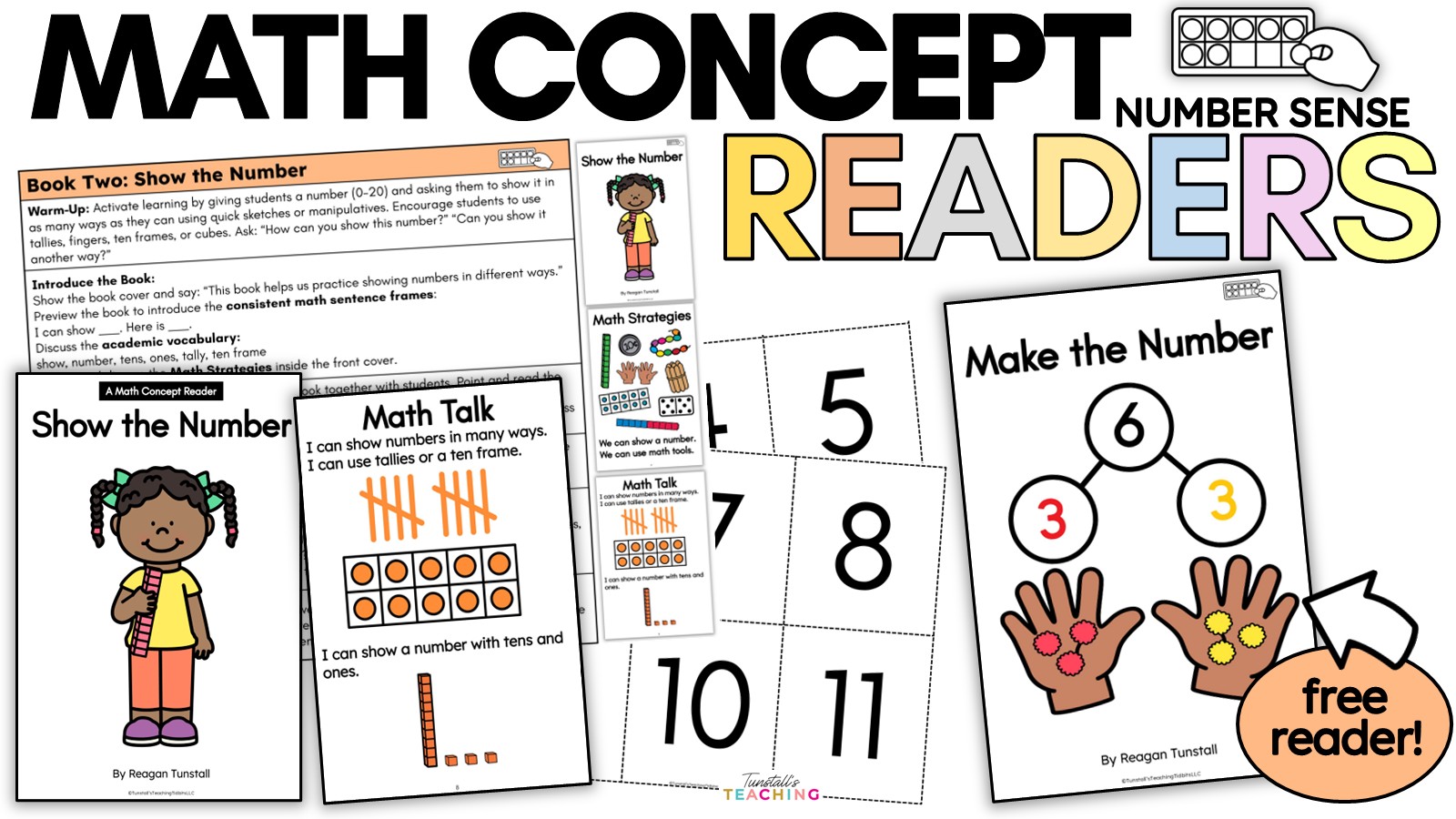
Math Concept Readers Number Sense
Building Early Number Sense With Simple, Structured Math Texts
Early literacy has long benefited from research aligned texts that build confidence and comprehension. Now early math can receive the same level of clarity and support. Math Concept Readers give K–1 students structured, developmentally appropriate math experiences using short, consistent math texts paired with meaningful visuals.
These early math readers make foundational number sense skills accessible for all students by focusing on one concept at a time with clear models and repetition that reduces cognitive load. With consistent math language, visual supports, and predictable instructional routines, students can concentrate on the math thinking rather than navigating new formats.
What Are Math Concept Readers
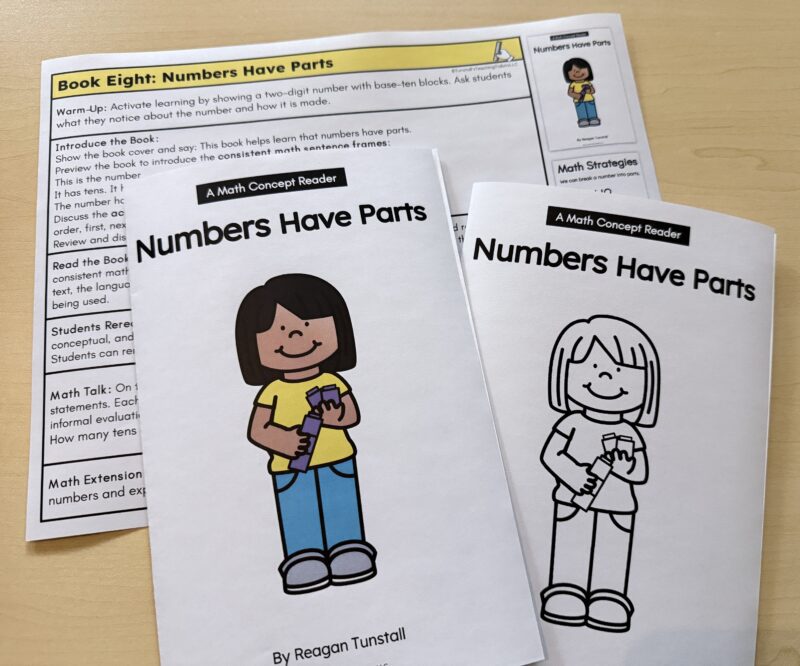
Math Concept Readers are short, foldable booklets that build early numeracy through visual models. Each book uses:
-
clear academic vocabulary
-
consistent math sentence frames
-
visual models that match the meaning
-
simple layouts designed for young learners
-
one concept per reader for instructional clarity
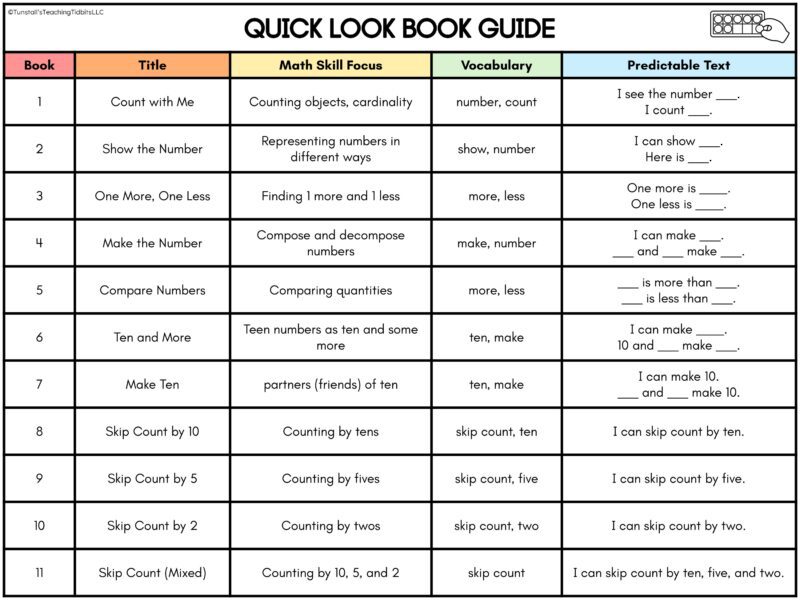
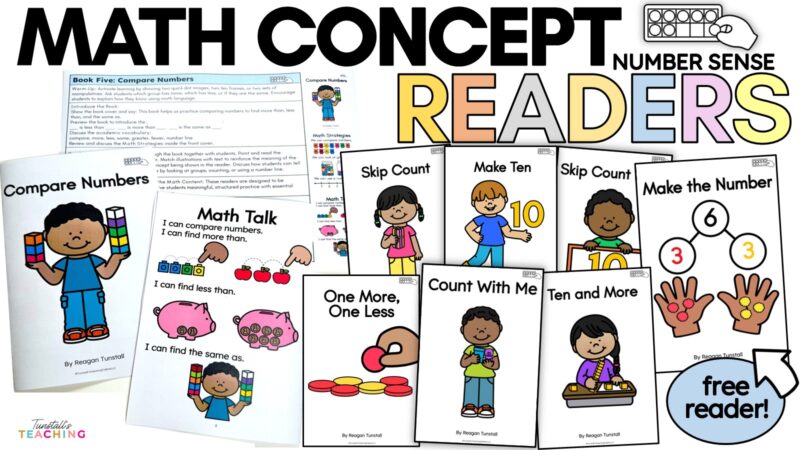
The Quick Look Book Guide shows all eleven readers in Set 1, including counting, showing numbers, comparing, making numbers, teen numbers, making ten, and skip counting.
Students revisit familiar language and visuals across all books, which strengthens comprehension and builds confidence with early math ideas.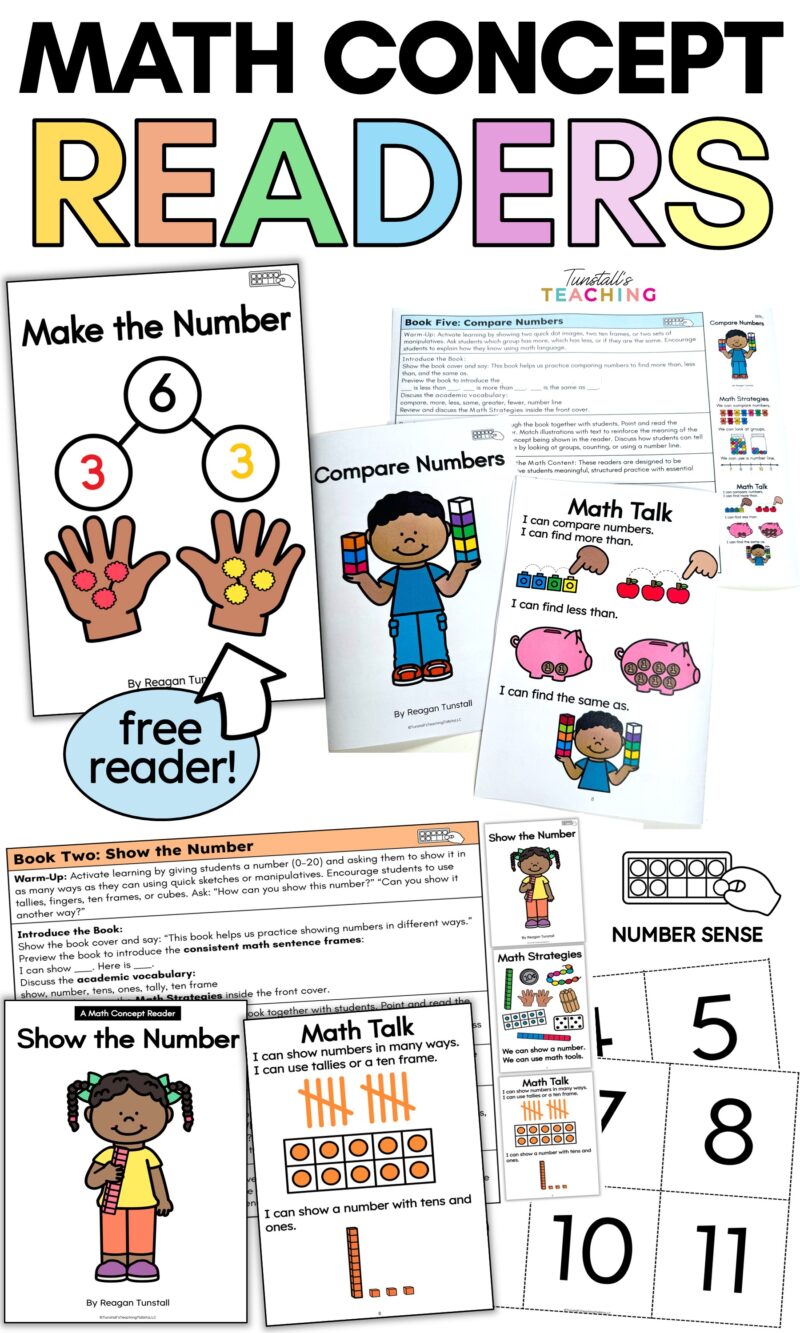
What Skills Are Included in Math Concept Readers Set 1
Each book teaches one essential number sense concept:
Book List
-
Count with Me
-
Show the Number
-
One More One Less
-
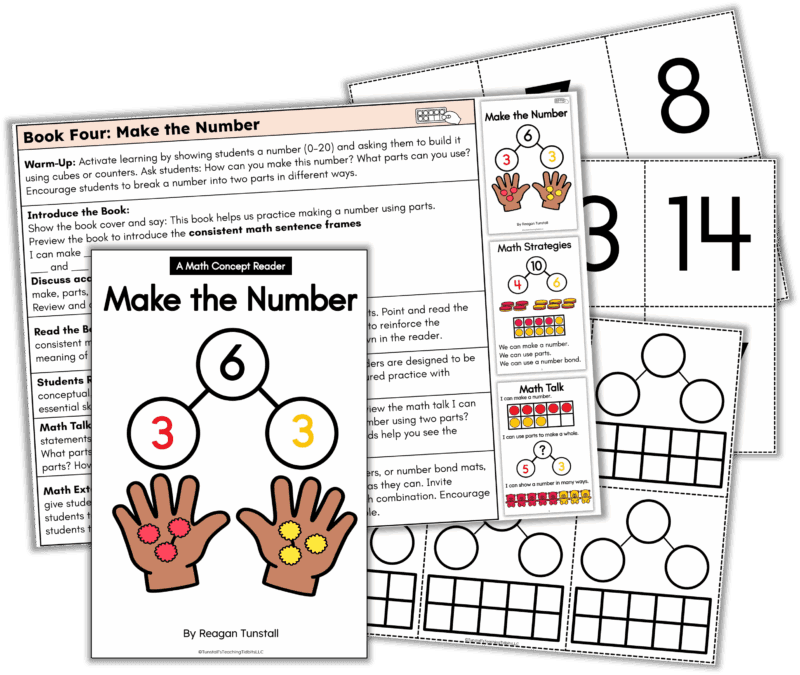
Make the Number
-
Compare Numbers
-
Ten and More
-
Make Ten
-
Skip Count by Ten
-
Skip Count by Five
-
Skip Count by Two
-
Skip Count Mixed
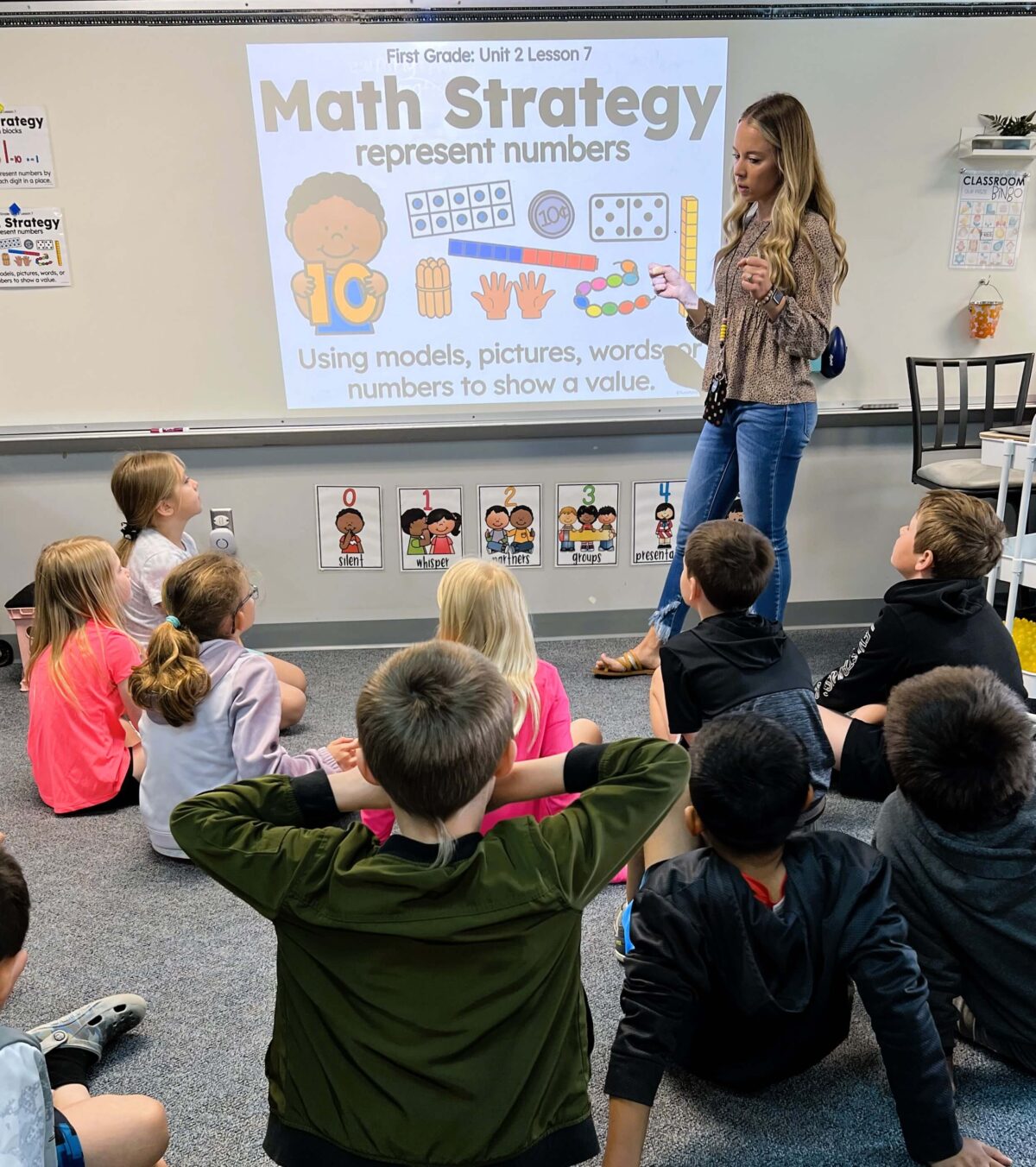
The structured routines in each guide include warm ups, vocabulary, sentence frames, Math Talk, and extension activities that make it easy to teach confidently and consistently each day
How the Readers Support Early Math Learning
Each booklet focuses on a single math idea and provides multiple opportunities for students to engage with visual models and language that support number sense.
Students learn to:
-
count objects accurately
-
show quantities with tools
-
compare numbers
-
compose and decompose numbers
-
understand teen numbers
-
make ten
-
skip count by twos, fives, and tens
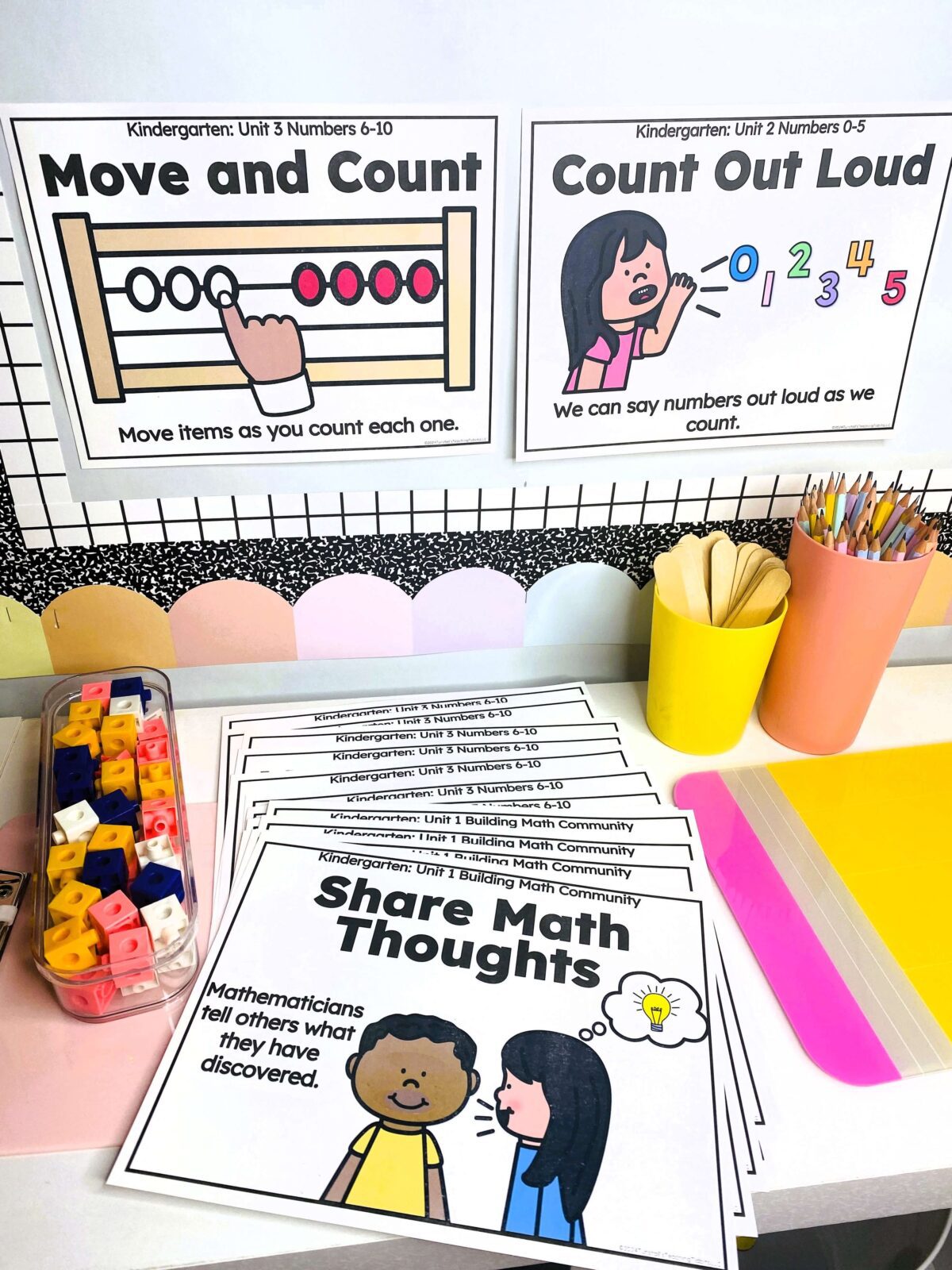
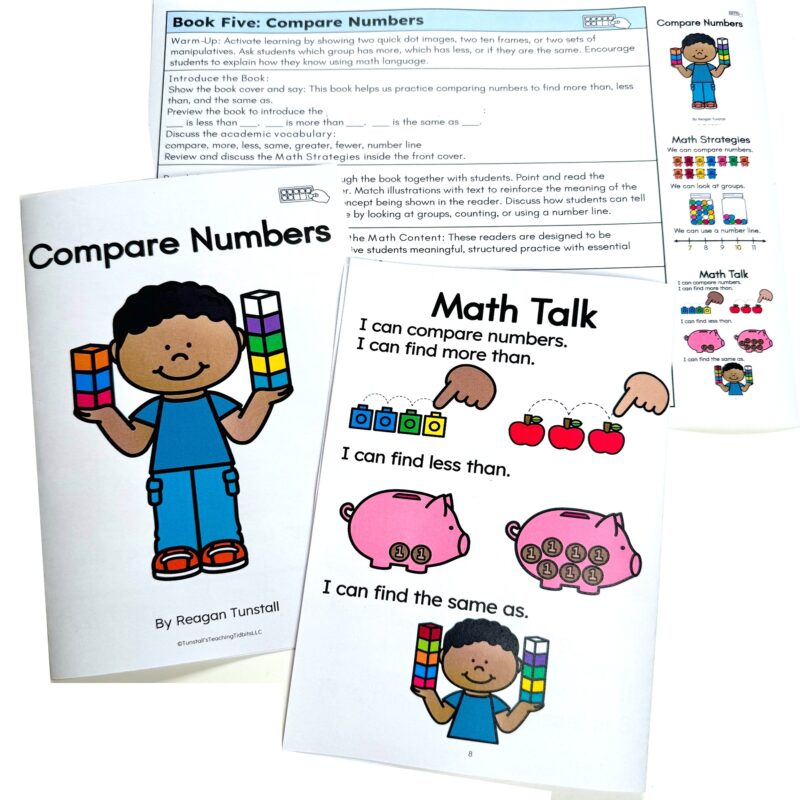
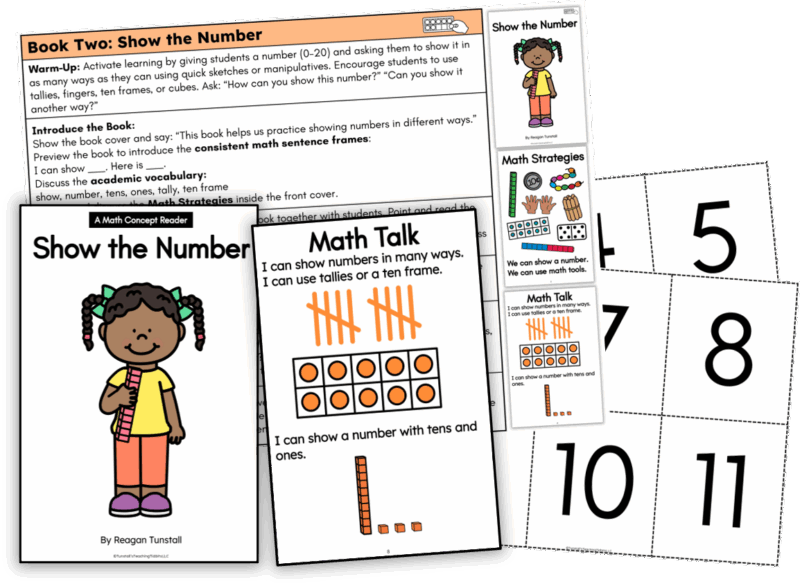
Inside the set, pages show the direct connection between illustrations, sentence frames, and the math concept. Matching visuals and language help young learners make meaning and see number relationships clearly.
SOR Alignment in Math
These readers are focused on math content however, they align with Science of Reading principles for instructional clarity:
-
consistent language routines
-
clear and direct academic vocabulary
-
one concept per text
-
visuals that match the meaning
-
structured academic sentence frames
-
repetition that lowers cognitive load
Ways to Use Math Concept Readers
Math Concept Readers are flexible and can be used in many settings:
-
whole group modeling
-
small group instruction
-
math intervention
-
math centers
-
take home practice
-
spiraling review
-
reteaching
Each reader includes a Math Talk page on the back cover that provides I Can statements and simple checkpoints you can use for informal assessment or discussion with students.
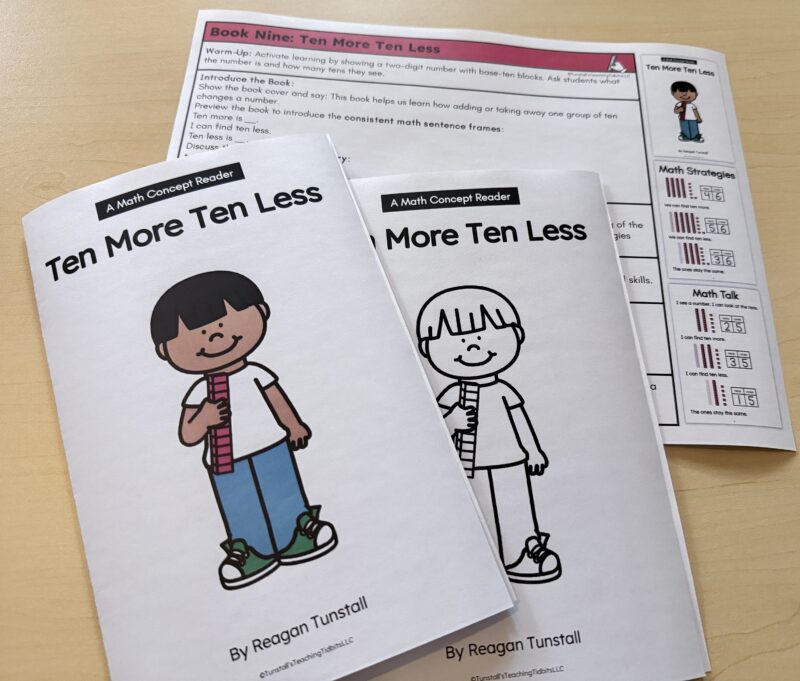
Printing the booklets is simple. The file includes step by step printing directions for folding and stapling each four page booklet into a student friendly half page format.
Try a Free Sample
Want to see how the readers work before committing?
You can download a free sample reader to explore:
-
the consistent structure
-
the visual models
-
the sentence frames
-
the Math Talk routines
-
the color and black and white versions
Get the Full Math Concept Readers Number Sense Set 1
A complete collection of 11 early math readers that build essential K–1 number sense understanding.
What Comes After Number Sense? Place Value Math Concept Readers
Once students have a strong foundation in number sense, the next instructional step is helping them understand how numbers are built using tens and ones. This is where place value instruction becomes essential.
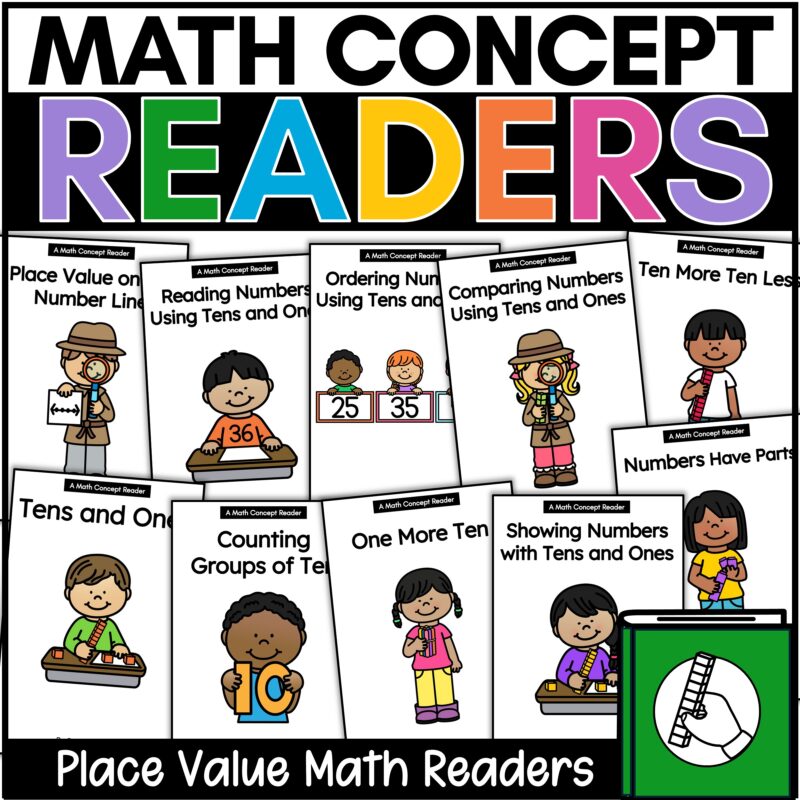
Math Concept Readers Place Value Set 2 builds directly on the same consistent math sentence frames and visual models used in the Number Sense readers, while shifting the focus to composing and decomposing numbers, understanding groups of ten, and making sense of multi-digit numbers. Because the structure and language routines remain familiar, students are able to focus their thinking on the math rather than adjusting to a new format.
This place value set is designed to support early place value concepts in a developmentally appropriate way and works seamlessly as a follow-up to the Number Sense Math Concept Readers.
You can find the full Math Concept Readers Place Value Early Math Readers Set 2
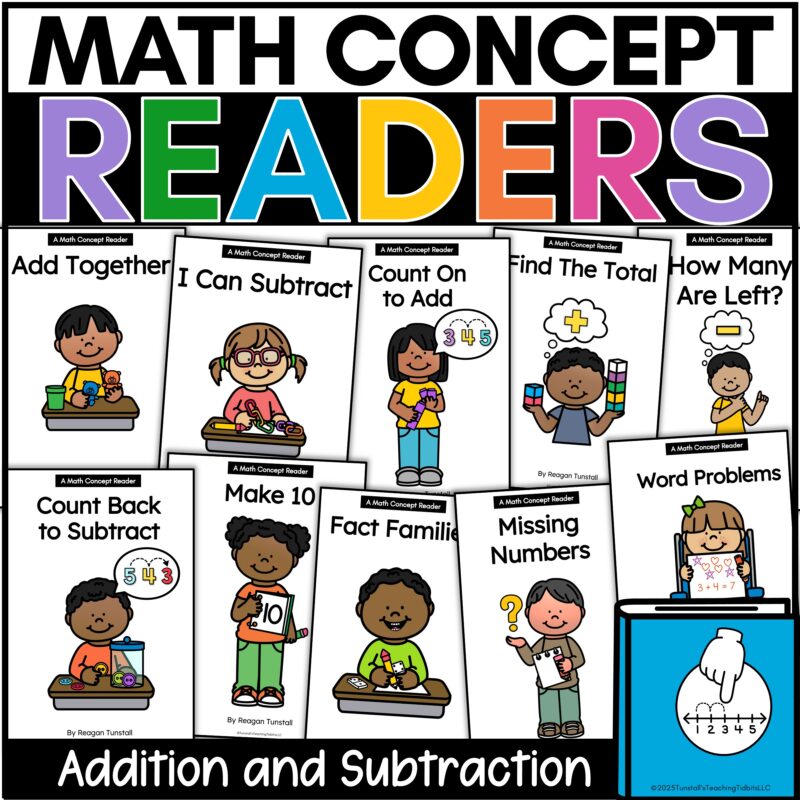
Math Concept Readers Addition and Subtraction Set 3 was designed to give students meaningful, structured practice with foundational addition and subtraction concepts through simple, consistent math texts and research-based visuals.
Each reader focuses on one clear addition or subtraction idea at a time, helping students build understanding of how numbers are combined, separated, and related.
Math Concept Readers Geometry Set 4
This Math Concept Readers Set 4 Geometry resource was designed to give students meaningful, structured practice with foundational geometry concepts through simple, consistent math texts and research-based visuals.
Each reader focuses on one clear geometry idea at a time, helping students build understanding of shapes, attributes, and spatial relationships.
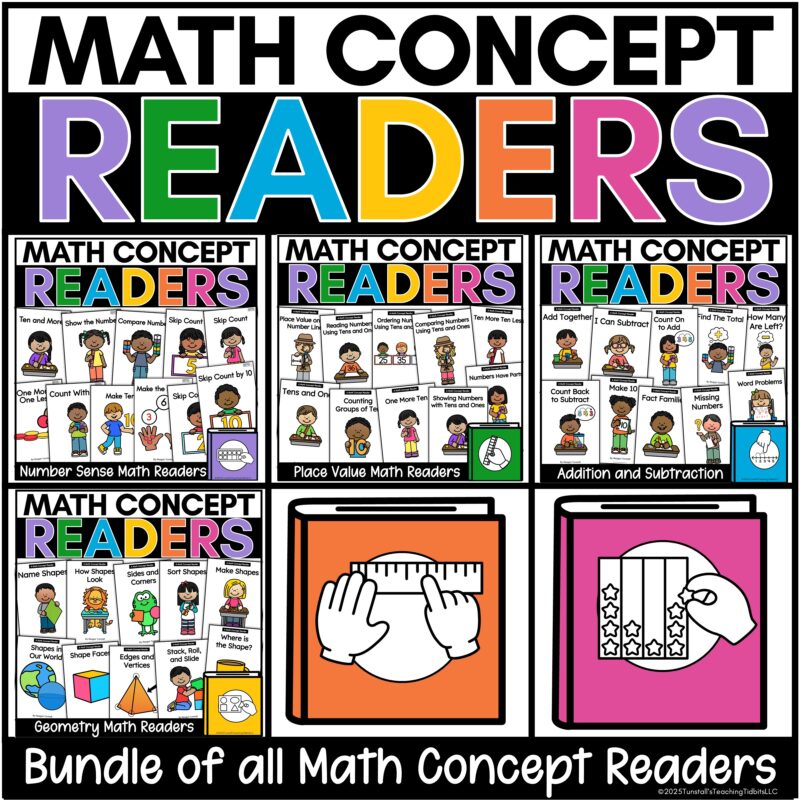
Math Concept Readers Bundle
Get the money-saving bundle of all math concept readers.
More Math Ideas for Your Classroom
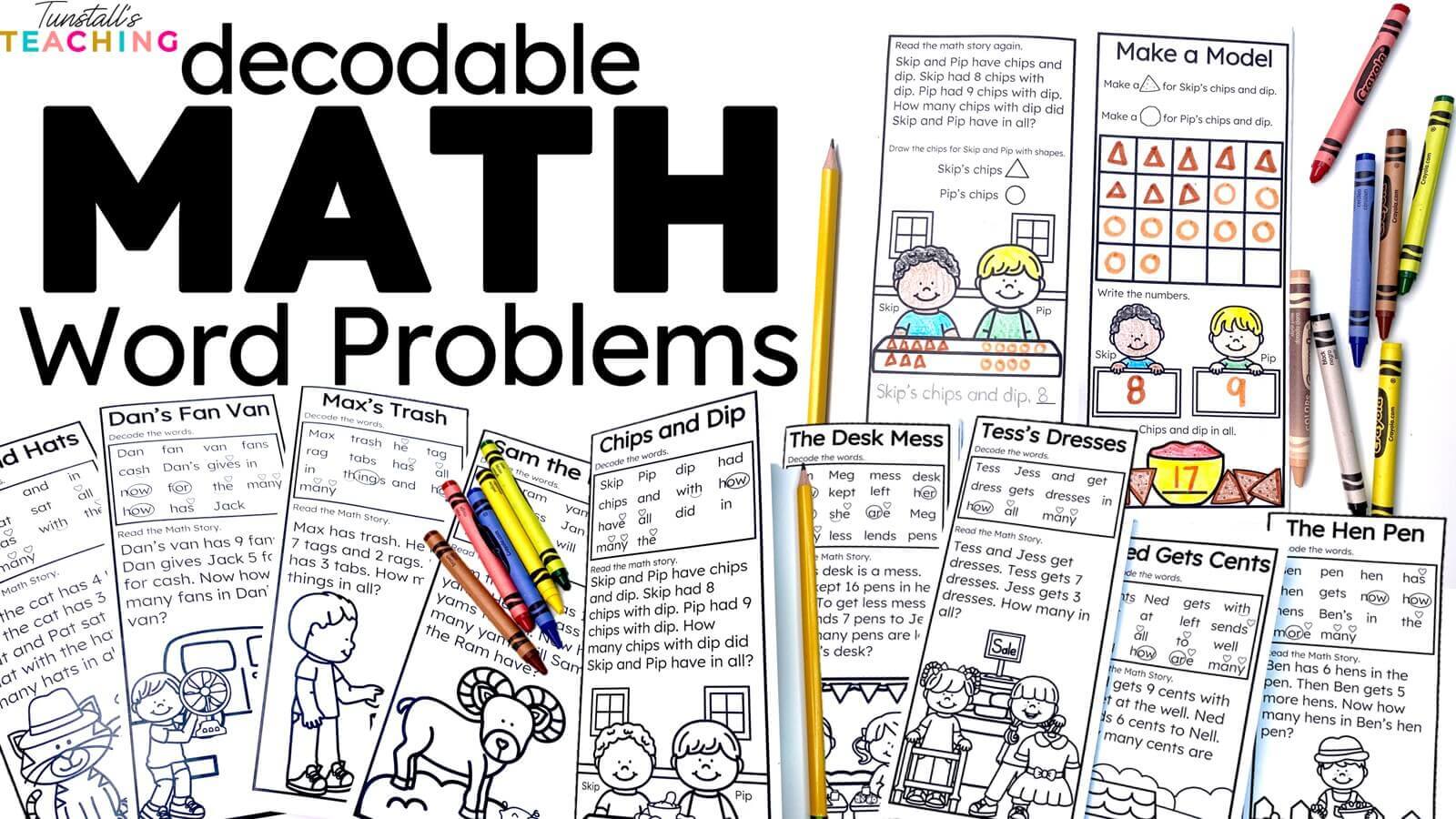
Decodable Math Word Problems
Provide decodable math word problems with the supportive strategies introduced in these math concept readers!
If you want to dive deeper into number sense, The posts below are a great place to start for kindergarten and first grade.