 Contact
Math Concept Readers for K–1: Building Early Number Sense
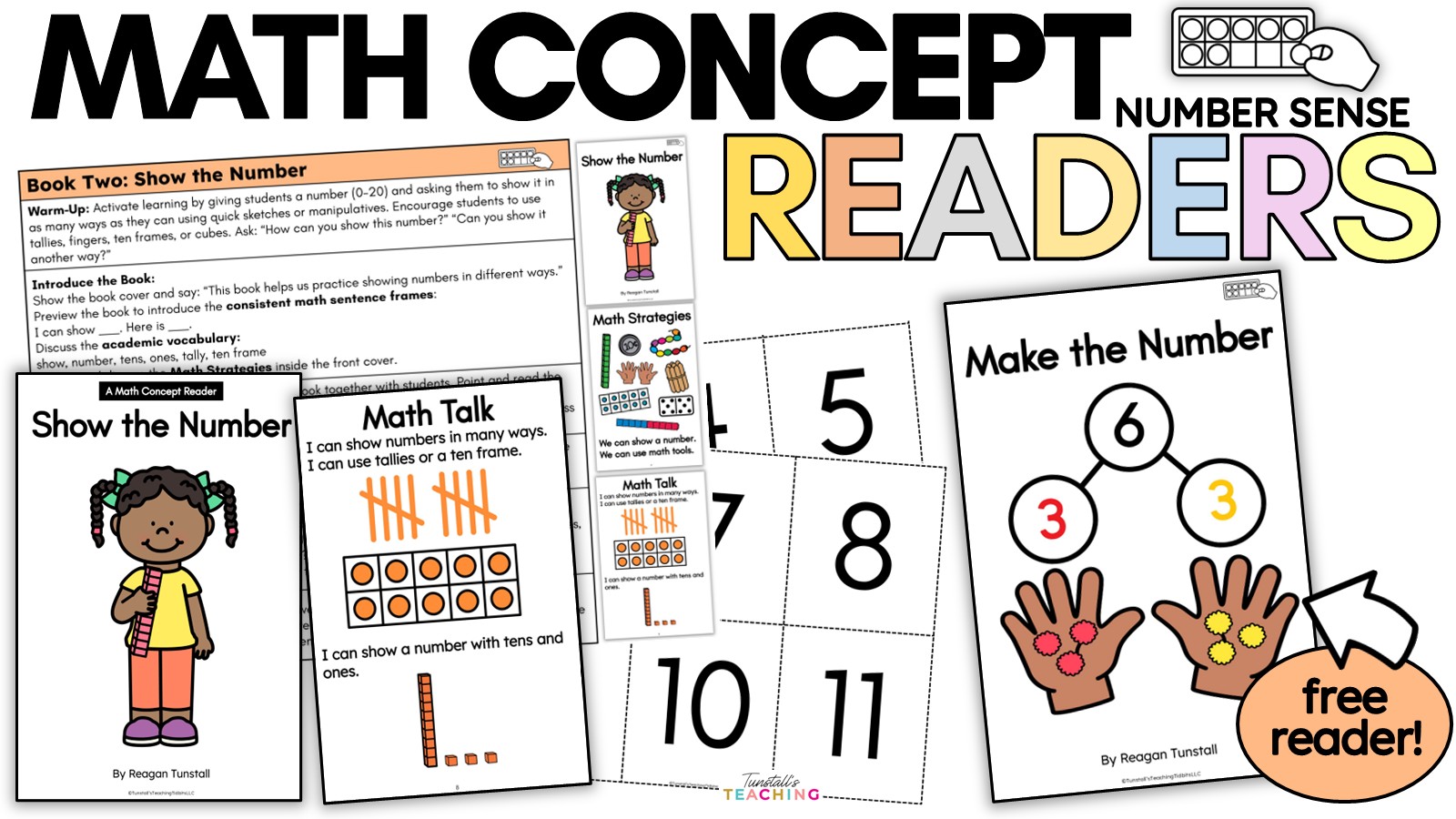
Math vocabulary can be surprisingly demanding for young learners. Students may understand what they see with counters, ten frames, shapes, or number models but still need support connecting those visual ideas to the mathematical language we use to describe them. That is exactly why I created Math Concept Readers.
These short, focused math readers help kindergarten and first grade students see, talk about, and revisit important math concepts using clear visual models, consistent math sentence frames, and student-friendly vocabulary. What began with a Number Sense set has now grown into a much larger collection covering number sense, place value, addition and subtraction, and geometry, measurement, data, and graphing.
If you would rather see exactly how the books work first, there is also a free reader you can print and try with your students.
Want to see Math Concept Readers in action?
Try a free reader or explore the complete growing collection for kindergarten and first grade.
What Are Math Concept Readers?
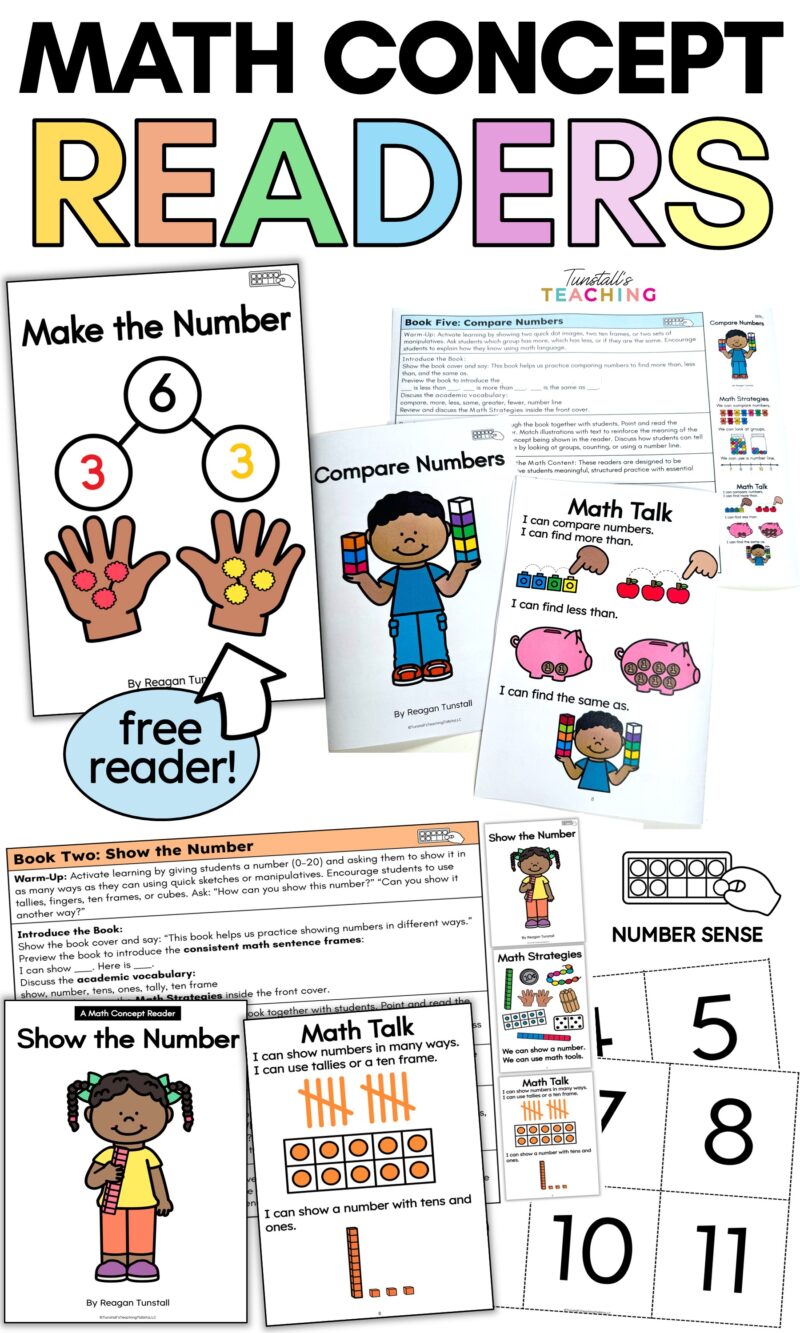
Math Concept Readers are short, print-and-fold booklets created around one focused mathematical idea at a time. Rather than asking students to process a crowded page with several new concepts, each reader gives them repeated opportunities to connect math language with visual representations.
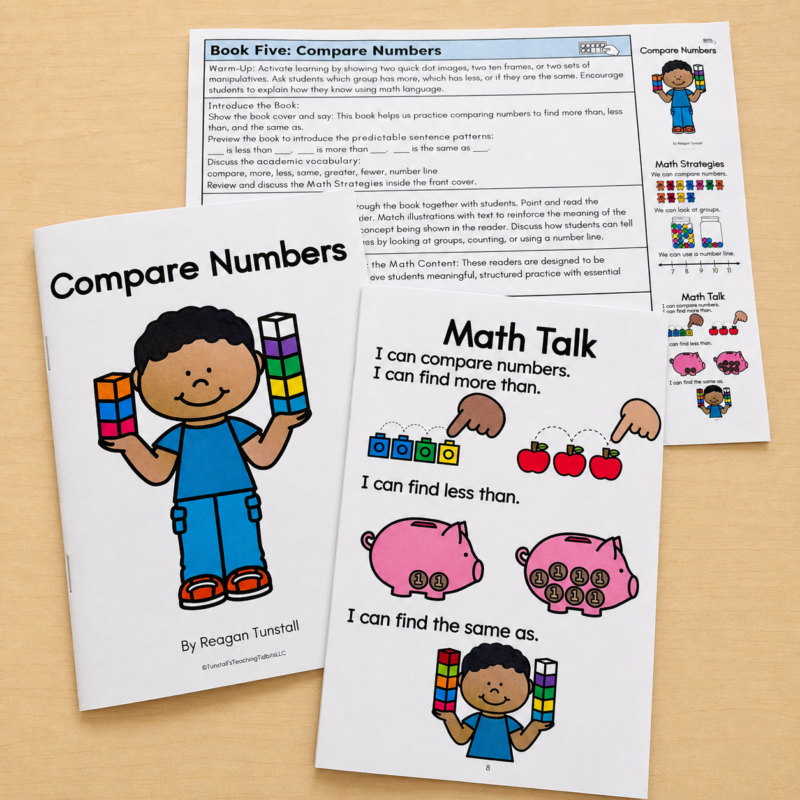
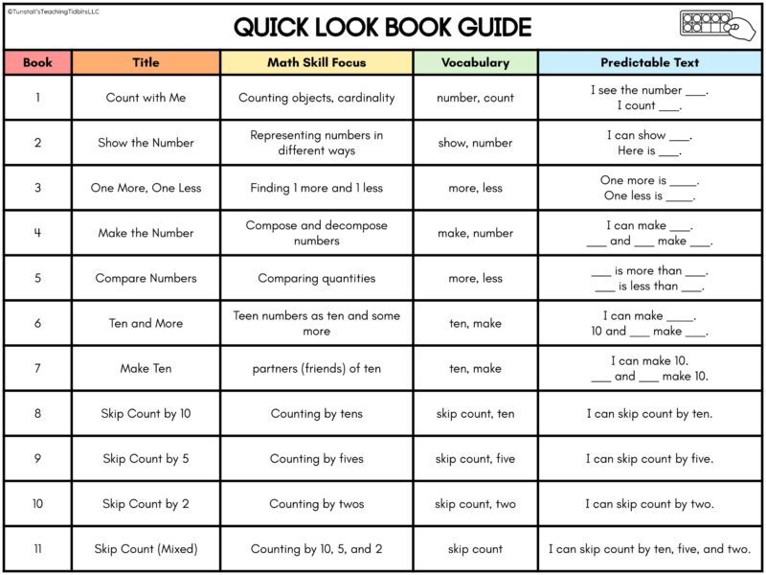
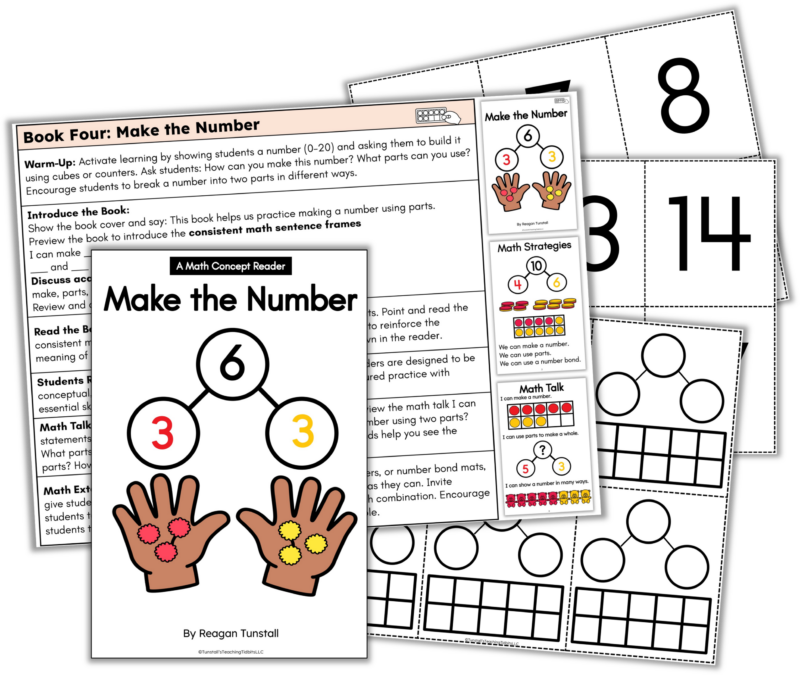
You will see familiar models such as ten frames, counters, number lines, base-ten representations, shapes, and other concrete or pictorial models depending on the concept. The structure stays familiar from book to book so the math can remain the focus. Each set also includes instructional support for the teacher, including lesson plans, vocabulary, Math Talk prompts, and a Quick Look Book Guide for planning.
A Quick Note About the Word “Reader”
These are math concept readers, not decodable reading books. They are not intended to replace phonics instruction or provide decoding practice. The consistent sentence structures are there to support students as they work with mathematical vocabulary, visual models, and concepts.
I want students thinking about questions such as:
- What does this model show?
- How are these numbers related?
- What changed?
- How do I know?
- What mathematical words can I use to explain my thinking?
The reader simply gives us another format for making that math thinking visible.
Four Math Concept Reader Sets for Kindergarten and First Grade
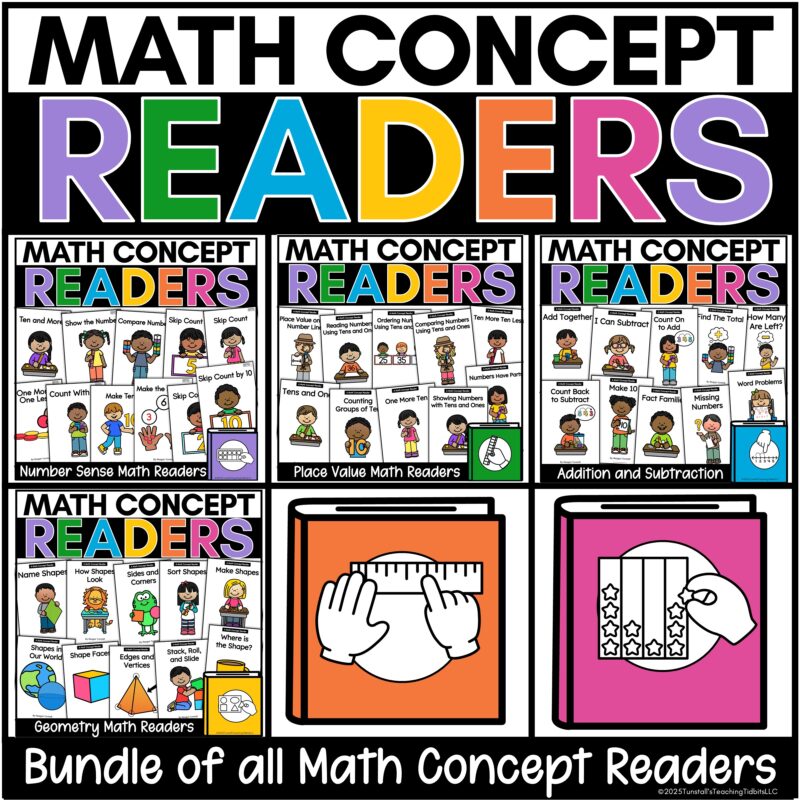
The Math Concept Readers Growing Bundle currently includes four completed sets.
Set 1: Number Sense Math Concept Readers
The original Number Sense collection provides 11 readers focused on foundational K–1 number relationships. Students work with counting, representing quantities, one more and one less, composing numbers, comparing numbers, teen numbers, making ten, and skip counting by twos, fives, and tens. This set is especially useful early in the year, during number sense instruction, or anytime students need additional opportunities to see and discuss how numbers work.
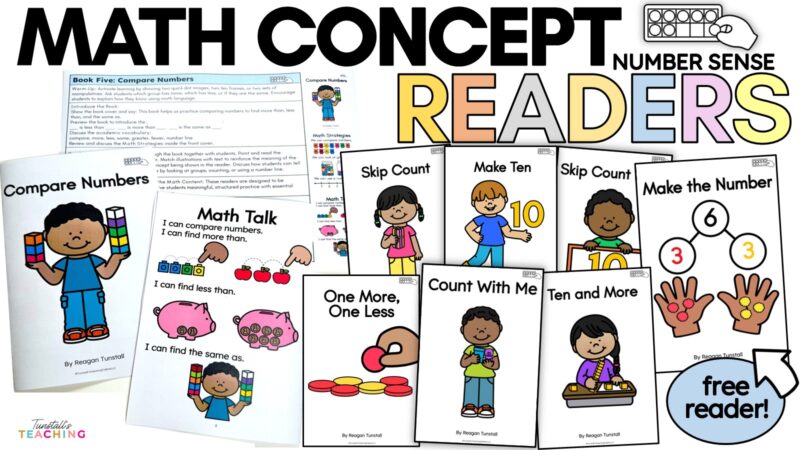
Explore the Number Sense Math Concept Readers
Set 2: Place Value Math Concept Readers
The Place Value collection extends that thinking into tens and ones. Students explore groups of ten, representing two-digit numbers, reading and comparing numbers using tens and ones, ordering numbers, ten more and ten less, decomposing numbers, and representing place value on a number line. The familiar reader format allows the representations to become more sophisticated without changing the basic routine students already know.
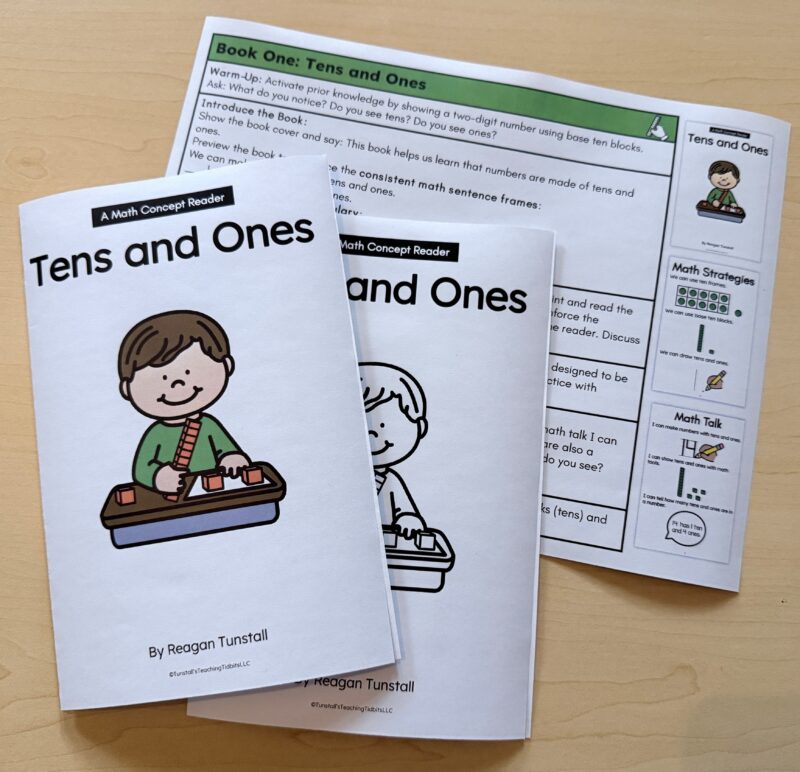
Explore the Place Value Math Concept Readers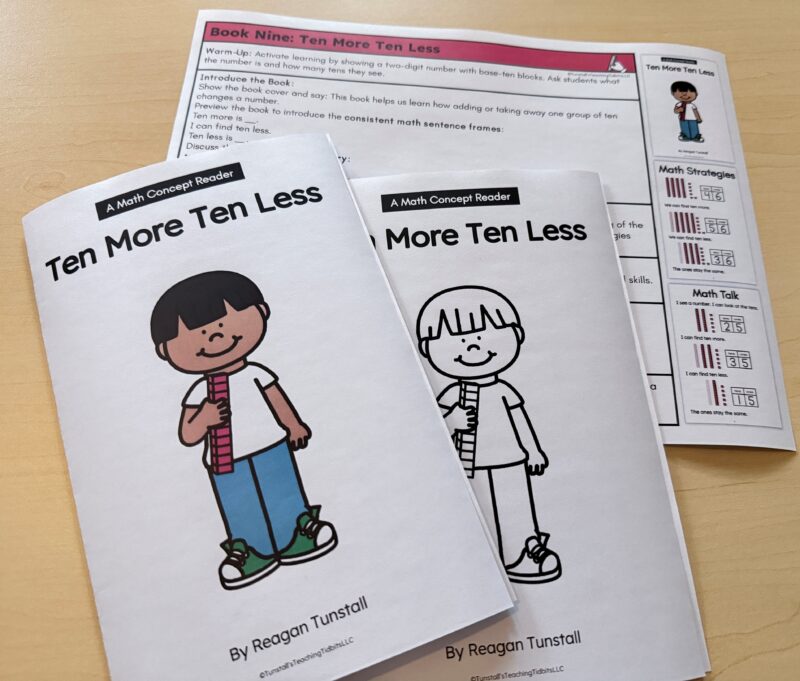
Set 3: Addition and Subtraction Math Concept Readers
The Addition and Subtraction readers focus on what the operations actually mean before students are expected to rely on memorized procedures. Students explore joining, separating, finding totals, finding how many are left, counting on, counting back, making ten, related facts, missing numbers, and word problems. Visual models and consistent math language give students several ways to connect an equation to the quantities and relationships it represents.
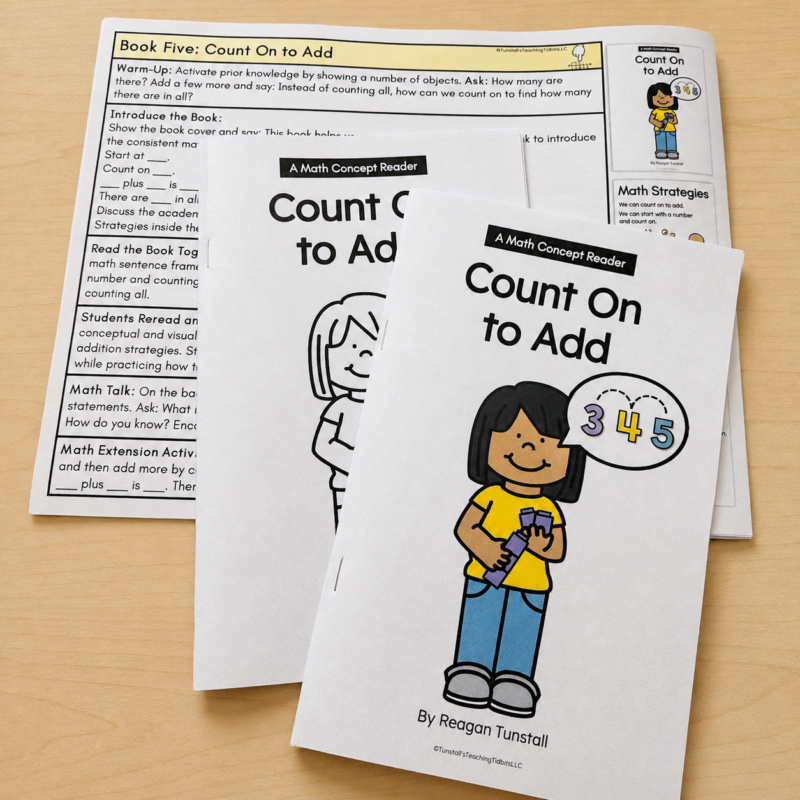
Explore Addition and Subtraction Math Concept Readers
Set 4: Geometry Math Concept Readers
Geometry brings an entirely different kind of mathematical language, so it was a natural next step for the collection. These readers help students explore 2D and 3D shapes, attributes, sides and corners, sorting and composing shapes, real-world shapes, faces, edges, vertices, how shapes move, and positional language. Rather than simply memorizing shape names, students have opportunities to notice attributes and explain what they see.
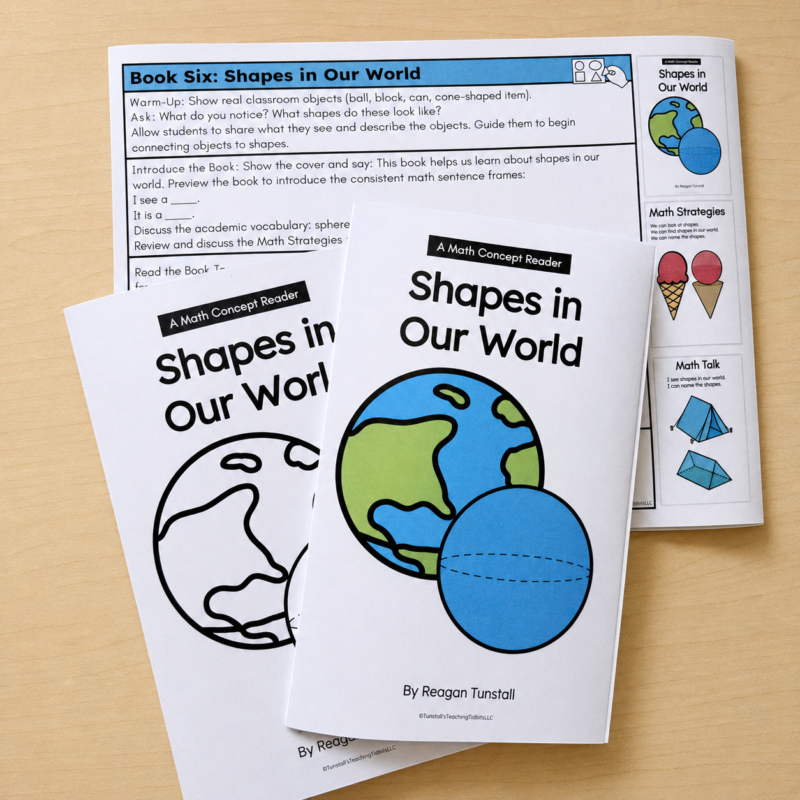
Explore Geometry Math Concept Readers
What Is Included With the Math Readers?
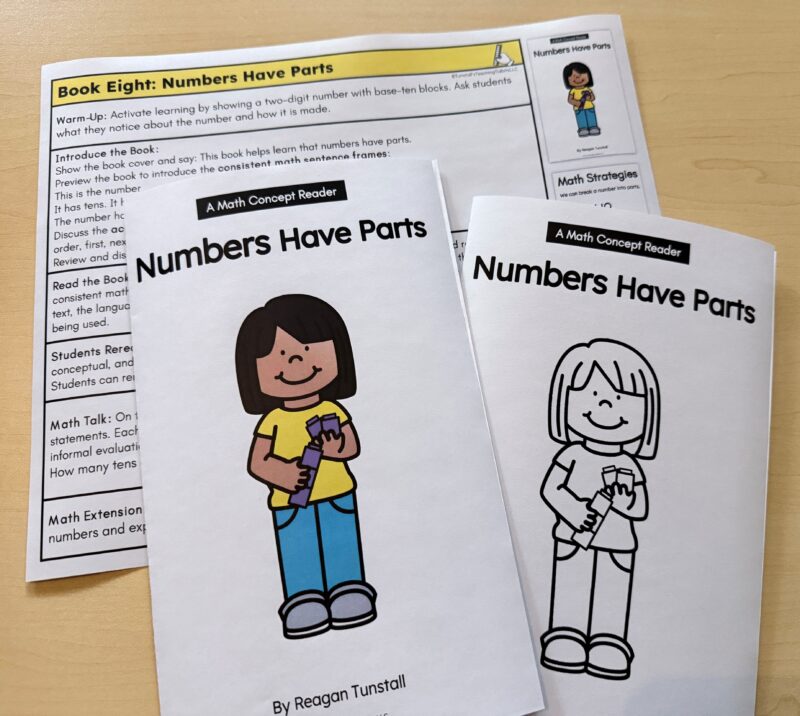
The student booklet is only one part of each Math Concept Reader. Every set includes full-color print-and-fold readers as well as blackline versions. Teachers also receive a lesson plan for each book, Math Talk prompts, academic vocabulary support, visual models, consistent math sentence frames, and a Quick Look Book Guide to make planning easier.
The back of each reader provides additional opportunities for Math Talk, including student-friendly learning targets and prompts that can be used for discussion or a quick check for understanding. That means the same little booklet can support instruction before, during, and after students read through it.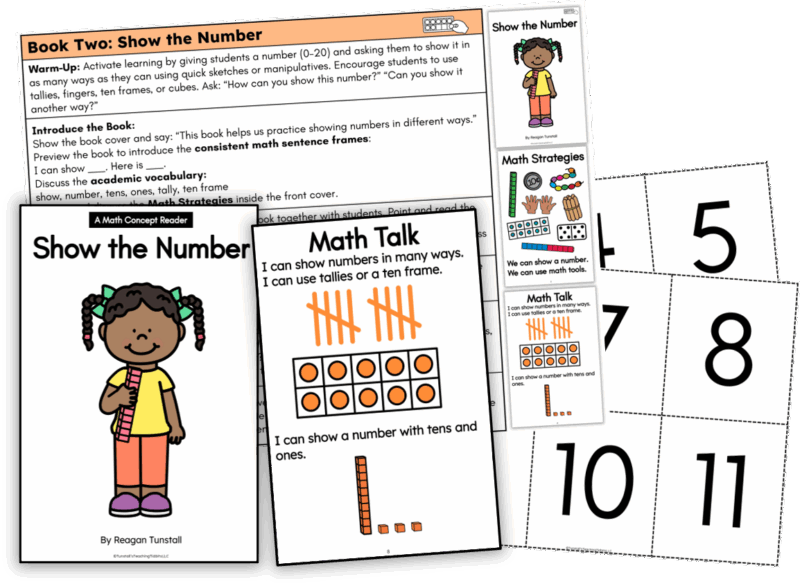
Ways to Use Math Concept Readers
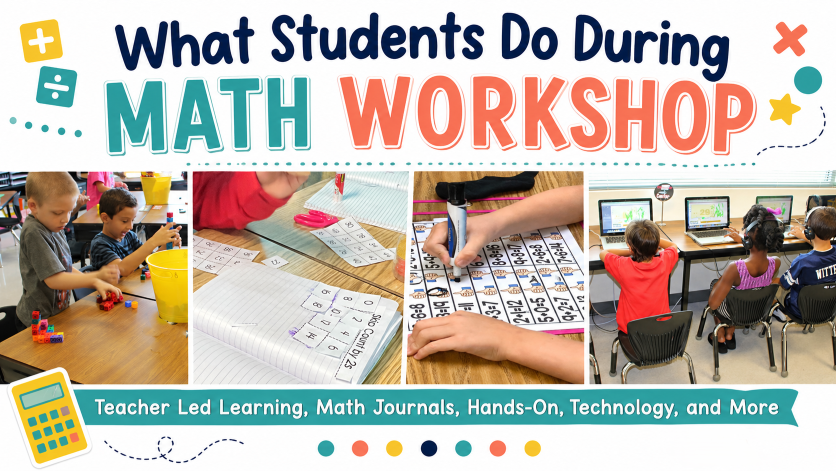
There is not one required routine for these books. You might introduce a reader during a whole-group math lesson and model the language and representations together. In small group, the books can provide another visual and verbal pathway for a concept students are still developing. Once students are familiar with a reader, it can move into a math station for rereading and review.
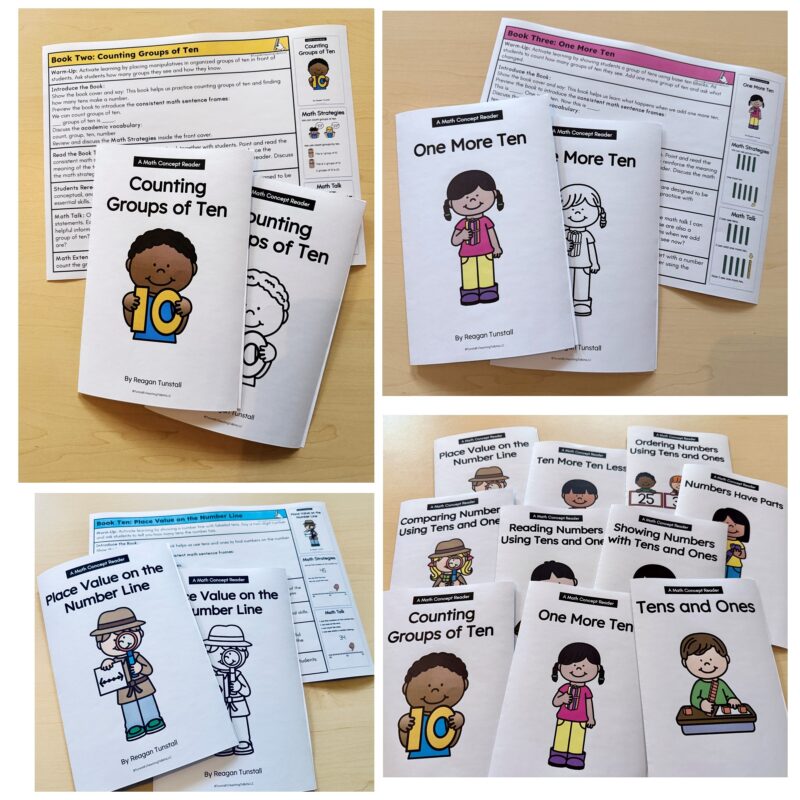
The books can also work well for intervention, reteaching, spiraled practice, or take-home reinforcement. Recent teacher feedback on the collection has specifically highlighted using the readers to introduce and review math concepts, in centers, and as a way for students to share current math learning with families at home.
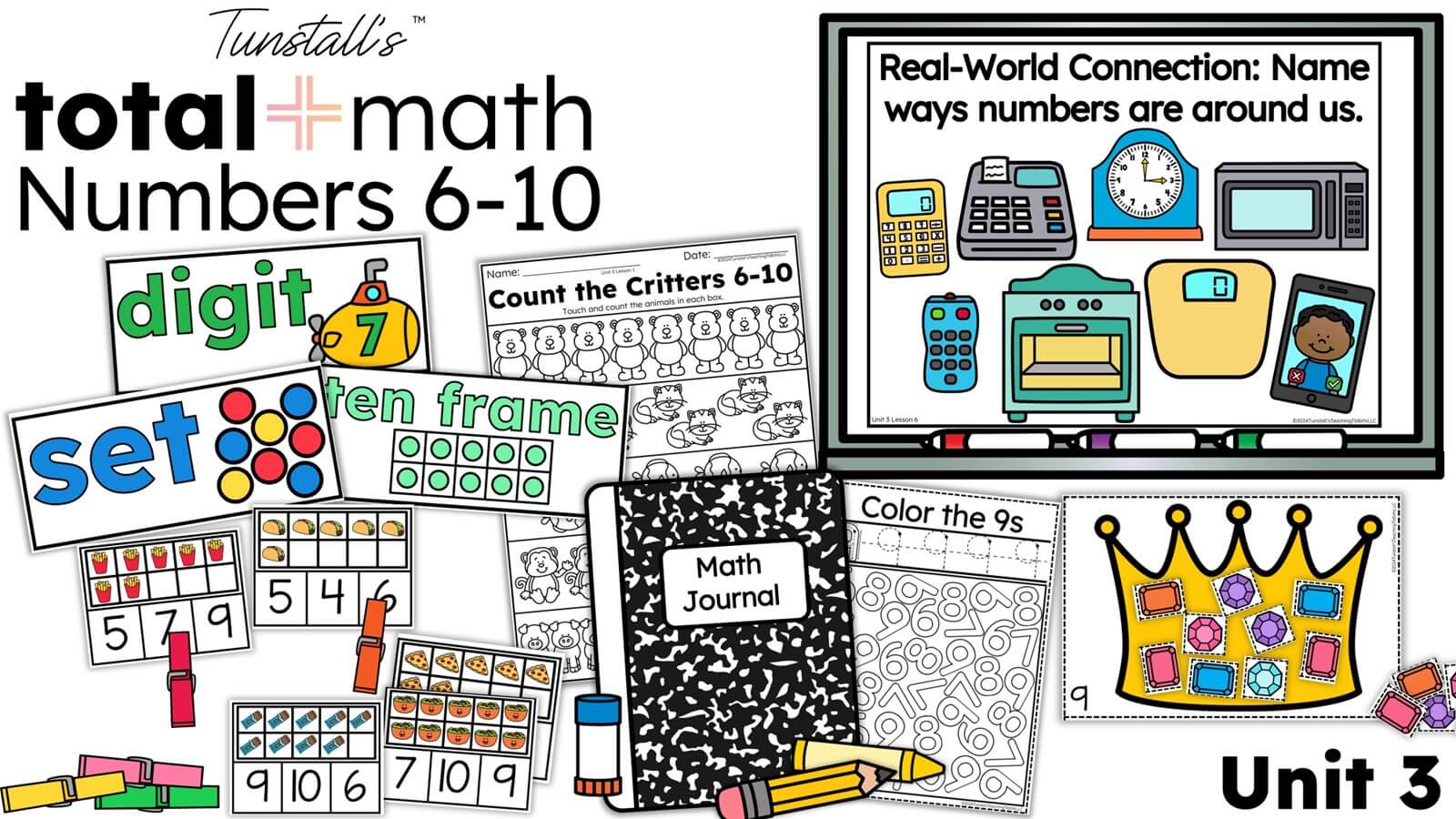
The goal is flexibility. You can use the books alongside Total Math, guided math, or another core curriculum because they focus on the mathematical concept rather than a specific program or pacing guide.
Why Visual Models and Math Language Matter
One of the most important things we can do in early math is help students connect what they see, what they do, and what they say. A student may be able to build 14 with cubes before confidently explaining that 14 is one ten and four ones. A child may recognize a rectangle but still need practice describing its attributes. Another student may solve an addition problem with counters before being ready to explain how the parts combine to make the whole.
Math Concept Readers give students a simple place to revisit those connections. The pictures are not decoration. They represent the mathematics. The vocabulary is not added as an extra task. It is part of understanding the concept. Math Talk then gives students an opportunity to move from looking at a model to explaining what they notice and understand.
Try a Free Math Concept Reader
If you are wondering whether this format will work for your students, start with the free sample. You can see the reader structure, visual models, sentence frames, Math Talk support, and both the color and blackline formats before deciding whether you want additional sets.
Want to try one with your students?
Download the free Math Concept Reader to see the visual models, math language, and Math Talk support inside.
Explore the Math Concept Readers Bundle
If you want the collection rather than one individual topic, the Bundle is the best place to start. Whether you use one reader to introduce a new concept or build them into your math workshop routine throughout the year, the purpose stays the same: give young mathematicians clear visuals, useful math language, and another way to make sense of important ideas.
Want the complete Math Concept Readers collection?
Get all four current sets in the growing bundle, with additional K–1 math concepts still to come.
More K–2 Math Support
If you are working on addition and subtraction, connect this post to the first grade addition and subtraction instruction post. For geometry, link to the Total Math Geometry Lessons for K–2 post so teachers can see how visual models, vocabulary, whole-group instruction, small groups, and independent practice work together. You can also keep the existing kindergarten and first grade number sense links for teachers who want to go deeper into foundational number relationships.
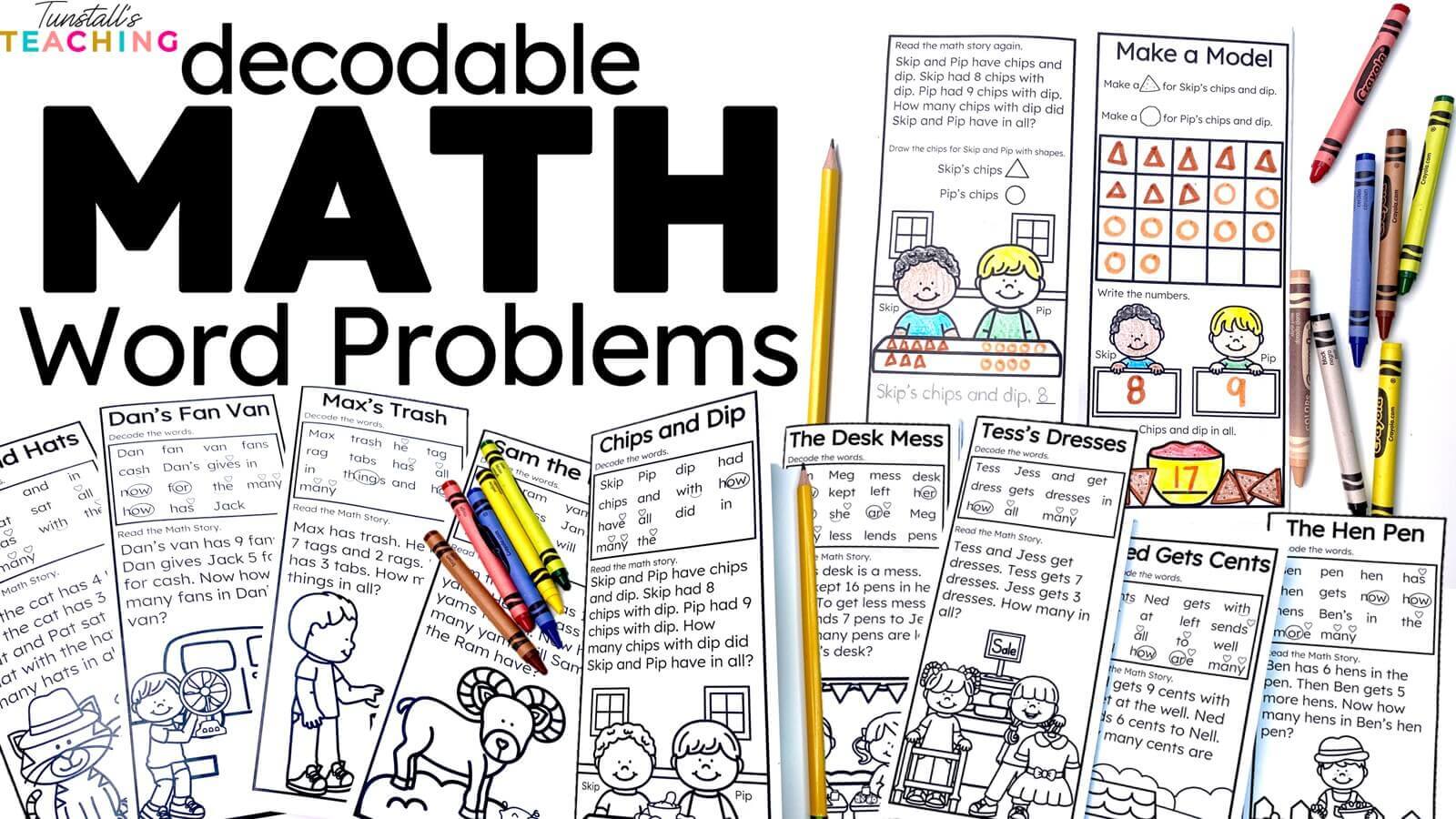
Decodable Math Word Problems
Provide decodable math word problems with the supportive strategies introduced in these math concept readers!
If you want to dive deeper into number sense, The posts below are a great place to start for kindergarten and first grade.