 Contact
First Grade Math Centers for Addition and Subtraction: One Skill Across Four Stations
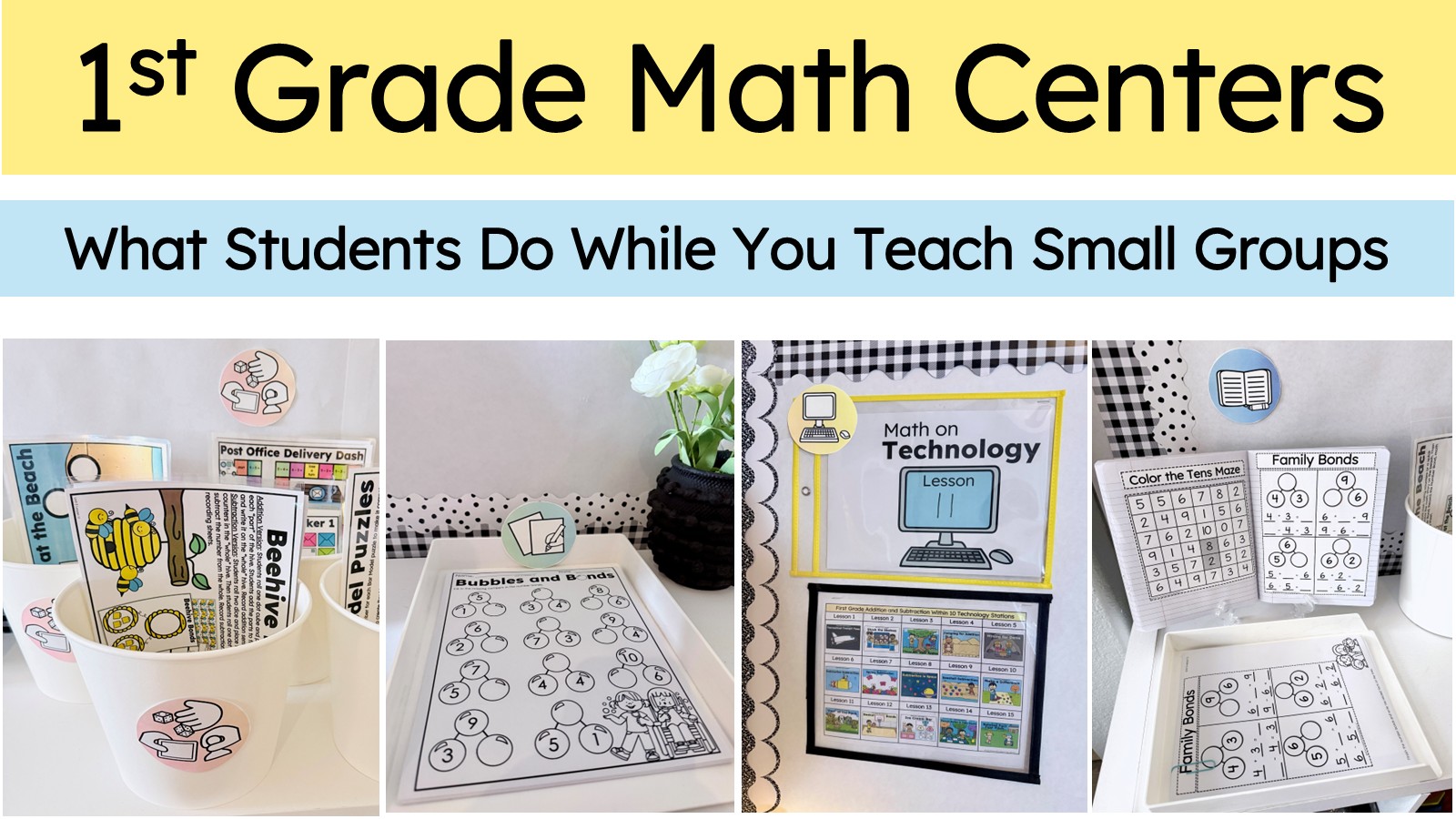
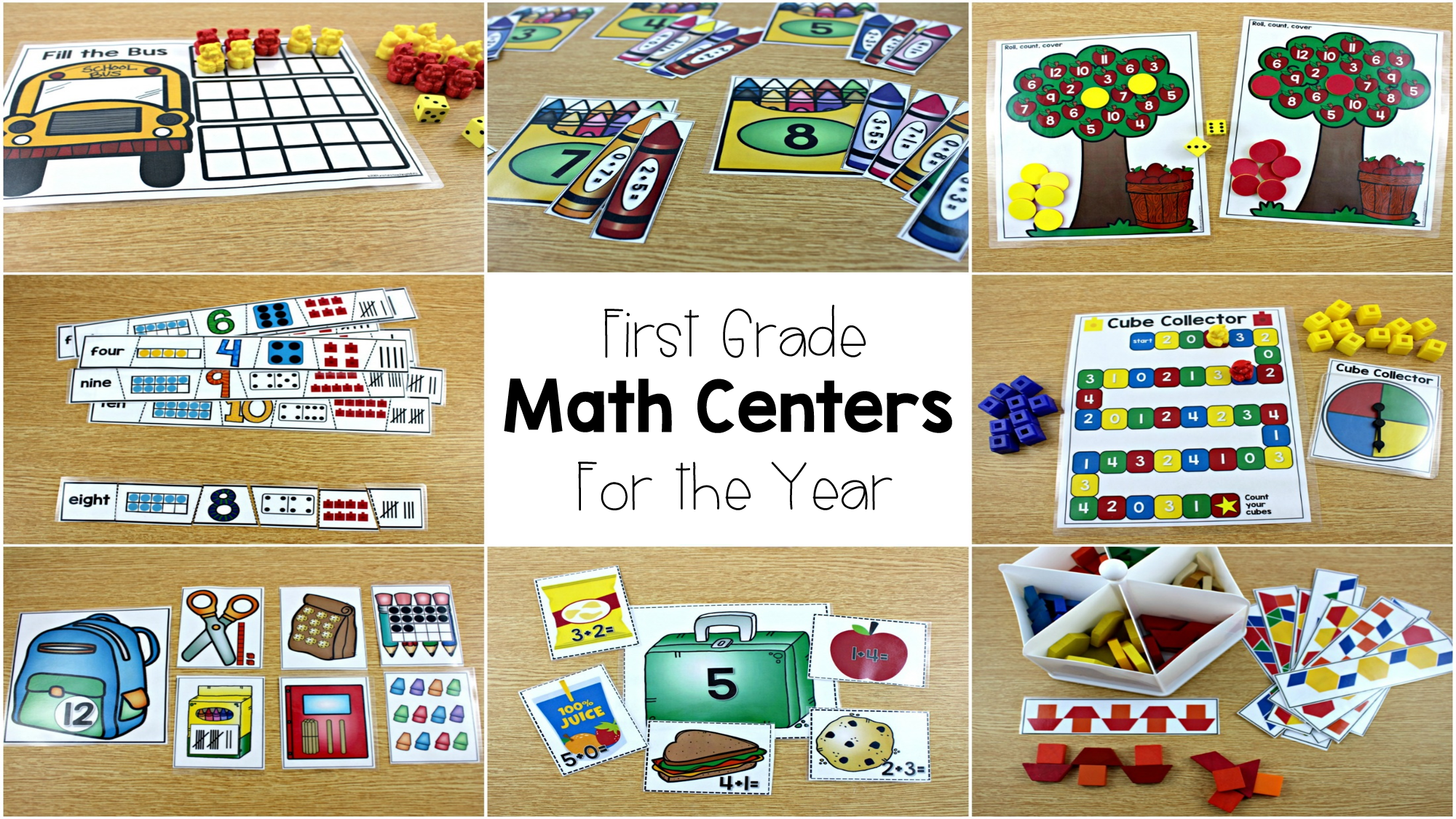
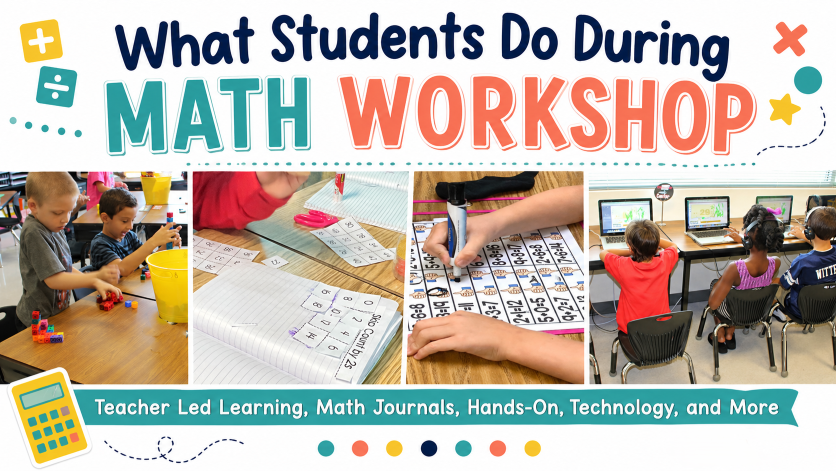
What are the rest of the students doing while you teach a small group? In first grade, there are 4 math centers that make up the framework for the teacher led small group time of the math block. These four student stations can stay the same all year because they provide a well-rounded math experience allowing students to practice and refine their skills in a variety of ways.
These first grade math centers for addition and subtraction show how TOTAL Math teaches the same skill across the small group lesson at the teacher table and four student stations. In this post, the focus is understanding parts and wholes and using that relationship to add and subtract.
How the TOTAL math workshop stations fit together
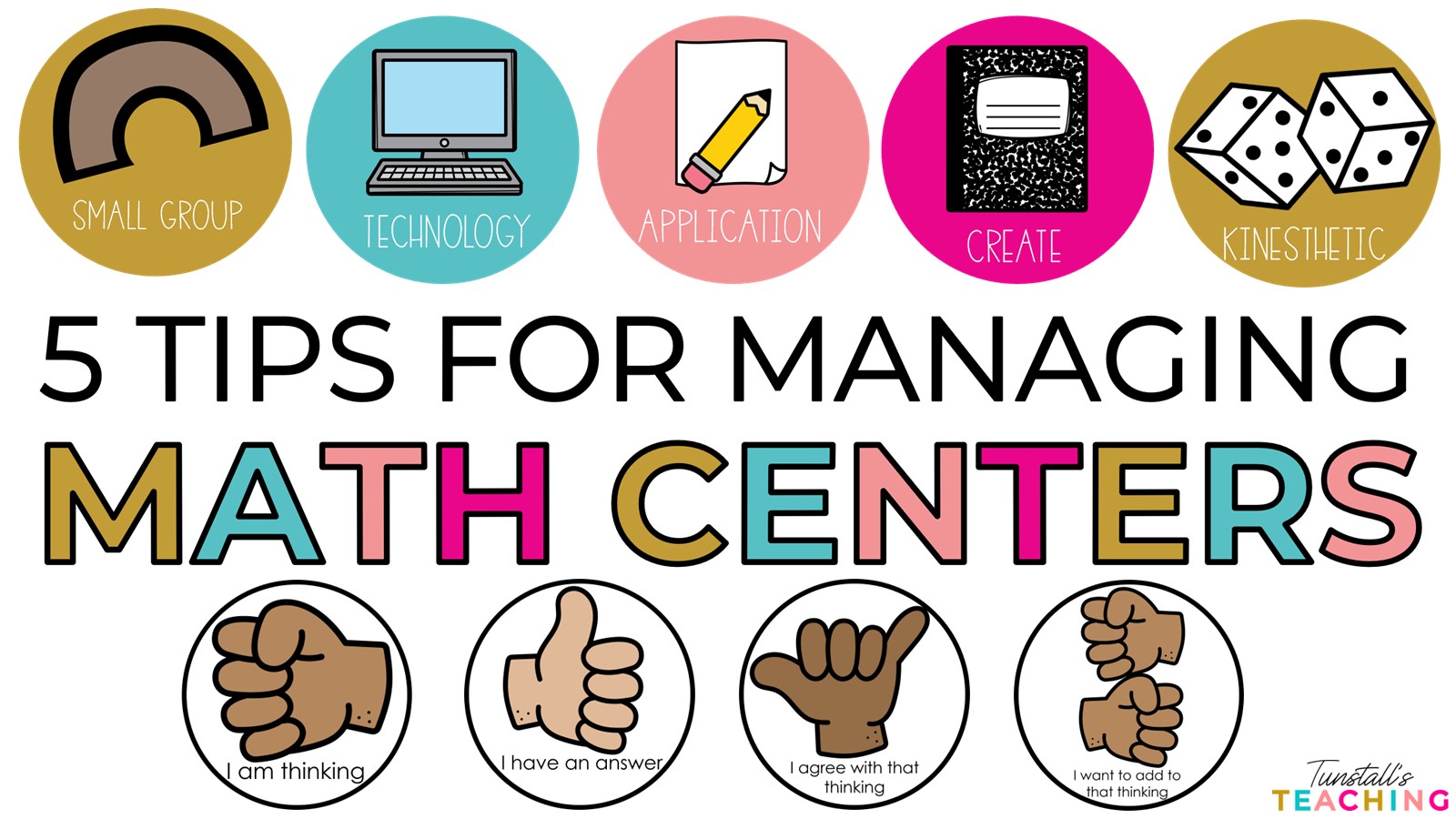
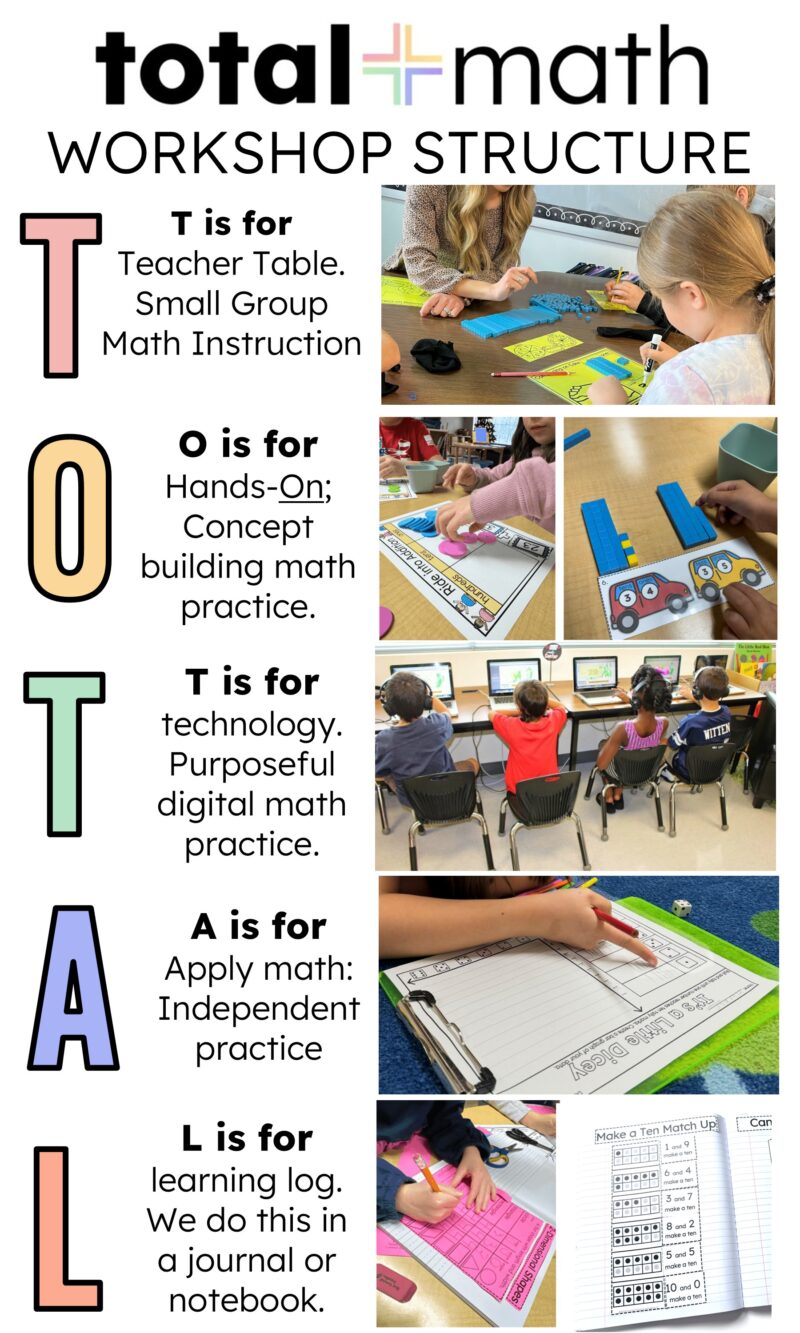
The acronym TOTAL organizes this part of the math block into Teacher Table (small group) and four workstations. Students have opportunities to work on math centers while peers visit the teacher table for math small group lessons. Depending on the length of the math block, students may visit up to 4 math centers during the math workshop time after the whole group lesson. If you have a shorter math block, students may visit one or two stations.
Research states that math stations work best as spiral review of previously taught skills. I recommend putting out a station after students have had the lesson, practiced the skill with you at Teacher Table, and learned the activity’s directions. TOTAL Math provides aligned stations for every skill and lesson, so the practice is ready when your students are. The photos in this post show how one skill connects across the framework, but your daily stations do not need to match that day’s lesson. They can revisit earlier learning while you introduce something new, giving students repeated practice with skills they are prepared to use independently.
Plan the number of daily rotations around the time you have. Students can visit the stations across more than one day. This example uses first-grade materials, but the TOTAL structure also runs kindergarten and second grade.
Teacher Table and the free Shake Shake Drop lesson
Shake Shake Drop gives students a concrete way to explore number bonds. The setup includes cups, two-color counters, and a mat with spaces for the whole, the parts, and equations.
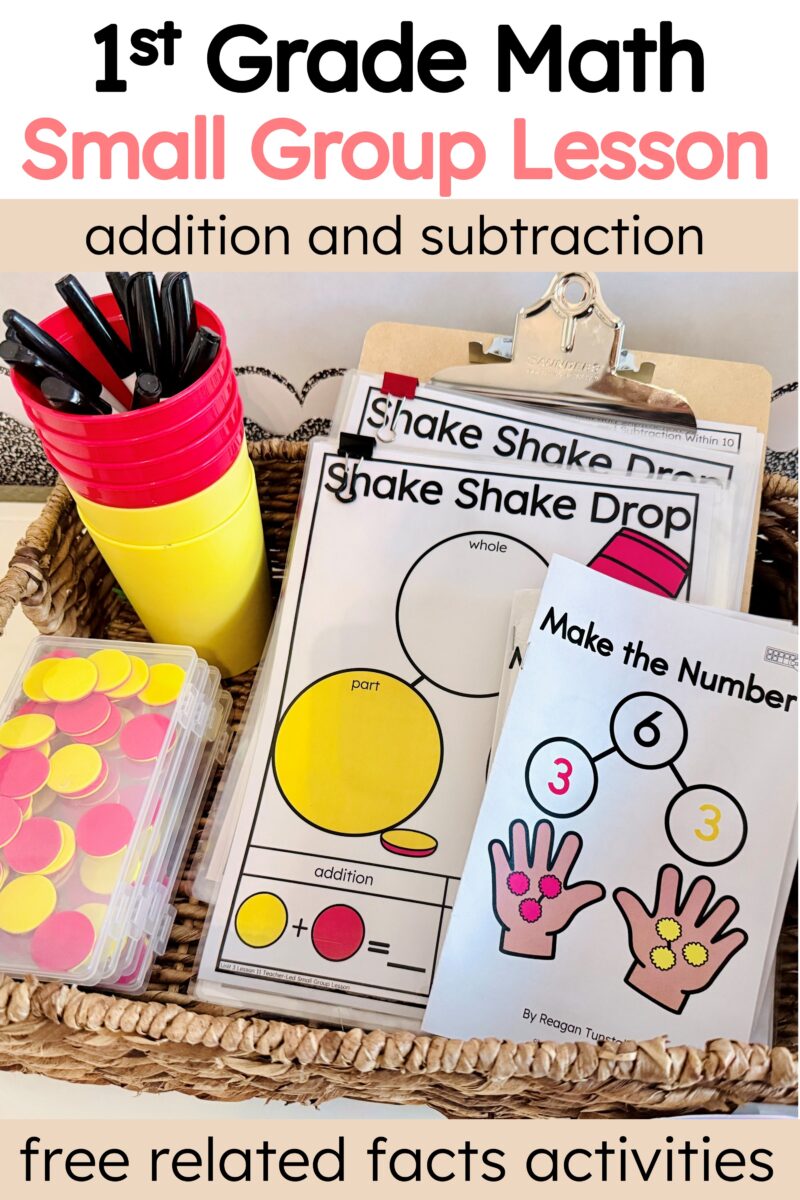
Choose a total for students to work with. Students shake the counters in a cup, gently drop them onto the work area, and sort them by the color showing. They use the mat to represent the two parts and the whole, then connect the model to addition and subtraction.
Keep the total the same for several turns. As the color combinations change, ask, “What changed? What stayed the same?” That conversation helps students attend to the relationship between the parts and the whole.
At the table, I want to see how a student gets an answer. Can the student count each part accurately? Identify the whole? Show which part is left when the other part is taken away?
Adjust the amount of support as you watch. Some students may need a smaller total and help organizing the counters. Others may be ready to find a hidden part and explain how they know. The task gives you room to respond without preparing a separate activity for every child.
Try these free first grade math activities.
Download the Shake Shake Drop small group lesson and the math reader to help your first graders explore parts, wholes, and related facts.
Hands-On Math with Beehive Bonds
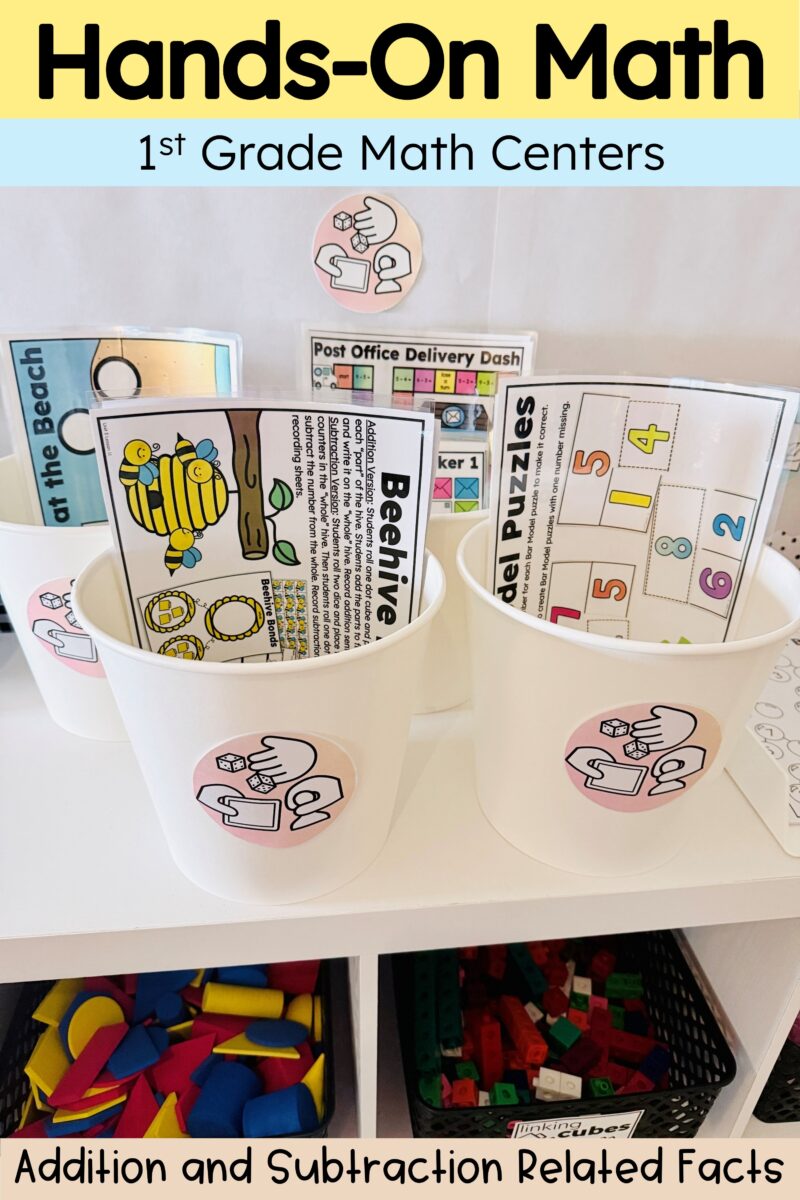
At the Hands-On Math station, Beehive Bonds carries the same part-and-whole thinking into practice with cubes or counters. The mat gives students a place to build each part and represent the whole. They record their addition or subtraction sentences in the honeycomb spaces on the recording page.
In the photographed example, four yellow cubes and six black cubes make ten. Students can bring those groups together, separate them again, and connect the quantities to the numbers on the mat.
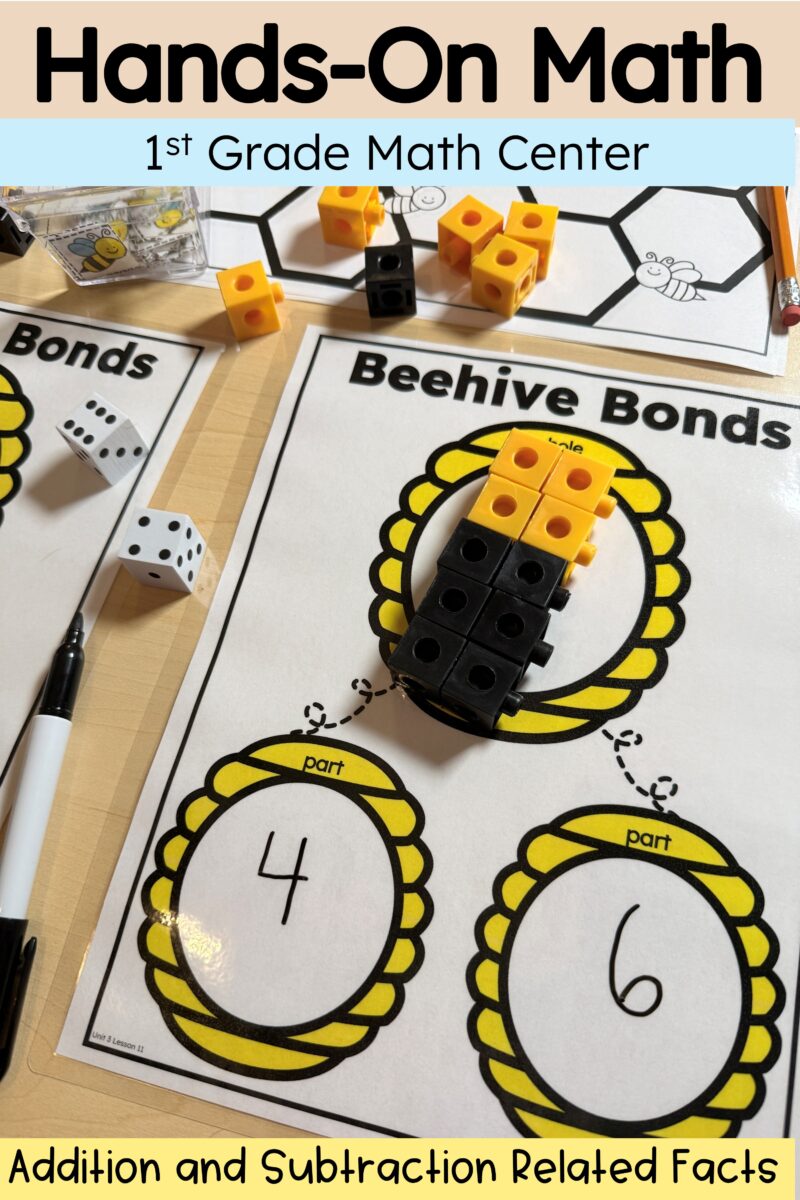
The activity includes addition and subtraction versions. Model the version students will use before placing it in the station. I only have students work out of one tub per workshop session. The picture below shows multiple Hands-On stations ready to go.
Technology with a clear assignment
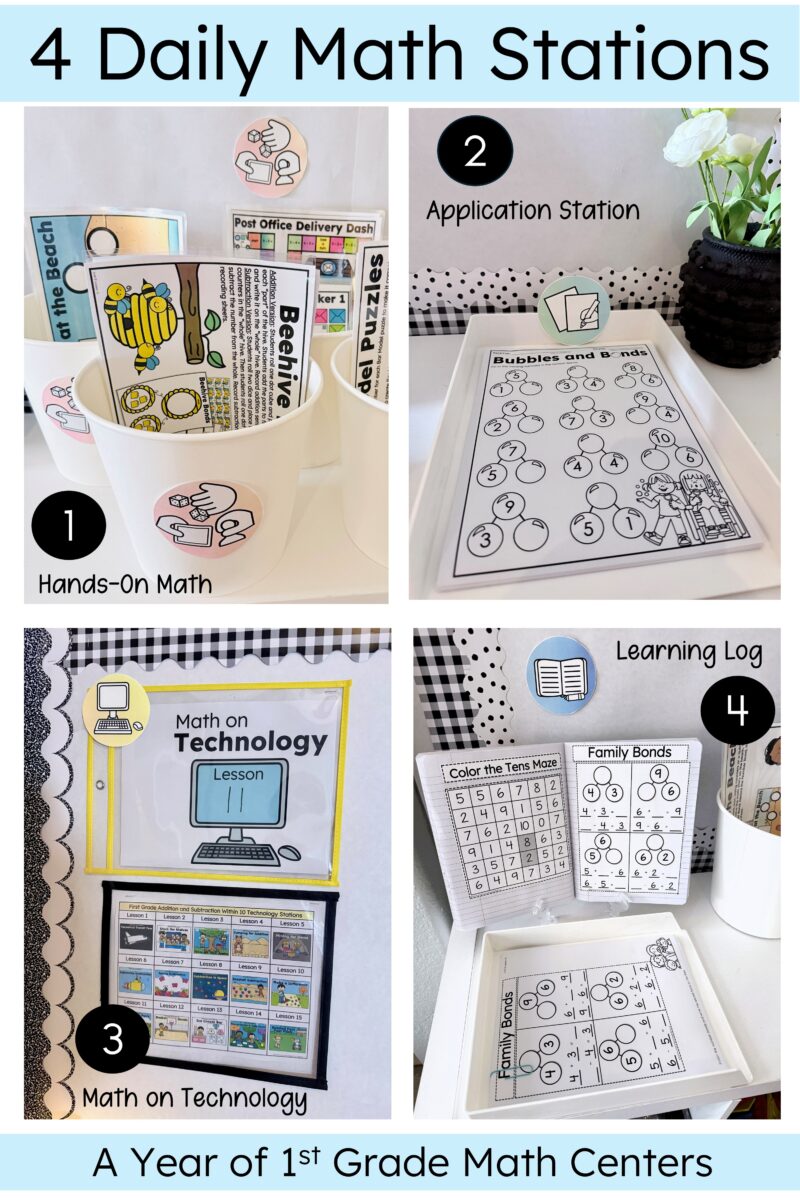
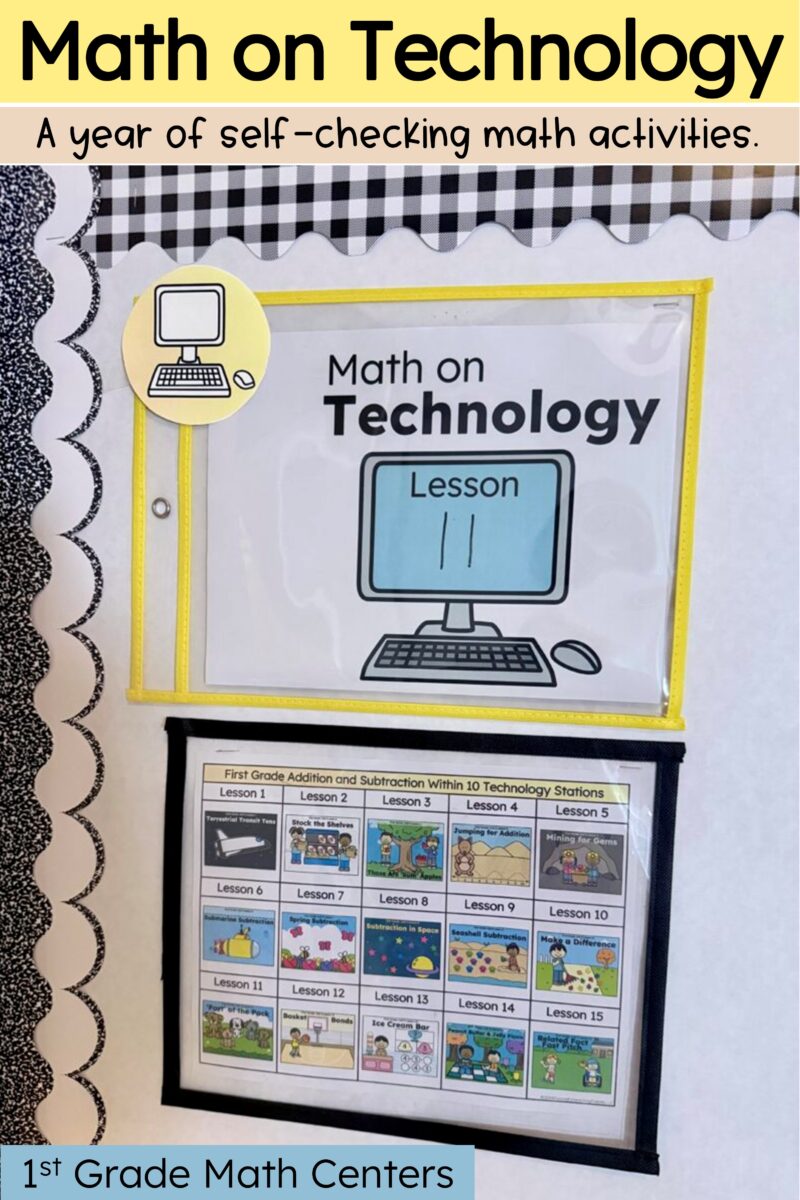
The Math on Technology station gives students another way to revisit previously taught skills. In this setup, the display identifies Lesson 11, “Part” of the Pack, so students have a visual reference for their assignment.
The Total Math technology activities use self-checking games on a device, all set up in Google and ready for you. You will click the lesson thumbnail and be prompted to make a copy for your Google files.
Application Station with Bubbles and Bonds
The application station is simply independent practice for your math block! Easy to prep and take a grade makes this math center a no brainer. Fitting in independent practice as a center provides you with a gauge on how students are managing outside of the safety of the teacher table.
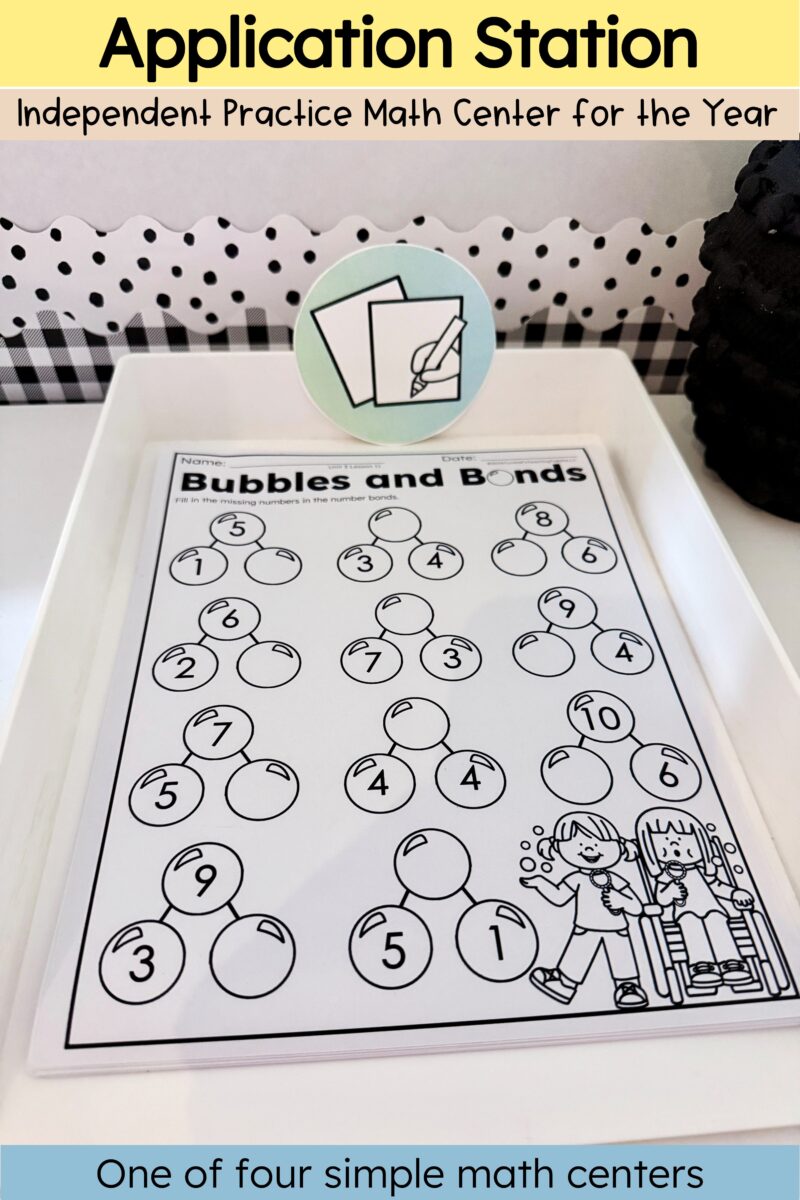
Bubbles and Bonds gives each student an opportunity to apply the learning independently. Students fill in missing numbers in number bonds. Some problems show both parts and ask for the whole; others provide the whole and one part.
Keep counters available so students can model a problem when needed. Working independently can still include using a math tool.
Learning Log with Family Bonds
The Learning Log keeps a record of students’ math work in a composition notebook. In the Family Bonds entry, students complete number bonds and the related addition and subtraction equations underneath them.
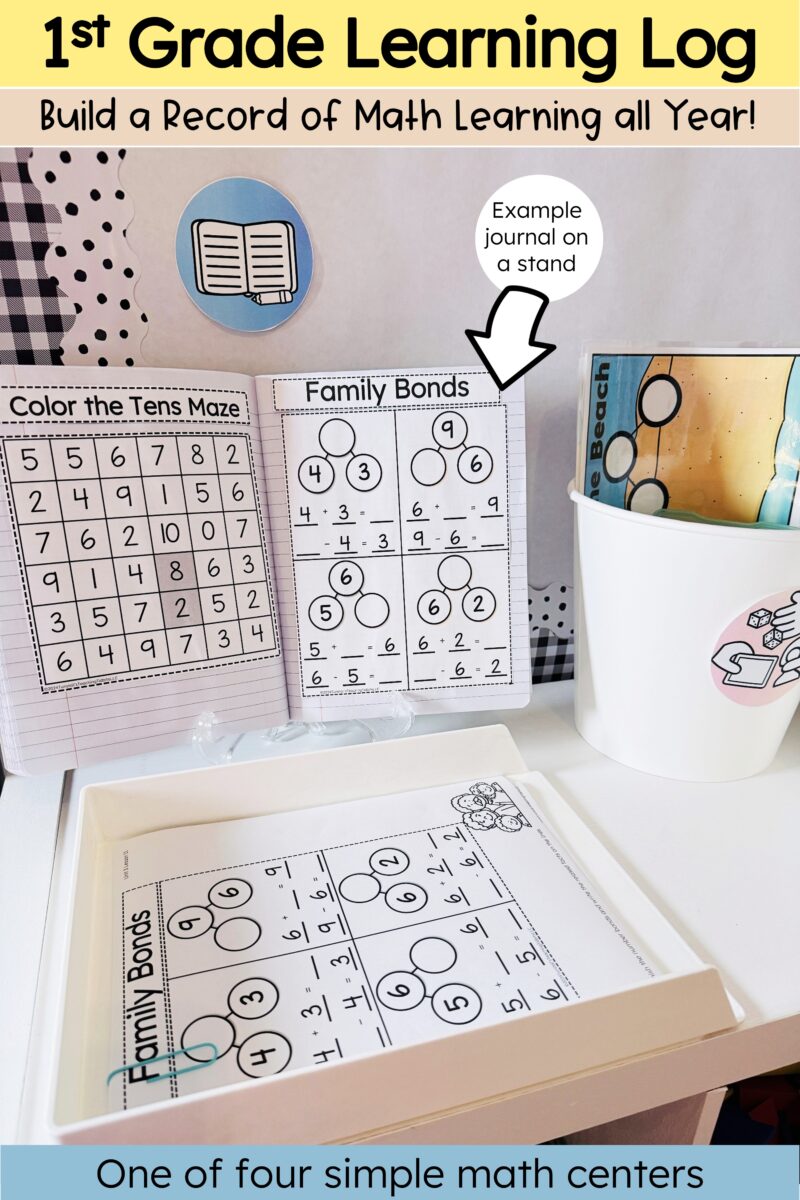
Before the Learning Log becomes independent, it is taught whole group. Show students where the entry goes, how to attach it, and what completed work should include. An example journal makes it easy to show students the formatting without any answers. Keep the current page easy to find, as shown in the tray beside the sample notebook.
Organizing first grade math centers for independence
The setup should help students answer the everyday questions that otherwise follow you to Teacher Table: Where do I get the materials? Which activity am I doing? Where does everything go when I finish?
Use matching station labels
Use the same station icon on the display and the materials container. In the photos, the hands-on icon identifies the activity tubs, the notebook icon marks the Learning Log area, and the computer icon identifies Technology.
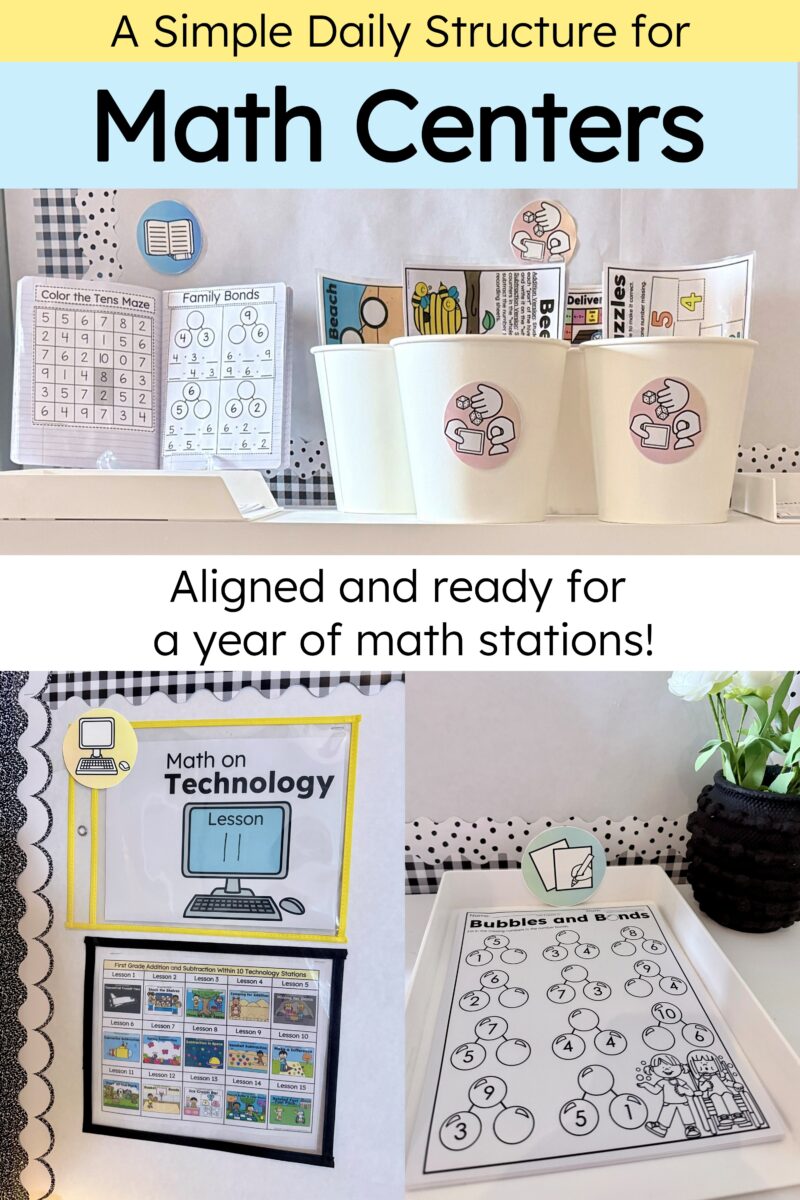
The free math workshop labels and TOTAL station icons include workstation titles, icons, letters, and numbers for setting up the math area. For more storage examples and additional free labels, visit my math curriculum organization guide.
Make the rotation plan visible
Once the station routines are familiar, display where each group goes and when it changes activities. My customizable math workstation timers, rotations, and choice boards coordinate with this setup and let you adjust the groups, station choices, and minutes per round.
Choose a pace that leaves enough time to do the math and put materials away. Two or three focused rounds can be a useful starting point; distribute the remaining stations across the next day. Plan the independent stations around previously taught skills, allowing you to introduce or revisit other learning at Teacher Table.
You can see more options in the math rotation slides and schedules post.
Getting your math stations up and running?
This free Math Workshop Launch Guide will help you plan routines and introduce stations so students know what to do while you teach a small group.
Try Total Math stations in your math block
The featured activities come from First Grade Total Math Unit 3, Addition and Subtraction Within 10. The lesson materials connect teacher-led instruction with hands-on practice, technology, application, and the Learning Log. You can use components alongside the curriculum your school already requires.
Start with the free Teacher Table lesson and watch how students use the counters to explain their thinking. Their responses will help you decide what support they need before moving into independent number-bond practice.
Download the Free Shake Shake Drop Lesson
Take a look at the full unit for this sample lesson here: High-Yield Strategies for Addition and Subtraction in First Grade. Or jump right to the unit to see it in the store. First Grade Total Math Unit 3
For a look at how the components fit across the year, visit the Total Math curriculum overview.