
 Contact
ELA Stations by Standard | Structured Literacy Centers for K-2
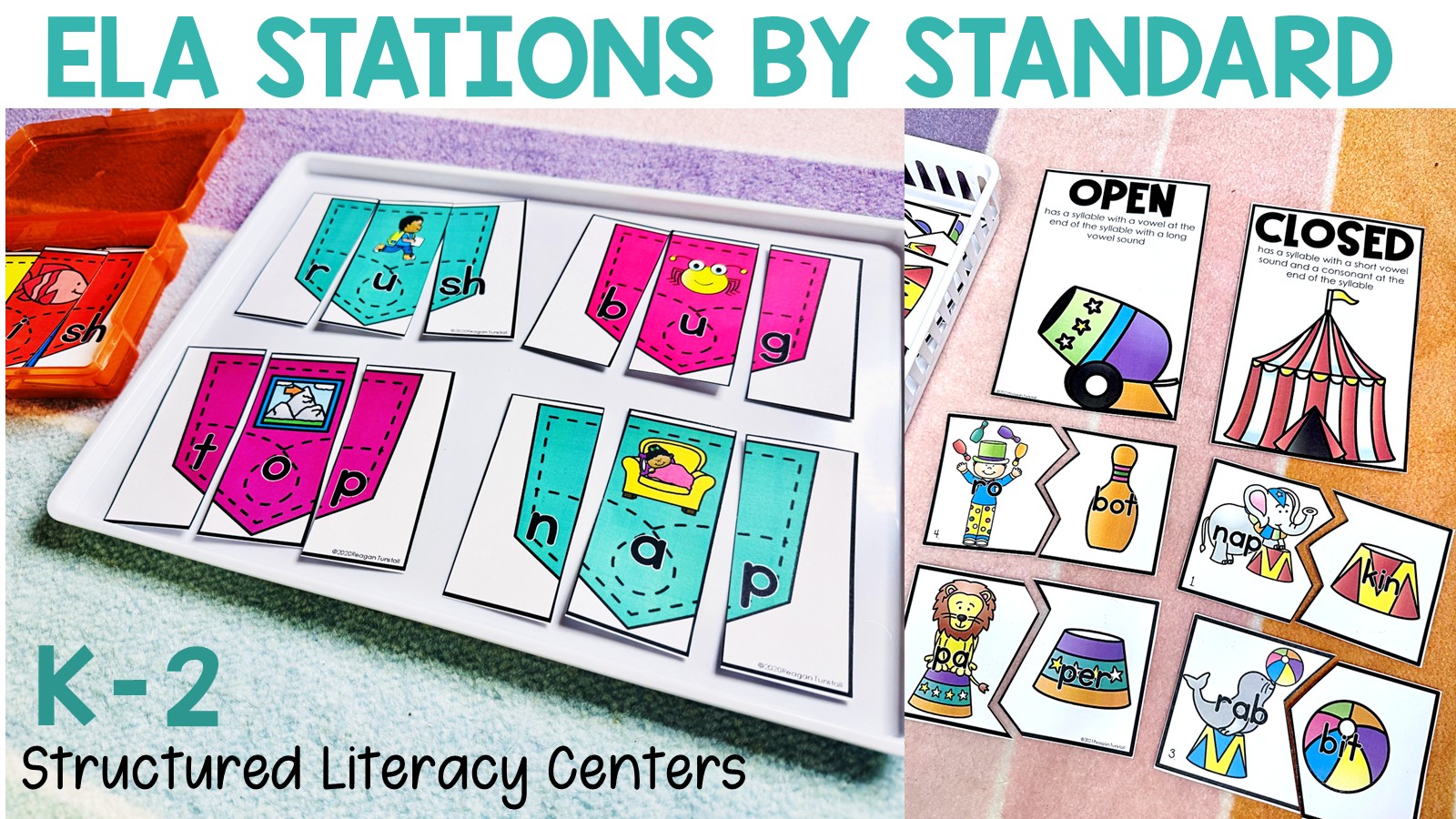
Structured Literacy Centers Grounded in Reading Research
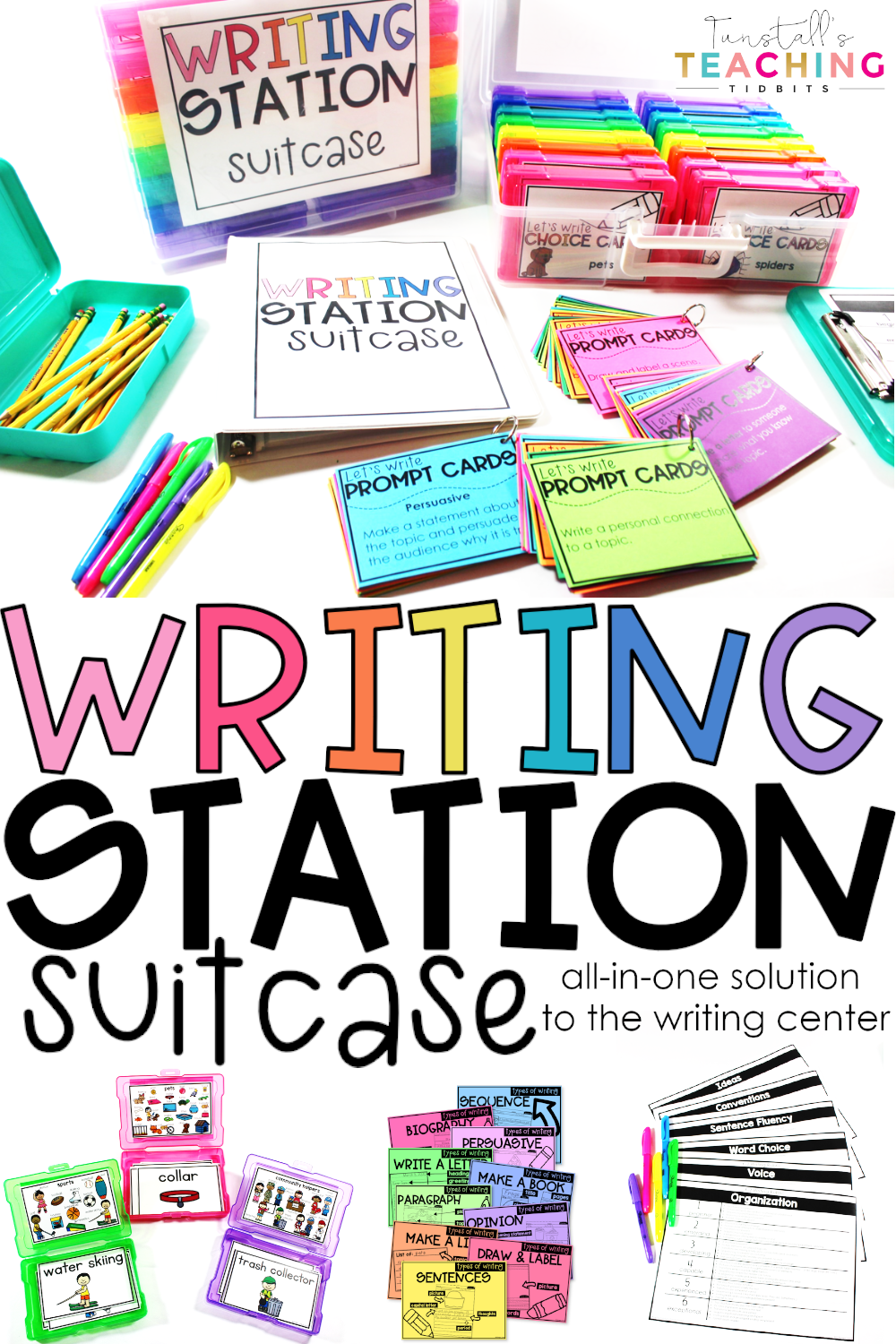
If you are building a literacy block informed by the Science of Reading, your independent practice should reinforce the same structured instruction you provide during whole group lessons. Therefore, literacy stations should intentionally support decoding, vocabulary development, language skills, grammar, and comprehension.
Need structured literacy centers ready for independent practice?
Choose your grade level to explore hands-on ELA Stations by Standard for phonics, vocabulary, grammar, language, and comprehension.
Free grade-level samples are included farther down the post.
Why Structured Literacy Stations Matter
Current reading research emphasizes the importance of systematic, explicit instruction across foundational domains. However, students also need structured opportunities to practice those skills independently.
For example, effective literacy stations should reinforce:
Phonological awareness
Phonics and decoding
Vocabulary development
Fluency
Language and grammar
Reading comprehension
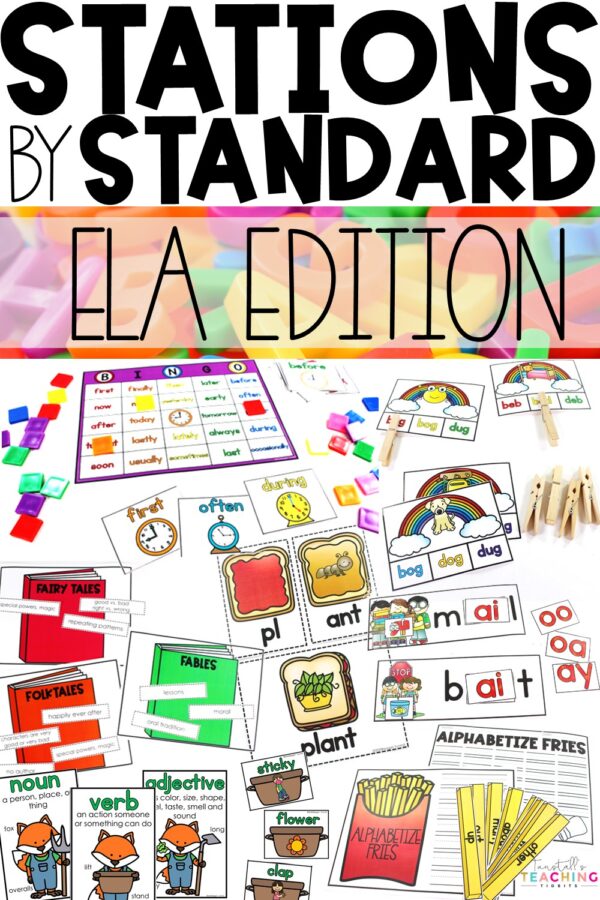
These ELA stations are aligned to grade-level standards and organized by skill so teachers can confidently assign meaningful practice during small groups, literacy rotations, or intervention blocks.
Kindergarten ELA Stations by Standard
Kindergarten builds the foundation for future reading success. Therefore, these stations focus on early decoding and oral language development.
Students practice:
Letter-sound correspondence
Phoneme blending and segmenting
CVC word building
Early sentence structure
Listening and speaking skills
These hands-on stations provide structured routines that build independence while reinforcing explicit instruction taught in whole group.
Preview the kindergarten station format or explore the complete set of standards-based literacy centers.
1st Grade ELA Stations by Standard
First grade literacy shifts toward automatic decoding and deeper word study.
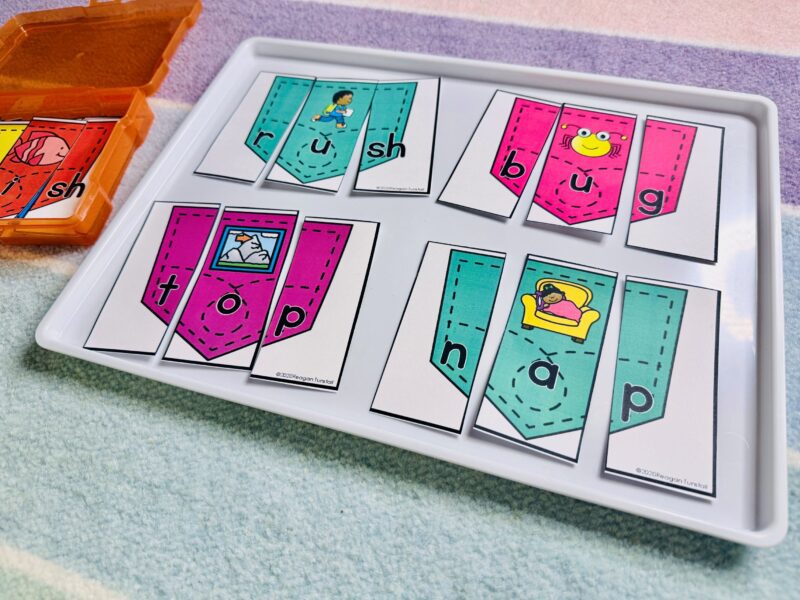
Students practice:
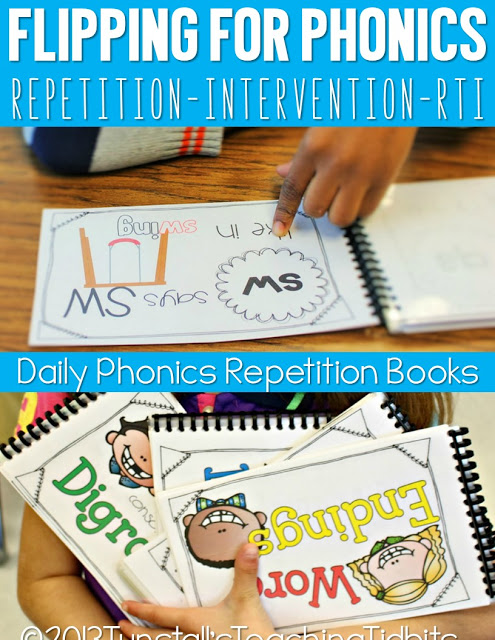
Systematic phonics patterns
High-frequency word application
Vocabulary development
Grammar and sentence construction
Reading comprehension skills
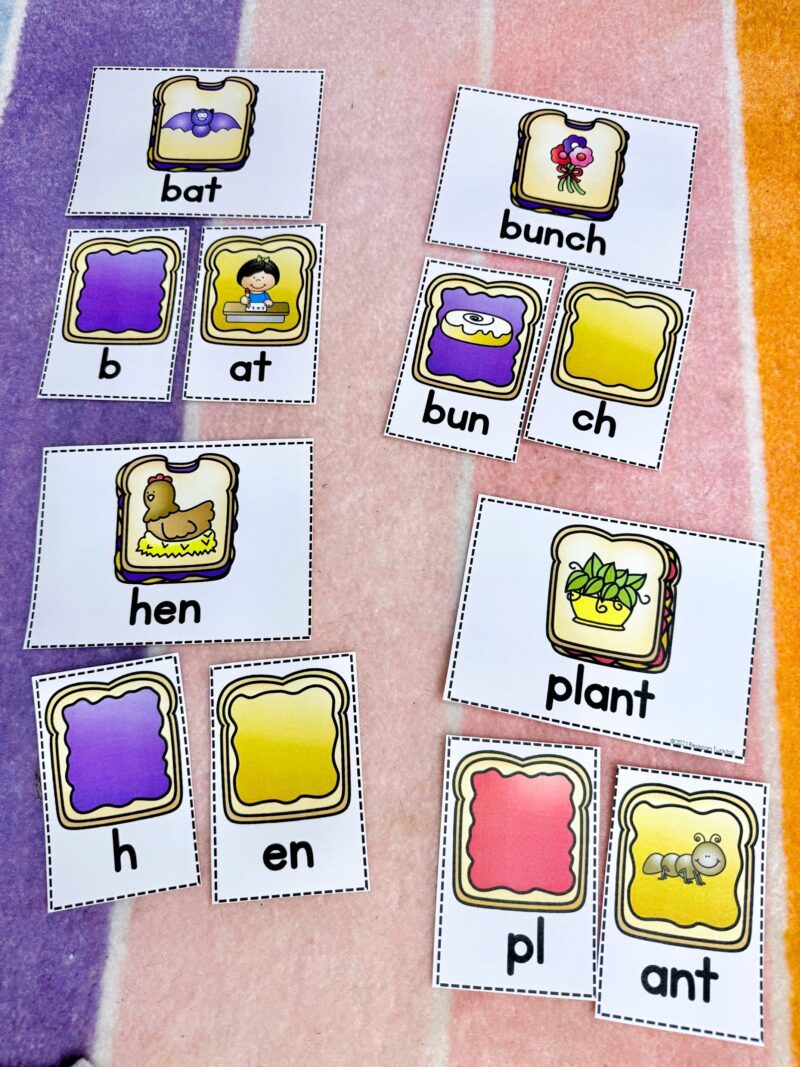
Stations are aligned by standard so you can quickly assign targeted skill practice.
Preview the first-grade station format or explore the complete set of standards-based literacy centers.
Included
-
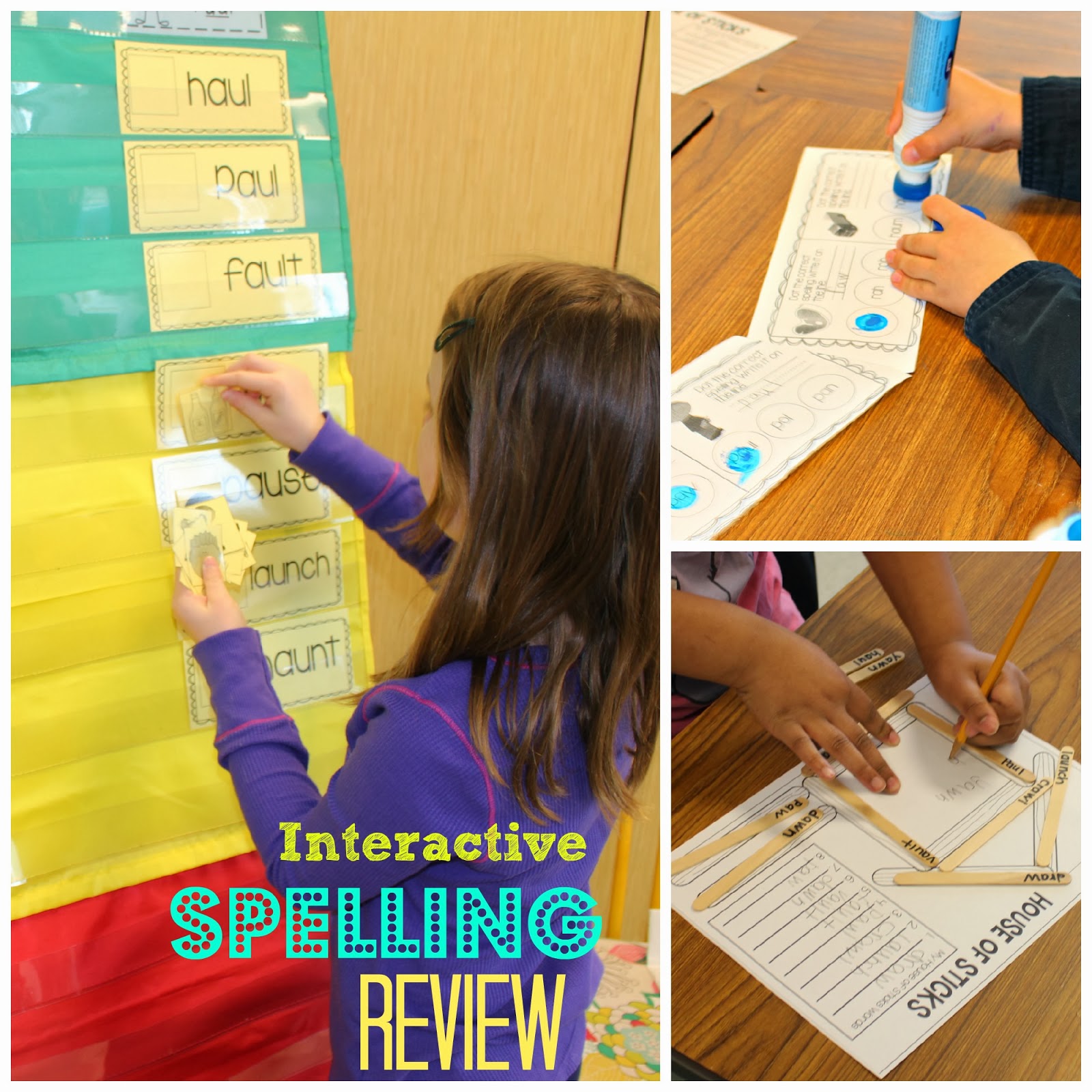
Targeted phonics sort activities
-
Word meaning building stations
-
Grammar review with partner practice
-
Comprehension skill stations aligned to standards
2nd Grade ELA Stations by Standard
By Second grade, students encounter multisyllabic words, academic vocabulary, and more complex comprehension tasks. Therefore, literacy stations continue to reinforce structured decoding and language development.
These stations reinforce:
Syllable types and word analysis
Vocabulary expansion
Grammar and conventions
Reading comprehension
Written response
As students apply these skills independently, they build fluency, accuracy, and confidence while maintaining alignment with grade-level standards.
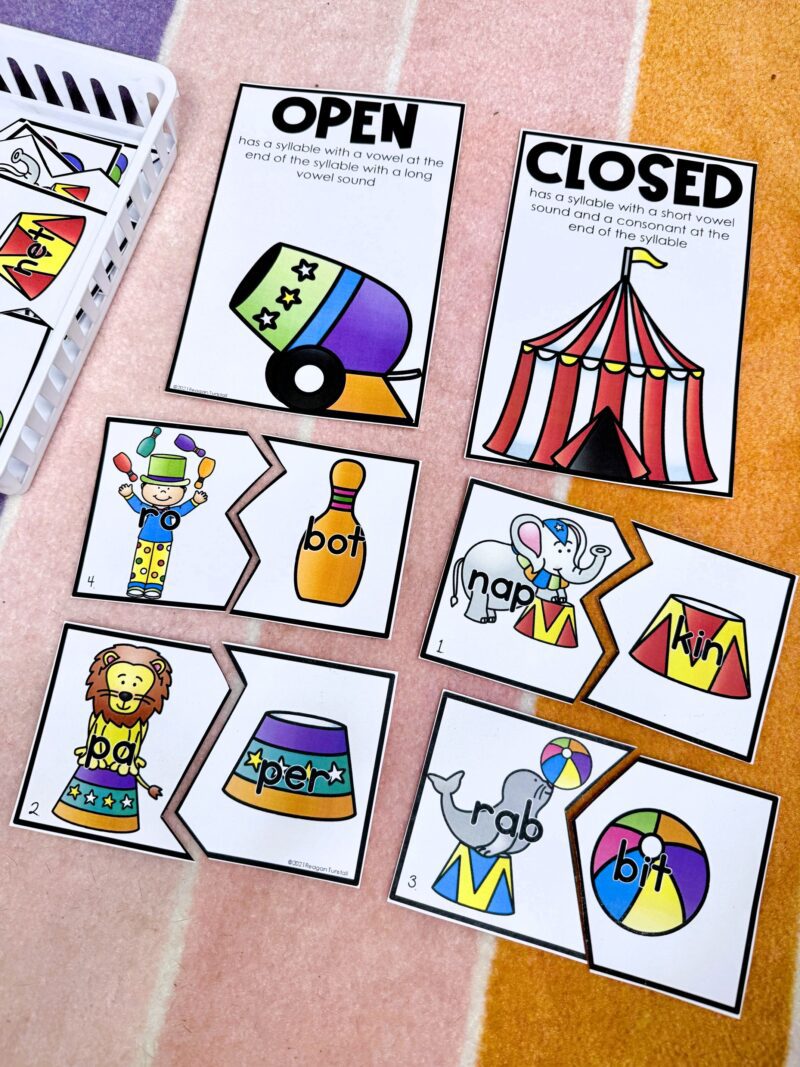
Preview the second-grade station format or explore the complete set of standards-based literacy centers.
What’s inside:
-
Standard-based practice for reading comprehension
-
Academic vocabulary reinforcement
-
Grammar & writing support
-
Self-checking partner stations
How to Use These Stations in a Research-Informed Literacy Block
First, introduce the skill during explicit whole group instruction.
Next, provide guided practice in small groups.
Then, assign aligned stations for structured independent reinforcement.
Because the stations connect directly to standards and foundational skill instruction, students practice with clarity and purpose.
The Lit Kit: A Separate Literacy Resource
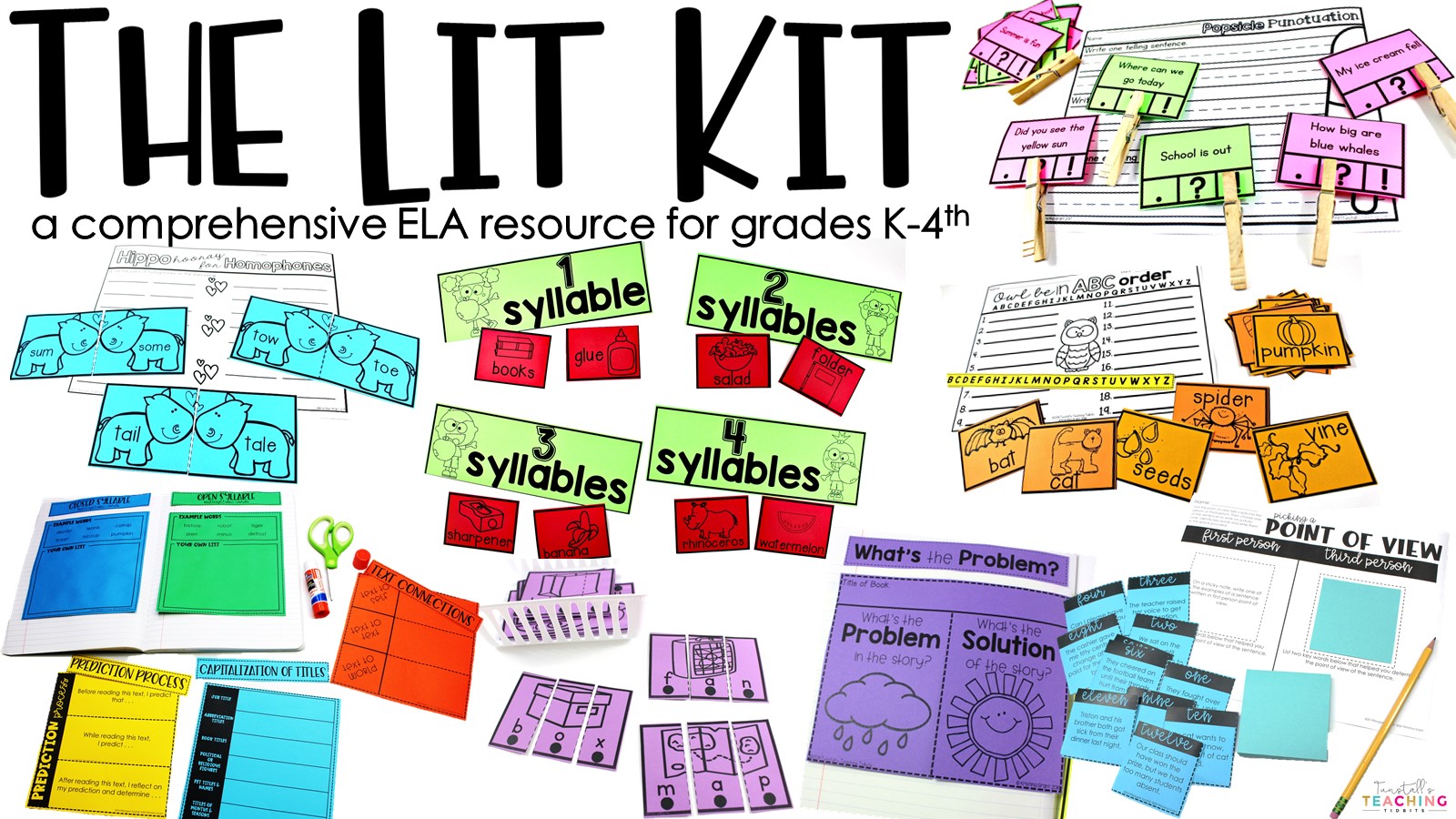
The Lit Kit is a separate resource from ELA Stations by Standard. ELA Stations provide targeted, independent literacy-center practice organized by grade-level skills and standards. The Lit Kit offers a broader collection of literacy teaching materials and student activities that can be used throughout the school year.
Teachers can use the two resources independently or together, depending on their literacy-block structure and the type of practice students need.
This post is a round up of our structured literacy resources.

This is awesome! Are you going to make one that covers Kindergarten skills??
Yes! We are working on that now. Thank you!